





Patterned Shade Table Lamp
A patterned shade table lamp brings layered light and textural contrast to a room, using decorative vases, columns and candlesticks.
Patterned Shade Table Lamp
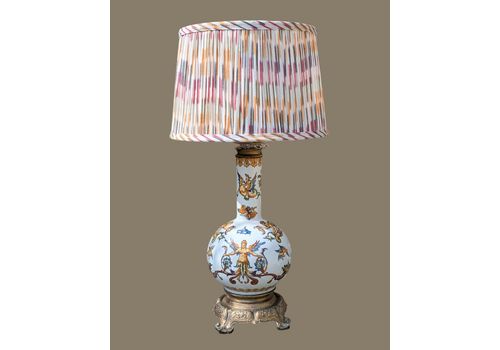
A patterned shade table lamp combines a functional light source with a decorative base drawn from periods spanning the eighteenth century through to the Edwardian era. You will frequently encounter converted oil lamps, ceramic vases and classical metal columns adapted to hold electrical fittings.
The selection here includes brass Corinthian and Doric columns, Gothic revival altar candlesticks, and bronze cherub statuettes. Alongside these sit porcelain vessels ranging from Chinese Famille Verte to Japanese Imari and Arita styles.
Many examples utilise converted vessels such as Mandarin vases and blue and white porcelain pieces paired with fabric or silk shades. These objects bridge the gap between historical decorative arts and everyday domestic illumination.
How they were made
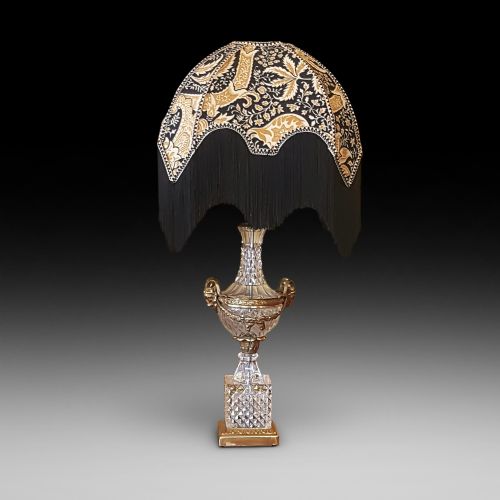
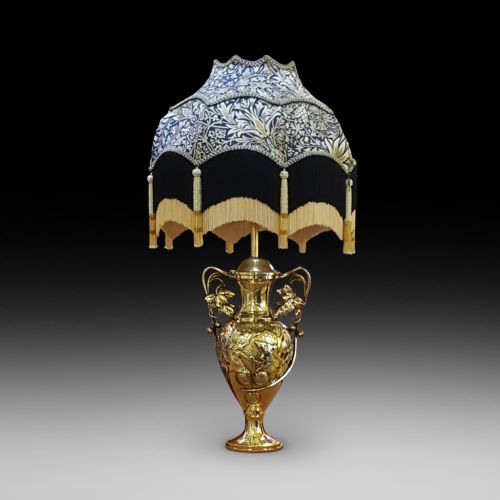
Construction relies upon durable metals such as brass, ormolu, and gilt bronze, often cast into classical architectural columns or ornate rococo and Louis XVI forms. Artisans also mounted cut glass and incorporated glass beads into the decorative schemes of shades and bodies.
Ceramic components involve hard-paste porcelain from Chinese, Japanese, and continental European traditions, hand-painted with detailed scenes or geometric patterns. These ceramic bodies are frequently drilled and fitted with metal mounts to secure the lamp hardware.
Patterned Shade Table Lamp Retail Price Guide 2026
Typical asking prices for patterned shade table lamp among the pieces listed under this phrase on Sellingantiques today, from the lower quarter to the upper quarter. They describe what is for sale here now, not the wider market.
Materials documented across the inventory include silk, fabric, brass, porcelain, glass beads, ormolu, gilt bronze, and cut glass.
What varies in quality
Quality reveals itself in the crispness of the metal casting and the depth of the gilding on ormolu and brass components. Finer columns and candlesticks show sharp fluting, well-defined capitals, and substantial weight in the hand.
Ceramic bodies demonstrate variation through the precision of the hand-painted glazes, particularly in Imari and Famille Verte wares. The integration of the electrical conversion with the original antique vessel also dictates the overall cohesion of the piece.
The Patterned Shade Table Lamp Glossary
- Ormolu
- Gilt bronze mounted on decorative objects and furniture, created by applying a gold amalgam to a bronze base. This technique was widely utilised in French-influenced furniture and lighting.
- Imari
- A type of Japanese porcelain decorated in underglaze blue and overglaze red, gold, and black. These wares were heavily exported to Europe and frequently adapted into lamps.
- Corinthian column
- A classical architectural order featuring an ornate capital decorated with acanthus leaves. Lamps utilising this form draw directly on ancient Greek and Roman architecture.
- Famille Verte
- A Chinese porcelain palette dominated by green enamels, developed during the Qing dynasty. Pieces decorated in this style often served as the bodies for later lamp conversions.
Patterned Shade Table Lamp: Frequently Asked Questions
Are these lamps converted from old oil lamps?
Many table lamps originate from earlier lighting devices or decorative vessels such as oil lamps, vases, and candlesticks. Artisans adapted these items to house electrical components as domestic lighting evolved.
This practice preserves historical objects by giving them a functional role in modern interiors while retaining their original decorative craftsmanship.
How do I date a brass table lamp?
Dating relies upon stylistic markers such as column orders, casting techniques, and surface patination. Pieces associated with the Victorian and Edwardian periods often display distinct revivalist motifs.
Examining the construction methods of the base and any associated metal mounts provides further clues to the manufacturing era.
Can I use silk shades on these lamps?
Fabric and silk shades complement the traditional materials found on these bases, such as brass, gilt bronze, and porcelain. The choice of shade typically balances the visual weight of the base.
Matching the shade style to the period of the lamp helps maintain historical coherence within a room scheme.