

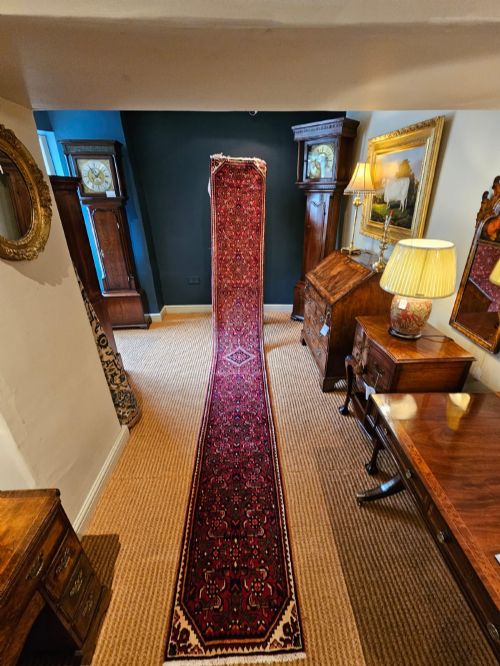
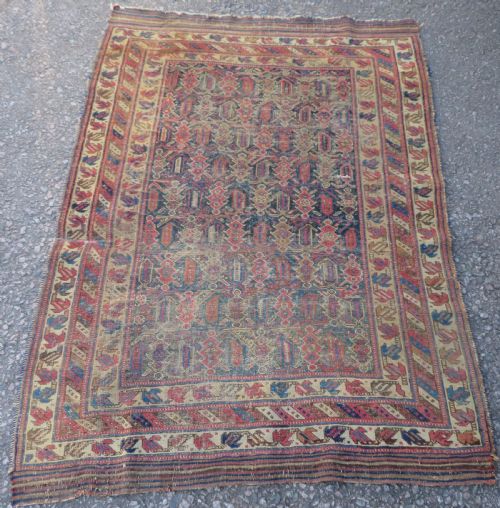
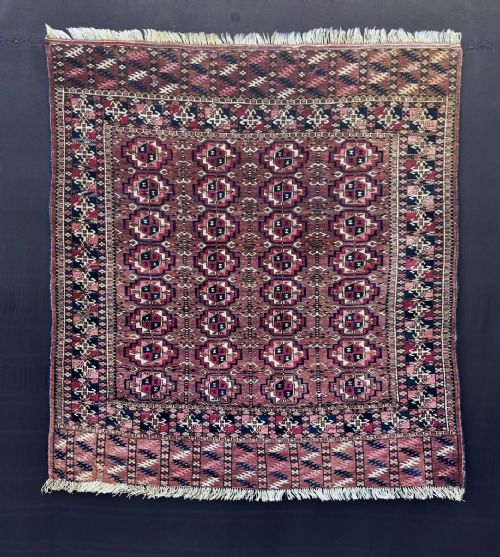
Patterned Red Carpet
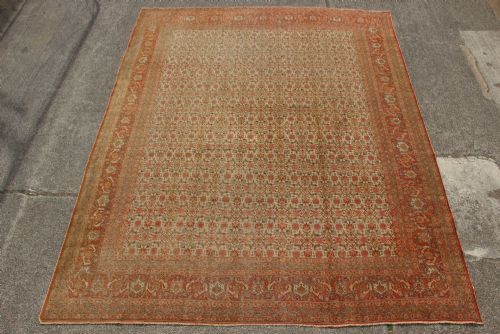
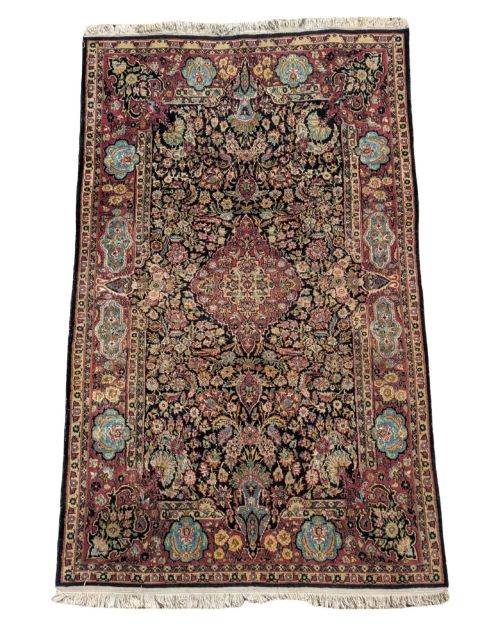
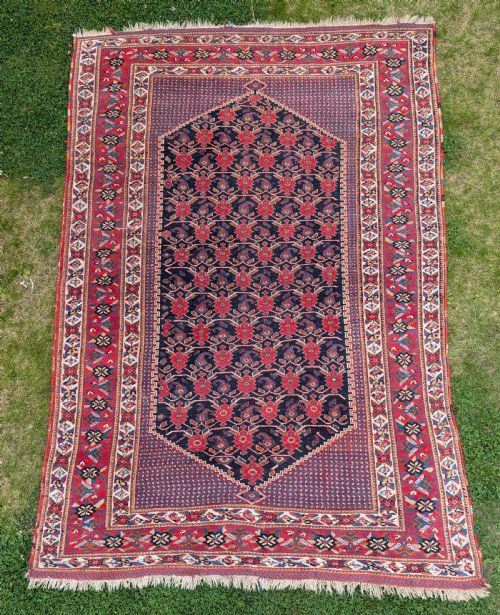
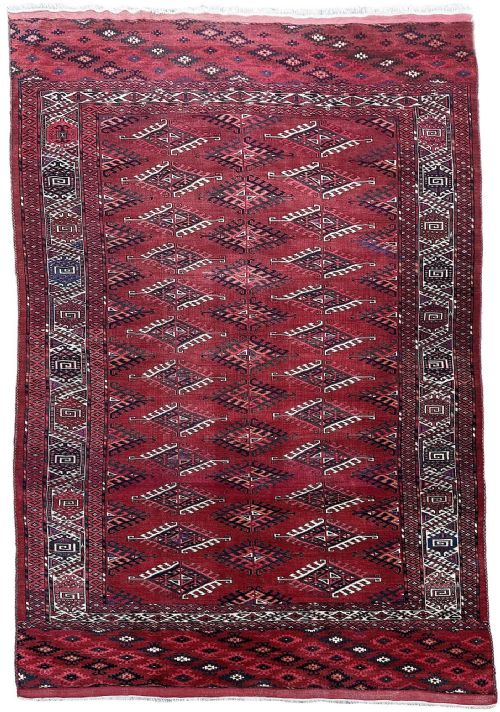
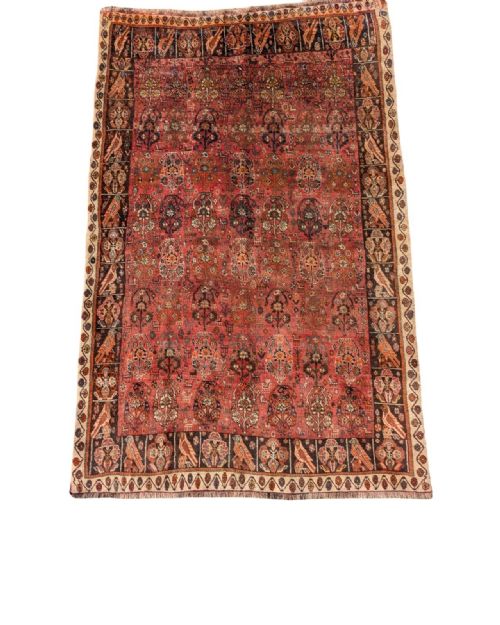
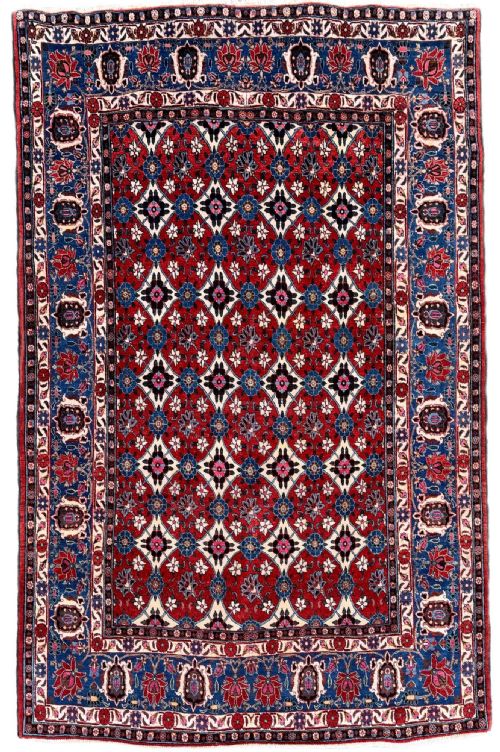
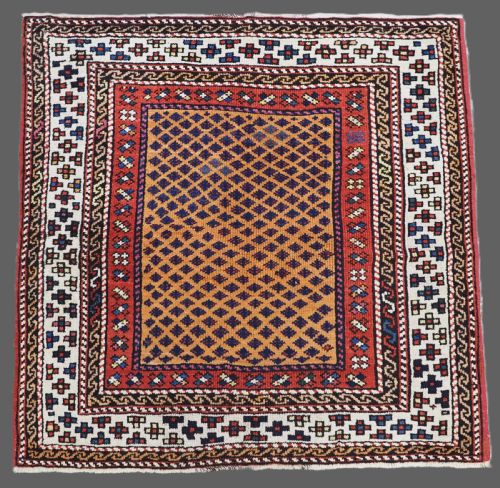
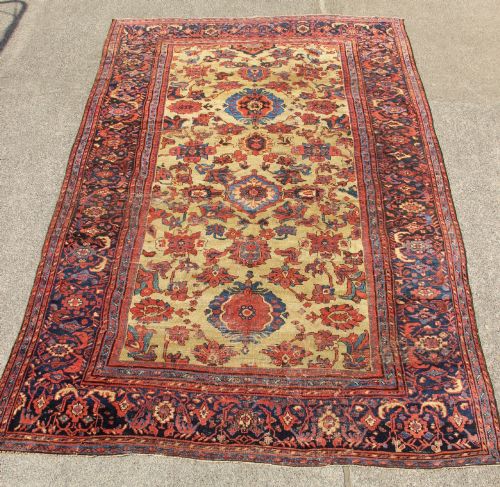
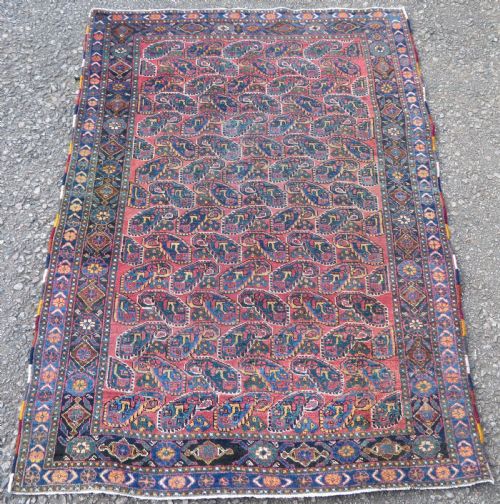
Patterned red carpet selections bring characterful rugs, runners and tribal textiles from nineteenth and early twentieth century traditions into a room.
Patterned Red Carpet
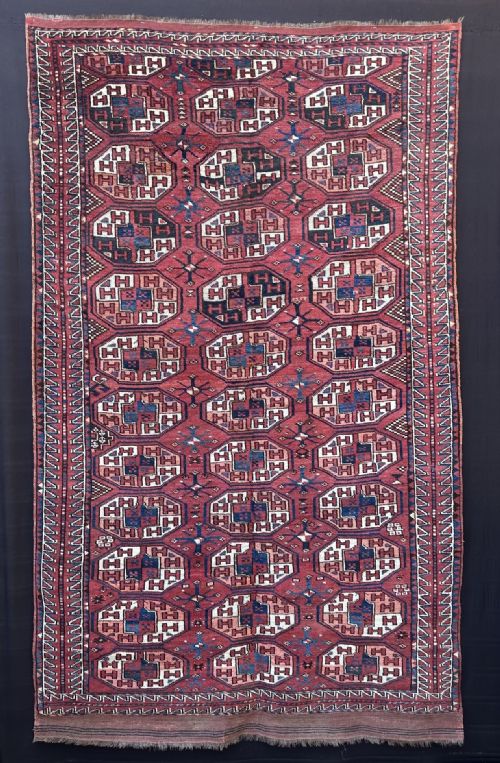
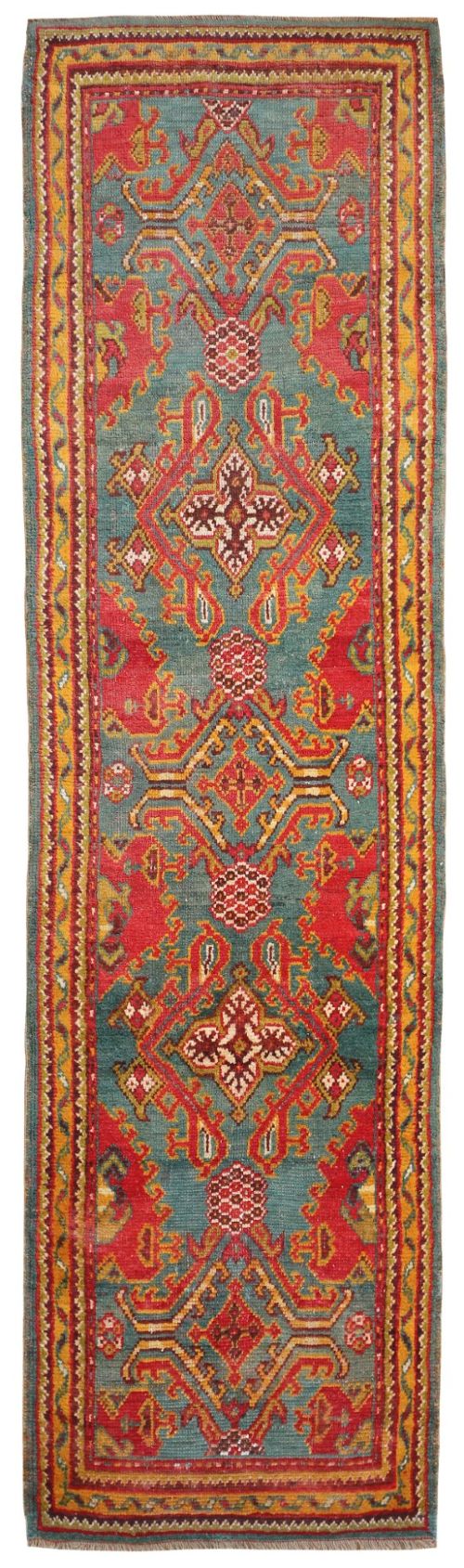
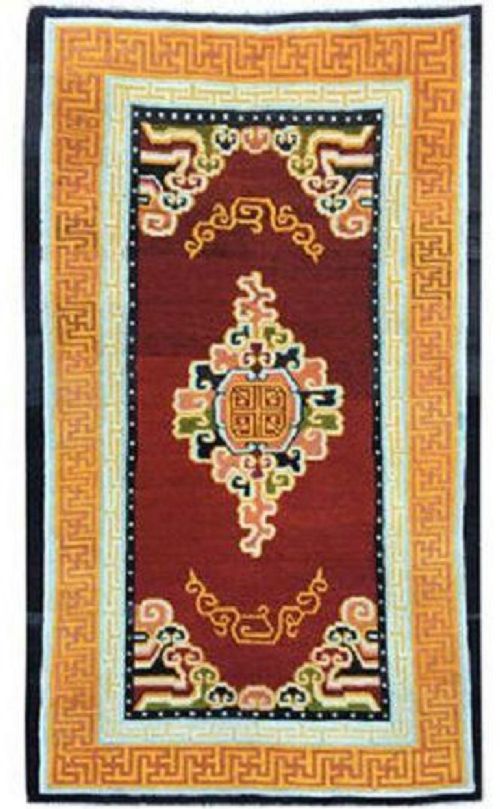
A patterned red carpet search covers woven floor coverings and related textiles produced across Persia, the Caucasus, Turkmenistan, Turkey and Tibet during the nineteenth and early twentieth centuries. These pieces encompass room sized carpets, narrower runner rugs, area rugs and square formats created by various tribal and village workshops.
The selection encountered here relies heavily on Persian village and tribal weaving traditions alongside Turkmen and Turkish pieces dating from the eighteen-fifties through the nineteen-thirties. Buyers also meet utilitarian storage chests alongside the primary woven rugs and carpets that define this grouping.
Materials and Construction
The pieces listed on this page utilise natural materials including hand spun wool, cotton foundations, silk highlights and natural dyes. Weavers tied these fibres by hand into dense pile structures upon sturdy cotton or wool warps and wefts.
Pine appears in the construction of related wooden storage chests found within the material evidence. Traditional hand knotted techniques ensure the durability and structural integrity of the rugs and carpets.
Among the woven floors and textiles, a large nineteenth century upholstered pine storage chest waits quietly with its secrets.
Distinguishing Quality
Quality in these woven textiles rests upon the fineness of the knotting, the complexity of the design and the richness of the natural dye palette. Tighter knots and carefully handled silk highlights separate finer workshop carpets from simpler village or tribal productions.
The integrity of the wool, the clarity of tribal motifs such as gul designs or boteh patterns, and the overall balance of the composition distinguish superior examples from ordinary specimens.
The Patterned Red Carpet Glossary
- Gul
- A repeating octagonal medallion motif frequently found in Turkmen tribal rugs and carpets. This traditional design element serves as a principal decorative focus across various Central Asian weaving groups.
- Boteh
- A stylised almond or pear shaped floral motif used in all over patterns on Persian and Caucasian rugs. Artisans rendered this ancient symbol in varied sizes and orientations.
- Warps
- The vertical foundation threads stretched tightly on a loom before weaving begins. Weavers tie individual knots around these stationary structural strands.
- Pile
- The raised soft surface of a carpet formed by the cut ends of knotted yarn. This upper layer provides both the tactile comfort and the visual display of the patterned design.
- Runner
- A long, narrow carpet format designed for corridors, hallways or staircases. These elongated pieces balance proportions in linear spaces.
Patterned Red Carpet: Frequently Asked Questions
Where should I place a patterned red carpet?
These rugs suit high traffic zones like hallways, sitting rooms and dining areas where warmth and colour enhance the interior. Runners fit narrow corridors, while larger carpets anchor open floor spaces.
Selecting the correct size ensures the textile harmonises with surrounding furniture without overwhelming the room layout.
How do I care for antique wool rugs?
Regular gentle vacuuming without a rotating brush roll prevents dust accumulation within the pile fibres. Professional cleaning preserves the natural dyes and structural integrity of older textiles.
Avoiding prolonged direct sunlight protects the wool and natural colours from fading over time.
How do I identify a tribal rug?
Tribal rugs typically display geometric motifs, repeating medallions and asymmetrical designs woven by nomadic or village communities. These patterns reflect the specific cultural heritage of groups such as the Afshar, Yomut or Kashgai.
Natural irregularities in the weave and abrash colour variations often point towards traditional hand production methods.
What is the difference between a carpet and a runner?
Carpets are larger rectangular floor coverings designed for central room placement under furniture arrangements. Runners feature an elongated narrow format specifically proportioned for passages and stairs.
Both formats utilise similar hand knotted weaving techniques and materials from the same historical periods.