



Patinated Floor Light
A patinated floor light brings steady architectural height and rich surface depth to a room through darkened metalwork.
Patinated Floor Light
When you search for a patinated floor light, you encounter tall stands and standard lamps designed to illuminate a room from a grounded position. The listings on this page span the nineteenth century through the early twentieth century, offering substantial vertical presence for interior schemes.
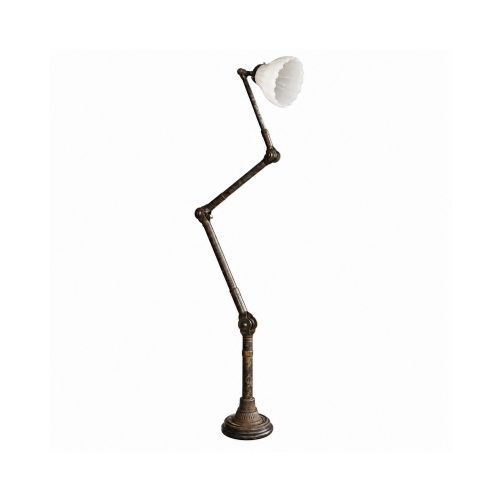
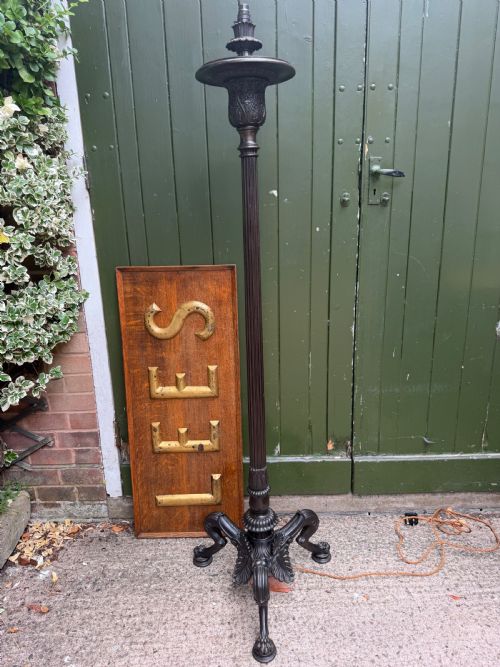
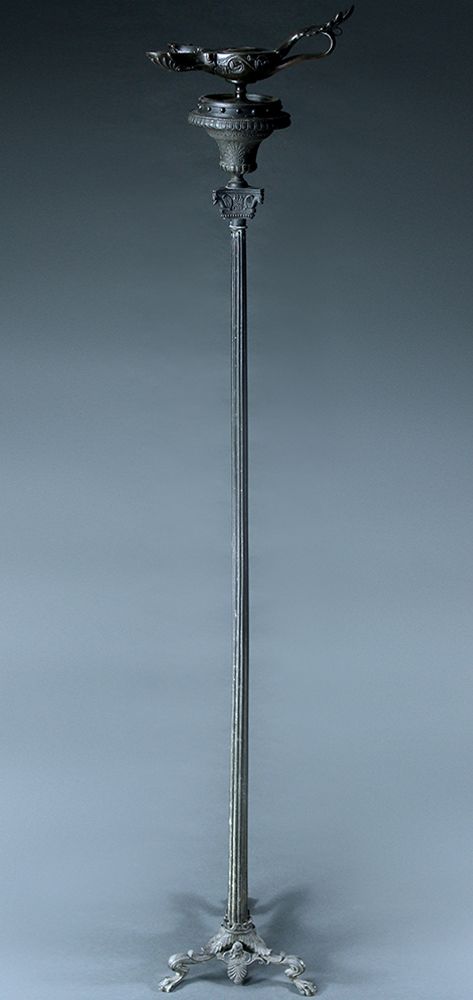
The forms range from classical torchères and industrial searchlights to slender brass stands and tripod supports. Each example uses its patinated finish to tone down raw metallic brightness and impart a subdued, weathered dignity.
How they were made
Maker workshops utilised cast iron, bronze, and brass, shaping the metal through casting and turning before applying intentional surface oxidation or patination. This chemical or natural darkening settles into the recesses of the ornament to emphasise the underlying relief.
Makers integrated structural elements such as heavy metal bases and robust upright columns to support heavy fittings and glass components safely. Selected pieces incorporate mixed metals, combining gilt highlights with deep patinated bronze to create sharp visual contrast.
Patinated Floor Light Retail Price Guide 2026
Typical asking prices for patinated floor light among the pieces listed under this phrase on Sellingantiques today, from the lower quarter to the upper quarter. They describe what is for sale here now, not the wider market.
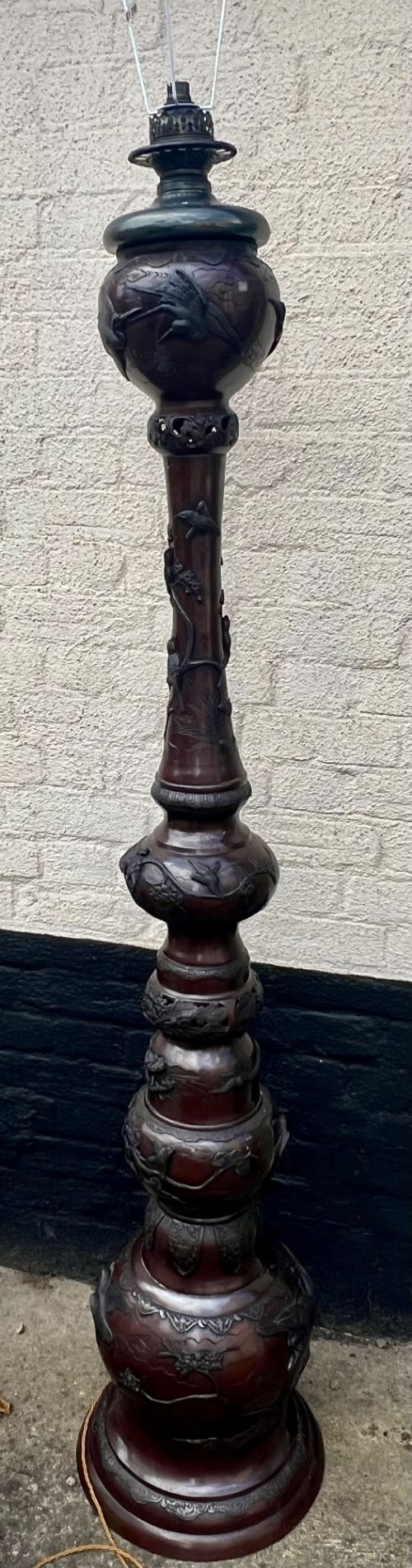
Design influences on this page span Edwardian industrial engineering, Japanese Meiji metalwork, and Victorian Neoclassical style.
What varies in quality
The distinction between ordinary and exceptional work lies in the depth and stability of the cast ornament, where sharper detail in classical motifs or Meiji figures indicates superior workshop execution. Heavier gauges of brass, bronze, and cast iron provide a more secure vertical balance.
The subtlety of the patination itself governs the visual success of the piece, separating flat spray-applied finishes from rich, multi-layered tones built up over decades of handling and oxidation.
François-Christophe-Armand Toussaint·Bleriot
The Patinated Floor Light Glossary
- Patination
- The surface coloration and ageing acquired by metal through oxidation, handling, or chemical treatment. This process deepens the character of bronze and brass over time.
- Torchère
- A tall ornamental stand or floor lamp originally designed to carry a torch. In later periods, it supports electric lamps or searchlights.
- Meiji Period
- The era of Japanese history lasting from 1868 to 1912, noted in these listings for distinctive bronze work. Pieces from this era often feature intricate surface detailing.
- Standard Lamp
- A traditional British term for a floor-standing lamp base. These upright supports usually accommodate a fabric shade at the top.
Patinated Floor Light: Frequently Asked Questions
Where should I place a patinated floor light?
These tall stands suit corners of reception rooms, beside reading chairs, or flanking large pieces of furniture where vertical emphasis is needed.
Because the metalwork absorbs rather than reflects light, they work well against pale walls to create a strong silhouette.
How do I distinguish nineteenth-century examples?
Nineteenth-century pieces typically show heavier casting methods, classical design idioms such as Grecian or Neo-Pompeian motifs, and traditional assembly techniques.
Examine the joints and the weight of the base to understand the manufacturing period.
What maintenance does patinated metal require?
Dust the surface regularly with a soft, dry cloth to prevent grime accumulation without disturbing the aged finish.
Avoid abrasive metal polishes, which can strip away the historical patination and expose raw brass or bronze underneath.