




Patinated Bronze Light Fixture
A patinated bronze light fixture brings deep historic character and warmth into a room through dark metal surfaces.
Patinated Bronze Light Fixture
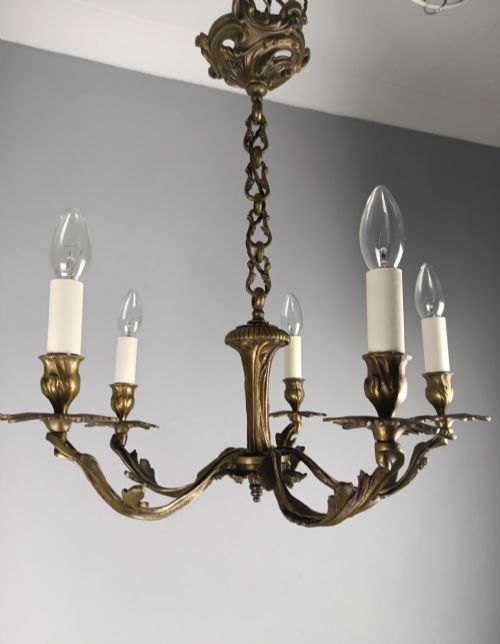
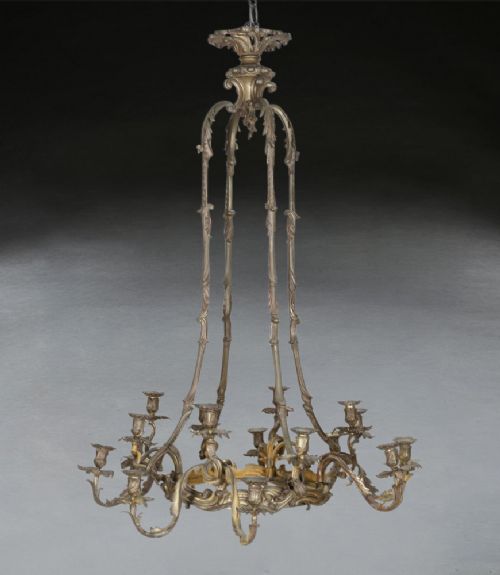
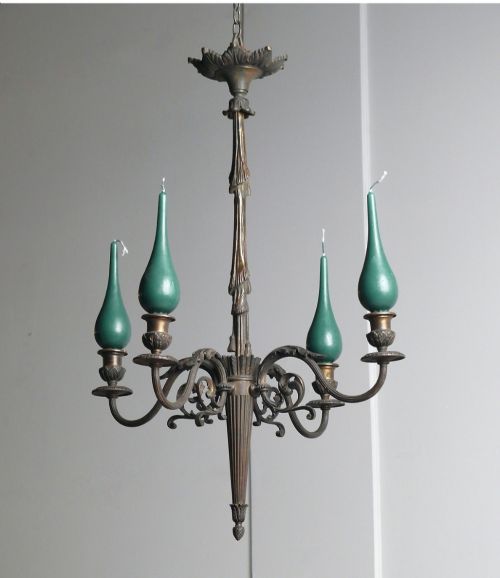
A patinated bronze light fixture provides illumination through chandeliers, wall lights, and hall lanterns sourced mainly from the nineteenth and early twentieth centuries. Buyers seeking a patinated bronze light fixture will find French and English designs spanning stylistic periods such as French Rococo, Art Deco, and French Empire.
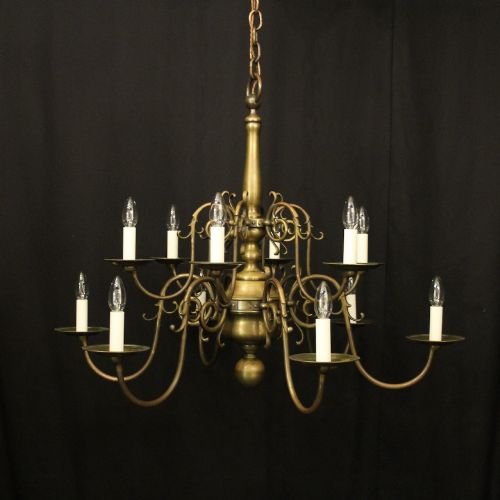
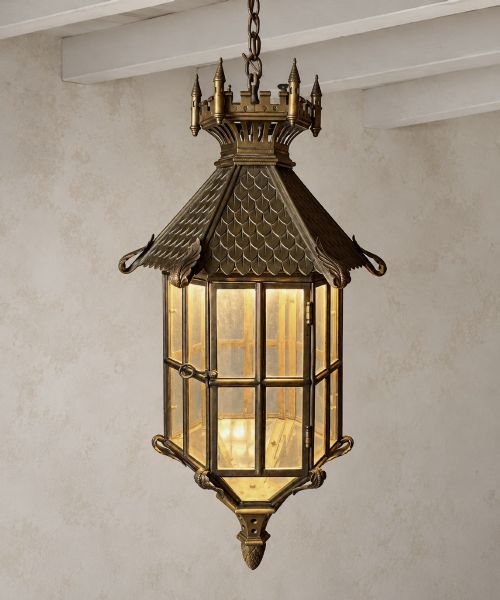
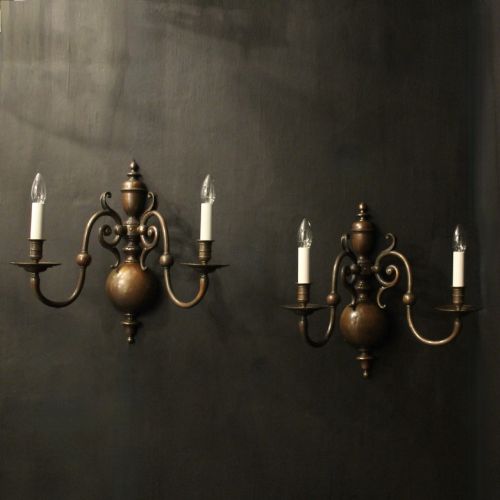
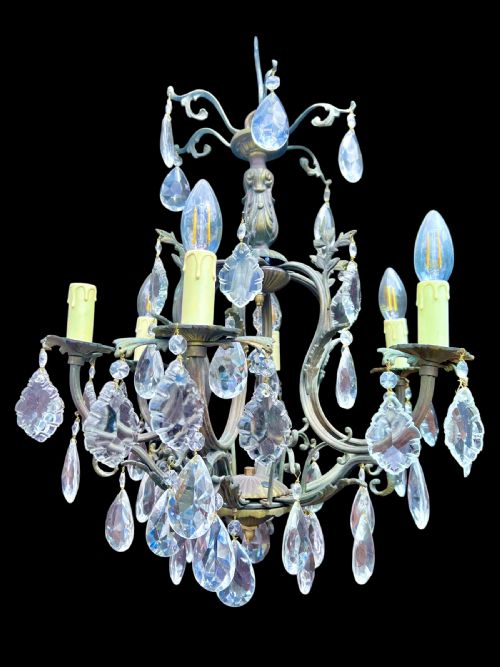
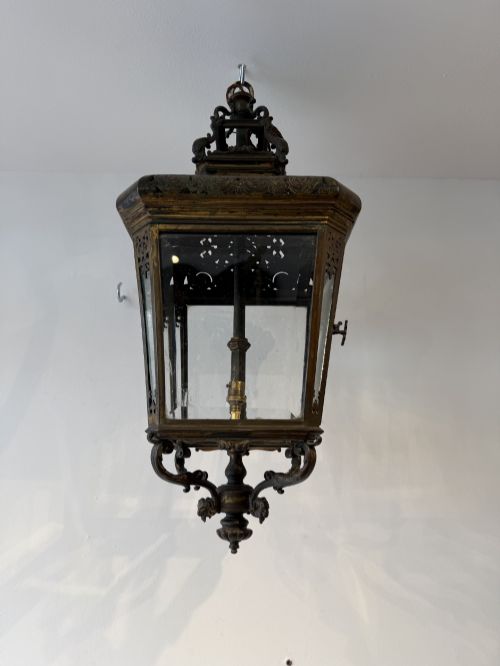
The pieces appearing here include multi-armed chandeliers, paired wall sconces, and hanging lanterns shaped by historical revivals and modern design movements. A buyer is most likely to encounter French chandeliers and wall lights carrying dark, faded, or patinated bronze finishes alongside glass elements.
Materials and construction
These fixtures rely upon cast bronze and brass worked into structural frames, wall mounts, and decorative multi-tiered bodies. Artisans combined the dark metal with clear, frosted, or opalescent glass components to diffuse the light.
Surface finishes include applied patination, dark bronze treatments, and occasional gilt highlights that accent the cast details. Metal components work alongside crystal elements and hanging glass shades in specific styles.
Patinated Bronze Light Fixture Retail Price Guide 2026
Typical asking prices for patinated bronze light fixture among the pieces listed under this phrase on Sellingantiques today, from the lower quarter to the upper quarter. They describe what is for sale here now, not the wider market.
Listings feature items from the nineteenth century up to 1930, utilising bronze, brass, and frosted or opalescent glass.
Judging quality in patinated bronze lighting
Quality rests in the crispness of the bronze casting and the depth of the patinated surface. Superior examples display carefully sculpted figural or decorative details that hold their definition across large multi-light frames.
The integration of original glass elements, such as opalescent shades or crystal drops, elevates a piece. Structural integrity in the arms and mounting points separates standard production from exceptional domestic lighting.
François-Christophe-Armand Toussaint
The Patinated Bronze Light Fixture Glossary
- Patinated bronze
- Bronze that has been treated chemically or aged naturally to produce a dark, matte surface. This finish deepens the visual weight of the fixture.
- Chandelier
- A branched ceiling-mounted lighting fixture designed to hold multiple lamps or candles. These forms range from simple single-tier frames to grand multi-tiered designs.
- Torchère
- A standing or wall-mounted floor lamp or sconce modelled on a classical torch. These pieces often feature figural bronze work.
- Opalescent glass
- Glass that exhibits a milky, milky-blue, or iridescent appearance used in shades to soften glare. It appears frequently in twentieth-century designs.
- Colza hanging light
- A specialised nineteenth-century hanging lamp designed to burn colza oil before conversion to electricity. These fixtures often feature heavy bronze reservoirs and mounts.
Patinated Bronze Light Fixture: Frequently Asked Questions
How do I clean a patinated bronze light fixture?
Dust the metal gently with a soft, dry cloth to prevent accumulation without disturbing the dark surface treatment. Avoid harsh chemical cleaners that can strip away the historical patination.
Glass shades can be removed and washed separately in warm soapy water before being dried thoroughly and reattached.
What rooms suit a multi-tiered bronze chandelier?
Large multi-armed chandeliers demand high ceilings and generous floor space to balance their visual weight. Dining rooms, entrance halls, and drawing rooms provide appropriate scale for these substantial pieces.
Paired wall sconces work effectively alongside central ceiling fixtures to create a balanced lighting scheme in the same interior.
How do I date a bronze light fixture?
Dating relies upon stylistic markers such as the ornate curves of French Rococo or the geometric simplicity of Art Deco. The combination of materials, such as opalescent glass paired with dark bronze, points towards the twentieth century.
Nineteenth-century pieces frequently display heavier cast brass and bronze frames influenced by Gothic or Empire revivals.