


Patinated Bronze Elephant
A patinated bronze elephant brings sculptural weight and tactile dark metal surfaces to a room, ranging from Japanese Meiji studies to French mantel clocks.

Patinated Bronze Elephant
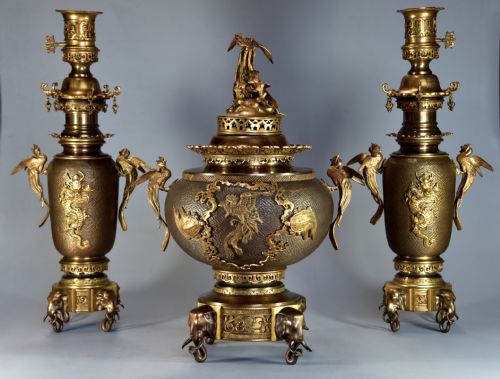
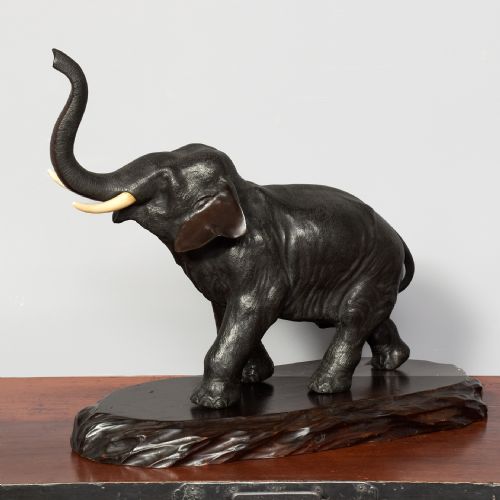
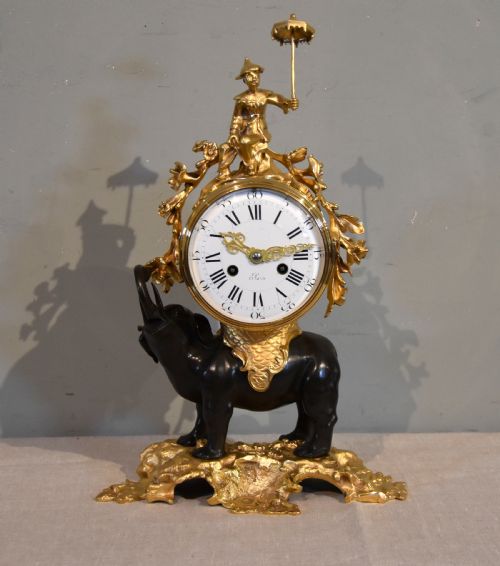
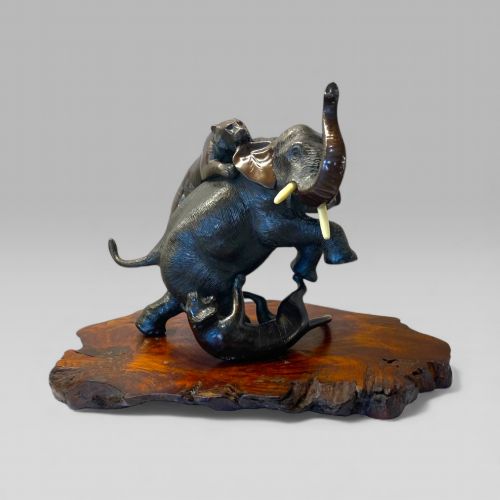
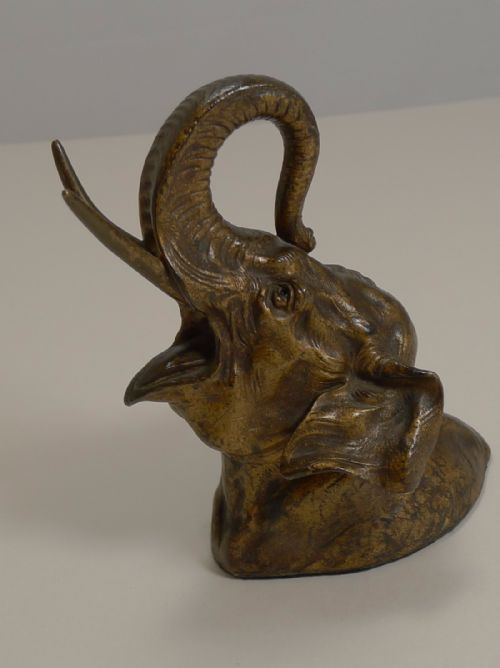
A patinated bronze elephant takes many physical forms across the listings here, appearing as standalone animalier sculptures, fierce group combat studies with tigers, functional table lamps, and architectural clock cases. These objects span diverse origins, with Japanese Meiji period examples and French nineteenth-century works forming the core of what collectors encounter.
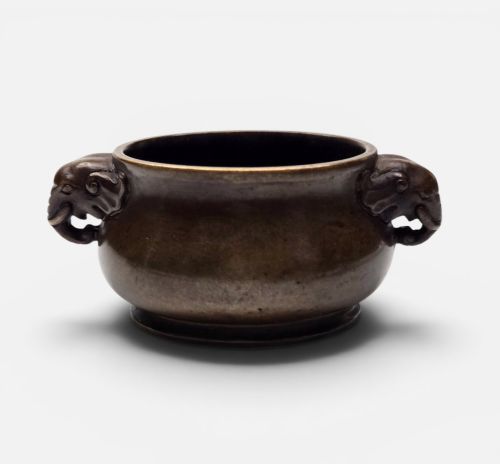
The materials paired with the metal vary widely according to origin and style, incorporating bone or ivory tusks on naturalistic bases, ormolu mounts, and champlevé enamel decoration. Certain pieces function as scholar's censers, inkwells, or liqueur sets, integrating the pachyderm shape into utilitarian nineteenth-century and seventeenth-century items.
Materials and casting methods
The primary construction relies on bronze, frequently finished with a dark chemical patination to accentuate hide textures, wrinkles, and muscular definition. Ormolu and gilt bronze highlights appear alongside contrasting elements of hardwood, bone, and enamel.
Casting techniques capture minute details, from the naturalistic ground underfoot to the snarling expressions of fighting tigers or the intricate patterns on Meiji vases and incense burners.
Several elephants must contend with determined tigers clinging to their flanks in dramatic nineteenth-century combat scenes.
Measures of quality and execution
Finer examples distinguish themselves through anatomical precision and the liveliness of the casting, particularly in dynamic compositions where tigers engage with the animal. The depth and subtlety of the dark chemical patination also separate superior works from simpler castings.
The integrity of secondary materials, such as original ivory or bone tusks and undamaged enamel detailing, contributes substantially to the standing of a piece. Maker signatures or foundry stamps add documented provenance that elevates certain French and Japanese works.
Tsunemitsu·Ernest Louis Adnin
The Patinated Bronze Elephant Glossary
- Patination
- The surface treatment or chemical alteration applied to metal to create a specific colour and finish. It protects the bronze while giving depth to the dark tones of the hide.
- Meiji Period
- The era in Japanese history lasting from 1868 to 1912, known for exceptional metalwork and animalier bronzes exported to the West. Works from this time often display acute naturalism.
- Ormolu
- Gilded bronze mounted onto decorative objects or clocks, adding bright golden contrast against dark patinated surfaces. It is typical of French nineteenth-century decorative arts.
- Censer
- A vessel designed for burning incense, sometimes shaped as an elephant head or body with a removable lid. These items served both ritual and scholarly purposes.
- Japonisme
- The influence of Japanese art on Western European design during the late nineteenth century. This aesthetic informs several French bronze works of the period.
Patinated Bronze Elephant: Frequently Asked Questions
How do I clean patinated bronze?
Dust gently with a soft, dry cloth to remove surface particles without disturbing the underlying metal finish.
Avoid using water, oils, or chemical polishes, as these substances can strip the original dark patination permanently.
Are tusks usually original?
Many Japanese Meiji period examples incorporate separate tusks carved from bone or ivory fitted into the head.
Replacement tusks occur frequently due to the fragile nature of these protruding elements over decades of handling.
What is an animalier bronze?
Animalier refers to nineteenth-century sculptures depicting animals with anatomical realism and expressive movement.
Elephant figures in this tradition often interact with other beasts like tigers or stand on naturalistic ground bases.
How do I date a bronze elephant?
Examine the casting quality, the style of the base, and any associated maker signatures or foundry marks.
Stylistic influences, such as French Japonisme or Meiji period aesthetics, provide reliable clues to the decade of origin.