


Patinated Bronze Desk Sculpture
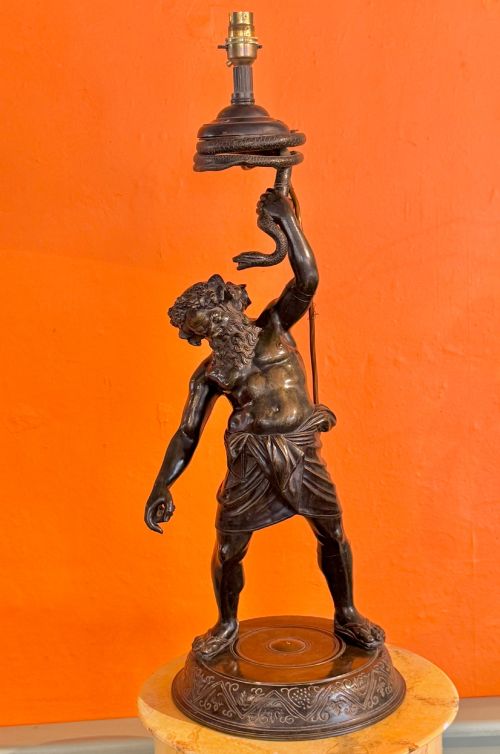
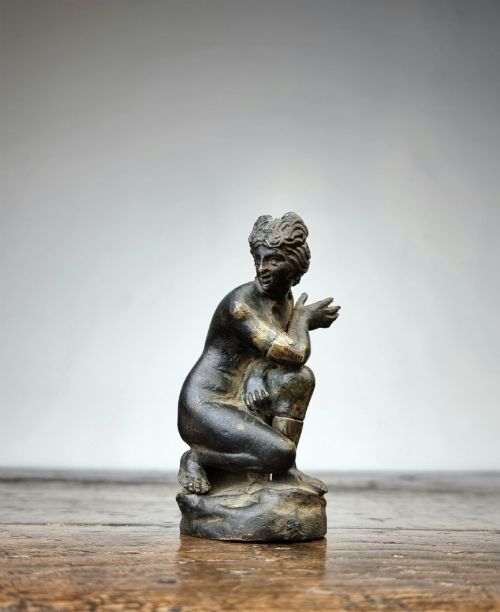
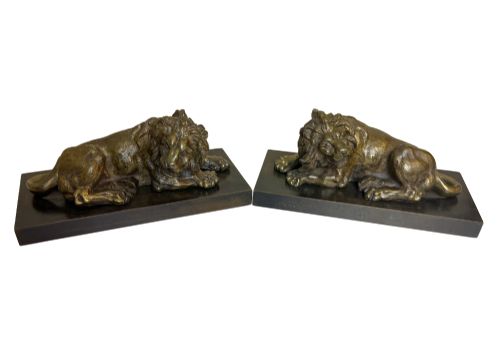
Patinated bronze desk sculpture brings together small-scale animalier studies, classical figures and grand tour relics designed to sit close at hand.
Patinated Bronze Desk Sculpture
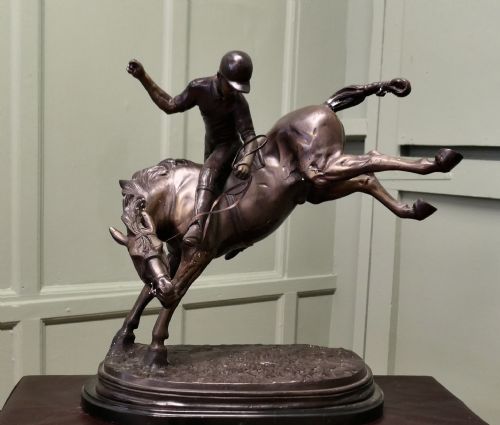
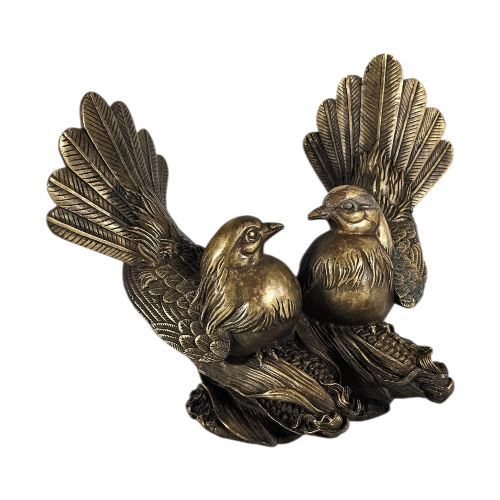
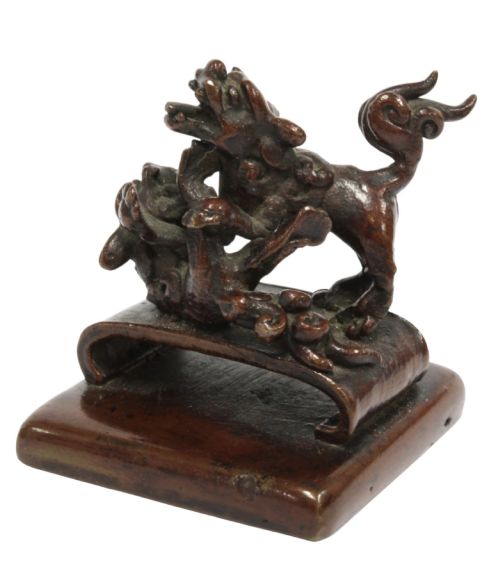
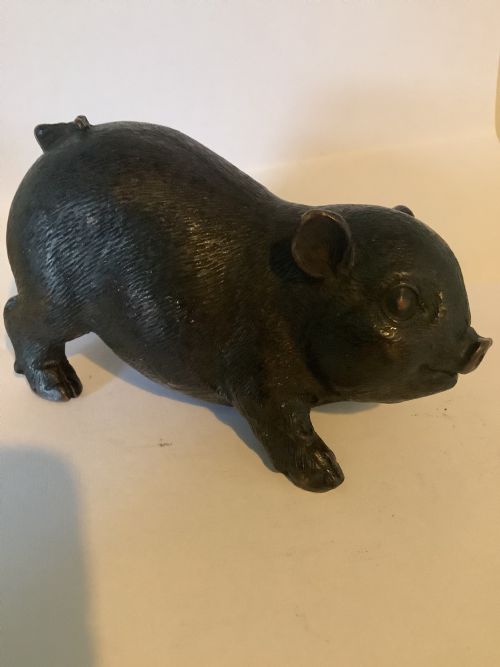
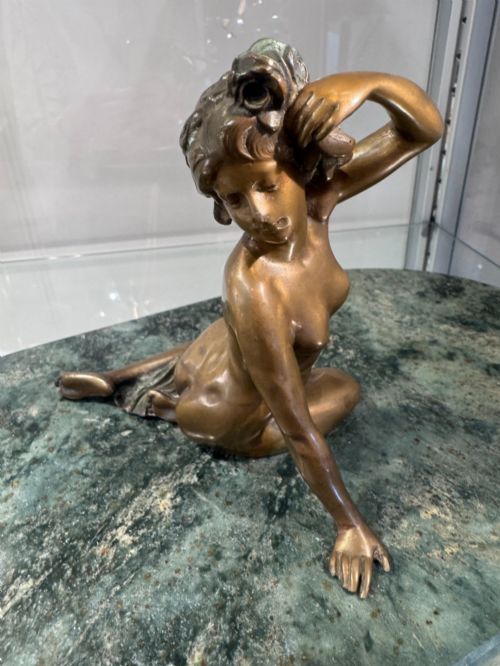
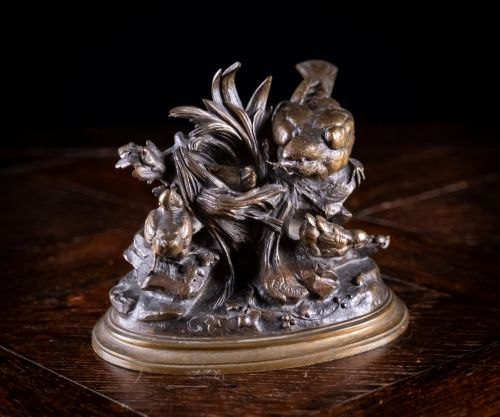
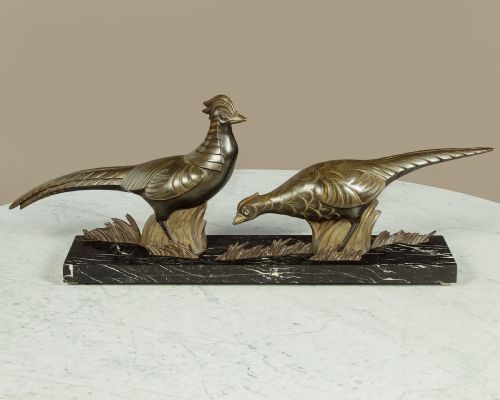
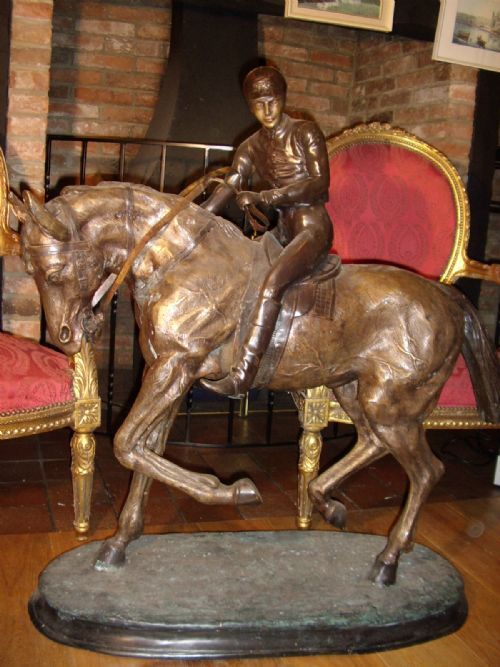
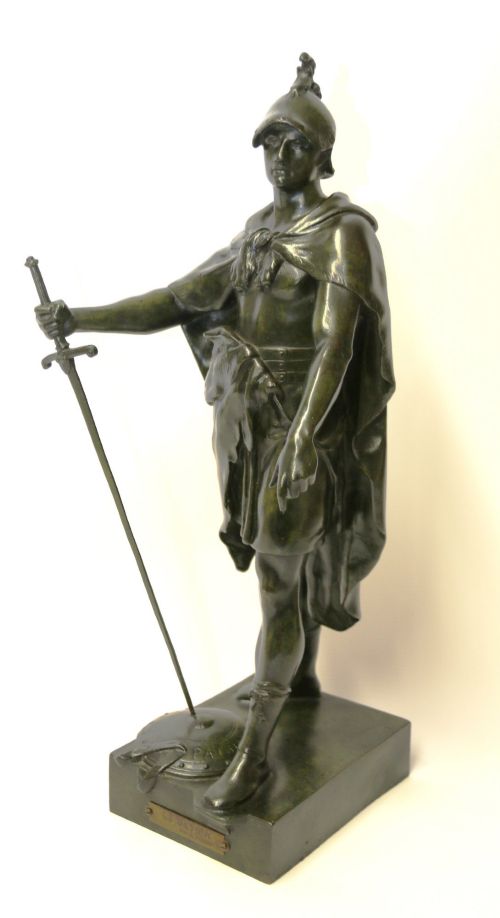
A patinated bronze desk sculpture is a small decorative or functional object cast in metal and given an artificial surface finish, spanning periods from the seventeenth century through to the art deco era. The pieces found here range from animalier studies of lions, birds and dogs to mythological figures, portrait busts, seals and inkwells.
Buyers most frequently meet nineteenth-century French animalier bronzes, grand tour reductions of classical antiquities, and twentieth-century modernist figures mounted on marble or onyx bases. These items served as paperweights, desk ornaments, table lamps or functional writing accessories in studies and libraries.
How they were made
The primary material is cast bronze, frequently paired with bases of marble, onyx, brass or chrome, and occasionally enhanced with enamel or painted details. Many items receive an applied chemical patination to create dark brown, green or black surface tones over the metal.
The manufacturing process relies on traditional foundry casting methods, followed by hand-chasing of the metal surface to sharpen details such as feathers, musculature or drapery before the patina is applied.
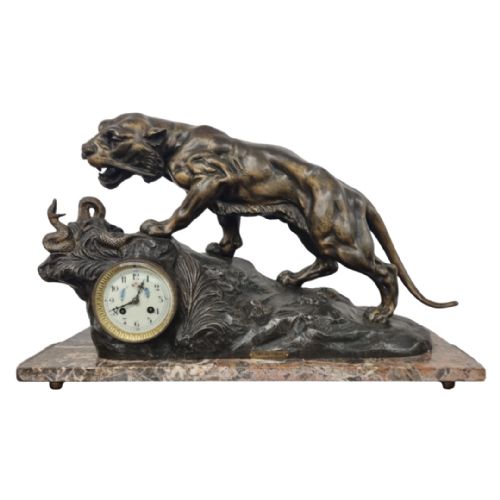
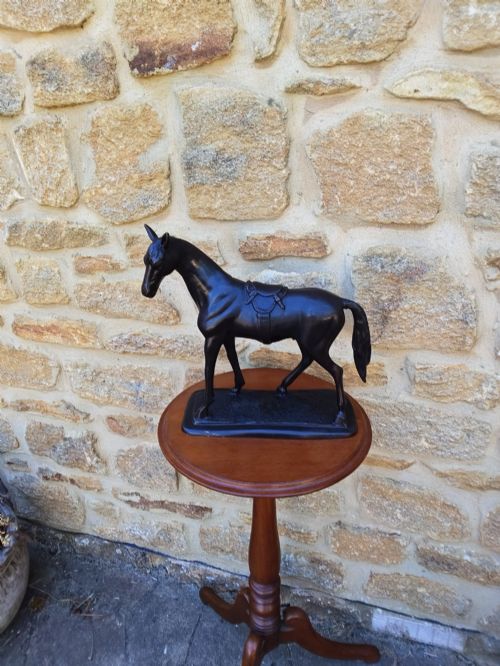
The object forms range from desk seals and inkwells to table lamps, mantel clocks, and animal figures.
What varies in quality
Quality rests primarily in the crispness of the casting and the dexterity of the subsequent hand-chasing, which determines whether fine textures like fur, hair and fabric remain sharp or appear blurred. The articulation of the anatomy, particularly in animalier and human figures, separates standard commercial foundry work from accomplished sculptural studies.
The choice and integration of secondary materials, such as heavy variegated marble or custom onyx plinths, alongside the depth and stability of the chemical patina, mark the distinction between ordinary desk accessories and notable cabinet pieces.
Rudolf Küchler·Louis Emile Cana·R Varnier·G Amodio·Pierre Jules Meme·Émile Louis Picault·Christophe Fratin·Antoine Louis Barye·Alfred Barye·Dora Heber·Henry Wissen Senior·Zoldan Kovats·Sibylle May·Giuseppe Moretti
The Patinated Bronze Desk Sculpture Glossary
- Patinated bronze
- Bronze that has been treated with chemical solutions to alter its surface colour to shades of brown, green, black or red. This coating protects the underlying metal and provides historical visual depth.
- Animalier
- A nineteenth-century sculptural style focused on the realistic depiction of animals, often shown in motion or combat. Practitioners of this genre studied animal anatomy closely from life.
- Grand Tour
- Souvenirs and small-scale bronze copies of classical statues, architecture and antiquities collected by travellers in Italy during the eighteenth and nineteenth centuries. These pieces were typically displayed in studies and libraries.
- Lost-wax casting
- A metal casting method where a wax model is encased in a mould, melted out, and replaced with molten bronze. This technique allows for intricate detail and undercut forms.
- Chasing
- The manual finishing of a raw bronze casting using small hammers and punches to refine details and remove mould lines. Skilled chasing defines the textures of hair, skin and clothing.
Patinated Bronze Desk Sculpture: Frequently Asked Questions
What is a patinated bronze desk sculpture?
A patinated bronze desk sculpture is a small cast metal figure, ornament or functional object finished with a chemical surface treatment to give it a specific colour and tone. These pieces were made to occupy a permanent place on a writing table or library desk.
They encompass everything from seventeenth-century scholars' seals and inkwells to nineteenth-century animal studies and art deco bookends. Their small scale allowed them to be easily handled or viewed closely during daily work.
How do I know if a bronze is nineteenth century?
Nineteenth-century bronzes often display specific stylistic traits associated with the animalier movement, grand tour classical revues, or romanticism, combined with particular casting textures and screw types on the base. Examining the depth of the patina and the quality of the hand-chasing helps differentiate period work from later reproductions.
Signatures or foundry marks stamped into the metal can also point towards active periods of production. However, many unsigned decorative desk pieces rely entirely on material composition, patination style, and base construction for dating.
Where should I place these sculptures at home?
These sculptures are suited for placement on desks, bookcases, side tables or mantelpieces where they can be appreciated at close range. Their compact size makes them versatile additions to both traditional studies and modern minimalist interiors.
Keep them away from direct heat sources and excessive moisture to protect the chemical patina and any stone bases like marble or onyx. Dust them gently with a soft dry cloth rather than using liquid polishes.
What does animalier mean in sculpture?
Animalier refers to the realistic artistic depiction of animals, a genre that gained immense popularity in nineteenth-century France. Sculptors in this tradition focused on capturing the authentic movement, musculature and behaviour of wild and domestic beasts.
Figures of lions, horses, dogs and birds dominate this category, often cast in bronze and mounted on heavy stone or marble bases. These pieces reflect a scientific interest in natural history combined with fine art casting techniques.