


Patinated Brass Lamp
A patinated brass lamp brings deep historic character and warm illumination to a room, drawing the eye with its rich, weathered surface.

Patinated Brass Lamp
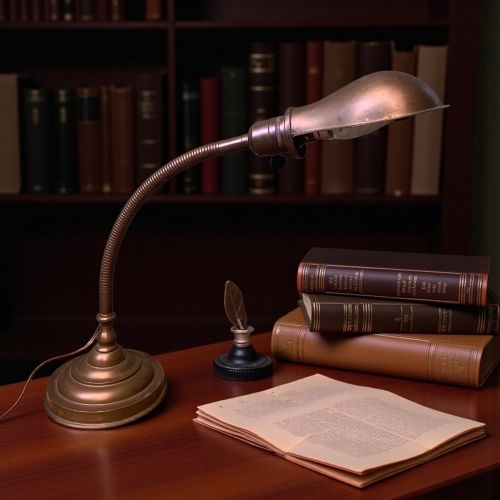
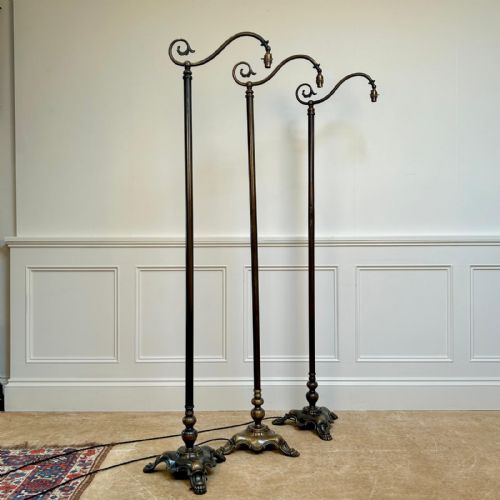
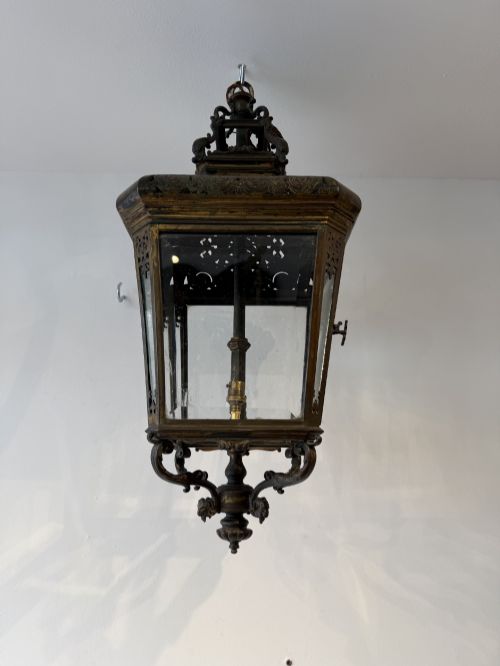
When you search for a patinated brass lamp, you encounter a diverse array of lighting forms ranging from restrained classical columns to industrial searchlights and elaborate chandeliers. Table lamps dominate the selection, often appearing in pairs alongside floor lamps, desk lamps, and wall sconces that span the nineteenth and early twentieth centuries.
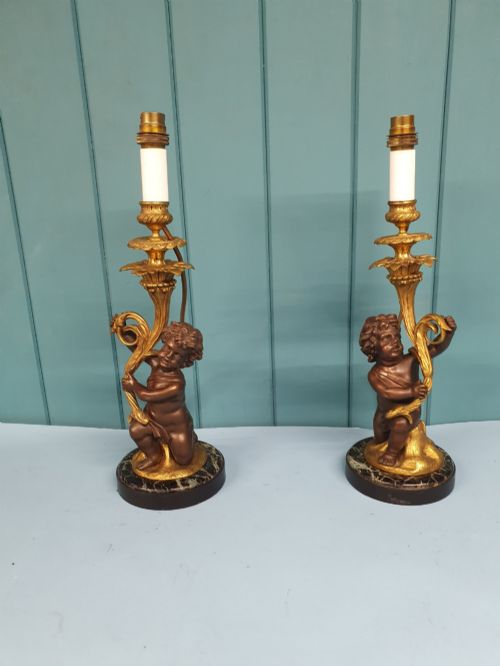
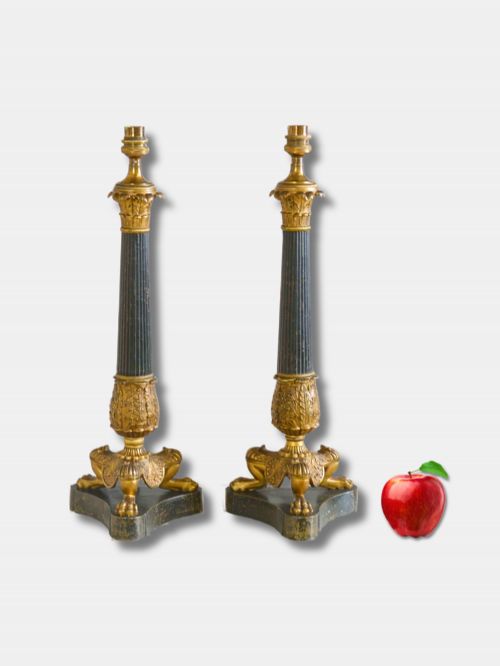
The aesthetic embraces various historicist movements, including French Empire, Regency, Edwardian, and Arts and Crafts designs. Pieces take inspiration from classical antiquity, featuring motifs like lions paw feet, fluted columns, and cherubs alongside utilitarian maritime and automotive shapes.
Origins stretch across Britain, France, Sweden, and Italy, reflecting continental taste and domestic manufacture. The selection balances intimate desk and table lighting with substantial floor-standing and multi-tier architectural fixtures.
How they were made
Makers utilised cast and spun brass, bronze, and ormolu, frequently combining these metals with glass, marble, and fabric elements. Structural components were often cast in sections and joined, allowing for intricate surface decoration such as repoussé work or finely chased details.
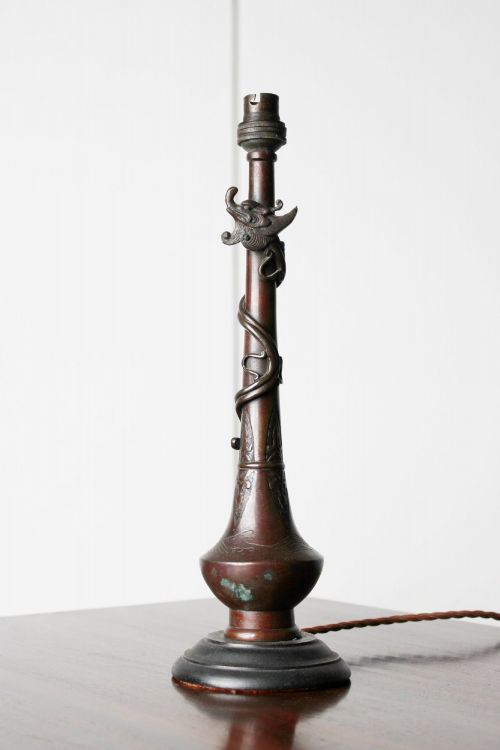
Surface patination developed naturally through age and handling or was chemically induced by makers to achieve darker, aged tones. This chemical or natural oxidation highlights the underlying contours of the metal and distinguishes older pieces from polished modern reproductions.
What varies in quality
Quality rests in the crispness of the casting and the depth of the metalwork, where finer pieces exhibit sharply defined ornamentation like acanthus leaves or figural details. Heavier gauge brass and solid bronze construction provide structural integrity and a substantial feel compared to lighter, pressed alternatives.
The integrity of the original surface patination dictates visual success, with superior examples displaying an undisturbed, nuanced finish rather than a uniform chemical wash. Maker attribution or adherence to specific historic styles, such as French Empire or classical column forms, further separates standard production from exceptional design.
The Patinated Brass Lamp Glossary
- Patinated brass
- Brass that has developed a darkened, oxidized surface layer over time through environmental exposure or chemical treatment. This finish subdues the bright yellow glare of raw metal and accentuates decorative detail.
- Ormolu
- Gilded bronze produced by applying a finely ground high-carat gold mercury amalgam to a bronze object. The technique creates a rich, matte gold surface seen on neoclassical and empire lighting.
- Repoussé
- A metalworking technique where metal is hammered from the reverse side to form a raised design in relief. It allows for ornate, tactile ornamentation on lamp bases and shades.
- Classical column
- A lighting form modelled after ancient Greek or Roman architectural orders, featuring a distinct base, shaft, and capital. These designs were particularly popular during the nineteenth century.
- Grand Tour
- A style inspired by the educational travels undertaken by young Europeans to classical sites in Italy. Pieces in this taste often incorporate ancient architectural motifs and patinated finishes.
Patinated Brass Lamp: Frequently Asked Questions
How do I date an antique brass lamp?
Dating relies on examining the construction methods, wiring access points, and stylistic markers such as neoclassical columns or Art Deco geometry. Fasteners like hand-cut screws or specific casting techniques also help establish the era of manufacture.
Comparing the object's form and patination to documented examples from periods like the Regency or Edwardian era narrows the timeframe further. Consulting maker attribution, where present, provides a more precise chronological anchor.
Are these lamps safe for modern electrical use?
Many antique lamps require rewiring to meet contemporary safety standards and ensure compatibility with modern wall sockets. Professional rewiring preserves the historic body while updating the internal cord and bulb holder.
Dealers frequently note whether a piece has been recently rewired for immediate domestic use. Buyers should consult a qualified electrician to verify the safety of older or imported light fittings before installation.
How should I clean a patinated metal surface?
Cleaning should be limited to gentle dusting with a soft, dry cloth to preserve the historical surface layer. Abrasive polishes and chemical cleaners strip away the patination that gives antique brass and bronze its characteristic depth.
Maintaining the piece in a stable indoor environment prevents further oxidation or damage to the finish. Any protective wax should be applied sparingly and only after confirming the nature of the original surface.
Can I use standard lampshades with these bases?
Selecting a lampshade depends on the fitting type and the physical scale of the lamp base. Many antique fixtures feature older or non-standard fitter sizes that may require custom shade carriers or adapter rings.
Proportion is essential when pairing a shade with heavy bronze or brass columns, ensuring the overall silhouette remains balanced. Historic styles often pair well with simple fabric or parchment shades that complement the metalwork.