




Pastoral Cattle River Scene
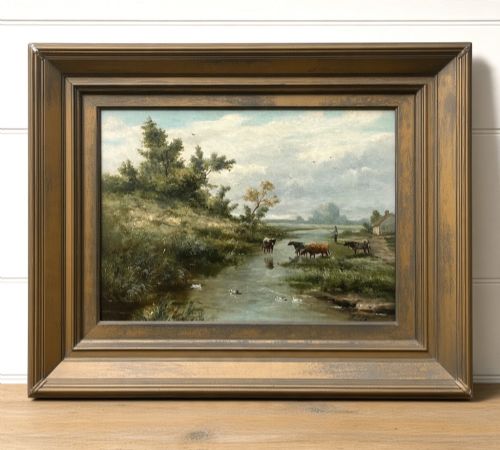
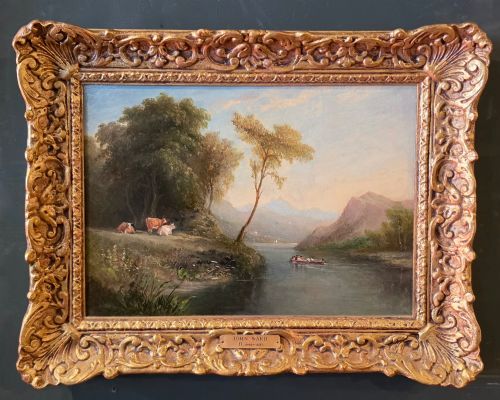
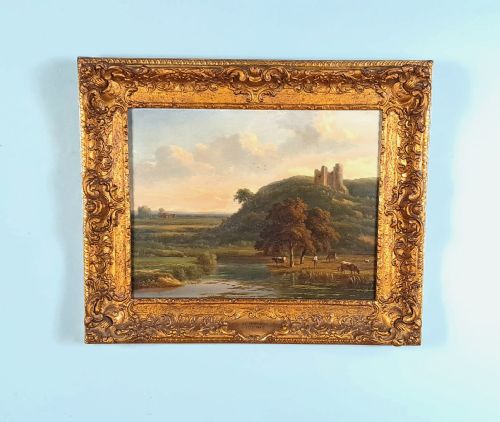
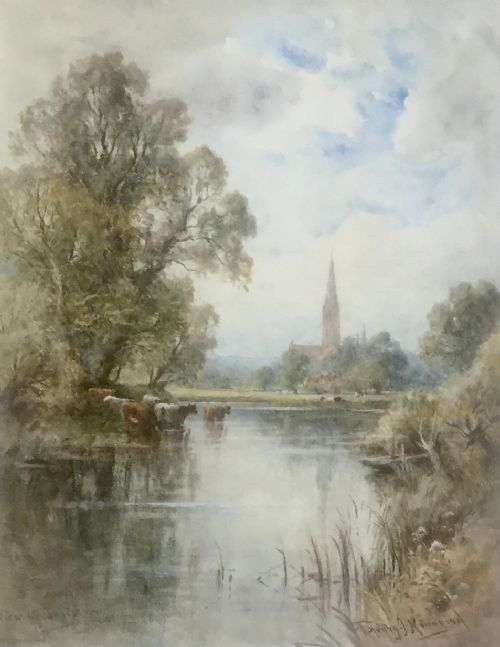
These pastoral cattle river scene works capture tranquil rural waterways alongside grazing herds, offering an enduring slice of nineteenth and early twentieth century countryside life.
Pastoral Cattle River Scene
A pastoral cattle river scene typically depicts cows or calves gathered near waterways, captured through oil on canvas or delicate watercolours. These compositions reflect the traditional countryside focus popular during the nineteenth and early twentieth centuries.
Buyers will encounter various stylistic interpretations on this page, ranging from Victorian realism and British landscape traditions to nineteenth century Dutch school influences and Edwardian works. Each piece portrays rural tranquillity through rivers, streams, and grazing livestock.
The physical form is primarily framed painting, utilising wood, gesso, and glass to preserve the paper or canvas surfaces. These artworks document historical rural vistas created by named artists and regional painters.
Materials and construction methods
Artists painted pastoral cattle river scene works using oil on canvas, oil on board, and watercolour on paper. These mediums allowed painters to render light upon water and the texture of cattle hides with precision.
Frames commonly combine wood and gesso, often finished in giltwood to complement the tonal range of the landscape paintings. Glass frequently protects works executed on paper.
The structural support relies on canvas stretched over wooden frames or rigid boards, ensuring the longevity of these historical artworks.
Pastoral Cattle River Scene Retail Price Guide 2026
Typical asking prices for pastoral cattle river scene among the pieces listed under this phrase on Sellingantiques today, from the lower quarter to the upper quarter. They describe what is for sale here now, not the wider market.
Listings feature 19th Century, 1900, and 1920 periods, utilising oil on canvas, watercolour, and giltwood materials.
Judging quality in these artworks
Quality rests upon the artist's ability to handle light, atmospheric perspective, and the anatomical realism of the cattle. Superior works demonstrate accomplished brushwork that brings movement to the water and texture to the landscape.
The preservation of the original canvas, paper, and frame contributes significantly to the integrity of the piece. Clear provenance and discernible signatures further distinguish finer examples within this genre.
T C Hofland·Robert Thorne Waite·Alfred Grey·Thomas Baker·Claude Cardon·Henry Cheadle·William Sidney Cooper·Thomas Pyne·Henry J Kinnaird·Thomas Sidney Cooper·Owen Bowen
The Pastoral Cattle River Scene Glossary
- Oil on Canvas
- Pigment suspended in drying oil applied to a woven fabric support. This traditional medium allowed artists to build rich textures and deep colour palettes.
- Gesso
- A plaster-like mixture applied to wood frames to create a smooth surface for gilding. It provides ornate detailing around the perimeter of the painting.
- Watercolour Painting
- Pigments suspended in a water-soluble vehicle applied to paper. This technique creates luminous, translucent washes of colour ideal for capturing river light.
- Giltwood
- Wood carved and coated with gold leaf or a gold-coloured metallic finish. It frames many traditional landscape paintings from the nineteenth century.
- Victorian Realism
- An artistic approach focusing on unidealised, accurate depictions of everyday subjects. In these works, it manifests as lifelike portrayals of cattle and rural environments.
Pastoral Cattle River Scene: Frequently Asked Questions
What periods do these paintings come from?
The works span the nineteenth and early twentieth centuries, encompassing Victorian, Edwardian, and Regency eras. Artists active during these periods recorded evolving rural landscapes.
Dates range from the early nineteenth century through to the 1920s, reflecting changing regional British and Irish painting styles.
How should I display a pastoral river scene?
Hang these framed artworks away from direct sunlight and excessive moisture to protect the canvas or paper. Proper wall placement ensures the traditional giltwood frames remain stable.
Pairing the piece with traditional interior settings highlights the historical character of the landscape and livestock subject matter.
What is the difference between oil and watercolour versions?
Oil paintings utilise heavy pigments on canvas or board, offering rich textures and deeper colour saturation. They often present a more substantial physical presence on the wall.
Watercolours employ translucent pigments on paper, protected beneath glass, yielding a lighter and more luminous atmospheric effect.
Are these paintings signed by the artists?
Many examples feature artist signatures, ranging from clear inscriptions to indistinctly signed works. Attributions often link pieces to known nineteenth century painters.
Signatures help verify the origin and period authenticity of the landscape composition.