



Pastoral Cattle Painting
When you search for pastoral cattle painting, you encounter traditional countryside scenes dominated by herds, bulls, and cows within 19th-century and early 20th-century landscapes.
Pastoral Cattle Painting
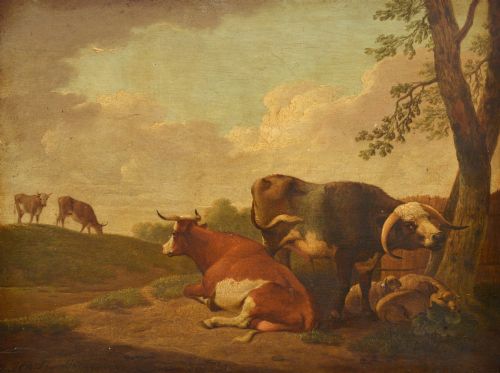
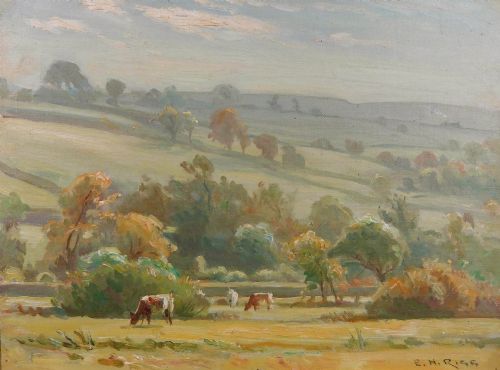
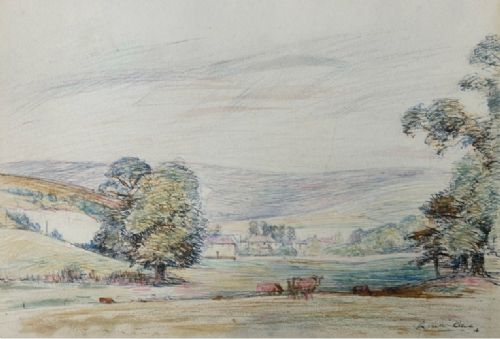
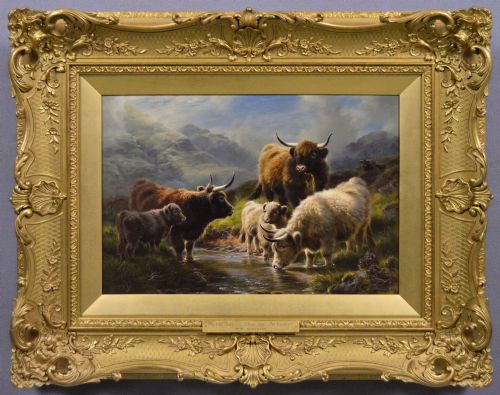
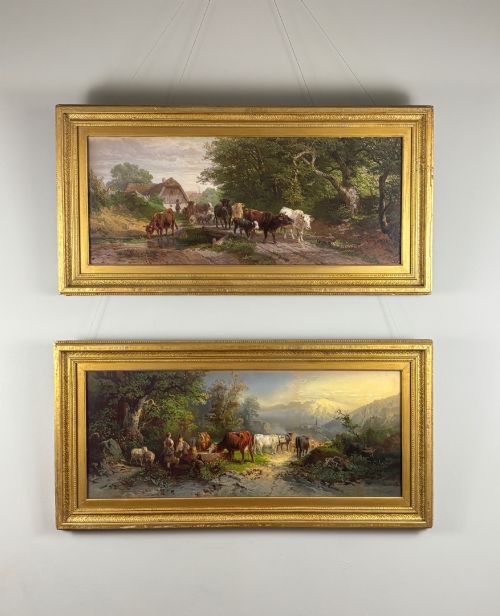
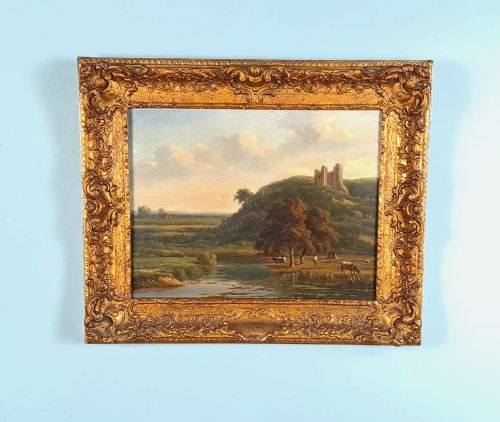
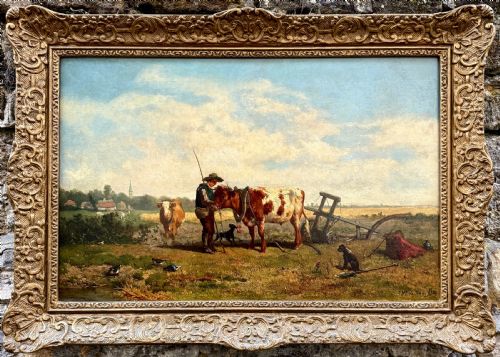
A pastoral cattle painting depicts rural scenes featuring cows, bulls, or calves integrated into British, Dutch, and European landscapes. These artworks document agricultural life, riverbanks, and woodland settings from the eighteenth, nineteenth, and early twentieth centuries.
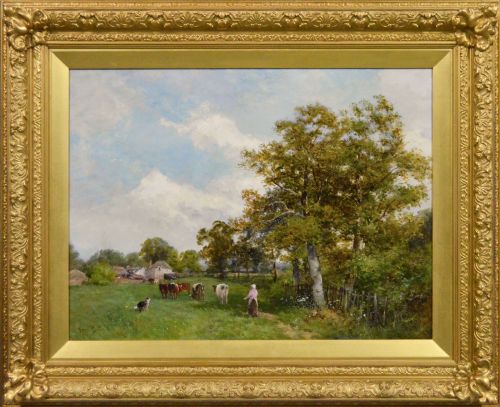
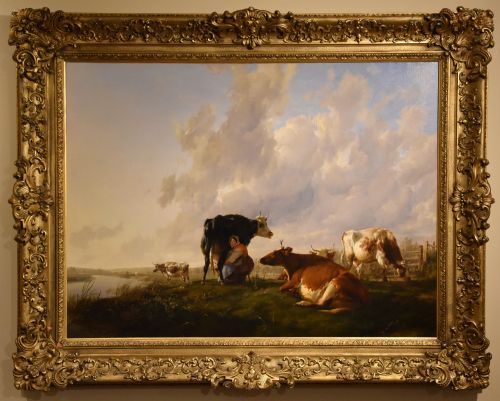
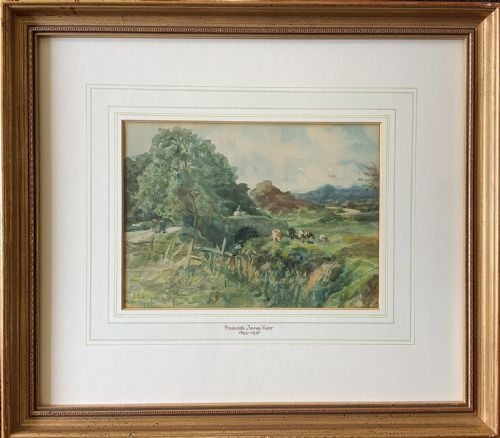
The pieces on this page appear primarily as oil paintings on canvas or board, alongside watercolours on paper. Artists from the Victorian, Edwardian, and earlier periods captured these animals at rest by streams or being herded by milkmaids and farmhands.
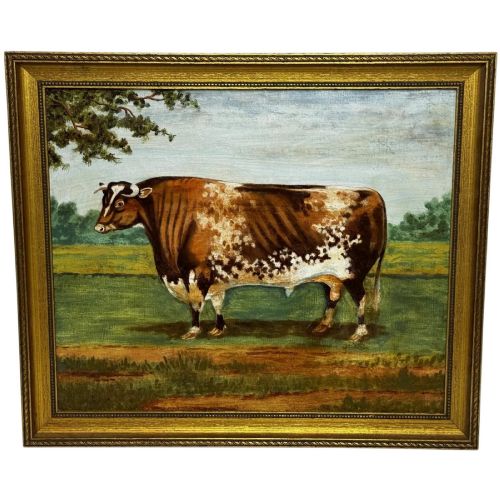
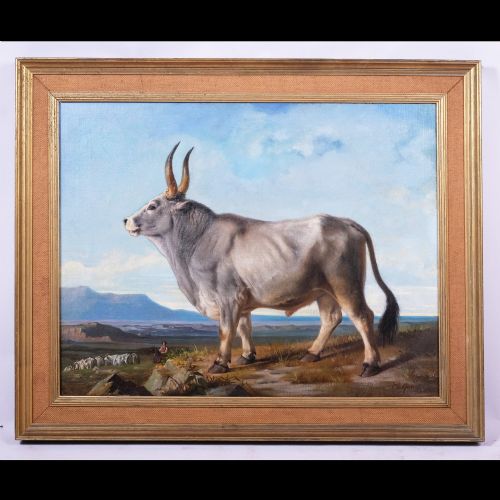
Representations range from detailed portraits of prized shorthorn bulls to sweeping river landscapes with cattle grazing in the distance. Buyers frequently encounter framed works signed by named artists alongside traditional school pieces from the British and continental traditions.
How they were made
Painters utilised oil paint on stretched canvas, wood panels, or milk glass, building up rich textures with brushes and sometimes palette knives. Watercolours on paper offer a lighter, more transparent medium frequently protected beneath glass in original frames.
Frames play a structural role in presenting these works, utilising giltwood, gesso, and carved wooden mouldings to complement the painted pastoral scene. Ground pigments mixed with linseed oil provided the durable medium for the nineteenth-century canvas works.
Prized shorthorn bulls commanded serious artistic attention, often posed with the quiet dignity of visiting royalty.
What varies in quality
Anatomical precision in rendering the cattle separates standard decorative works from accomplished animal portraits by established painters. Artists who understood the muscle structure and posture of shorthorns or highland cattle produced more convincing figures within the landscape.
The integration of the animals into the surrounding light and atmosphere dictates the visual success of the composition. Skilled handling of the British or European countryside, skies, and river reflections elevates a canvas beyond a simple farmyard record.
William H Myers·Hendrik Willem Schweickhardt·David Bates·Thomas Sidney Cooper·Ernest Higgins Rigg·Frederick James Kerr·Russell Sidney Reeves·William Watson Jnr·Johann Friedrich Voltz·T C Hofland·Johannes de Haas·A M Gauci·Oswald Garside·Frederick Septimus Lewis·Ernest Pile Bucknall·Samuel Joseph Clark·William Sydney Cooper·Thomas Hunn·George Vicat Cole·Andre de Moller·Sidney Richard Percy·Frederick James Knowles·Robert Thorne Waite·Heinrich Harder·James de Rijk
The Pastoral Cattle Painting Glossary
- Oil on Canvas
- A traditional painting medium where coloured pigments suspended in oil are applied to a woven fabric support stretched across a wooden frame. This combination allowed artists to create rich tones and durable surfaces.
- Giltwood
- Wood that has been coated with a thin layer of gold leaf or gold paint, frequently used for ornate antique picture frames. It provides a bright, reflective border to dark pastoral landscapes.
- Gesso
- A white paint mixture consisting of a binder mixed with chalk, gypsum, or pigment, used as a base coat on wooden panels or frame mouldings. It creates a smooth surface for subsequent gilding or painting.
- Watercolour
- A painting method in which the paints are made of pigments suspended in a water-based solution, typically executed on paper. This technique yields translucent washes of colour well suited to atmospheric rural views.
Pastoral Cattle Painting: Frequently Asked Questions
What subjects do pastoral cattle paintings show?
These artworks depict cows, bulls, and calves situated within rural landscapes, river valleys, and farmyards. Figures such as milkmaids, shepherds, and drovers often accompany the animals.
The compositions range from intimate studies of livestock resting by a stream to wide vistas of agricultural land in Britain and Europe.
How do I date a pastoral cattle painting?
Dating relies on stylistic clues, clothing styles of any figures present, framing materials, and artist signatures. Canvas stamps, stretcher construction, and inscriptions on the reverse also offer chronological evidence.
Nineteenth-century works often feature distinct Victorian framing and realism, while earlier pieces reflect Dutch or eighteenth-century painting traditions.
Were these paintings made in watercolours or oils?
Both mediums appear frequently in this category. Oil paintings on canvas or wood panel provide deep, rich tones and substantial texture.
Watercolour paintings on paper offer a more delicate appearance and are typically displayed under glass within their original frames.
How should I hang an antique cattle painting?
Select a wall away from direct sunlight and excessive humidity to protect the canvas, paper, and giltwood frame. Proper wall fixings should match the substantial weight of framed oil paintings.
Pairing these rural scenes with traditional interiors allows the warm earthy tones of the landscape to complement the room.