






Pastoral Animal Landscape Art
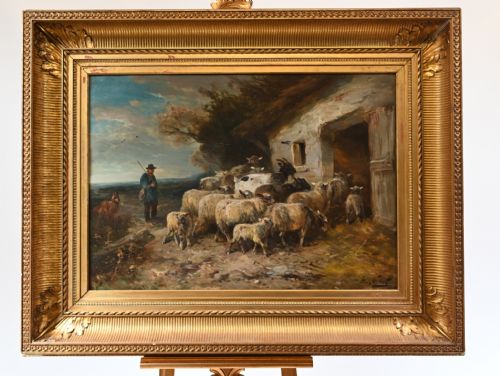
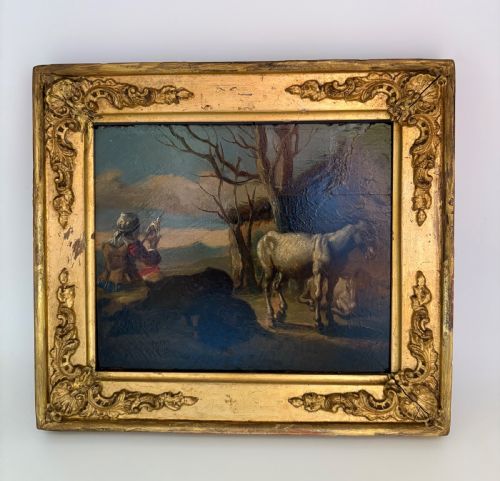
Pastoral animal landscape art captures rural scenes filled with cattle, sheep, and dogs, offering a window into traditional countryside life.
Pastoral Animal Landscape Art
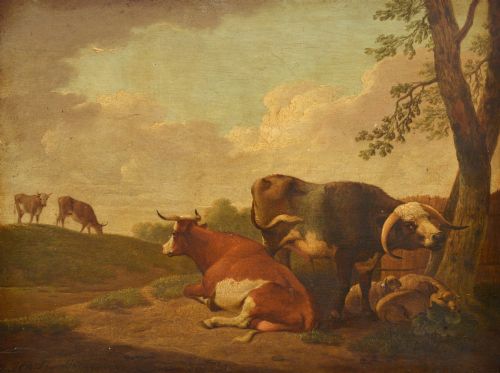
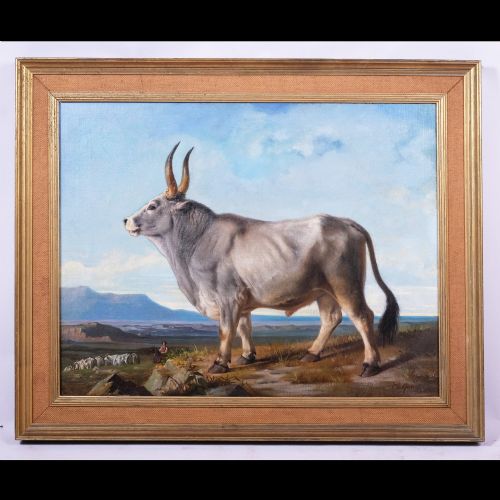
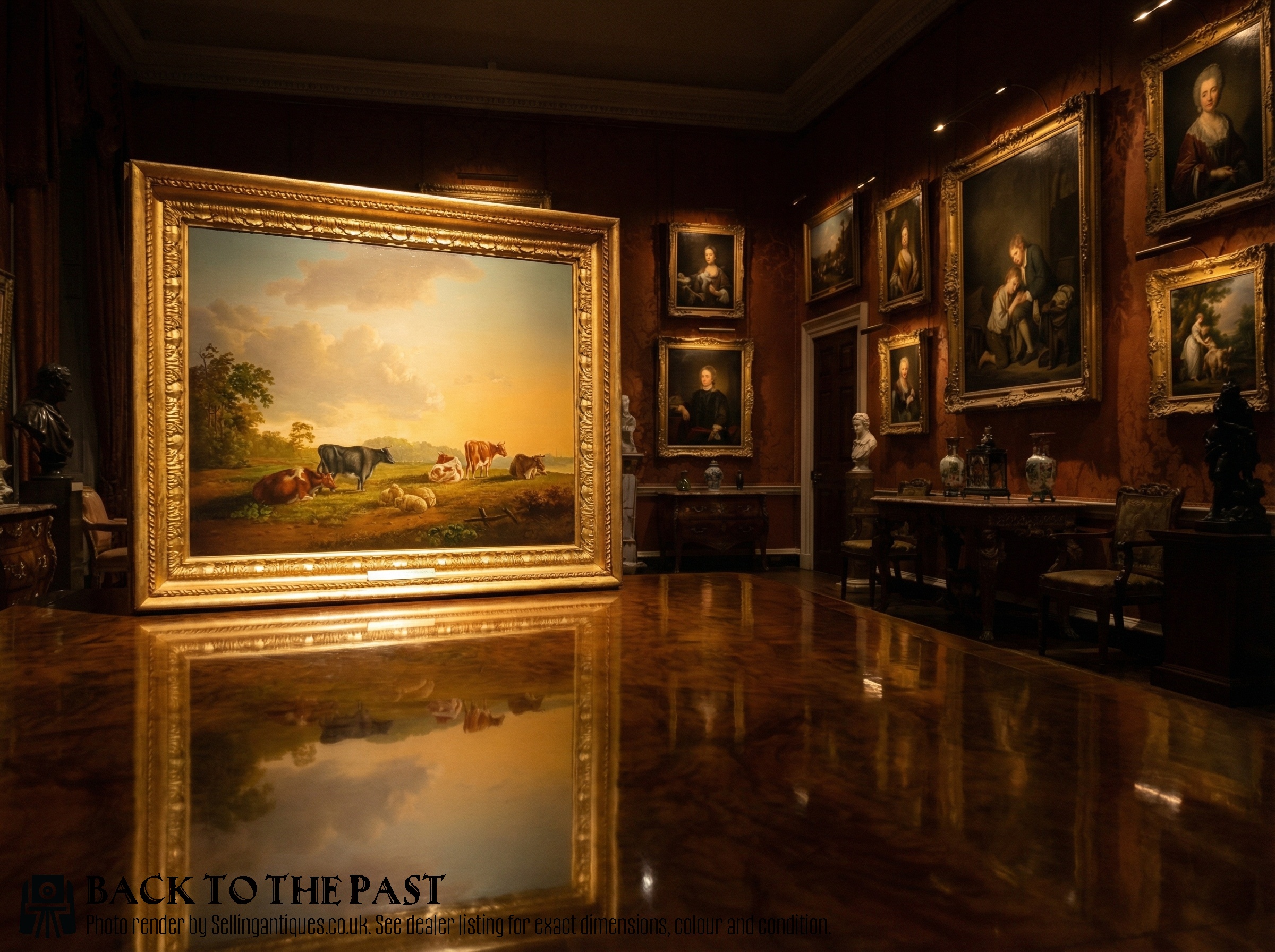
Pastoral animal landscape art brings together rural scenery and farm animals, focusing particularly on cattle, sheep, horses, and dogs set within expansive fields, riversides, or highlands. Buyers seek these works to capture a sense of rustic calm and traditional agricultural life on canvas.
The pieces available span from the eighteenth century through to the early twentieth century, with a strong concentration of Victorian works. You will encounter framed oil paintings on canvas and oak panel, alongside occasional watercolours depicting shepherds, herdsmen, and farmyard animals.
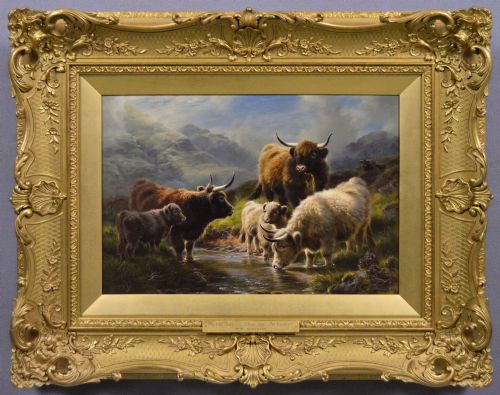
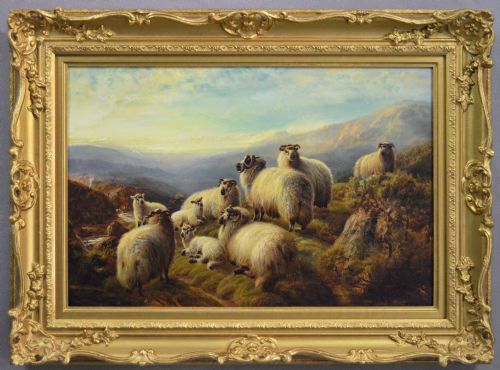
British, Dutch, and Belgian artists dominate this selection, ranging from named masters to provincial naive painters. Landscapes vary from Scottish highlands and Kentish marshes to idealized pastoral settings populated by prized livestock.
How They Were Made
These works rely primarily on oil paint applied to stretched canvas or prepared wood panels, building up texture and depth in both the animals and the surrounding terrain. Watercolours on paper also appear, offering lighter, more immediate atmospheric effects.
Frames play an integral role in the presentation, utilising giltwood and gesso with applied gold leaf to finish the piece. Carpenters and framers constructed these heavy surrounds to complement the naturalistic tones of the pastoral scenes within.
Several paintings include watchful collies keeping strict order over distracted sheep.
What Varies in Quality
Anatomy and realism separate standard decorative works from master-level compositions, as skilled painters render the precise musculature of cattle and the detailed fleece of sheep with anatomical accuracy. The handling of light across the landscape and the integration of the animals into their natural environment dictate the overall impact of the painting.
The prestige of the artist and the depth of provenance elevate certain pieces above anonymous school works. Additionally, the preservation of the original giltwood and gesso frame contributes significantly to the integrity and desirability of the antique.
Eugène Verboeckhoven·Hendrik Willem Schweickhardt·William Watson Jnr·Robert Watson·Henry Schouten·John Emms·Margaret Maitland Howard·William Henry Mander·Thomas Sidney Cooper·Franz van Severdonck·Philipp Peter Roos·Samuel Joseph Clark·James de Rijk·Pierre Emmanuel Dielmans·Basil Bradley·Claude Cardon·John W Morris·GW Horlor·Henry Brittan Willis·J L VAN Leemputten·Henry Cheadle·William Sidney Cooper·George Smith·William Huggins
The Pastoral Animal Landscape Art Glossary
- Oil on Canvas
- A traditional painting medium where pigments suspended in drying oils are applied to woven canvas stretched over a wooden frame. This combination allows for rich blending and deep colour saturation.
- Giltwood
- Wood that has been coated with a thin layer of gold leaf or metallic powder, frequently used for ornate antique picture frames. It adds a warm, reflective border to dark pastoral scenes.
- Gesso
- A paint mixture consisting of a binder mixed with chalk, gypsum, or pigment, applied to wood panels or frames to prepare a smooth surface for gilding or painting. It provides a durable base that holds fine decorative details.
- Oak Panel
- A rigid support surface made from timber used by artists before canvas became dominant, offering a stable base that often survives centuries with minimal warping.
- Naive School
- A classification for art created by self-taught painters who lack formal academic training, characterised by a charming disregard for perspective and a direct, honest approach to subject matter.
Pastoral Animal Landscape Art: Frequently Asked Questions
What subjects appear in pastoral animal art?
These works focus primarily on domesticated farm animals, including cattle, sheep, horses, and farm dogs, placed within rural landscapes. Shepherds, herdsmen, and agricultural workers also feature frequently alongside their livestock.
The settings range from quiet riverbanks and coastal cliffs to rugged highland valleys and pastoral fields. Artists used these subjects to celebrate rural productivity and the quiet harmony of country life.
How do I identify the period of a painting?
Dating relies heavily on stylistic clues, clothing worn by any figures present, and the framing techniques used. Victorian works often show a strong focus on realism and naturalism, while eighteenth-century pieces lean towards romanticized classical landscapes.
Signatures, artist plaques, and exhibition labels on the reverse provide definitive evidence of age. Examining the canvas weave and the preparation of the wood panel also helps narrow down the decade of creation.
Where were these paintings displayed originally?
Wealthy landowners, merchants, and farmers originally hung these canvases in country houses, drawing rooms, and estate libraries. Large-scale oil paintings served as status symbols celebrating prized livestock and agricultural prosperity.
Smaller watercolours and cabinet paintings suited more intimate parlour settings or private studies. Today, they translate easily into both traditional country interiors and modern spaces seeking warmth and historical character.
How should I care for an antique oil painting?
Keep paintings away from direct sunlight, high humidity, and extreme temperature fluctuations to prevent the canvas from sagging and the oil paint from cracking. Gentle dusting with a soft, dry brush is sufficient for routine maintenance.
Avoid using water or chemical cleaners on the canvas or the giltwood frame. If conservation work or cleaning becomes necessary, consult a professional art restorer rather than attempting repairs at home.