



Pastel Wool Carpet
A pastel wool carpet brings a gentle, faded palette of soft tones to a room through traditional woven floor coverings.
Pastel Wool Carpet
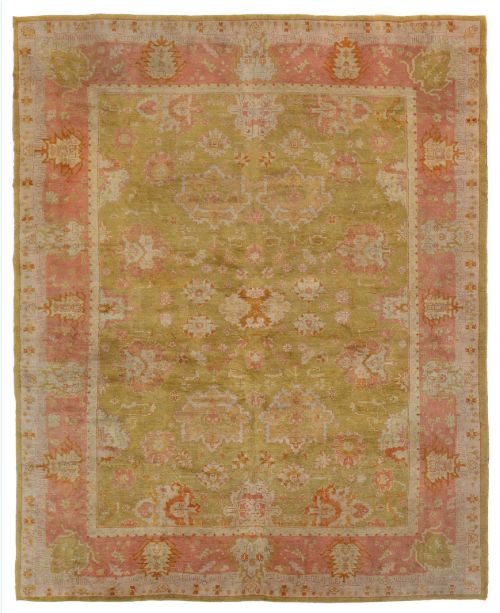
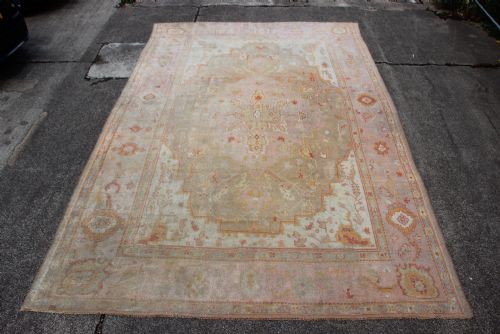
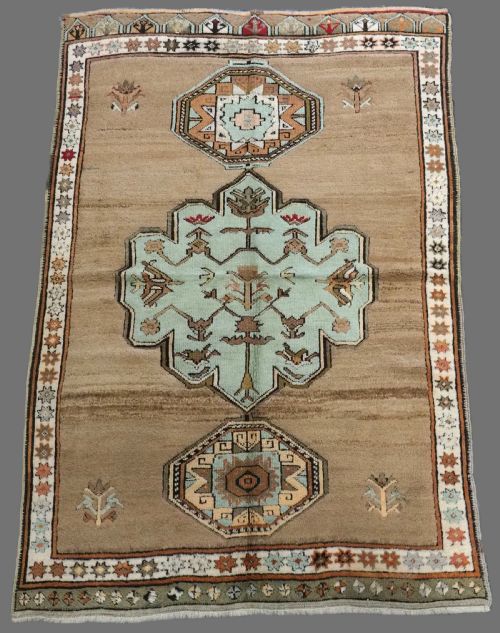
A pastel wool carpet is a woven textile floor covering typically rendered in soft colours, pinks, pistachio and aquamarine, sourced from historical weaving centres such as Anatolia, Persia and Europe. You will encounter large carpets alongside smaller area rugs, prayer rugs and flat-woven kilims spanning the nineteenth and twentieth centuries.
Most examples originate from Turkish workshops, alongside Portuguese needlepoint and French tapestries. The common thread uniting these diverse origins is the dominance of wool construction paired with a muted, gentle colourway.
Materials and construction
Wool serves as the primary material for the pile and foundation of these textiles, occasionally supplemented by cotton structures or camel wool fields. Artisans knotted or wove these natural fibres by hand on vertical and horizontal looms.
Certain European pieces utilise needlepoint or flat tapestry weaving techniques rather than a knotted pile. Natural dye methods allowed the wool fibres to soften in tone over generations of light and wear.
Pastel Wool Carpet Retail Price Guide 2026
Typical asking prices for pastel wool carpet among the pieces listed under this phrase on Sellingantiques today, from the lower quarter to the upper quarter. They describe what is for sale here now, not the wider market.
Variations in quality and execution
Quality rests in the fineness of the weave, the clarity of the classic medallion or repeat designs, and the integrity of the wool foundation. Finer knot densities and balanced proportions distinguish the finer regional outputs from standard utility weaving.
The preservation of the soft colour palette and the evenness of pile wear across large surface areas dictate the standing of individual carpets. Strong structural survival without excessive restoration marks the superior examples.
Benlian
The Pastel Wool Carpet Glossary
- Medallion
- A central ornamental motif dominating the field of a carpet. It forms the geometric focal point for surrounding floral or abstract patterns.
- Kilim
- A flat-woven carpet or rug produced without a pile. These pieces rely on interlocking warp and weft threads to create geometric patterns.
- Prayer rug
- A small rug featuring a mihrab or niche design used historically for daily prayers. The niche points toward Mecca during use.
- Pile
- The upright loops or cut strands of wool that form the soft surface of a carpet. Pile height varies depending on the regional weaving tradition.
- Warp
- The stationary vertical threads stretched onto a loom before weaving begins. Weft threads pass horizontally through these structural elements.
Pastel Wool Carpet: Frequently Asked Questions
How do I clean a pastel wool carpet?
Vacuum gently without a rotating brush roll to protect the wool pile and avoid fringe damage.
Engage a professional specialist experienced in antique textiles for deeper cleaning rather than using home chemical treatments.
Can I place these rugs in high traffic areas?
Wool provides natural resilience and durability for everyday use in living spaces and bedrooms.
Consider placing a quality underlay beneath the carpet to reduce friction and movement on hard floors.
What causes the soft colours in these carpets?
Natural dyes mellow gradually over decades of exposure to light and gentle washing.
Certain regional weavers utilised camel wool or specific dye mixtures that naturally yielded muted pistachio and pink tones.
How do I identify an Oushak carpet?
Oushak carpets typically feature looser, larger knots and characteristic floral medallion designs in pale pastel hues.
The wool often feels softer and more pliable compared to tighter Persian counterparts.