


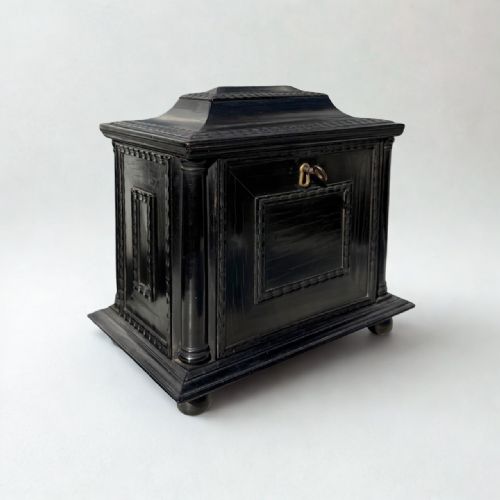


Parquetry Keepsake Box
These parquetry keepsake box examples combine precise geometric woodwork with practical storage, offering timeless surface patterns that collectors prize.
Parquetry Keepsake Box
A parquetry keepsake box brings together geometric wood-veneered surfaces and practical lidded compartments, forming pieces designed to hold letters, trinkets, and small valuables. When exploring parquetry keepsake box options, buyers frequently encounter Victorian examples alongside earlier 17th-century and 18th-century interpretations.
The objects listed range from tea caddies and games boxes to dedicated jewellery boxes and table caskets. Most pieces on this page lean heavily towards Victorian walnut and Tunbridge ware productions, showcasing inlaid decoration and contrasting timber veneers.
Makers utilised native woods alongside exotic timbers to construct these lidded containers, resulting in durable vessels with varied internal layouts. The tradition spans from William & Mary periods through to Art Deco designs, ensuring diverse aesthetic choices for modern interiors.
Materials and construction methods
Craftsmen applied thin veneers of walnut, rosewood, burr walnut, ebony, and olive wood onto solid timber carcasses to create intricate geometric surfaces. Contrasting elements of boxwood and brass were frequently integrated to accentuate the multi-toned patterns of the parquetry.
Specialised workshops employed precise cutting techniques to assemble tiny wooden tesserae, a method seen prominently in Tunbridge ware productions. The resulting panels were smoothed and polished to highlight the natural grain and colour variations of the constituent woods.
The listings span from the 17th century through to the Art Deco period, showcasing walnut, rosewood, ebony, and brass.
Distinguishing quality in parquetry
Quality rests upon the complexity of the geometric layout and the precision of the timber joints. Pieces featuring tight, flush veneer work with minimal gaps demonstrate superior craftsmanship.
The choice of materials also dictates the standing of a piece, with figured timbers like burr walnut and dense hardwoods such as ebony elevating the execution. Original interior fittings and functional brass locks further separate standard containers from finer examples.
Henry Hollamby
The Parquetry Keepsake Box Glossary
- Parquetry
- A mosaic of wood veneer geometric patterns applied to a structure. This technique creates decorative surfaces using contrasting timber tones.
- Tunbridge Ware
- A specialised form of British woodwork originating in Kent. It uses thousands of tiny wood blocks to form pictorial or geometric mosaics.
- Caddy
- A small box or chest historically used for storing tea. Many surviving examples have since been repurposed as general keepsake containers.
- Veneer
- A thin slice of decorative timber applied to a secondary wood base. This allows makers to display rich grain patterns without using solid luxury stock.
- Casket
- A small ornamental box intended for holding valuables or documents. These pieces often feature hinged lids and secure locking mechanisms.
Parquetry Keepsake Box: Frequently Asked Questions
What were parquetry boxes used for originally?
These boxes served as secure receptacles for holding precious letters, jewellery, and consumables like tea leaves. Their compartmentalised interiors kept delicate items organised and protected from dust.
Over time, many of these containers transitioned from functional utility objects into purely decorative desk accessories and display pieces within domestic settings.
How do I care for a wooden box?
Keep wooden boxes away from direct sunlight and steady heat sources to prevent the veneers from drying out and lifting. Gentle dusting with a dry, soft cloth is usually sufficient for maintenance.
Avoid using modern chemical polishes or excessive moisture on antique timber surfaces. Occasional application of a suitable wax helps preserve the finish.
How can I tell a Victorian box from earlier pieces?
Victorian examples often display characteristic burr walnut veneers, elaborate Tunbridge ware mosaics, or machine-cut elements typical of nineteenth-century production. They frequently feature softer secondary timbers inside.
Earlier seventeenth and eighteenth-century pieces tend to utilise simpler, heavier construction methods with native woods, olive wood, or ebony, reflecting the prevailing joinery standards of those eras.
Are the interiors usually original?
Many boxes retain their original paper linings, velvet inserts, or compartmentalised wooden trays designed for specific storage tasks. Original fittings add significantly to the character and authenticity of the piece.
Some containers have undergone interior restoration or lining replacement over the centuries due to wear from stored items like jewellery or stationery.