


Parquetry Inlaid Cabinet
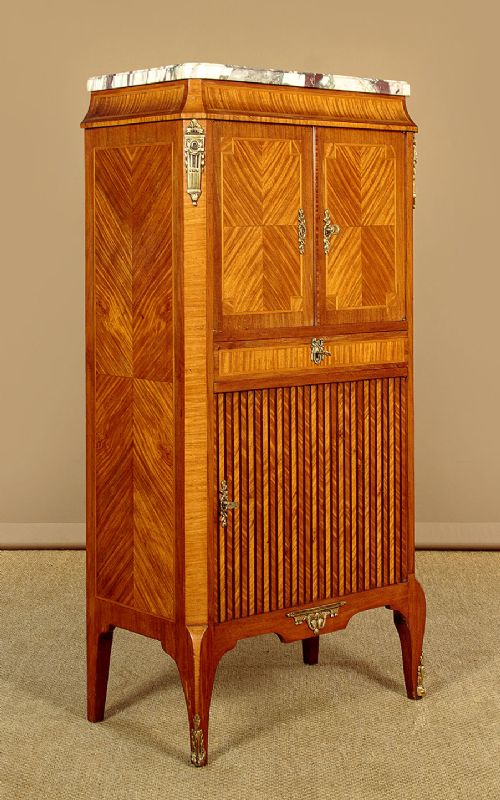
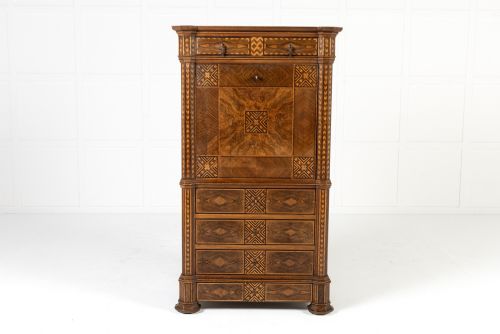
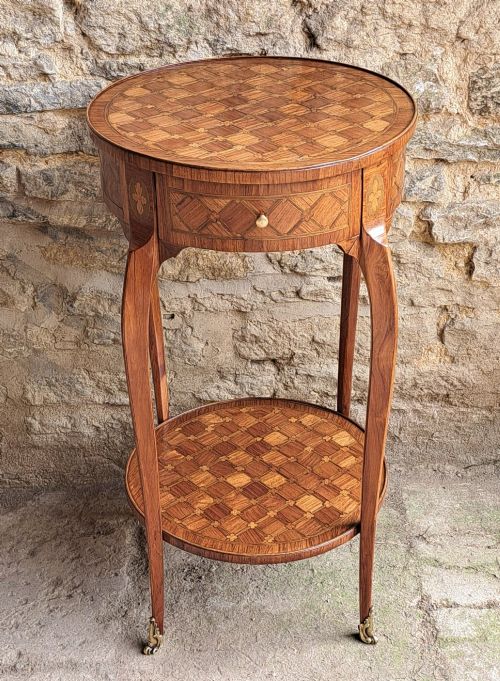
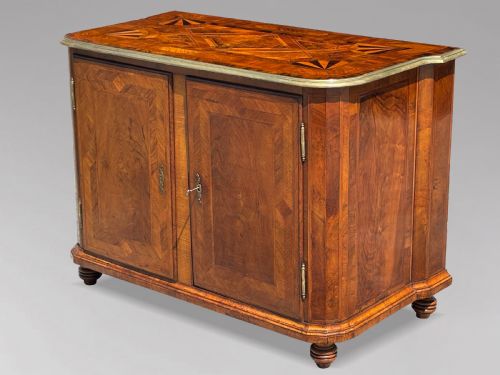
A parquetry inlaid cabinet brings geometric wood veneers and continental form into a room.
Parquetry Inlaid Cabinet
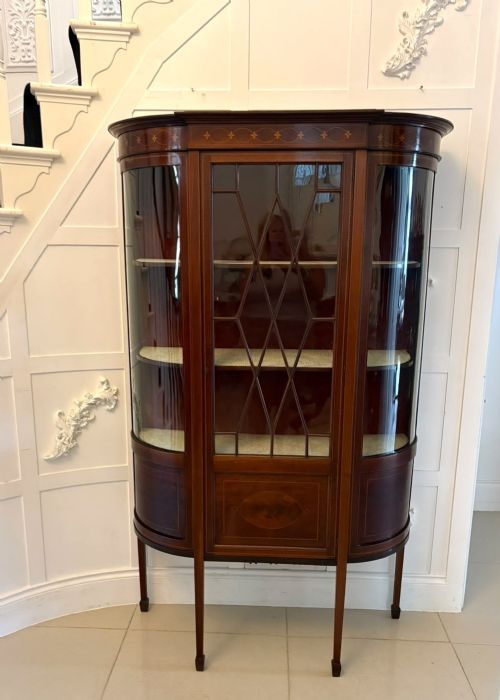
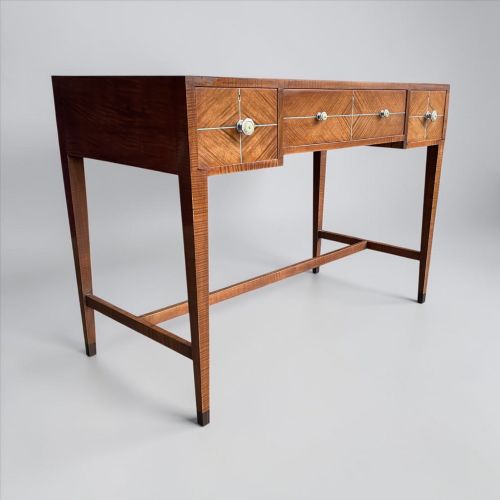
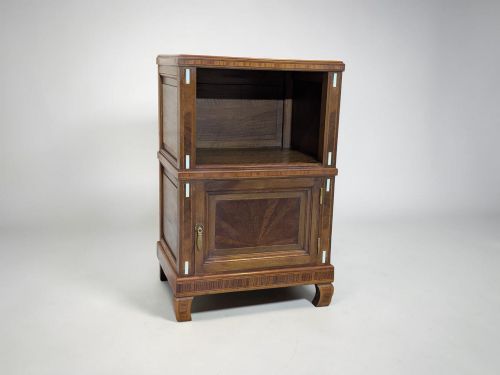
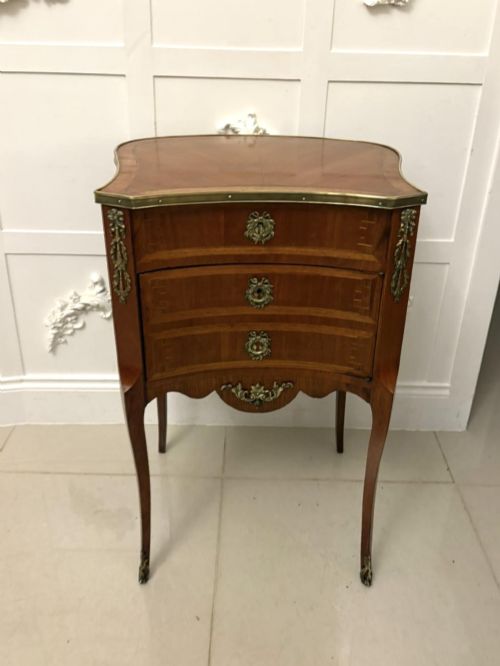
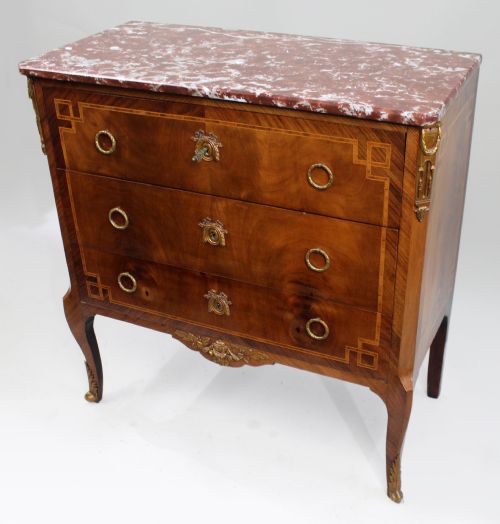
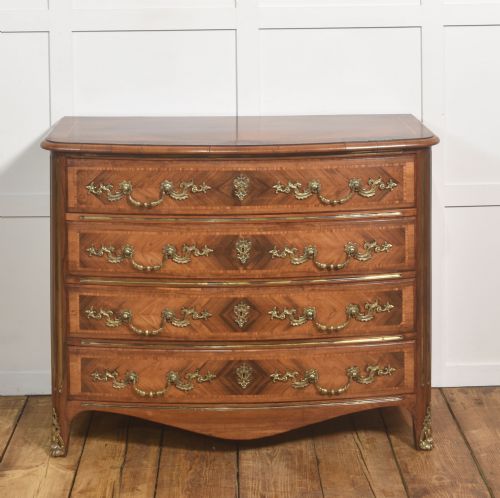
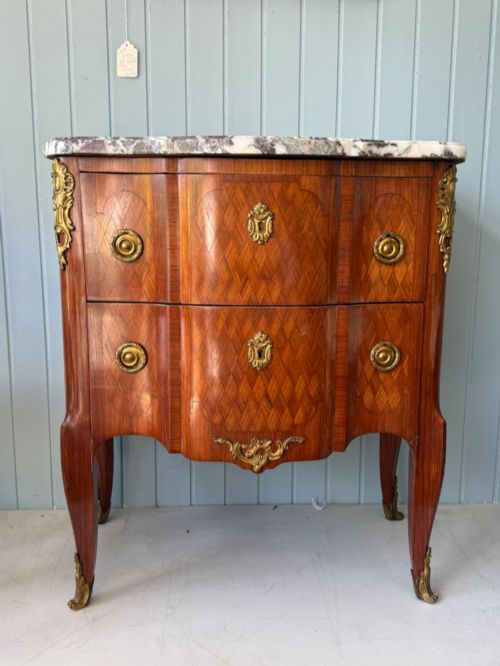
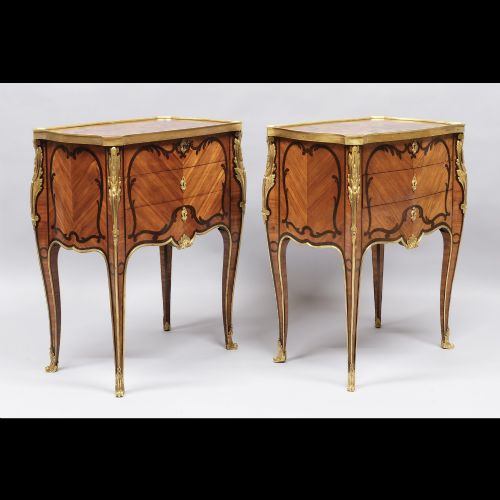
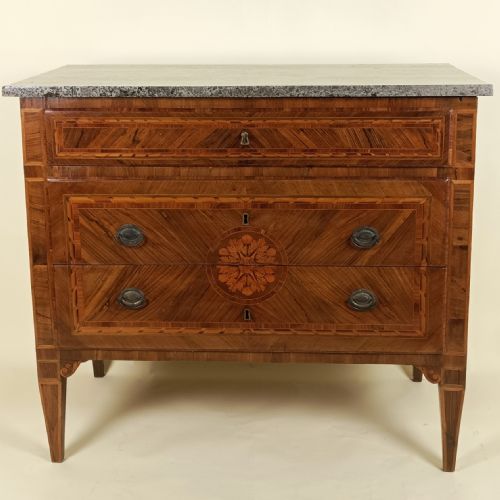
When you examine a parquetry inlaid cabinet, you encounter forms such as commodes, side cabinets, and bedside tables originating primarily from French and Italian workshops. The pieces span periods from the eighteenth century through the nineteenth century and into the early twentieth century, encompassing revival styles like Louis XV and Louis XVI.
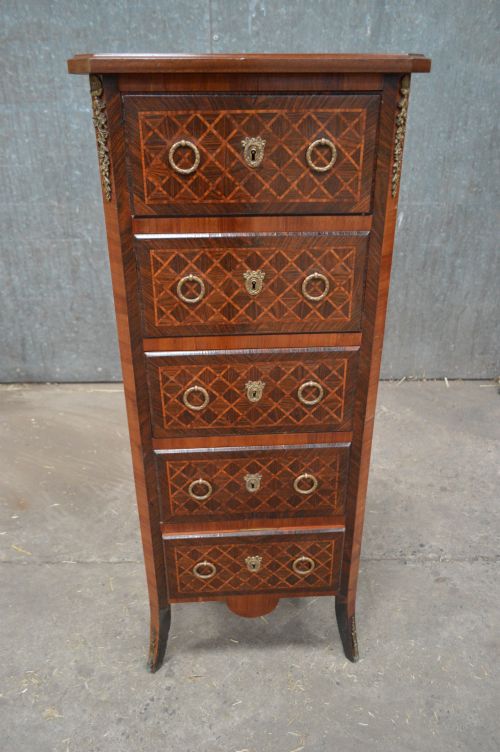
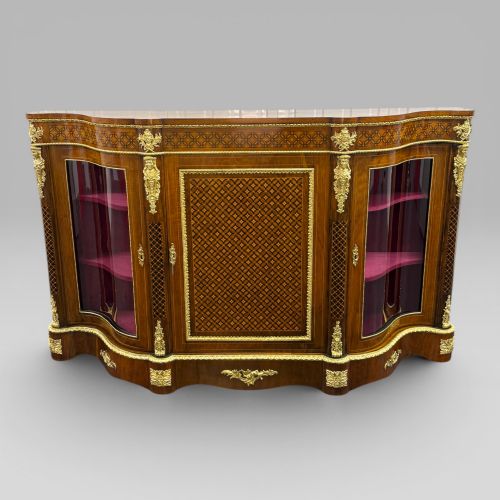
You will most frequently meet bedside cabinets, side cabinets, and commodes on this page. These items range from compact tables to larger storage pieces, often combining geometric veneer patterns with surfaces of marble or mounted ormolu.
Materials and construction
Cabinet makers utilised foundational timbers such as walnut, cherrywood, and mahogany, applying decorative veneers of kingwood, rosewood, satinwood, and tulipwood to exterior surfaces. These timbers were cut into precise geometric tiles to form the characteristic parquetry patterns across doors, tops, and drawer fronts.
Mounts of cast brass and ormolu were frequently added to protect corners and frame the woodwork, while rouge and white marble slabs provided durable tops on commodes and side cabinets.
Parquetry Inlaid Cabinet Retail Price Guide 2026
Typical asking prices for parquetry inlaid cabinet among the pieces listed under this phrase on Sellingantiques today, from the lower quarter to the upper quarter. They describe what is for sale here now, not the wider market.
Several bedside tables include secret compartments, offering hidden storage spaces tucked behind ordinary-looking panels.
What separates the best from the rest
The precision of the veneer work dictates the standing of a parquetry inlaid cabinet. Closely fitted geometric joints and varied timber grains demonstrate superior execution compared to simpler surface decoration.
The weight and crispness of the ormolu mounts, together with the thickness and polish of the marble top, distinguish standard production pieces from finer workshop examples.
Maison Gagneau·Sormani
The Parquetry Inlaid Cabinet Glossary
- Parquetry
- A geometric mosaic of wood veneers used to cover floors or furniture surfaces. The small wooden tiles form repeating patterns like cubes or chequers.
- Ormolu
- Gilt bronze mounts applied to furniture edges, feet, and corners. This technique adds metallic highlights to the wooden carcase.
- Commode
- A low chest of drawers or cabinet with legs, developed in France during the seventeenth century. It serves as both storage and a display surface.
- Marquetry
- The art of applying pieces of veneer to a structure to form decorative pictures or scrollwork designs. It differs from parquetry through its pictorial rather than geometric nature.
- Serpentine
- A curved furniture front or top that undulates inward and outward in a continuous wave. This shape requires careful carpentry to fit the veneered top.
Parquetry Inlaid Cabinet: Frequently Asked Questions
What is a parquetry cabinet?
A parquetry cabinet is a storage piece decorated with geometric wood veneers arranged in patterns like cubes, lozenges, or squares. These pieces often feature contrasting timber colours to create an optical three-dimensional effect.
They appear as side cabinets, commodes, and bedside tables, primarily originating from continental European workshops across the eighteenth and nineteenth centuries.
How do I care for marble tops?
Marble tops on cabinets require regular dusting with a soft, dry cloth and immediate wiping of any liquid spills to prevent staining. Avoid using acidic cleaners or abrasive scourers, which etch and dull the polished stone surface.
Waxing the wooden carcase around the marble helps preserve the finish of the surrounding veneer without damaging the stone.
How do I distinguish styles?
Louis XV style cabinets display asymmetrical curves, cabriole legs, and rococo ormolu mounts. Louis XVI style pieces introduce neoclassical restraint, featuring straight tapered legs, geometric symmetry, and architectural mouldings.
Nineteenth-century revival pieces often combine elements from these earlier periods while incorporating contemporary construction methods.