





French Pedestal Cabinet
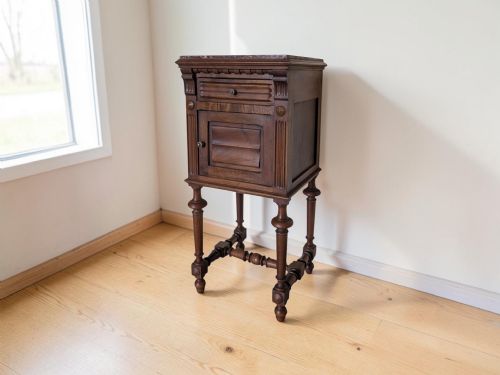
A french antique pedestal cabinet offers practical bedside or corner storage built with characteristic nineteenth century continental proportions and timber work.
French Pedestal Cabinet
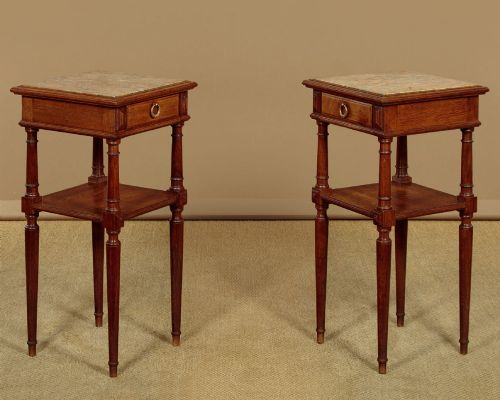
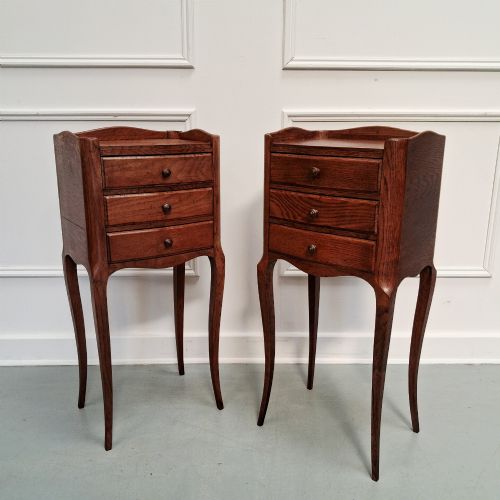
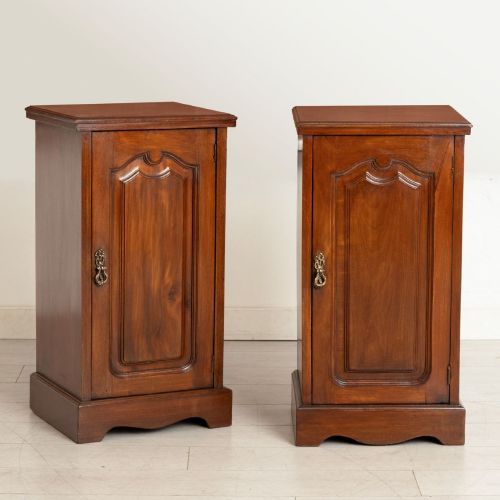
A french antique pedestal cabinet takes the form of a compact bedside cupboard, nightstand, or cylindrical side stand designed for domestic utility. These pieces originate primarily from the nineteenth century and the early decades of the twentieth century, reflecting various regional tastes from provincial workshops to grand chateaux.
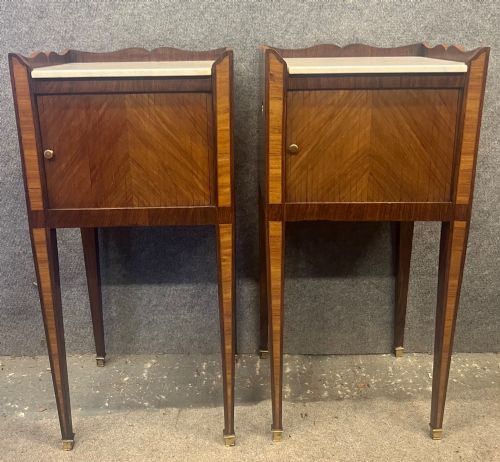
Buyers browsing this selection will most frequently encounter pairs or single bedside cabinets and side cupboards. The inventory spans styles such as French Empire, Louis XV, Louis XVI, and Neoclassical designs.
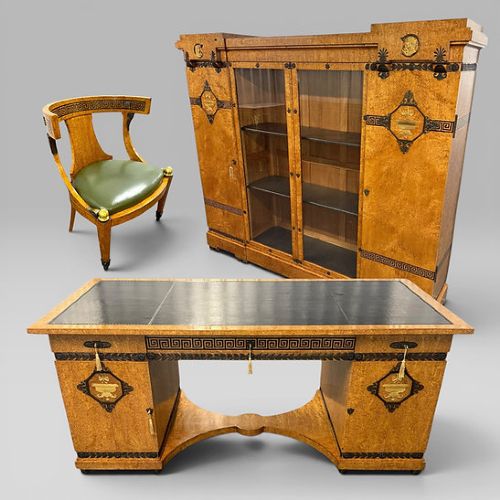
Alongside standard cupboards, the broader category includes occasional tables, desks, and cylindrical display cabinets. Walnut, mahogany, and kingwood form the structural backbone of these domestic storage pieces.
Materials and construction
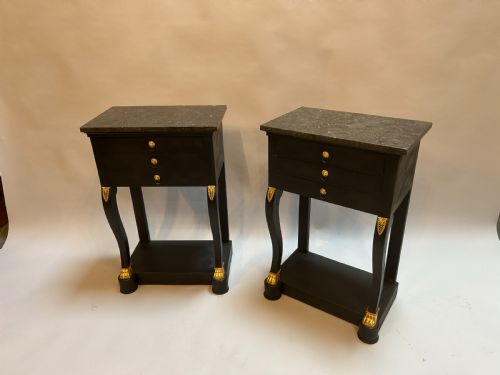
Cabinet makers built these pieces using solid foundational timbers like mahogany, walnut, and oak, frequently applying decorative veneers such as kingwood, burr, fruitwood, amboyna, and flame mahogany to visible surfaces. Many examples incorporate polished marble tops designed to provide a durable and water resistant surface for bedroom use.
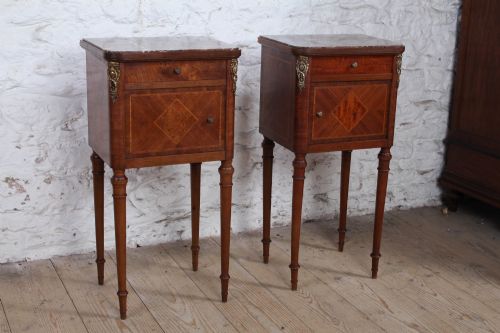
Ormolu, gilt metal, brass mounts, and silvered bronze embellish the structural frames, highlighting corners, door panels, and aprons in alignment with Empire and Neoclassical aesthetics. Specialised joinery techniques secure the cylindrical bodies, tambour doors, and fitted internal drawers characteristic of the period.
French Pedestal Cabinet Retail Price Guide 2026
Typical asking prices for french pedestal cabinet among the pieces listed under this phrase on Sellingantiques today, from the lower quarter to the upper quarter. They describe what is for sale here now, not the wider market.
Several bedside cabinets double as discreet pot cupboards, preserving nineteenth century domestic habits behind elegant mahogany doors.
Craftsmanship and distinction
Quality rests upon the selection and matching of veneers, the crispness of bronze or ormolu mounts, and the integration of fitted marble slabs. Superior examples display precise marquetry inlay, such as floral or geometric patterns, executed in exotic hardwoods.
The architectural integrity of the carcase and the smooth operation of internal drawers or tambour shutters separate standard utility pieces from workshop creations bearing refined decorative detailing.
Mercier Frères
The French Pedestal Cabinet Glossary
- Ormolu
- Gilded bronze mounts applied to furniture. This decorative technique adds metallic contrast and ornamental detail to mahogany and walnut carcases.
- Kingwood
- A dense Brazilian timber with rich brown and violet hues used extensively for veneers. Cabinet makers favoured it for contrasting geometric inlay on high end pieces.
- Tambour
- Flexible strips of timber glued to a canvas backing to form sliding doors. This construction allows curved bedside cabinets to open smoothly without projecting doors.
- Cylindrical
- Built with a circular cross section rather than a rectangular box shape. These round pedestal cabinets often feature fitted marble tops.
French Pedestal Cabinet: Frequently Asked Questions
What is a french antique pedestal cabinet used for?
These cabinets function primarily as bedside storage, holding lamps, books, and small personal items within enclosed cupboards or drawers. Their compact proportions also suit use as corner tables or side stands in living spaces.
Historically, many served as nightstands or pot cupboards, combining decorative presence with hidden storage in nineteenth century bedrooms.
How do I tell nineteenth century pieces apart?
Distinguishing periods relies on examining timber selection, mount styles, and structural forms. Earlier pieces often display flame mahogany or rich walnut with restrained brass mounts, reflecting Empire or Regency influences.
Later nineteenth and early twentieth century examples frequently incorporate elaborate ormolu mounts, marble slabs, and exotic veneer work associated with Louis styles.
How do I care for polished wood surfaces?
Maintain polished mahogany, walnut, and veneered surfaces by dusting regularly with a dry, soft cloth. Avoid placing items that trap moisture directly on the wood or marble.
Feed the timber periodically with appropriate wax to preserve the finish and prevent the veneer from drying out over time.