




Parian Figure Sculpture
Parian figure sculpture brings nineteenth-century neoclassical grace indoors through unglazed porcelain that imitates white marble.
Parian Figure Sculpture
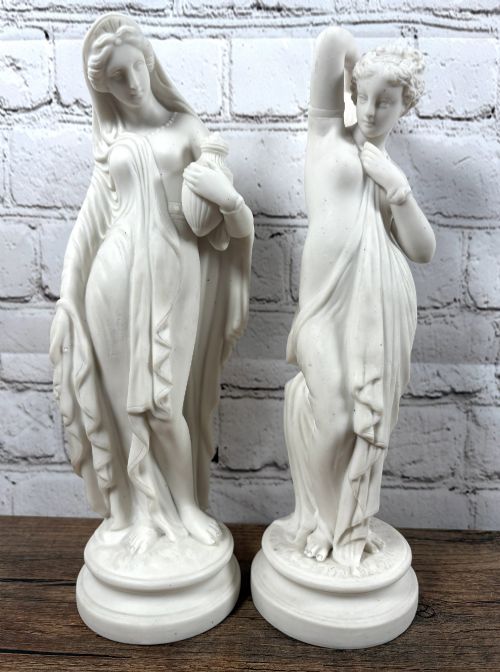
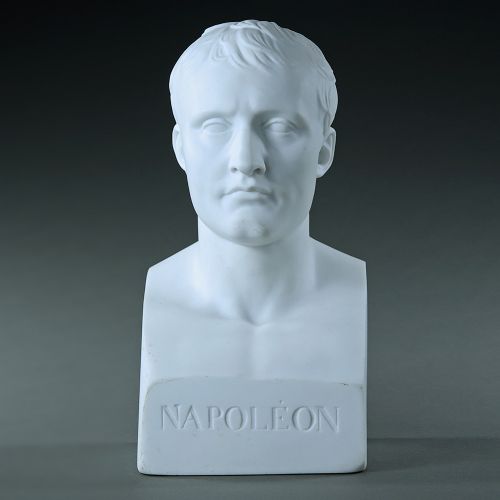
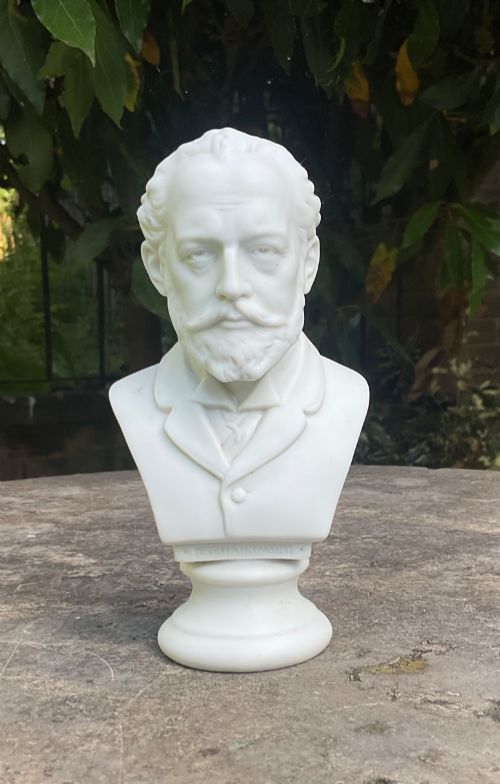
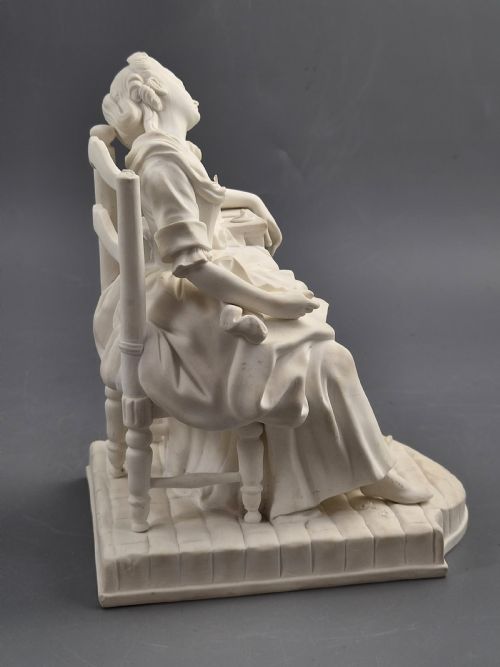
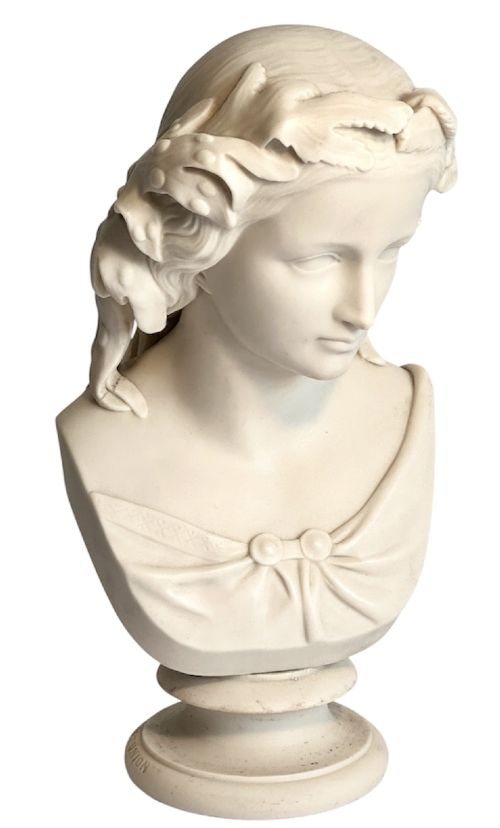
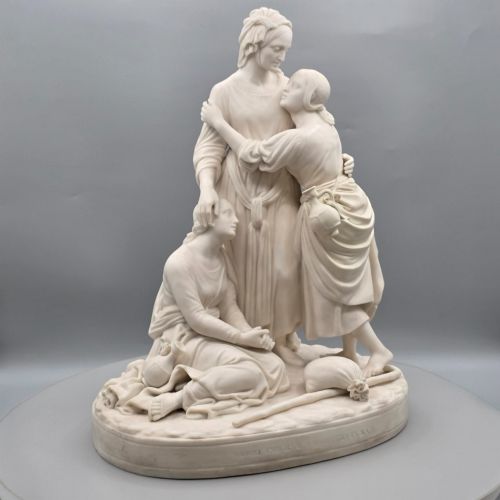
A parian figure sculpture is a nineteenth-century ceramic object modelled after classical statues, literary characters, and contemporary historical figures. These pieces range from small portrait busts of composers and royalty to large multi-figure groups depicting classical and allegorical scenes.
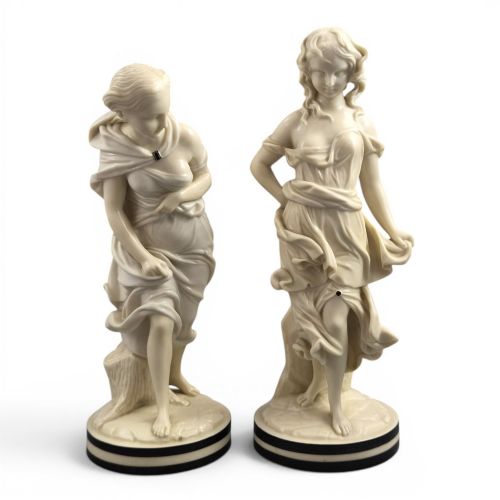
Most examples encountered on this page date from the Victorian era, spanning the mid to late nineteenth century. Forms include single female figures with attributes like doves or cornucopias, pairs of opposing characters, and detailed narrative groups produced across England and continental Europe.
How they were made
These sculptures are formed from parian porcelain or biscuit porcelain, an unglazed ceramic body developed to resemble carved marble. The ceramic mixture fires to a dense, matte finish that preserves crisp details without the glossy sheen of traditional tableware.
Selected works incorporate delicate additions of enamel, gold leaf, or partial glaze to highlight specific details such as garments, jewellery, or hair ornaments.
Parian Figure Sculpture Retail Price Guide 2026
Typical asking prices for parian figure sculpture among the pieces listed under this phrase on Sellingantiques today, from the lower quarter to the upper quarter. They describe what is for sale here now, not the wider market.
Materials span parian porcelain, biscuit porcelain, and occasional coloured parian augmented with enamel and gold leaf.
What varies in quality
Quality rests primarily in the crispness of the modelling and the fidelity of the cast to the original sculptor's work. Finer pieces retain sharp facial expressions, distinct drapery folds, and clean edges without the softening that occurs when moulds are overworked.
The sophistication of the subject and the reputation of the manufacturing firm or the original sculptor distinguish standard decorative items from exceptional studio pieces.
Minton·Copeland·Royal Worcester·Triebner Ens And Co·Sevres
The Parian Figure Sculpture Glossary
- Parian ware
- A type of fine white porcelain developed in Britain during the mid-nineteenth century specifically for sculptural casts. It contains a high proportion of feldspar, which melts during firing to give a marble-like texture.
- Biscuits porcelain
- Unglazed porcelain that has undergone a single firing to harden the clay body before any optional enamelling or gilding. It provides a flat, matte surface that absorbs light rather than reflecting it.
- Neo-rococo
- A nineteenth-century revival style marked by asymmetrical scrolls, naturalistic floral motifs, and dynamic movement. It appears on sculptural bases and ornamental details accompanying classical figures.
- Neoclassical
- An artistic movement drawing inspiration from the art and culture of ancient Greece and Rome. Figures in this style typically feature draped garments, stoic expressions, and classical iconography.
Parian Figure Sculpture: Frequently Asked Questions
What is parian ware?
Parian ware is a fine unglazed porcelain developed in the nineteenth century to imitate carved marble for portrait busts and statuary. Its dense, matte surface allows for intricate detail without a glossy finish.
Factories used this material to bring affordable classical art and portraiture into Victorian homes. The ceramic body fires at high temperatures to achieve its characteristic creamy, stone-like appearance.
How do I clean these sculptures?
Dust unglazed porcelain gently with a soft, dry brush to prevent dirt from settling into the porous matte surface. Avoid using water or chemical cleaners, which can stain the absorbent ceramic body.
Because the material lacks a protective glaze, moisture and oils from hands can leave permanent marks. Handle the pieces by their heavier base sections rather than delicate protruding limbs.
Are these pieces glazed?
These sculptures are almost entirely unglazed, finished instead as biscuit or parian porcelain to mimic the texture of carved marble. This matte surface defines the sculptural aesthetic of the period.
Occasional examples feature selective touches of enamel, glaze, or gold leaf on specific decorative elements like garments or accessories, but the primary figure remains unglazed.
How were these figures displayed?
Victorian households displayed these sculptures on mantelpieces, pedestals, and side tables as centrepieces of refined taste and literary or classical education. They served as conversation pieces in drawing rooms.
Pairs were often arranged symmetrically, while larger single figures or groups commanded standalone placement where light could catch the matte contours of the porcelain.