



Paper Watercolour Miniature
A paper watercolour miniature captures likenesses and scenes on a modest scale, offering intimate portraiture from past centuries.
Paper Watercolour Miniature
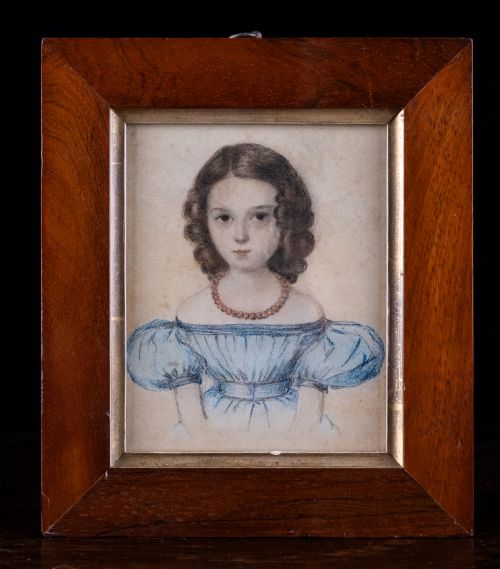
A paper watercolour miniature presents small-scale painted portraits and figures executed on paper supports, often framed behind glass.
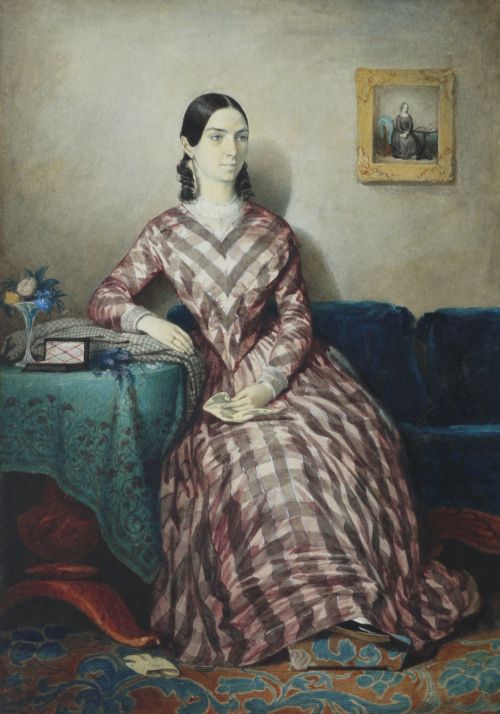
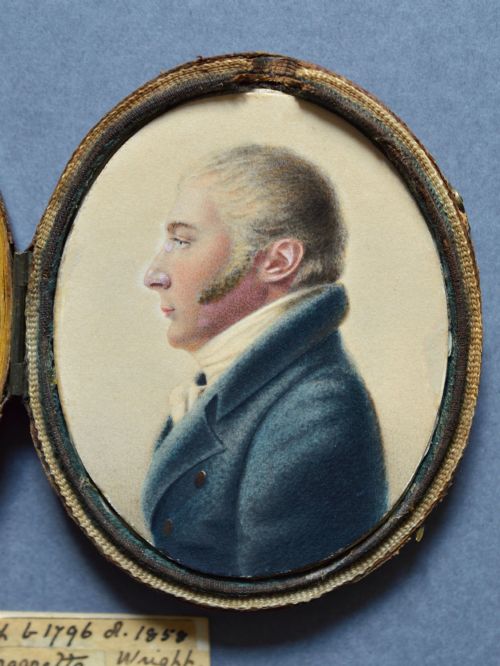
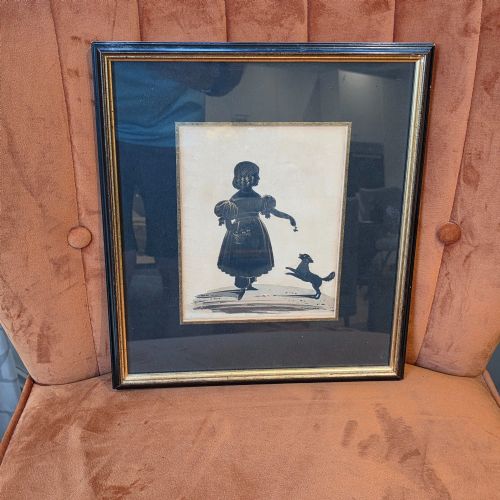
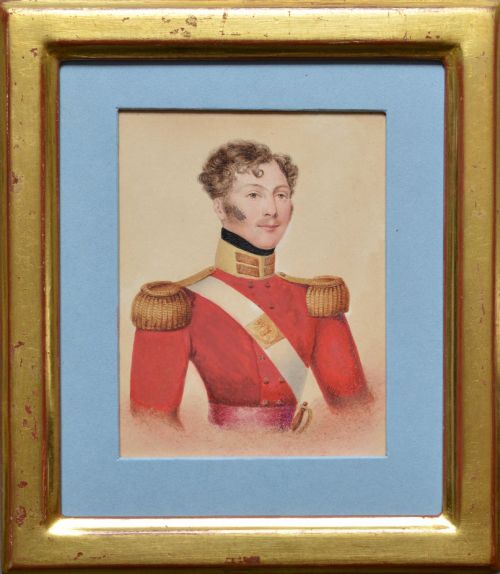
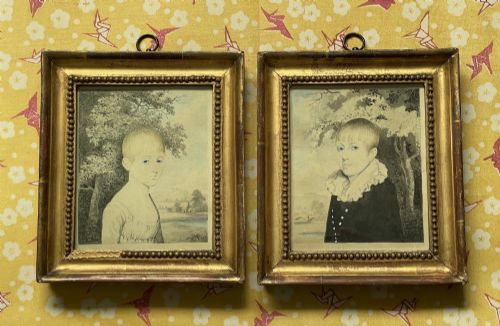
Buyers will encounter 18th-century, Regency, and Victorian examples, ranging from simple cut-paper silhouettes with watercolour washes to finely detailed portraits of officers, children, and ladies.
The format includes standalone works as well as pairs and pieces featuring costume overlays.
How they were made
Some works incorporate cut black paper for silhouettes, enhanced with delicate watercolour details or gold leaf highlights.
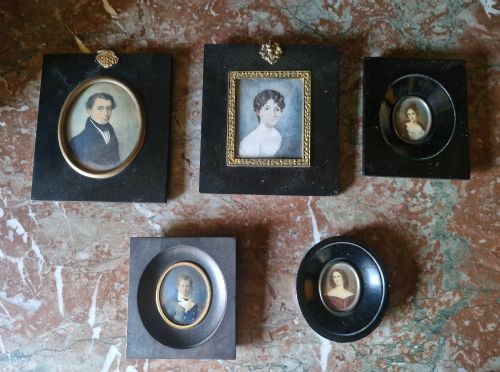
Finished pieces were housed in protective surrounds such as gilt wood, maple, and paper mache frames under glass.
Paper Watercolour Miniature Retail Price Guide 2026
Typical asking prices for paper watercolour miniature among the pieces listed under this phrase on Sellingantiques today, from the lower quarter to the upper quarter. They describe what is for sale here now, not the wider market.
Frames utilised in these works include maple, paper mache, and gilt wood, often protecting the delicate paper surfaces beneath glass.
What varies in quality
The precision of the brushwork and the subtlety of the facial expression distinguish finer portraits from simpler output.
The complexity of the composition, such as full-length figures, inclusion of animals, or multiple costume overlays, marks superior pieces.
The originality and condition of the period framing, including giltwood and paper mache housings, contribute to the standing of the work.
William James Hubard·Thomas John Horsley·Albin R Burt·Thomas Woolnoth·George Perfect Harding·Henry Edridge·Alexander Melville
The Paper Watercolour Miniature Glossary
- Miniature
- A painting executed on a small scale, requiring fine detail and close inspection.
- Silhouette
- An outline portrait filled in with a solid colour, typically black, sometimes enhanced with watercolour.
- Giltwood
- Wood that has been carved and coated with gold leaf or gold paint, common in period framing.
- Paper Mache
- A composite material made from paper pulp or layers of paper bound with adhesive, moulded into frames.
- Costume Overlay
- A paper flap or interchangeable layer placed over a base portrait to alter the subject's dress.
Paper Watercolour Miniature: Frequently Asked Questions
How were these miniatures displayed?
These small works were framed in gilt wood, maple, or paper mache and hung closely in domestic interiors or kept on surfaces for private viewing.
Their intimate scale suited smaller rooms and private chambers where sitters could be observed at close quarters.
Are frames usually original to the artwork?
Many pieces retain their period frames, such as 19th-century paper mache or Regency giltwood surrounds, which complement the scale of the paper support.
Replacing or repairing frames occurred over time, so checking the fit and materials helps determine period consistency.
What subjects appear most frequently?
Portraits of individual ladies, gentlemen, children, and military officers form the core of the available subjects, alongside occasional classical scenes.
Family pairs and commissioned likenesses record the personal connections and fashions of Georgian and Victorian society.
How do I care for watercolour on paper?
Watercolour pigments and paper supports are sensitive to direct sunlight, which can cause fading and discolouration over years of exposure.
Keeping pieces away from bright windows and damp environments preserves the integrity of the ink, paint, and paper.