

Paper Watercolour Art Painting
Paper watercolour art painting offers a direct record of the artist's hand, capturing light and landscape across centuries.
Paper Watercolour Art Painting
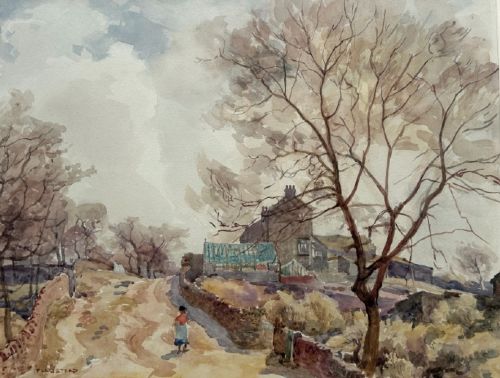
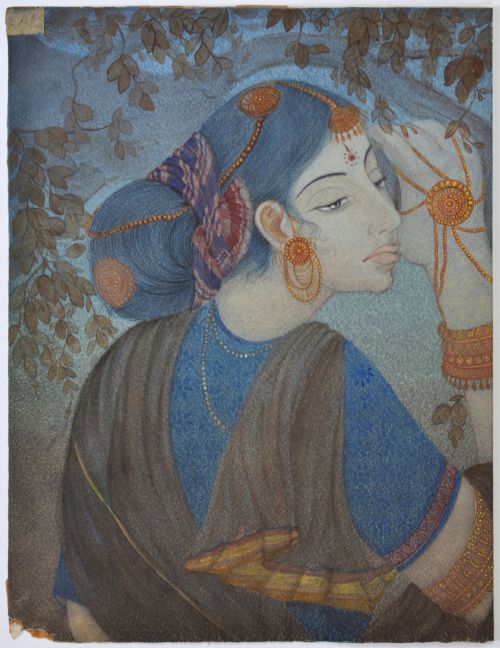
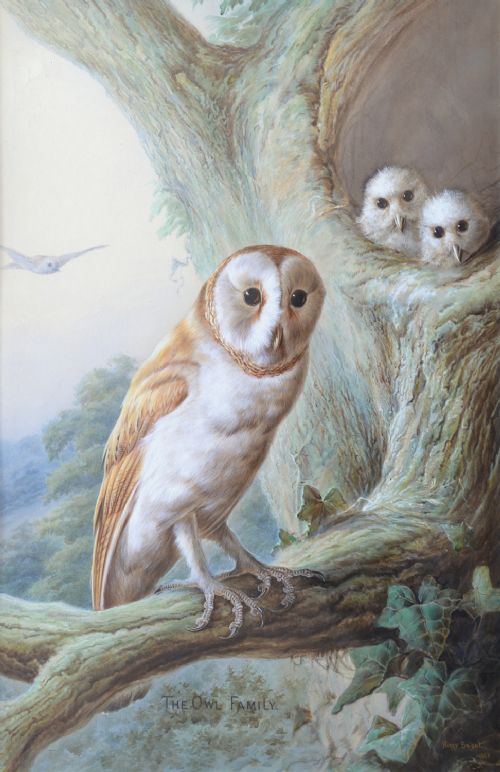
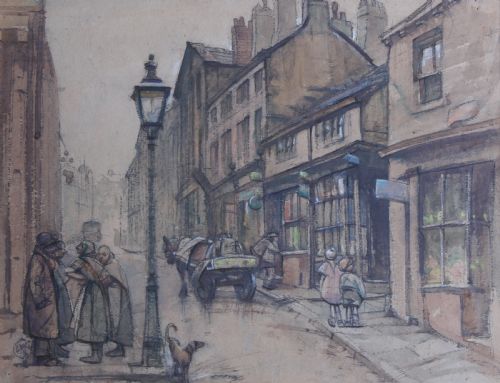
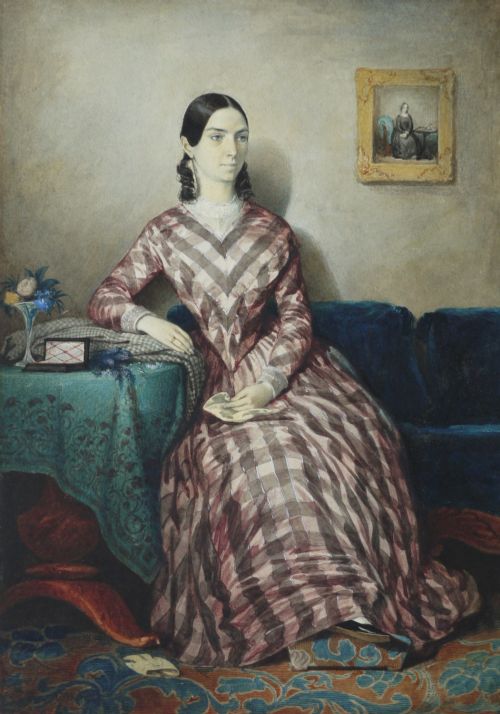
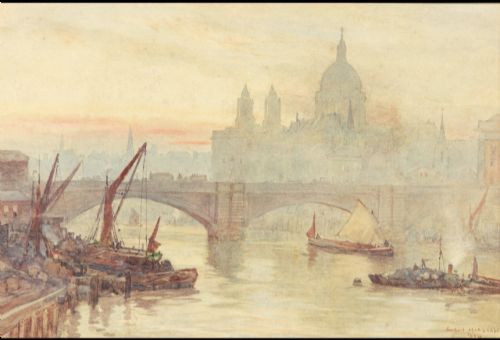
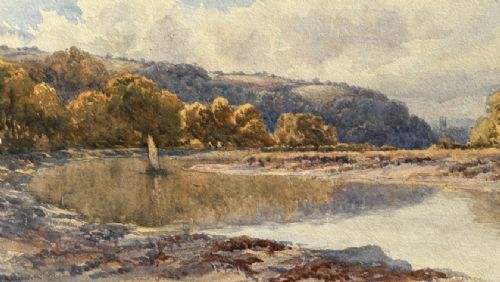
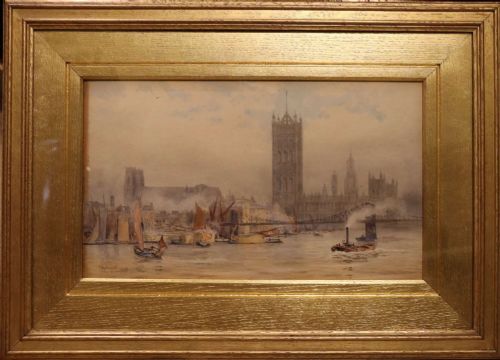
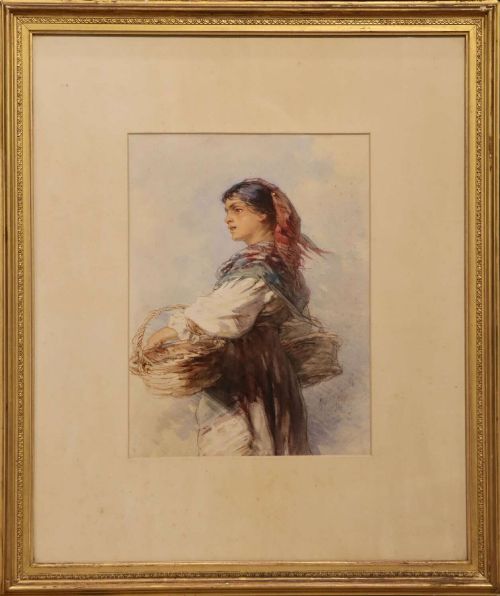
A paper watercolour art painting encompasses works executed in translucent pigments, bodycolour, gouache, and ink upon paper supports. These pieces range from detailed topographical views and maritime scenes to intimate portraits and modernist compositions.
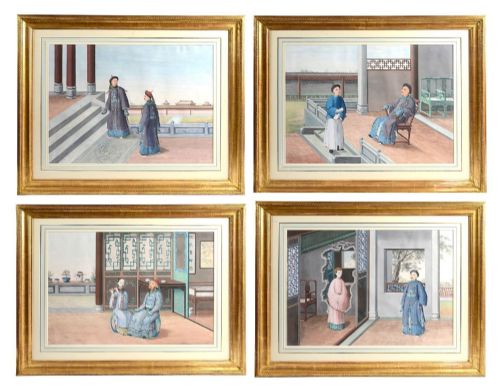
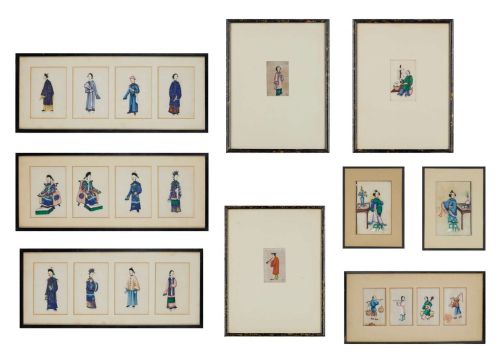
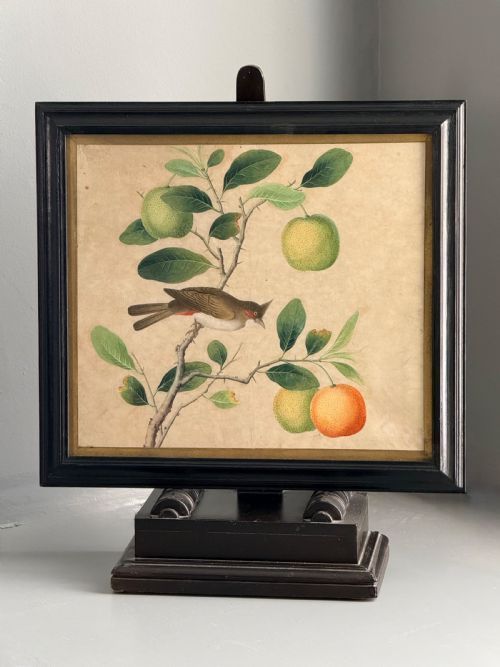
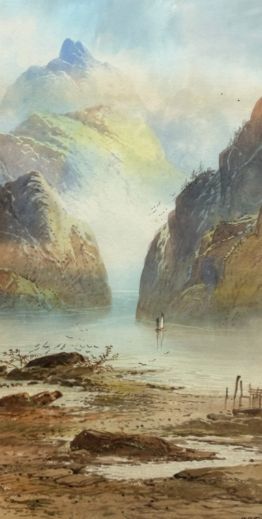
Buyers encountering this selection will most frequently find nineteenth-century British landscapes alongside Victorian coastal studies and early twentieth-century regional views. The variety extends to Chinese export works on pith paper and mid-century lake scenes.
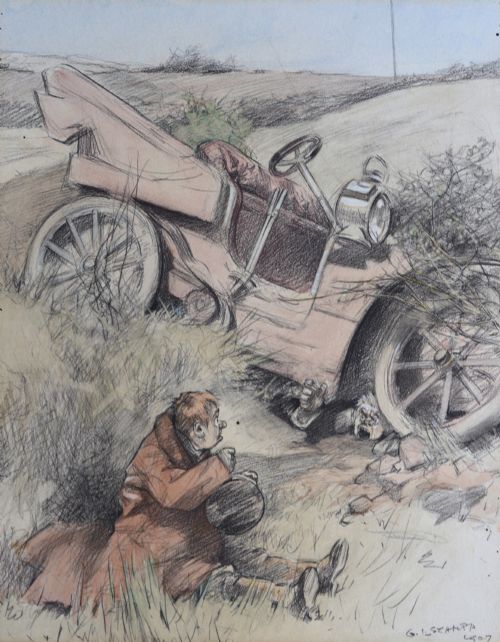
The material nature of these works means they record the immediate touch of the maker, often retaining preliminary graphite underdrawings that reveal the construction of the image.
How they were made
Watercolour pigment was mixed with water and applied in thin washes or heavier opaque bodies to paper supports, sometimes combined with ink, graphite, or bodycolour for added definition.
Specialised supports such as pith paper or heavy wove papers were utilised by artists depending on regional tradition and period, framed behind glass to protect the delicate water-soluble pigments from moisture and light.
Several Victorian artists carefully preserved their preliminary pencil mistakes right beneath the watercolour wash for modern eyes to spot.
What varies in quality
The distinction between standard works and exceptional examples lies in the confidence of the brushwork and the preservation of pigment vibrancy over time. Masterful handling creates atmospheric depth and luminosity within the watercolour medium.
Compositional strength and the clarity of the underlying draughtsmanship further separate routine topographical sketches from finished exhibition-scale pieces created by accomplished practitioners.
George Sydney Shepherd·James Orrock·William Henry Earp·James Smetham·Robert Leslie Howey
The Paper Watercolour Art Painting Glossary
- Bodycolour
- Watercolour pigment mixed with a white base to create an opaque paint, often used to add highlights. This technique provides stronger contrast against translucent washes.
- Gouache
- A heavy water-based paint similar to bodycolour that dries to a matte, opaque finish. It allows for rich colour saturation on paper supports.
- Pith paper
- A delicate oriental paper prepared from the cellular pith of the Tetrapanax papyrifer plant. It possesses a velvety texture suited to traditional Chinese export painting.
- Wove paper
- Paper made on a fine wire mesh mould, producing an even, unmarked surface without chain lines. It serves as a stable ground for detailed nineteenth-century watercolours.
Paper Watercolour Art Painting: Frequently Asked Questions
How should I frame a watercolour?
Watercolour paintings require framing behind glass with acid-free mounts to prevent the paper from touching the glazing directly. This separation protects the pigments from humidity and condensation.
Position the framed work away from direct sunlight to avoid fading the delicate washes of colour over time.
What is pith paper?
Pith paper is a delicate material derived from plant stems, historically used for export paintings in nineteenth-century China. It yields a unique velvety surface that absorbs watercolour pigment distinctly.
Because of its fragile nature, these sheets demand careful handling and specialised conservation framing.
How do I date a watercolour?
Dating relies on artist signatures, period framing styles, watermarks in the paper, and the specific subject matter depicted. Victorian and Edwardian works often carry distinct stylistic conventions and inscriptions.
Comparing the handling of pigment and the type of paper support to documented examples helps narrow the period of creation.
Are these paintings unique?
Every historical watercolour painting is an original, hand-painted work created directly on paper without mechanical reproduction. The artist's individual brushstrokes and pencil underdrawings remain visible upon close inspection.
Even within series or sketches by the same hand, each sheet exhibits unique variations in composition and tone.