





Paper Seascape Artwork
Paper seascape artwork captures the movement of coastal tides and maritime life through delicate washes on traditional sheets.
Paper Seascape Artwork
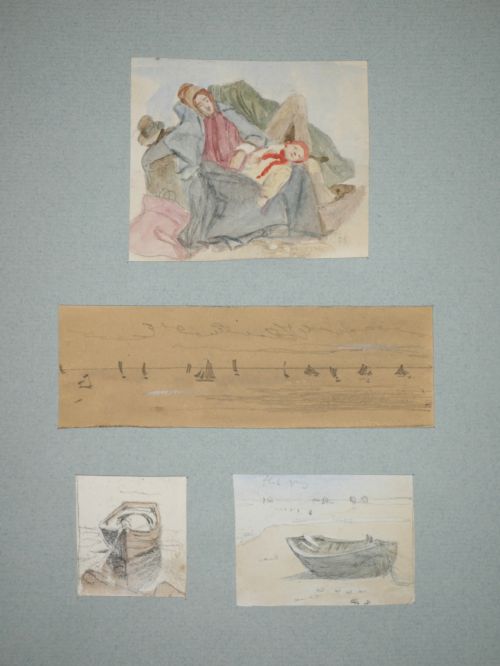
A paper seascape artwork brings maritime scenes, harbour views and coastal vessels directly onto a delicate support. Buyers examine delicate watercolours, ink sketches and works on paper dating from the nineteenth and early twentieth centuries.
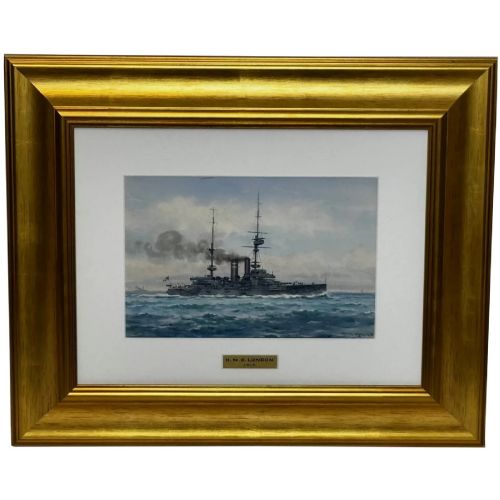
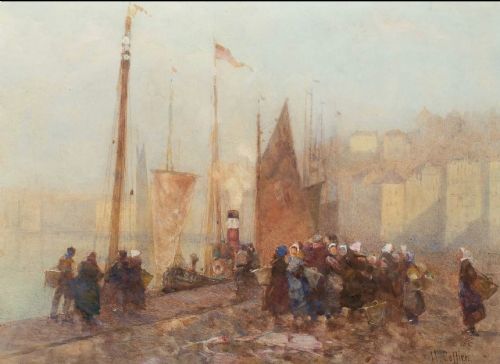
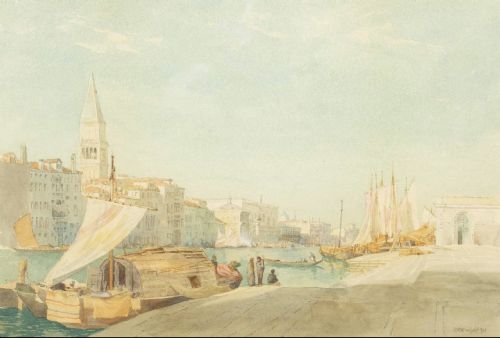
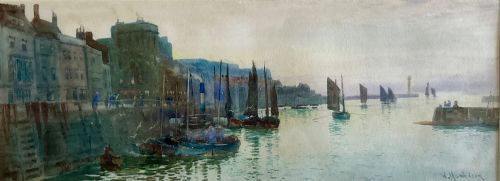
The versions most commonly met on this page are framed Victorian and Edwardian watercolours depicting British fishing fleets, coastal villages and Venetian canals. These pieces frequently record specific harbours, shipping lanes and coastal weather.
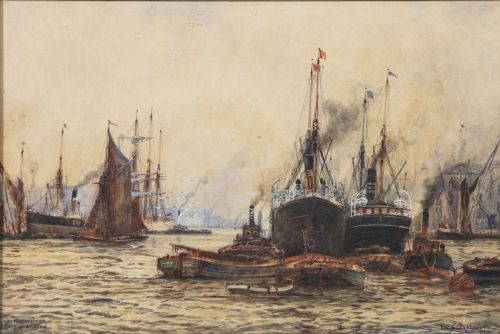
Makers and regional schools across Britain and Europe documented changing maritime trades, from Yorkshire cobles to bustling London docks. The works range from rapid marine sketches to highly finished exhibition paintings.
Materials and Technique
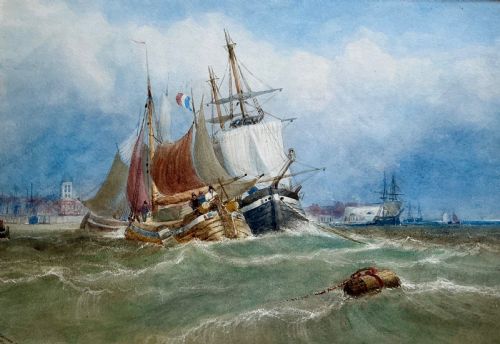
Artists painted these scenes using watercolour pigment and ink applied directly to absorbent paper sheets. The transparency of the medium allowed the white of the paper to supply natural highlights for crashing waves and cloud breaks.
Protection came from timber frames and glass glazing, which shielded the fragile paper surfaces from atmospheric moisture and handling. Many surviving pieces retain their original period framing and mounts.
Listings span the nineteenth and twentieth centuries, incorporating Victorian, Edwardian and mid-century British and European maritime watercolours.
Judging Quality and Execution
Superior execution relies on the artist's brush control and ability to capture shifting light across water without overworking the pigment. The strongest examples display confident handling of rigging, hull structures and coastal atmosphere.
Condition plays a central role in valuation, particularly the preservation of pigment vibrancy and the absence of heavy foxing or fading on the paper sheet. Signed works by documented marine painters command greater attention than unsigned or anonymous sketches.
James Orrock·Frank Watson Wood·Frank William Scarbrough·Hector Caffieri·Richard Henry Wright·William Matthison·Henry Barlow Carter·William Frederick Settle·Thomas Bush Hardy·Sir Thomas Newenham Dean·Robert Leslie Howey·John McDougal·Frank H Mason·Frederick William Hattersley·John Mitchell·Samuel Owen·Frederick William Booty·Kate E Booth·Ernest F Hill·Frederick Stuart Richardson·Percy Brooke·William Kay Blacklock·Arthur Wilde Parsons·Julian Drummond·Frank Wasley
The Paper Seascape Artwork Glossary
- Watercolour
- A painting method where fine pigment is suspended in a water-soluble binder and applied to paper. It relies on translucent washes to create luminosity.
- Foxing
- Small brownish spots or patches that appear on older paper due to chemical reactions over time. It is a common occurrence in nineteenth-century works on paper.
- Marine Art
- Artistic representation of ships, maritime scenes and the sea. This genre encompasses coastal landscapes, harbour views and naval engagements.
- Gouache
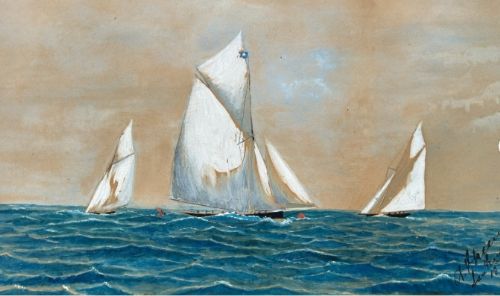
- An opaque watercolour medium containing added white pigment to create solid, heavier coverage. Artists often combined it with transparent watercolour to highlight cresting waves.
Paper Seascape Artwork: Frequently Asked Questions
How should I hang watercolour art?
Keep watercolours away from direct sunlight to prevent the pigments and paper support from fading over time. Professional framing with acid-free backing boards and UV-filtering glass provides essential protection.
Ensure your display wall remains free from dampness and extreme temperature fluctuations, which can damage older paper sheets and wooden frames.
Are these works original paintings?
The pieces featured here are hand-painted original watercolours, ink drawings and gouache works created directly by the artists. Each piece represents a unique execution rather than a mass-produced print or reproduction.
Signatures, monograms and period inscriptions frequently help confirm the hand-painted nature and origin of the artwork.
How do I identify Victorian watercolours?
Victorian works often display characteristic paper watermarks, traditional framing methods and specific pigment mixtures popular during the nineteenth century. Subject matter frequently includes contemporary shipping, coastal trades and recognisable British or European ports.
Artist signatures, exhibition labels on the reverse and dated inscriptions provide the most reliable chronological markers.
What subjects appear most often?
Fishing boats, coastal villages, sailing clippers and Venetian canals dominate the maritime subjects recorded by these artists. Painters frequently focused on working harbours, fishing fleets returning to port and dramatic coastal weather.
Depictions of specific vessels, naval ships and everyday seaside labour offer a clear window into nineteenth and early twentieth-century maritime life.