


Paper Interior Artwork
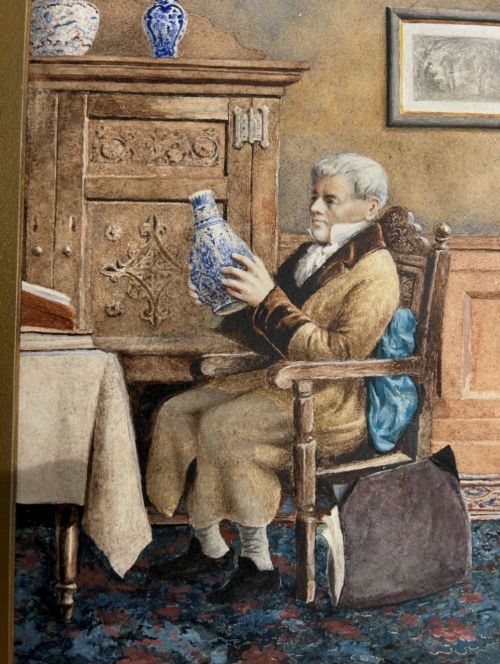
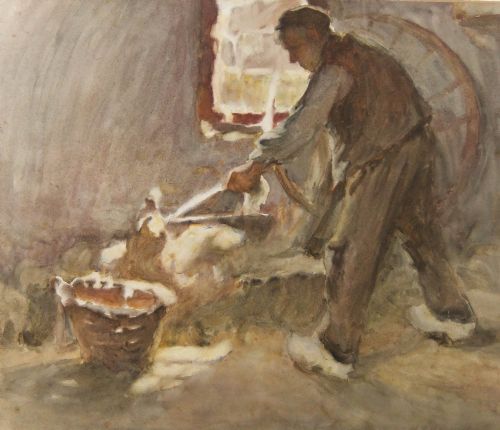
Paper interior artwork captures domestic and architectural spaces through delicate watercolours, drawings and prints.
Paper Interior Artwork
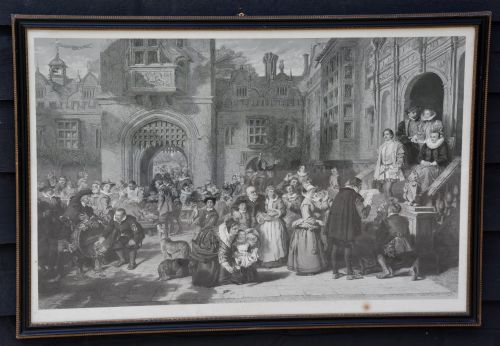
Paper interior artwork brings historical domestic scenes, architectural studies and portraits into focus through works on paper. These pieces range from detailed nineteenth-century watercolours of sitting rooms and inns to early twentieth-century ink and graphite drawings. Buyers searching for paper interior artwork will encounter framed watercolours, engravings and etchings depicting courtyard scenes, church interiors and cottage rooms.
The selections span the Victorian, Edwardian and Art Deco periods, capturing the daily life and interior architecture of past eras. Works such as architectural drawings of church designs and detailed watercolours of drawing rooms dominate the offerings. Each piece preserves a distinct slice of historical domestic space through contemporary artistic media.
Distinctions in quality
Quality rests in the precision of line work and the atmospheric depth achieved within the depicted interior space. Superior watercolours demonstrate confident brushwork and a sophisticated handling of light falling across furniture and figures. Architectural drawings distinguish themselves through meticulous perspective and structural clarity.
The reputation of the artist or school elevates a piece, as seen in works by listed painters and draughtsmen. Original drawings and unique watercolours command greater artistic interest than mass-produced prints. The harmony between the artwork and its period frame also contributes to the overall integrity of the piece.
A cheeky dog makes an appearance in the kitchen, captured in an 1850 antique graphite drawing.
Henry Silkstone Hopwood·Herbert Dicksee·Beatrice Saunders·James Hayllar·George Kilburne·Leonardo Morello·John R Houston·Joseph Hansom·Kunisada·George Cattermole
The Paper Interior Artwork Glossary
- Watercolour
- A painting method where fine pigment is suspended in water-based solution on paper. This technique allows for translucent washes and delicate tonal layering.
- Graphite
- A form of carbon used in pencils to create monochrome drawings on paper. It permits fine, detailed lines and varied shading.
- Engraving
- A printmaking process where an image is cut into a metal plate with a burin. The inked grooves transfer the design onto paper under pressure.
- Etching
- A technique where acid bites lines into a metal plate covered with an acid-resistant ground. The resulting recessed lines hold ink for printing.
- Woodblock
- A relief printing method where material is carved away from a wooden block, leaving the design raised to accept ink. This technique produces bold lines and distinct colour areas.
- Mezzotint
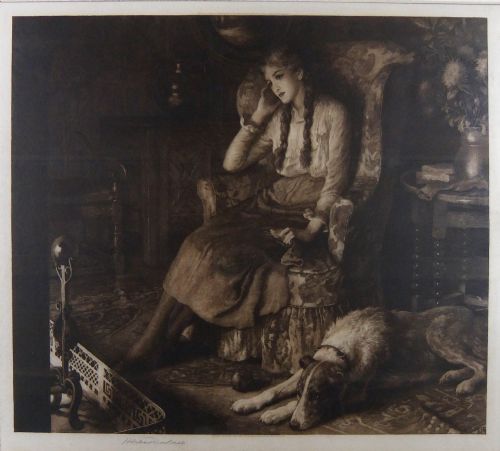
- A tonal printmaking process on copper where the plate is roughened to hold ink for dark areas and scraped down for lighter tones. It creates rich, velvety gradients.
Paper Interior Artwork: Frequently Asked Questions
What is paper interior artwork?
Paper interior artwork encompasses paintings, drawings and prints on paper that depict rooms, buildings and domestic scenes.
These pieces record historical architecture and everyday life from the nineteenth and early twentieth centuries.
How were these artworks displayed?
These works were traditionally framed in wood to protect the fragile paper from environmental damage.
Original frames, such as Hogarth mouldings, often accompanied the pieces to complement their period aesthetic.
How do I care for paper art?
Paper art requires protection from direct sunlight and high humidity to prevent fading and paper degradation.
Glazing with glass helps shield the delicate watercolour and graphite surfaces from airborne dust and moisture.
How can I tell periods apart?
Victorian and Edwardian pieces often feature detailed narrative scenes or precise architectural drawings in watercolour and ink.
Later works from the 1920s and 1930s introduce modernist influences and distinct print techniques like woodblock.