

Antique Painting of Family
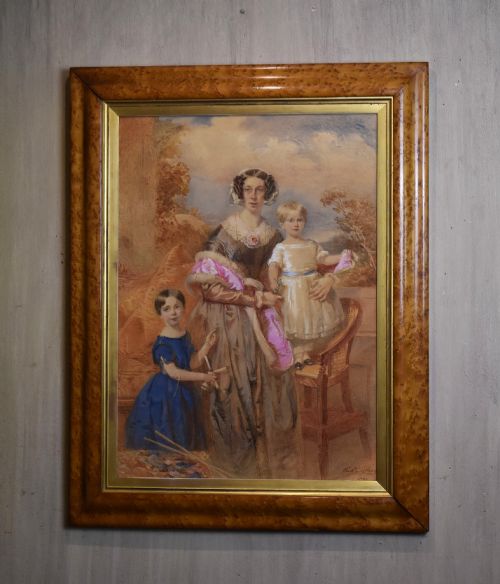
When you search for an antique painting of family, you encounter oil portraits, watercolours, and devotional scenes spanning several centuries.
Antique Painting of Family
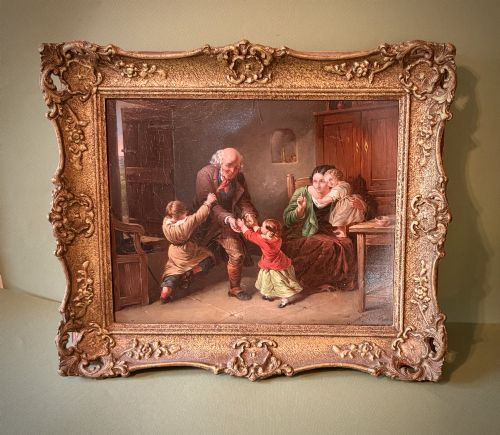
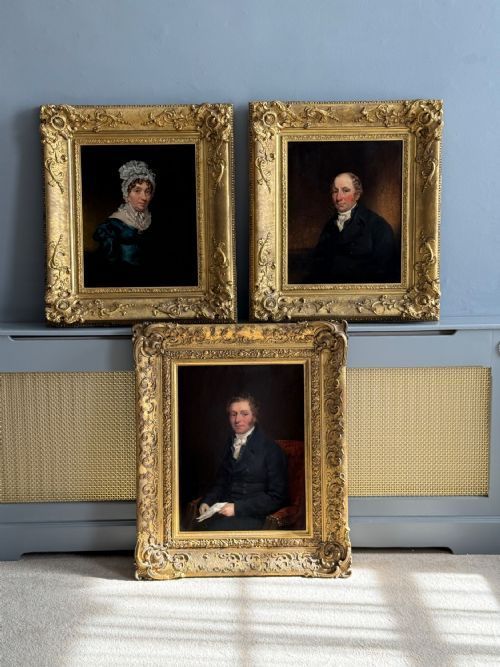
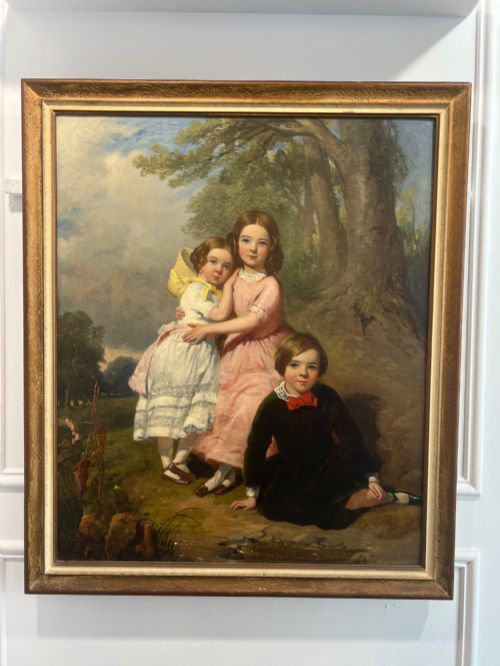
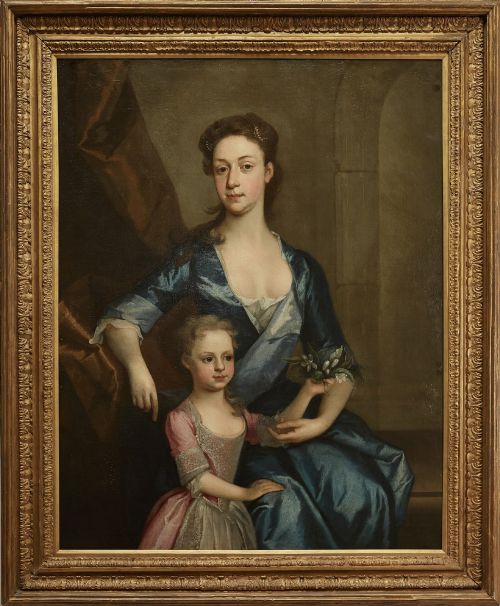
An antique painting of family captures lineage, devotion, and domestic life across the seventeenth, eighteenth, and nineteenth centuries. These works include formal oil portraits on canvas and panel, delicate portrait miniatures, and religious depictions of the Holy Family.
The selections on this page range from British and European noble lineage records to intimate child studies, genre scenes, and Chinese ancestor paintings. Buyers find both monumental group canvases and smaller watercolours suited to domestic display.
How They Were Made
Support materials varied from heavy stretched canvas to prepared wooden panels, often framed in giltwood or housed within original glazed wooden surrounds. Pigments derived from natural minerals and earths provided the enduring palette visible in these works.
The inventory records both British and European portraiture alongside Chinese ancestor paintings and Austrian terracotta relief plaques.
What Varies in Quality
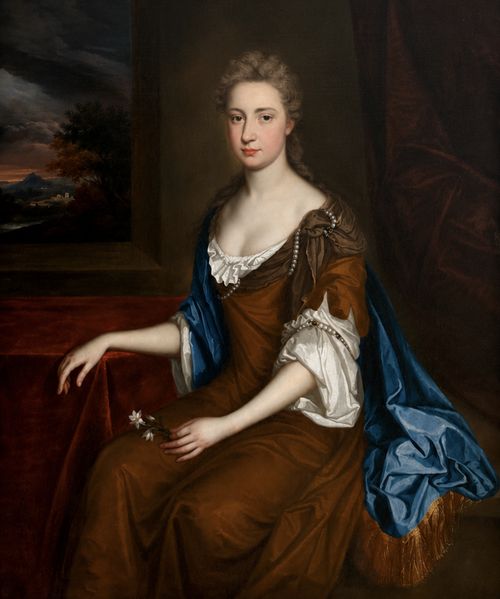
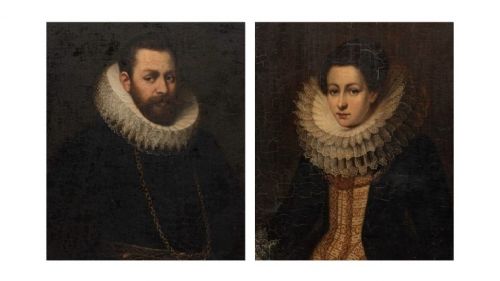
Quality rests in the precision of the brushwork, the psychological depth captured in the sitters' expressions, and the preservation of the original surface. Master works demonstrate subtle handling of light on textiles like ruff collars and silk gowns.
The integrity of the original frame, the documentation of provenance linking the sitters to specific households, and the stability of the support material further distinguish exceptional examples from simpler decorative works.
Joseph Clover RA·Frederick Tatham·Joseph Highmore·Ernst Wahliss·Princess Alice Maud Mary·Charles Hayter·Hyacinthe Rigaud·George Smith·Chosei·Alfred Darbyshire·George Engleheart
The Antique Painting of Family Glossary
- Oil on Canvas
- Pigment mixed with drying oil applied to a woven fabric support. This technique allowed artists to achieve rich colour saturation and subtle tonal gradations.
- Portrait Miniature
- A small, highly detailed painting executed on ivory, vellum, or card. These intimate items were often commissioned to commemorate family members.
- Panel Painting
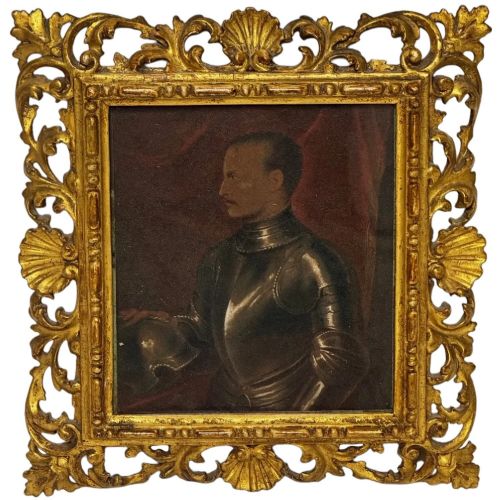
- Artwork created on a flat wooden board rather than canvas. Oak, mahogany, and other timbers served as stable supports before canvas gained dominance.
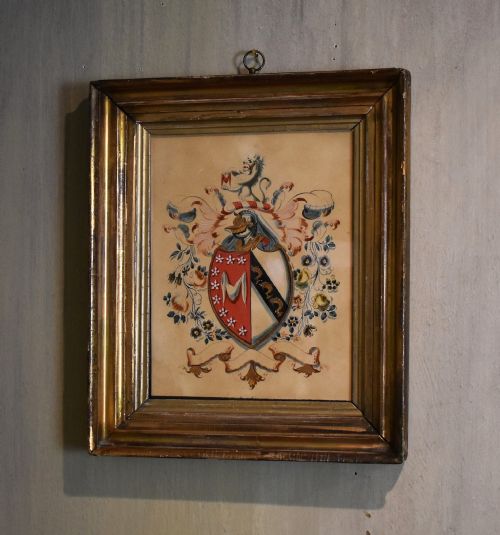
- Armorial
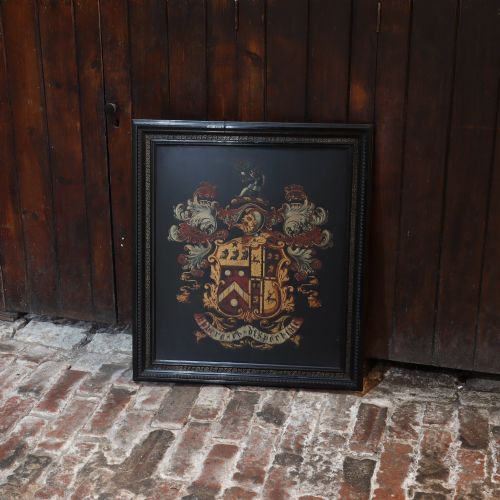
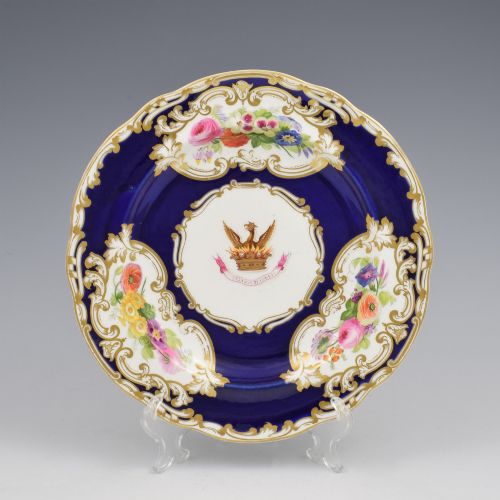
- Relating to heraldry and family crests. Such paintings display coats of arms to record lineage and noble alliances.
- Genre Painting
- Depiction of aspects of everyday life by subjects from ordinary or domestic settings. These works focus on narrative rather than formal portraiture.
Antique Painting of Family: Frequently Asked Questions
What periods do these family paintings come from?
The works span from the seventeenth century through the Victorian era and into the early twentieth century. Examples include seventeenth-century British and French aristocratic portraits alongside nineteenth-century domestic watercolours and ancestor paintings.
Each period employs distinct palettes, framing styles, and garment depictions, reflecting the social conventions and portraiture traditions of their respective decades.
How were these family portraits displayed originally?
Large oil paintings of families typically hung in the panelled reception rooms and galleries of country houses to establish lineage and status. Smaller watercolours and miniatures were kept in private chambers or carried as personal tokens.
Many retain their original giltwood frames or glazed wooden surrounds, indicating their intended prominent placement within historic domestic interiors.
What is an ancestor painting?
Ancestor paintings, particularly those originating from Chinese traditions, were commissioned to honour and remember family forebears. These formal group portraits served a commemorative role within family shrines.
They utilise vibrant colours and strict compositional rules to record the likeness and status of generations past within the household.
How do I care for an antique painting?
Maintain stable environmental conditions away from direct sunlight, excessive heat sources, and high humidity. Sudden temperature shifts can cause wooden panels to warp and canvas or paper to degrade.
Dust surfaces gently with a soft, dry brush and avoid using liquid cleaners on painted areas or historic frames.