

Paper Illustration Art
Paper illustration art brings together delicate watercolours, precise ink drawings and vintage prints spanning multiple centuries.
Paper Illustration Art
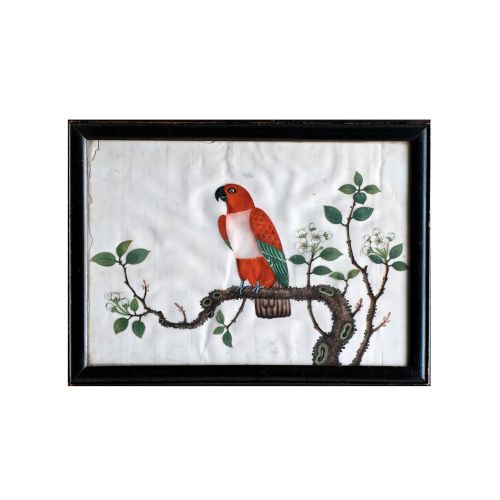
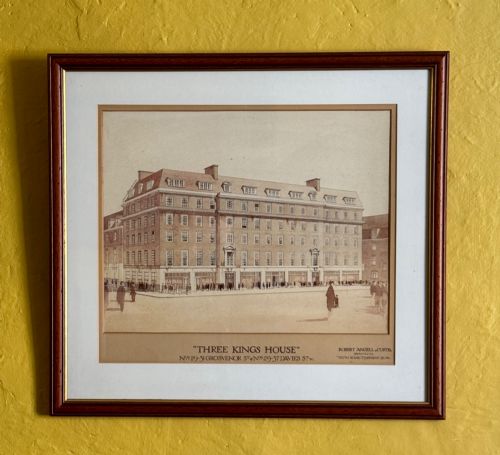
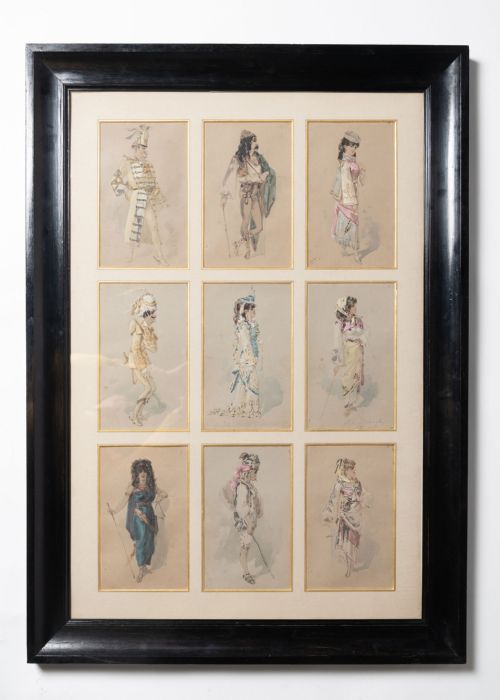
Paper illustration art comprises works on paper, spanning original drawings, watercolours, etchings and lithographs created across the eighteenth, nineteenth and twentieth centuries. A buyer searching this phrase encounters diverse subjects ranging from botanical studies and architectural plans to theatrical posters and character sketches.
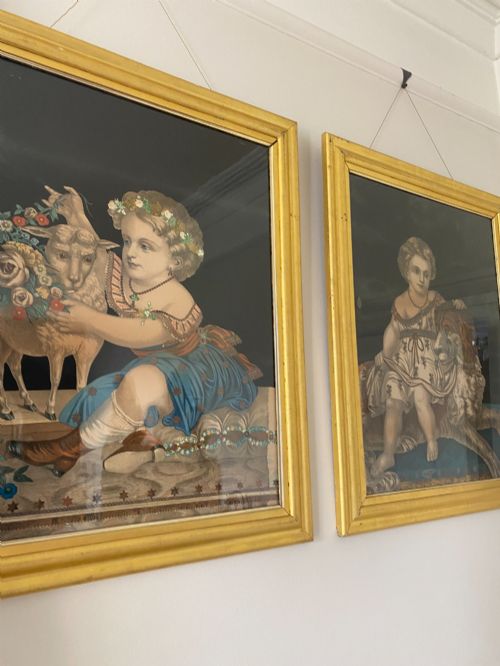
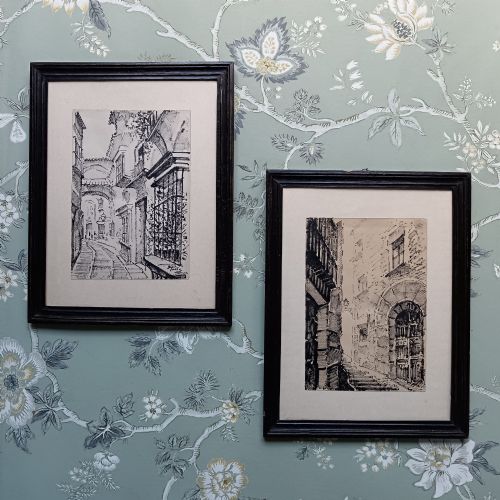
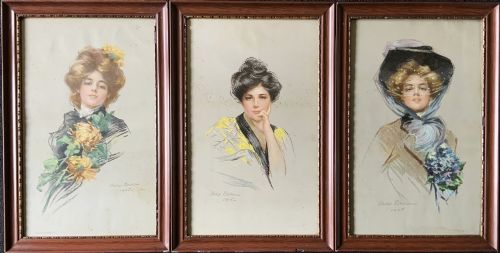
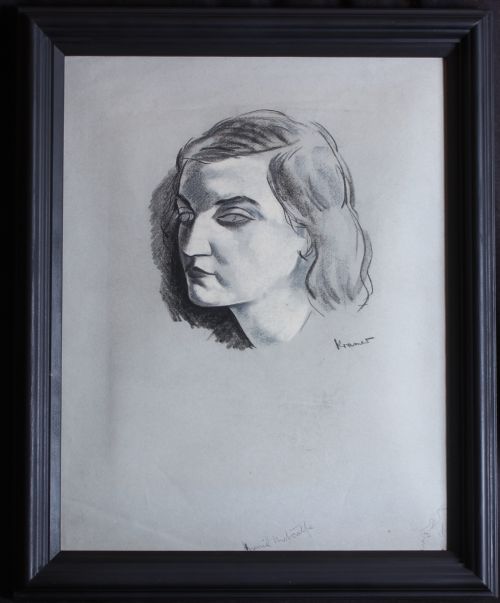
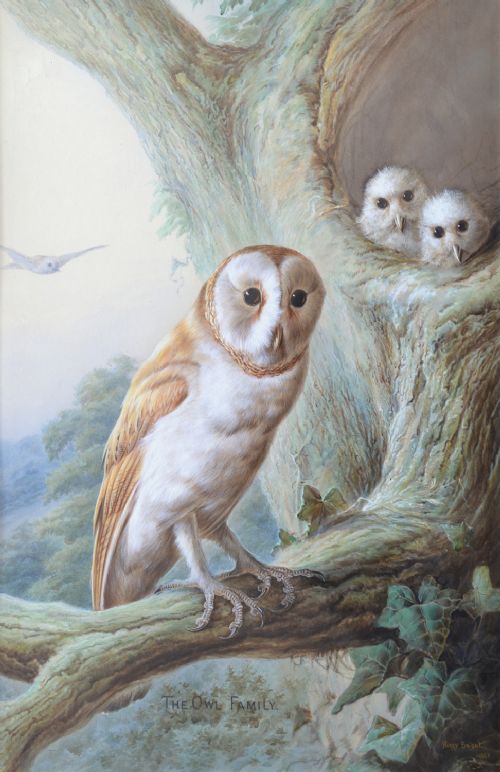
The pieces on this page lean heavily towards nineteenth-century watercolours and early twentieth-century prints, framed variously in glass and wood or preserved as loose plates. These range from intimate portraits and caricatures to large topographical views and decorative series.
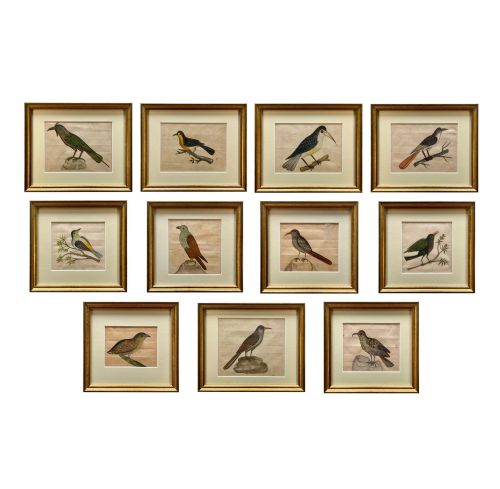
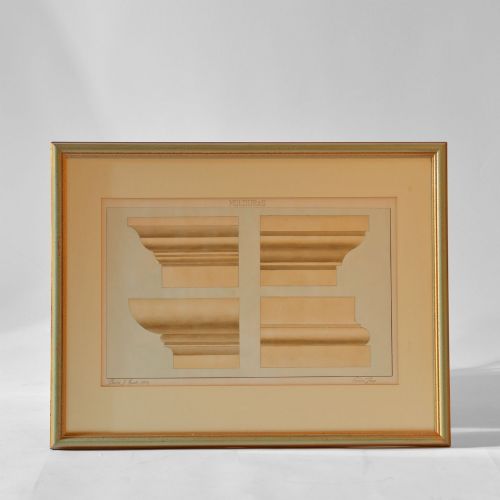
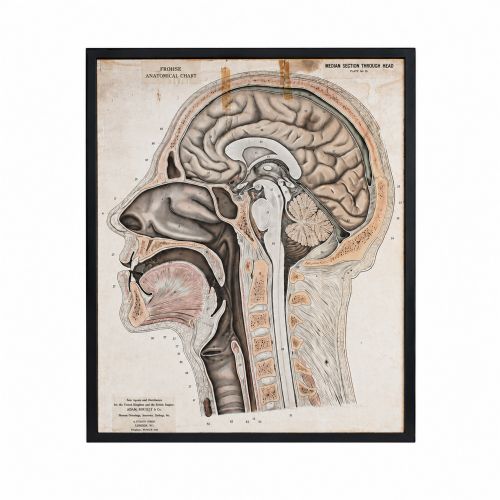
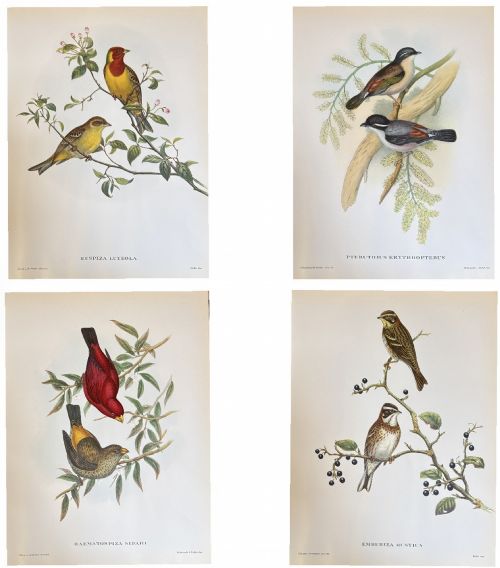
Origins stretch across British, European and Asian workshops, incorporating Georgian anatomical engravings, Victorian animal studies, Edwardian portrait prints and Mid-Century Modern architectural drawings. Each item represents a distinct technical approach to rendering imagery upon a paper or cardboard support.
Materials and technique
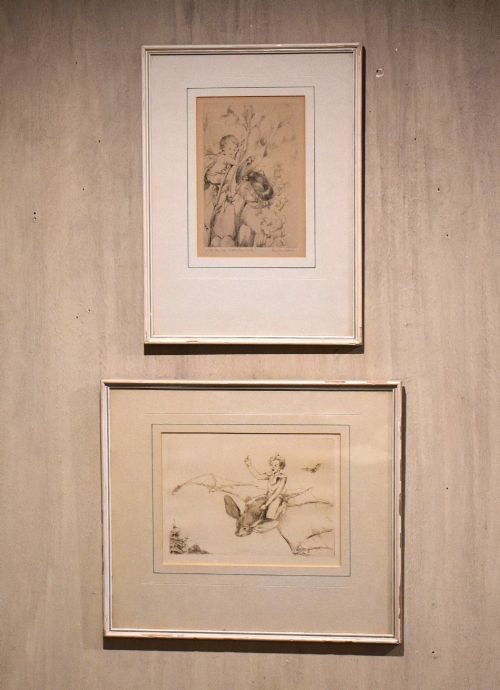
Makers utilised paper and cardboard as the primary support, applying media such as ink, watercolour, gouache and pencil to achieve varied textures and line weights. Etchings and engravings relied on metal plates carved with fine detail before being transferred in monochrome or colour onto the sheet.
Lithographs emerged as a prominent method for producing multi-coloured prints and posters during the nineteenth and twentieth centuries, allowing precise reproduction of illustrations. Many works feature additional elements like metal embellishments on clothing or protective glass within original frames made of wood.
Paper Illustration Art Retail Price Guide 2026
Typical asking prices for paper illustration art among the pieces listed under this phrase on Sellingantiques today, from the lower quarter to the upper quarter. They describe what is for sale here now, not the wider market.
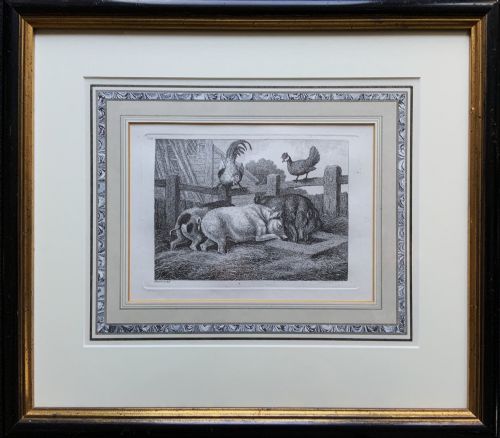
Dogs make unexpected appearances in the line-up, including a chic Borzoi in gouache and farmyard pigs etched in 1756.
Quality differences
Distinctions in quality rest upon the precision of the draughtsmanship, the clarity of the line in ink or pencil, and the vibrancy preserved within watercolours and gouache over decades. Superior examples demonstrate confident handling by the artist, whereas lesser pieces show hesitant strokes or flat, uninspired compositions.
The condition of the paper surface and the integrity of early framing, such as original Hogarth mouldings, further separate standard decorative prints from exceptional collector pieces. Works retaining sharp contrasts in printing ink or deep pigment saturation command greater visual authority.
Marjorie L Davies·Jacob Kramer·Samuel Howitt·Harry Bright·Fred Lawson·Cecil Keeling·George Lorain Stampa·Henry Percy Huggill·Bruce Bairnsfather·Sir William Nicholson·Elisabeth Sonrel·Andrew Bell·Marcellin Auzolle·William Marshall Craig·Maurice Brianchon·David Roberts
The Paper Illustration Art Glossary
- Gouache
- An opaque water-based paint that dries to a matte finish, often combined with pencil or ink in period illustrations.
- Lithograph
- A print produced from a flat stone or metal plate treated to repel ink except where desired for the image.
- Etching
- A print created by using acid to cut into the unprotected parts of a metal surface to hold the printing ink.
- Engraving
- A technique where an artist carves an image directly into a metal plate using a sharp tool called a burin.
- Watercolour
- A paint consisting of pigment suspended in a water-based solution, applied in translucent washes onto paper.
Paper Illustration Art: Frequently Asked Questions
How should I frame antique paper art?
Protect delicate watercolours and drawings behind glass with acid-free mounts to prevent environmental degradation.
Keep pieces away from direct sunlight to preserve the original ink and pigment colours over time.
Are these works original or reproductions?
The listings include both one-off original hand-drawn pieces and antique printed editions from past centuries.
Check individual descriptions to distinguish between unique ink drawings and vintage lithographic or engraved plates.
What periods do these illustrations cover?
The selection spans from the eighteenth century through the Victorian and Edwardian eras into the mid-twentieth century.
Styles range from Neoclassical and Georgian works to Art Deco designs and Mid-Century Modern graphics.
How do I identify different print types?
Examine the surface under magnification to spot the plate marks of engravings or the fine dot patterns of lithography.
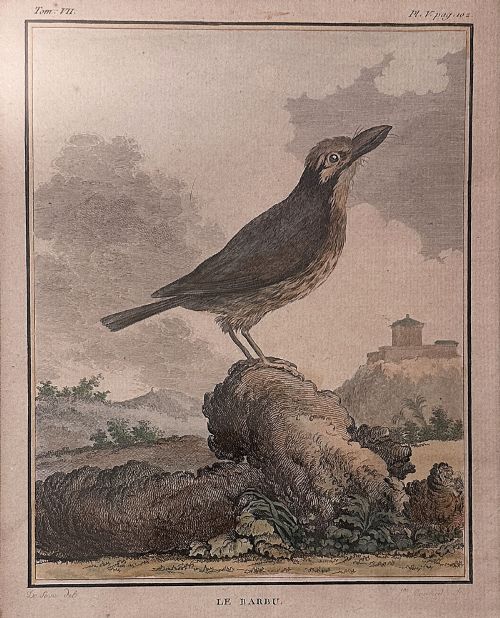
Hand-coloured prints often reveal subtle brushwork over the printed outlines when inspected closely.