





Paper Equestrian Artwork Prints
Paper equestrian artwork prints capture the motion of horses and hounds through ink, watercolour, and engraved lines.
Paper Equestrian Artwork Prints
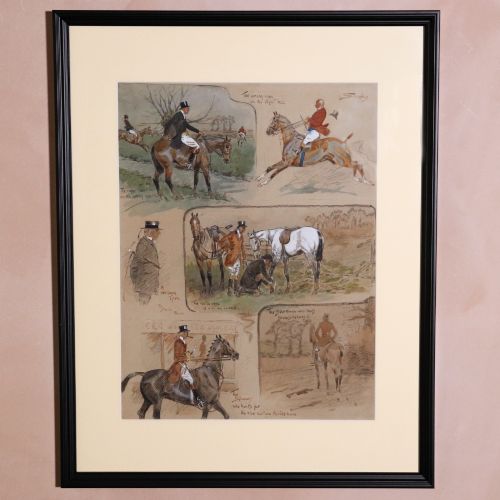
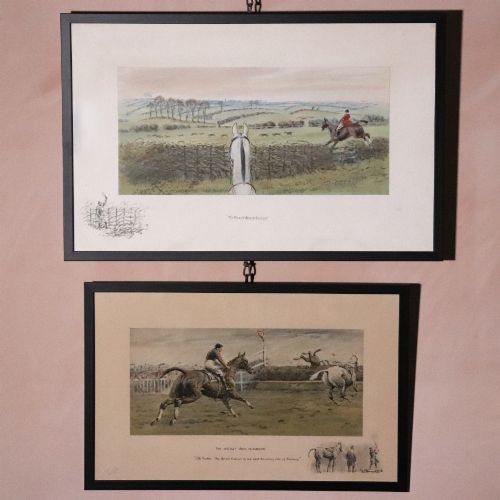
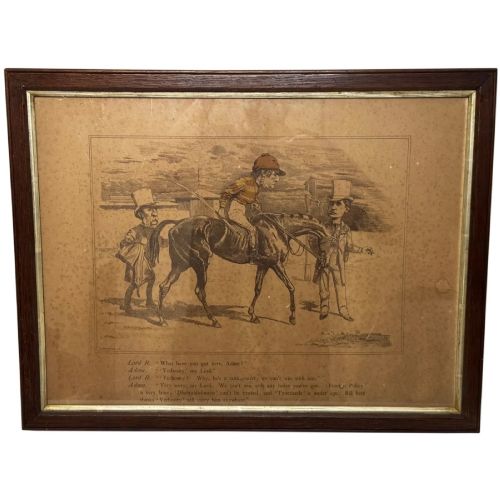
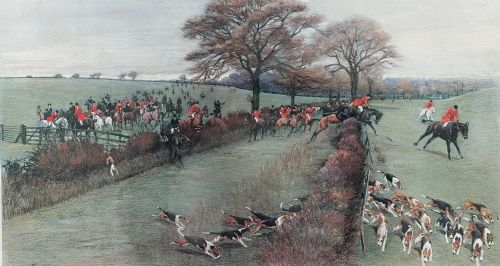
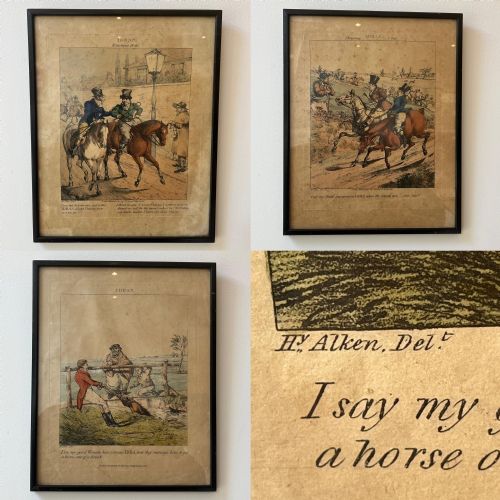
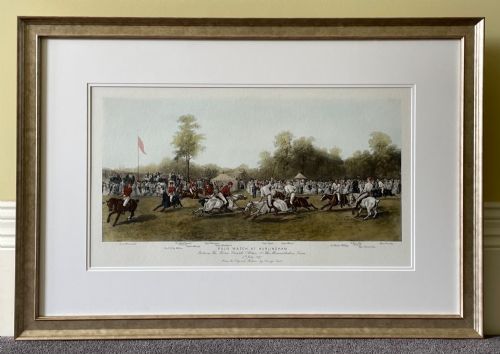
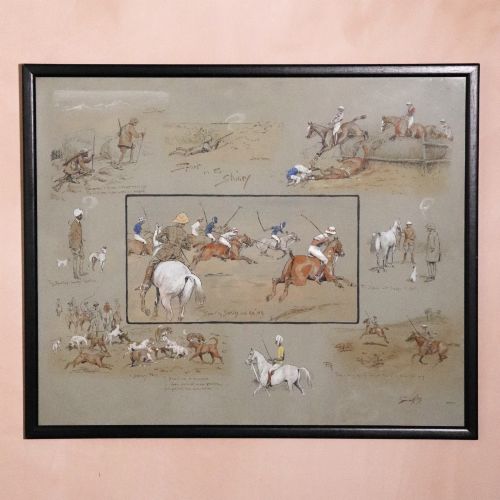
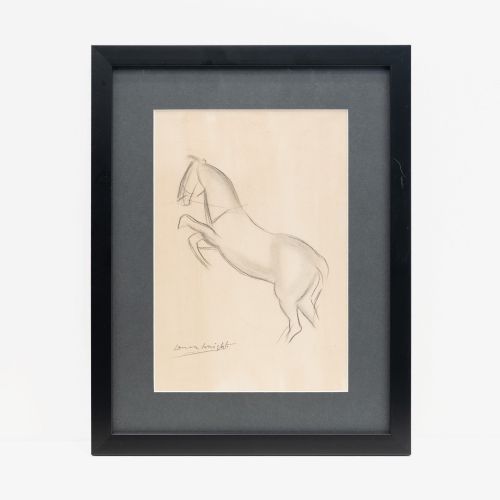
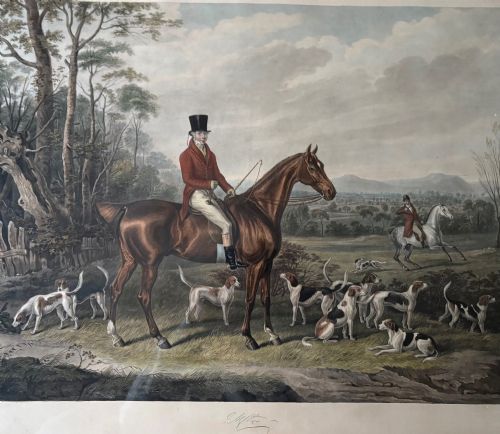
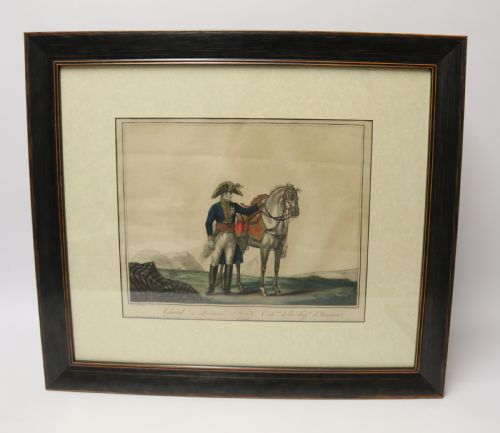
Paper equestrian artwork prints include hand-coloured engravings, lithographs, and original watercolours centred on hunting, racing, and military subjects. Buyers seeking paper equestrian artwork prints encounter framed works spanning the Georgian, Victorian, and Edwardian eras.
The selections range from single nineteenth-century sheets to complete sets depicting fox hunting, polo, and coaching scenes. Many examples showcase the distinctive hand of named sporting artists and illustrators.
Framed prints and original watercolours arrive ready for wall display, protected behind glass within wooden or gilt wood frames.
How they were made
Publishers and artists utilised copper plates and lithographic stones to transfer detailed line work onto paper sheets. Skilled hands then applied watercolour paint by brush to bring depth and colour to the printed scenes.
Works on paper required careful mounting within wooden frames, frequently protected beneath glass to shield the delicate ink and pigment from environmental moisture and light.
Paper Equestrian Artwork Prints Retail Price Guide 2026
Typical asking prices for paper equestrian artwork prints among the pieces listed under this phrase on Sellingantiques today, from the lower quarter to the upper quarter. They describe what is for sale here now, not the wider market.
Listings feature paper works incorporating watercolour, ink, and graphite across the Victorian, Edwardian, and Georgian periods.
What varies in quality
The distinction between ordinary prints and superior examples rests in the crispness of the original plate impression and the subtlety of any hand-applied watercolour. Early strikes from copper plates retain finer lines than later impressions.
The integrity of the paper support, the preservation of original hand-colouring, and the quality of the period framing all contribute to the standing of an individual piece.
The Paper Equestrian Artwork Prints Glossary
- Engraving
- A printmaking technique where an artist cuts lines directly into a metal plate with a sharp tool to hold ink. This method produces crisp, permanent lines on paper.
- Lithograph
- A planographic printing process based on the antipathy of oil and water, drawn upon stone or metal plates. It allows for soft tonal gradations in multi-coloured prints.
- Aquatint
- A variant of etching that achieves tonal areas resembling watercolours through acid-resistant resin patterns. Publishers often combined this with line engraving before hand-colouring.
- Chromolithograph
- A colour lithographic print produced using multiple stones, one for each colour applied. This technique allowed vibrant, multi-coloured reproductions without manual painting.
Paper Equestrian Artwork Prints: Frequently Asked Questions
How do I date an antique horse print?
Dating relies upon paper watermarks, the printing technique employed, and the style of dress or horse tack depicted in the image. Typographical style and publisher inscriptions also offer clues.
Comparing the paper quality and framing materials with known production periods helps narrow the date of creation.
Are these prints hand coloured?
Many nineteenth-century sporting prints received washes of watercolour applied by hand over a printed ink outline. This added individual character and naturalistic colour to mass-produced sheets.
Close inspection under magnification reveals brushstrokes and slight variations between copies of the same subject.
How should I frame and hang paper art?
Paper works require conservation-grade mounting materials that prevent acid transfer from backing boards. Keeping them out of direct sunlight preserves the fugitive watercolours and ink.
Displaying them in rooms with stable humidity levels protects the paper fibres and wooden frames from warping.
What subjects are most common?
Fox hunting, steeplechase racing, coaching scenes, and military cavalry subjects dominate this category. Artists captured both dramatic action and quieter sporting moments.
Series prints often depict sequential narratives of a hunt or sporting race from start to finish.