



Country House Horse Prints
Country house horse prints capture the spirit of British sporting art through framed prints, watercolours, and oils from the nineteenth and early twentieth centuries.
Country House Horse Prints
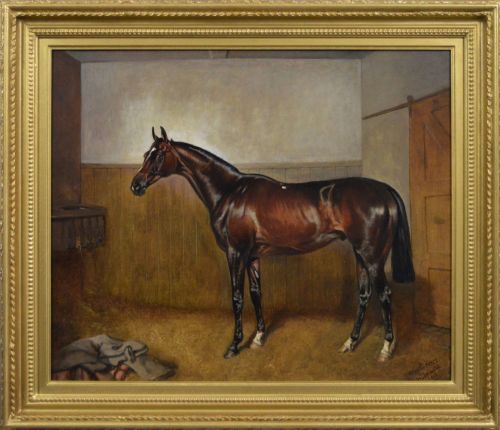
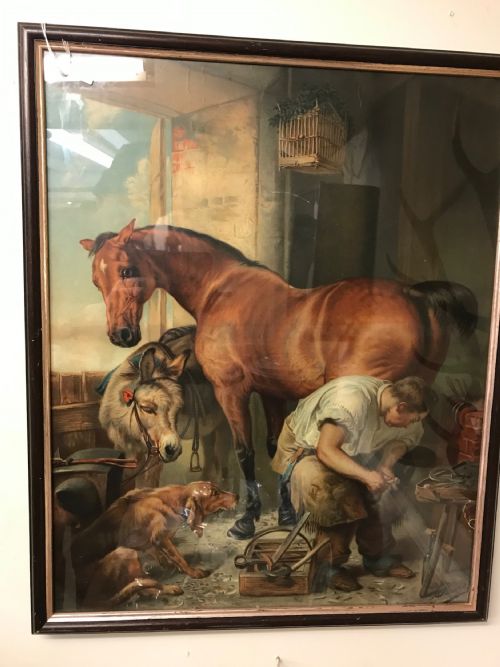
When you search for country house horse prints, you are looking at framed prints, watercolour paintings, and oil paintings that depict horses, hunting scenes, and racing subjects. These works span from the Victorian era into the 1920s and 1930s, reflecting the enduring British passion for equestrian sports.
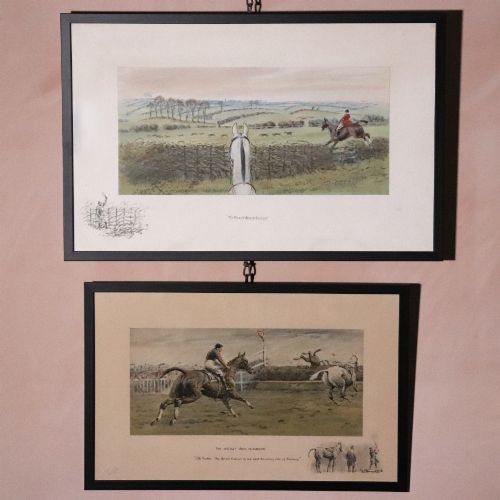
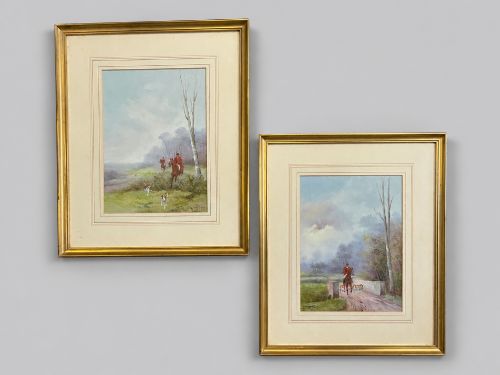
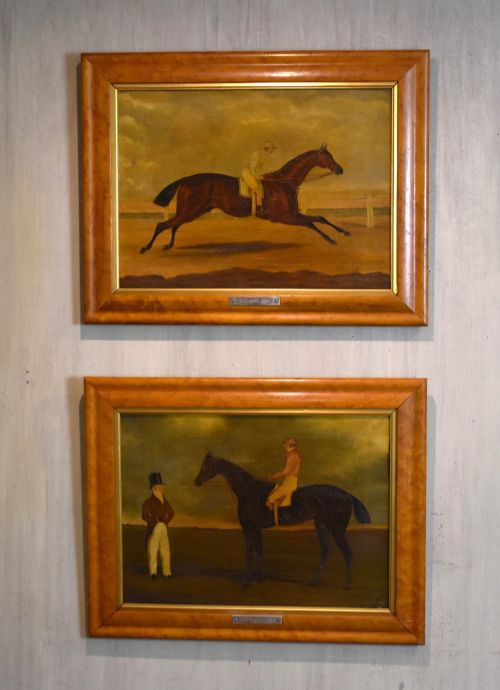
The pieces on this page lean heavily towards framed prints, including hand-coloured engravings and works after well-known artists, alongside original watercolours and oil paintings. You will find depictions of fox hunting, racing subjects such as Newcastle Races, and individual horse portraits in wooden and gilt frames.
Originating largely within the British sporting art tradition, these artworks bring the atmosphere of a traditional estate into a room. The forms range from pairs of hunting watercolours to individual framed prints produced in the Victorian and Edwardian periods.
How they were made
Many of these works utilise paper as the primary medium for engravings and prints, often enhanced by hand colouring to bring vibrancy to the riders and hounds. Engravings from the mid-nineteenth century relied on meticulous plate work before receiving individual washes of watercolour by hand.
Original works on this page employ oil on canvas and watercolour, mounted within wood, gilt wood, and glass frames. The framing materials often feature gilded or painted plaster finishes that complement the traditional subject matter.
Country House Horse Prints Retail Price Guide 2026
Typical asking prices for country house horse prints among the pieces listed under this phrase on Sellingantiques today, from the lower quarter to the upper quarter. They describe what is for sale here now, not the wider market.
Listings feature paper, wood, glass, and oil on canvas across Victorian and 1920s periods.
What varies in quality
The distinction between standard decorative pieces and finer works lies in the directness of the artist's hand and the fidelity of the medium. Original oil paintings and watercolours carry a depth of brushwork that mechanical prints simply do not possess.
Quality also rests in the preservation of the paper and pigment, where clean margins on engravings and stable paint layers on canvases mark out superior examples. The construction and finish of the original wood and gilt frames further separate ordinary items from those of greater distinction.
John Alfred Wheeler·Edwin Henry Landseer·John Frederick Herring Snr·John Atkinson
The Country House Horse Prints Glossary
- Hand coloured engraving
- An impression printed from an engraved metal plate that has subsequently had pigment applied by hand to the surface. This technique was common in nineteenth-century sporting prints to add life to riders and landscapes.
- Sporting art
- A genre of painting and printmaking dedicated to horses, hunting, racing, and shooting. It flourished in Britain through the Victorian period and into the twentieth century.
- Gilt wood
- Timber frames finished with a thin layer of gold leaf or metallic gilt paint. These frames were standard for framing oil paintings and important prints in country houses.
- Watercolour painting
- A work executed with water-soluble pigments on paper. This medium was frequently utilised for quick studies and finished hunting scenes alike.
Country House Horse Prints: Frequently Asked Questions
What subjects do these prints show?
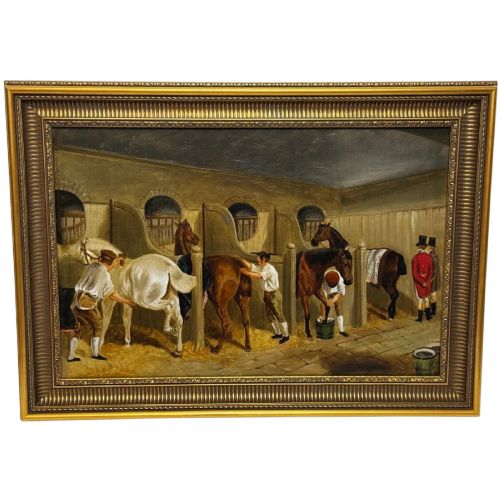
The pieces focus on equestrian subjects, including fox hunting scenes, racehorses, and stable management.
You will find specific depictions of hunts, race meetings such as Newcastle Races, and individual portraits of notable horses.
Are these works original?
The selection includes a mixture of original oil paintings, original watercolours, and period prints.
Some prints are original vintage publications from the early twentieth century, while others are period engravings published after well-known painters.
How should I frame them?
Many pieces come in their original wood, gilt wood, or glazed frames that suit the nineteenth and twentieth-century aesthetic.
Retaining these period enclosures helps preserve the character of works like hand-coloured engravings and nineteenth-century watercolours.
What periods do they cover?
The works span from the mid-nineteenth century through the Victorian era and into the 1920s and 1930s.
This timeframe encompasses Victorian equestrian art, Edwardian publishing, and early twentieth-century sporting prints.