



Paper Copperplate Engraving Print
When you search for paper copperplate engraving print, you are looking at centuries of ink transferred from metal plates to cotton sheets.
Paper Copperplate Engraving Print
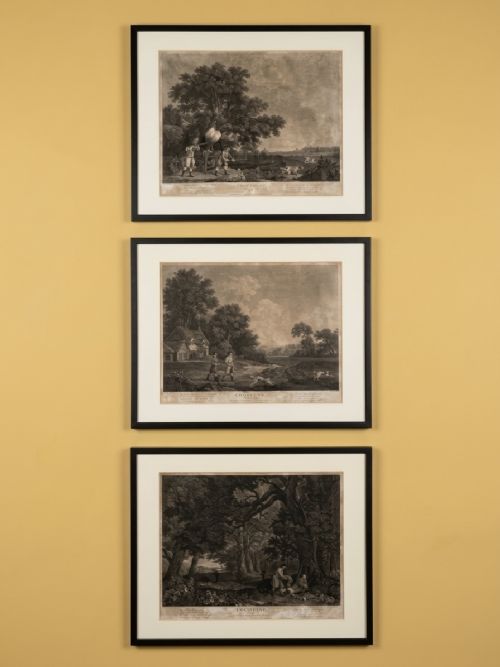
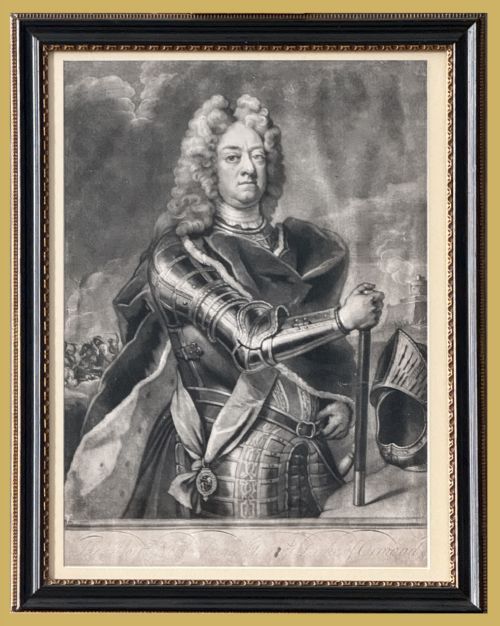
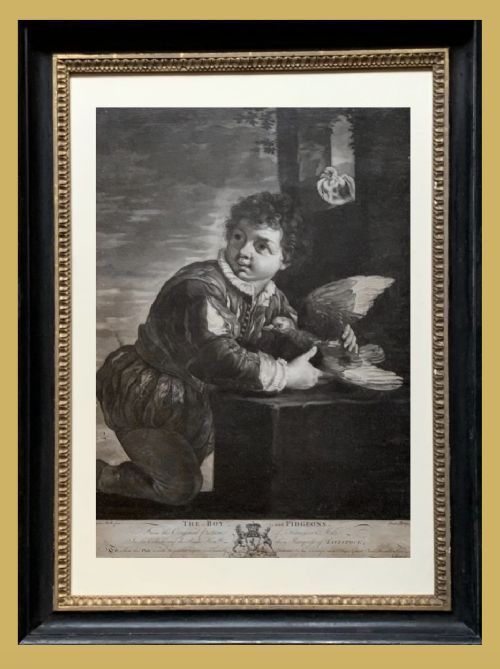
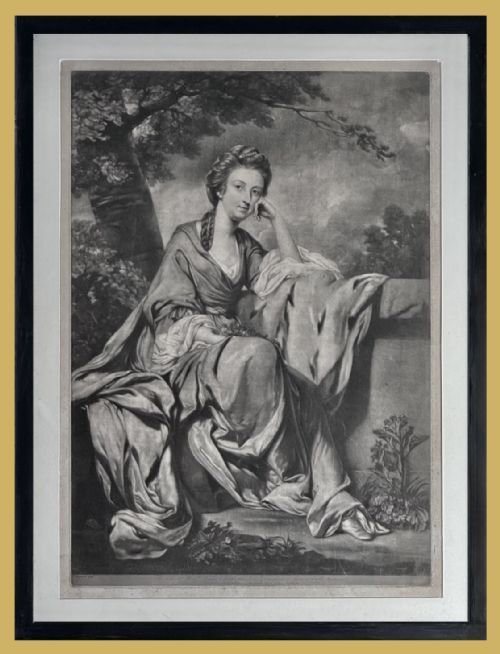
A paper copperplate engraving print brings historical imagery into domestic spaces through wall art, framed prints, and antique maps. Buyers searching this phrase meet portraiture, topographical cartography, and architectural studies spanning multiple centuries.
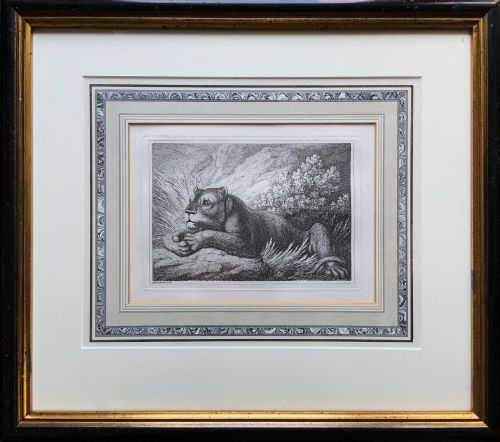
The material formats range from single sheet works on paper to framed pieces set behind glass with wooden or gilt wood surrounds. Many pieces originate from British, Dutch, and French workshops active during the Georgian and Victorian eras.
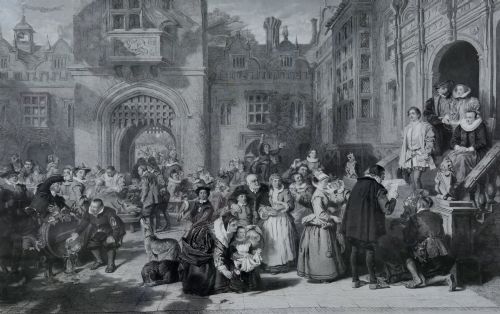
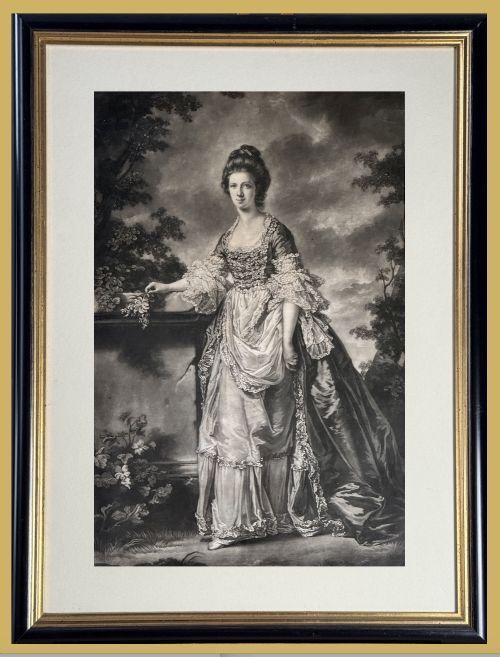
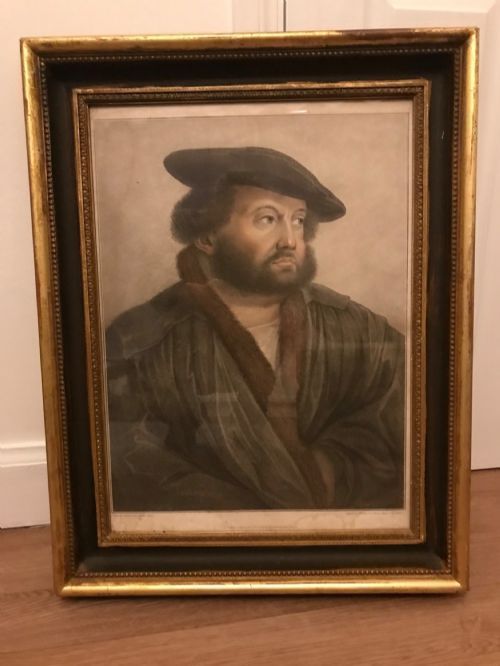
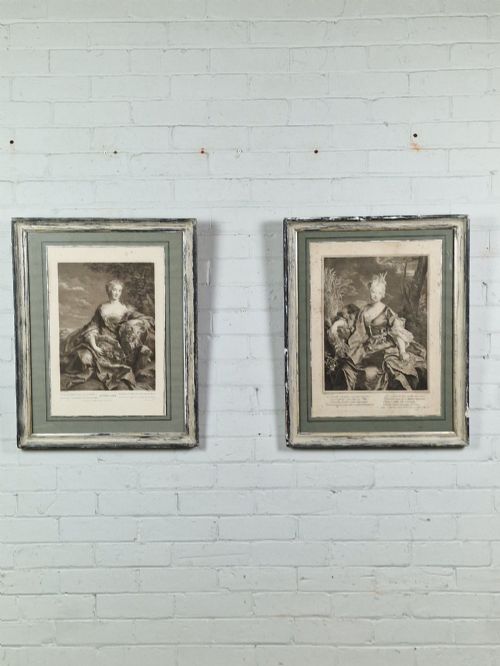
Portraiture and classical scenes dominate the selection, often preserved in original frames that complement the linear detail of the ink. These works capture figures from royalty and nobility alongside scientific and geographical documentation.
How they were made
Makers inscribed designs directly into metal plates using burins, etching acids, or mezzotint rockers to create depressions that held dark ink. Printers then pressed damp paper into these grooves under high pressure to transfer the fine lines.
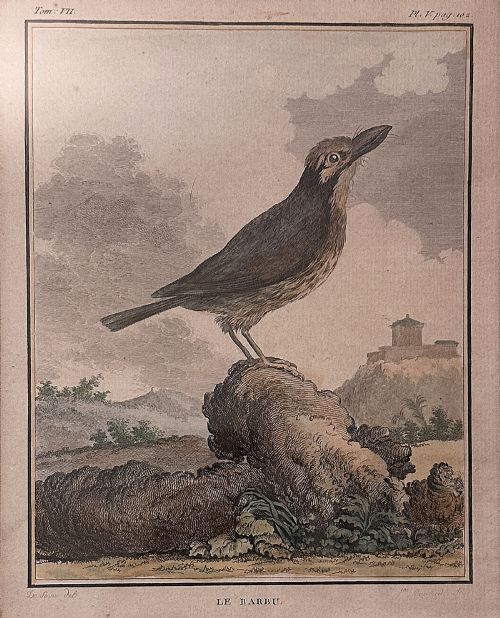
Some sheets received subsequent hand colouring with watercolour pigments applied over the monochrome ink foundation. The finished works were mounted on paper supports and frequently secured inside timber frames with glass protection.
Object forms include wall art, antique maps, architectural elevations, and detailed anatomical studies set within period wooden frames.
What varies in quality
The condition of the paper surface and the presence of contemporary framing materials influence the integrity of the object. Margins left intact around the platemark indicate careful preservation by past owners.
John Simon·John Boydell·Francesco Bartolozzi·John Smith·James Watson·Andrew Bell·François Perrier·Valentine Green·Jacobus Houbraken·Edward Stodart
The Paper Copperplate Engraving Print Glossary
- Platemark
- The indentation left in the paper by the edges of the metal plate during the printing process. This impression confirms the intaglio nature of the work.
- Mezzotint
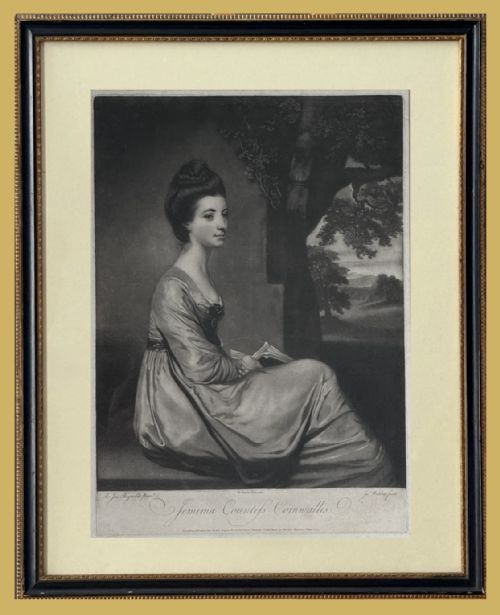
- A printmaking method where the copper plate is roughened uniformly to hold ink for rich dark tones. Lighter areas are scraped out to create tonal graduation.
- Stipple engraving
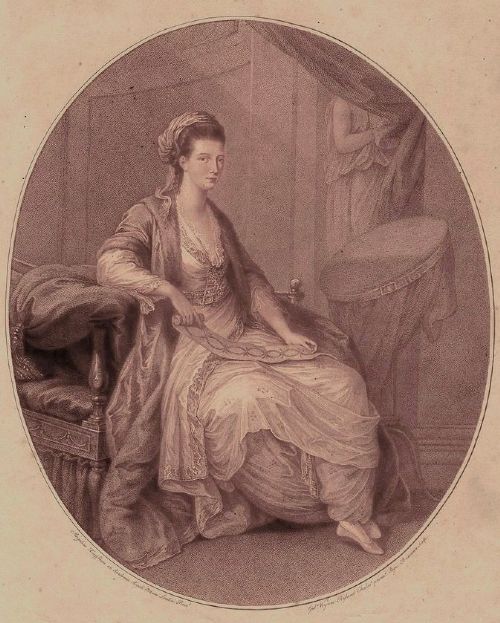
- A technique using dots of varying density rather than continuous lines to render form and shade. It produces soft tonal transitions particularly favoured for portraits.
- Cartography
- The study and practice of making maps, represented here through engraved regional surveys and town plans. These sheets combine scientific measurement with decorative cartouches.
- Intaglio
- A family of printing methods where the ink sits below the surface of the plate rather than on top. Copperplate engraving and etching both belong to this category.
Paper Copperplate Engraving Print: Frequently Asked Questions
How should I frame an old engraving?
Protect the paper from direct sunlight and moisture by using conservation grade mount board behind glass. Ensure the sheet does not touch the glass directly to prevent condensation damage.
Keep framed works away from fluctuating heat sources such as radiators to preserve the stability of both the paper and any original wooden frames.
What is the difference between an engraving and an etching?
An engraving is cut directly into the metal plate using a sharp tool called a burin, producing crisp and deliberate lines. An etching relies on acid biting into the metal through a protective ground layer.
Both techniques produce intaglio prints, but etchings often show freer, more fluid lines compared to the controlled precision of direct engraving.
How do I identify a mezzotint print?
Look for rich velvety dark areas and smooth tonal gradations instead of fine hatching lines. Under magnification, the surface reveals a pattern of tiny dots where the plate was roughened.
Mezzotints were especially popular for portraits because they could render subtle shifts in light and shadow across fabrics and skin.
Are these prints original period pieces?
The listings span seventeenth, eighteenth, and nineteenth century production dates, reflecting the active periods of the original plates. Contemporaneous impressions were printed close to the dates inscribed by the artists or publishers.
Examine the paper characteristics and plate impressions to understand the historical context of each individual sheet.