


Paper Chinese Painting
These paper chinese painting works range from delicate pith paper studies to bold scroll art, bringing historic East Asian artistry directly into your home.
Paper Chinese Painting
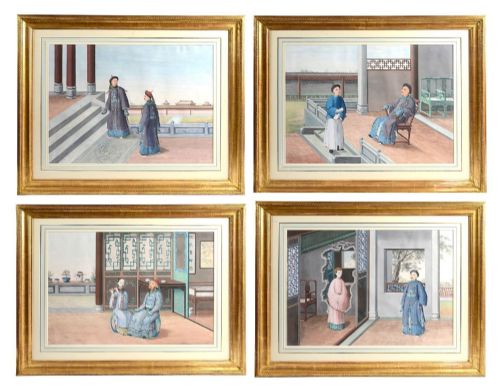
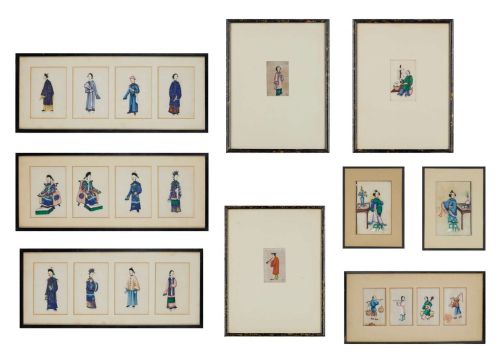
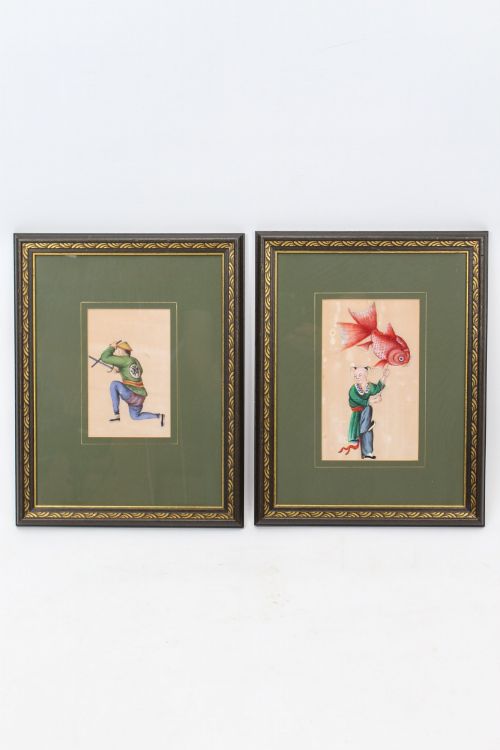
When you search for paper chinese painting, you encounter works spanning several centuries, with the nineteenth century heavily represented in the archive and current listings. These include framed gouache watercolours, ancestor portraits, and delicate studies rendered on pith paper.
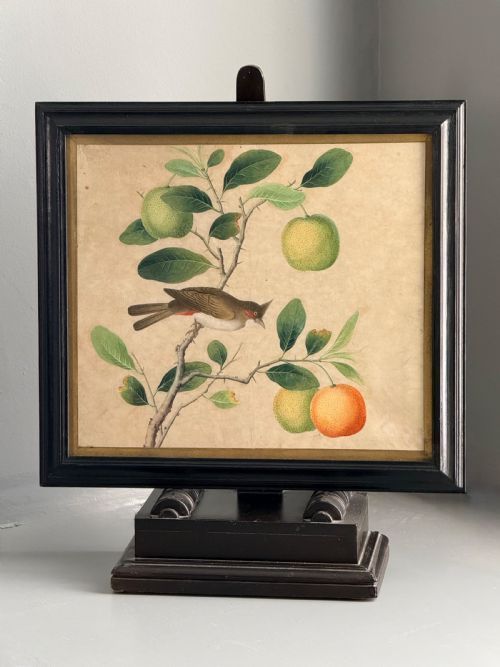
The subjects vary widely, moving from detailed figural scenes and interior views to botanical subjects like butterflies, insects, and fish. Sets of multiple paintings, whether mounted in frames or bound in albums, appear frequently alongside individual framed scrolls.
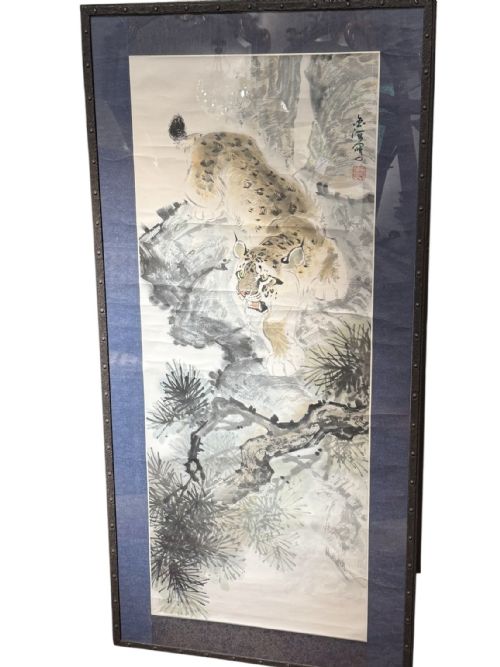
Export art created for Western markets forms a substantial portion of these pieces, particularly works originating from Canton. Alongside these export pieces, traditional scroll paintings depict figures such as the Daoist Immortal Jade Emperor or wildlife like the snow leopard.
Materials and execution
Artists relied primarily on paper, including pith paper and rice paper, alongside silk as a ground for their pigments. Gouache, watercolour, and ink provided the vivid colour palettes seen in works from the eighteenth century through to the mid-twentieth century.
Pith paper, often mistakenly called rice paper, provided a distinctive spongy surface that absorbed gouache and watercolour pigments to create a velvety, luminous effect. Wood and glass typically enclose these pieces within original or period frames.
Listings feature works spanning the 18th, 19th, and 20th centuries, executed in gouache, ink, and watercolour on pith paper, silk, and standard paper.
Distinguishing quality
Quality rests upon the intricacy of the brushwork and the preservation of the pigment, particularly on fragile pith paper where flaking can occur. Finer works display exceptional detail in human facial expressions, textiles, and entomological subjects.
The completeness of sets, such as groups of figural studies or botanical series, and the survival of original frames or albums significantly influence the character of an artwork.
Ya Ming
The Paper Chinese Painting Glossary
- Pith paper
- A delicate material cut from the pith of the Tetrapanax papyrifer plant, commonly used in nineteenth-century Chinese export painting. It possesses a unique velvet-like texture that catches watercolour and gouache pigments.
- Gouache
- An opaque water-based medium that delivers rich, solid colours. It frequently appears combined with ink on nineteenth-century Chinese export works.
- Scroll painting
- A traditional format of artwork mounted on flexible backing materials for rolling. These pieces depict subjects ranging from wildlife to religious figures.
- Chinese Export
- Art objects produced in China specifically for Western trade and overseas markets during the Qing dynasty and later periods. These items often blend traditional techniques with Western aesthetic preferences.
- Ancestor painting
- Formal portraits created to honour family lineage. They display meticulous attention to costume and rank insignia.
Paper Chinese Painting: Frequently Asked Questions
What is pith paper?
Pith paper is a delicate material derived from the cellular pith of a shrub native to southern China. Artists sliced it into sheets to create luminous watercolour and gouache paintings.
Because of its spongy texture, pigments sit slightly above the surface, giving these nineteenth-century paintings their characteristic velvety depth and vibrant colour.
How were these paintings used?
Many of these works were produced as export art for Western buyers who collected them in albums or framed them for display. Other pieces, such as ancestor portraits or scroll paintings, held specific ceremonial or decorative roles within traditional Chinese settings.
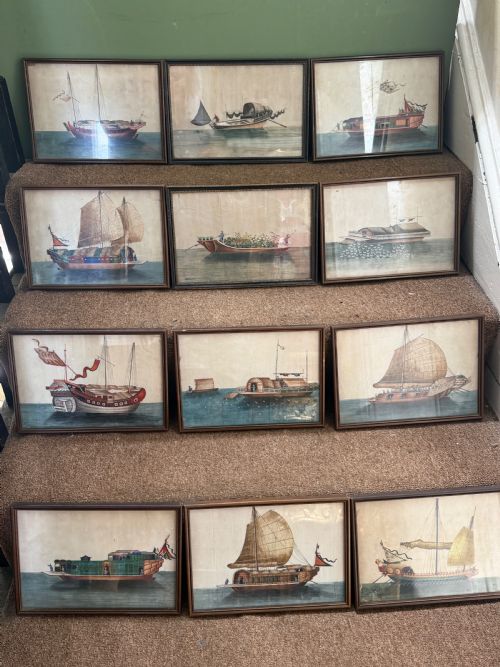
Export paintings often documented local trades, flora, fauna, and harbour scenes like junks for travellers visiting Canton.
How do I care for pith paper paintings?
These delicate works require stable environmental conditions away from direct sunlight to prevent the gouache and watercolour pigments from fading. Framing under glass protects the fragile pith paper from physical damage and airborne moisture.
Keep them in rooms with minimal humidity fluctuations to preserve both the paper ground and the framing materials.
How can I tell the periods apart?
Earlier eighteenth and nineteenth-century pieces often feature botanical studies, shipping scenes, and Canton figural groupings on pith paper. Later twentieth-century works, such as those signed by artists like Ya Ming, reflect mid-century modernist ink techniques within albums or individual sheets.
Examining the framing style, framing materials, and accompanying artist seals helps place a work within its historical context.