

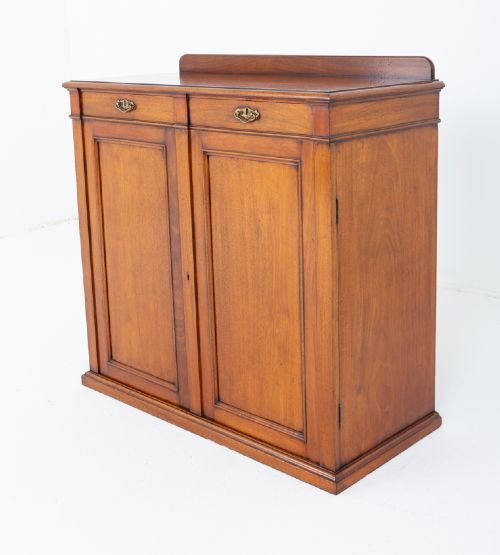
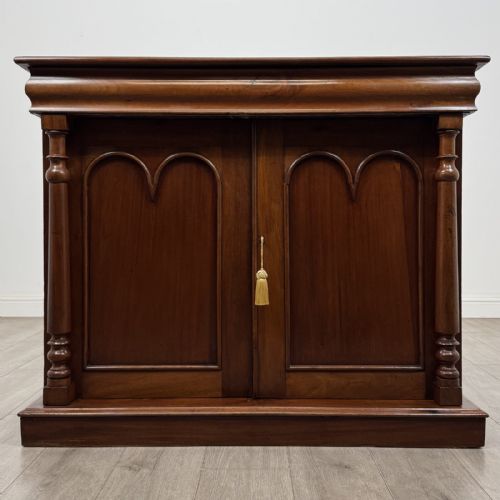
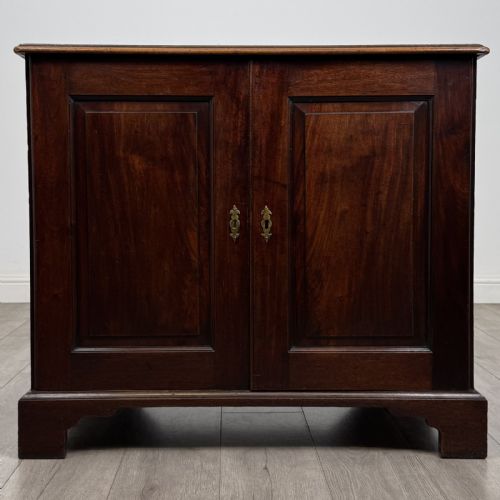
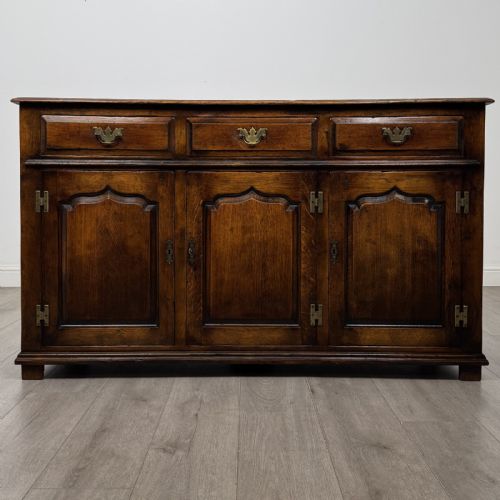
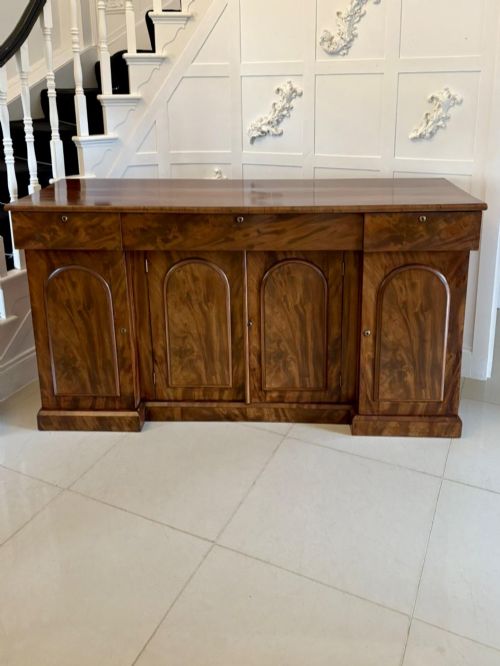
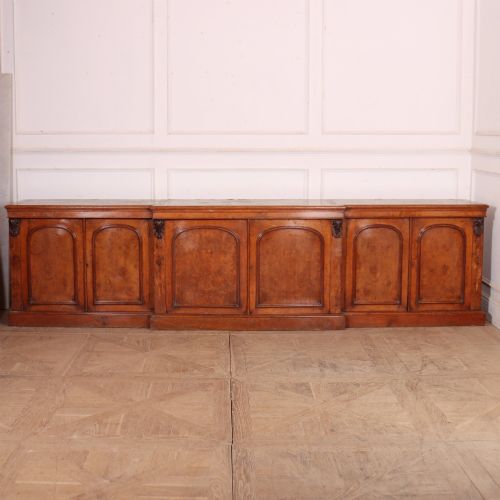
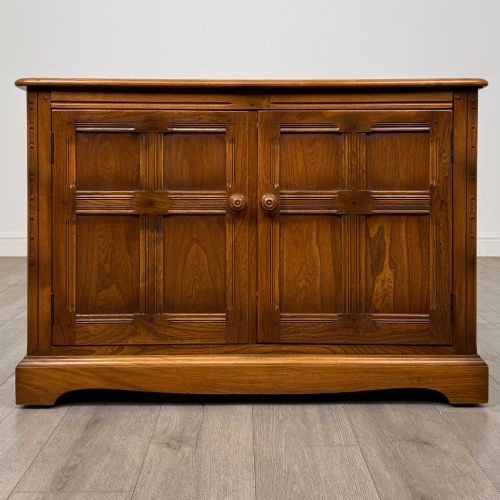
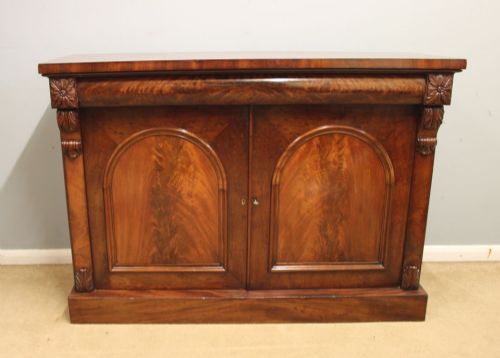
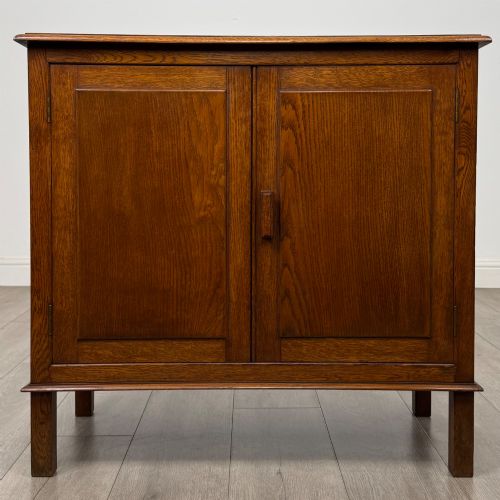
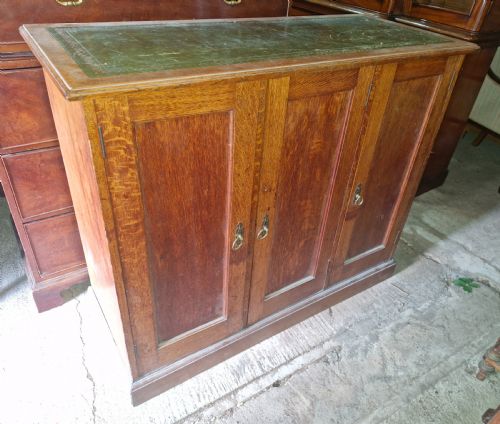
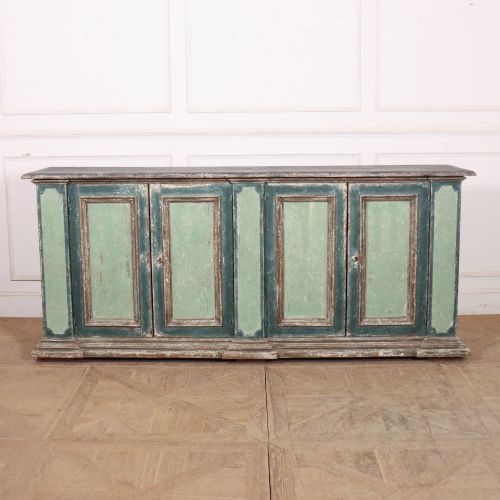
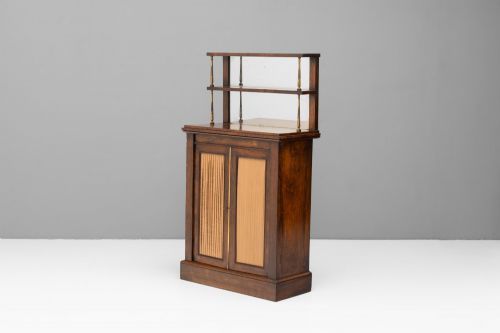
Panelled Door Credenza
A panelled door credenza brings architectural depth to a room through cabinet work built to store linen, silver, or dining ware.

Panelled Door Credenza
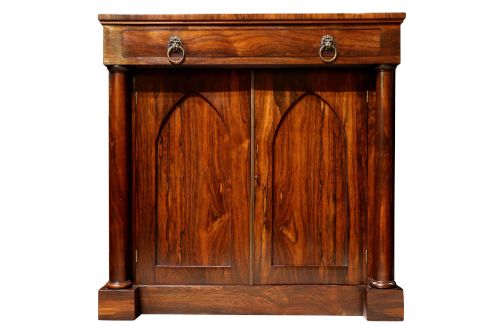
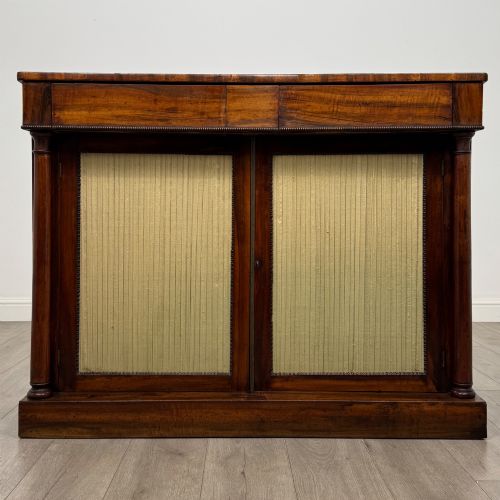
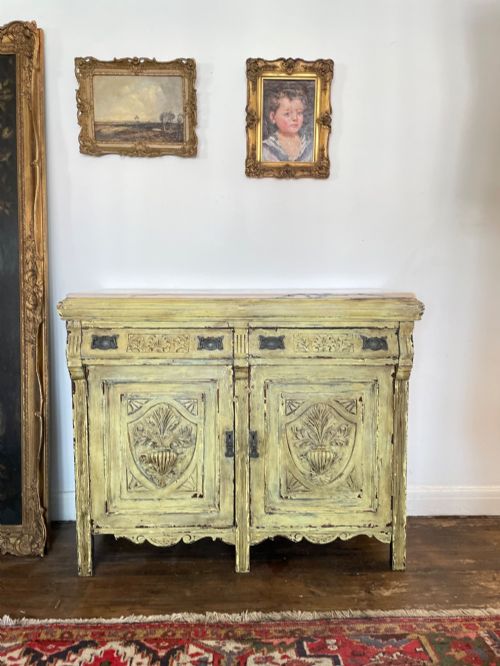
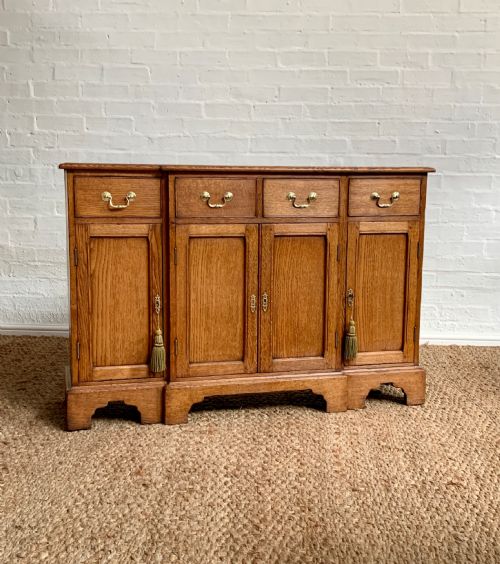
A panelled door credenza sits within a broad family of side cabinets, chiffoniers, and low cupboards designed for storage and display across dining rooms and parlours. When searching for a panelled door credenza, a buyer encounters pieces originating from the Georgian, Regency, and Victorian periods, alongside later twentieth-century interpretations in solid or golden oak. The materials span rich woods such as mahogany, rosewood, and walnut, complemented by painted surfaces and simpler pine or cherrywood constructions.
Most examples appearing in this selection lean toward nineteenth-century mahogany or oak formats, often featuring two or more recessed panels within the cabinet doors. Forms range from low cupboards and dwarf chiffoniers to taller breakfront cabinets and dresser bases. Regional variations introduce French provincial, Italian, and Scandinavian country vernaculars alongside traditional English cabinet-making.
These storage units served primarily to house dining room paraphernalia, linens, or serving pieces, functioning as both utility furniture and decorative focal points. The presence of raised or recessed wooden panels defines the aesthetic, separating these flat-front or breakfront items from plain glazed alternatives.
Materials and construction methods
Cabinet makers utilised dense hardwoods including mahogany, walnut, and rosewood for formal pieces, applying them as solid timbers or figured veneers over secondary woods. Oak and pine served extensively for sturdy regional cupboards, dresser bases, and utility cabinets intended for heavier daily service.
Panel construction relied on traditional frame-and-panel joinery, which allowed solid wood doors to expand and contract naturally with seasonal humidity changes without splitting. Secondary elements frequently incorporated brass hardware, iron fittings, and occasionally marble tops on continental buffets.
Panelled Door Credenza Retail Price Guide 2026
Typical asking prices for panelled door credenza among the pieces listed under this phrase on Sellingantiques today, from the lower quarter to the upper quarter. They describe what is for sale here now, not the wider market.
One remarkably honest listing simply offers a 'useful oak cupboard' for those who prefer straightforward utility over grand historical titles.
Distinctions in construction and finish
Quality rests upon the selection of timber grains, such as highly figured mahogany veneers or well-matched walnut, and the precision of the frame-and-panel joinery. Superior pieces display crisp mouldings, tight mitres, and heavy brass or iron hardware that remains original to the carcass.
Secondary wood choices and internal secondary framing indicate the workshop standard, where cleanly dovetailed drawers and panelled internal divisions separate high cabinet-making from utilitarian storage boxes.
The Panelled Door Credenza Glossary
- Credenza
- A sideboard or low cabinet historically used for storing and serving food. Modern usage often applies the term interchangeably with large sideboards and low storage cupboards.
- Chiffonier
- A compact sideboard or low cabinet equipped with drawers and panelled doors beneath, popular during the Regency and Victorian eras. These items typically stood against parlour walls to hold silver and glassware.
- Breakfront
- A cabinet design where the central section projects forward from the flanking wings. This configuration adds architectural depth and shadow to large sideboards and breakfront cupboards.
- Dresser Base
- A low freestanding cabinet featuring doors and drawers beneath a flat top, originating from country houses and farmhouses. They provide substantial interior storage beneath a robust work surface.
- Veneer
- A thin layer of highly figured or decorative wood applied over a stable secondary timber carcass. Master craftsmen used this technique to display dramatic grain patterns without risking the structural stability of solid timber.
Panelled Door Credenza: Frequently Asked Questions
What is a panelled door credenza?
A panelled door credenza is a low storage cabinet or sideboard characterised by wooden doors constructed with inset panels. These pieces function as decorative storage units in dining rooms and living spaces.
They bridge the gap between utility cupboards and formal display furniture, drawing on historical styles ranging from the Georgian period through to the early twentieth century.
How were these cabinets originally used?
These cabinets served primarily to store table linen, cutlery, china, and dining room provisions within manor houses and parlours. The flat top surface also provided a convenient stage for serving food or displaying decorative objects.
In domestic settings, they acted as primary storage hubs for household goods before fitted kitchen cabinetry became standard.
How do I distinguish between Regency and Victorian pieces?
Regency pieces often display restrained classical proportions, rosewood or mahogany timbers, and brass inlay or subtle mouldings reflecting ancient Greek and Roman influences. Victorian examples tend to be heavier, utilising figured mahogany or golden oak with bolder carvings and more robust cornices.
Examining the internal construction, secondary woods, and hardware styles helps confirm the specific era of manufacture.
How do I care for antique wood surfaces?
Antique timber benefits from consistent indoor humidity and protection from direct sunlight, which can fade rosewood and mahogany finishes. Regular applications of traditional beeswax nourish the grain and maintain a soft lustre without building up synthetic residues.
Avoid placing damp items or unsealed pottery directly onto historic polished tops to prevent ring marks and surface staining.