



Paneled Wood Chest
A paneled wood chest brings centuries of fitted joinery and secure storage directly into a room.
Paneled Wood Chest
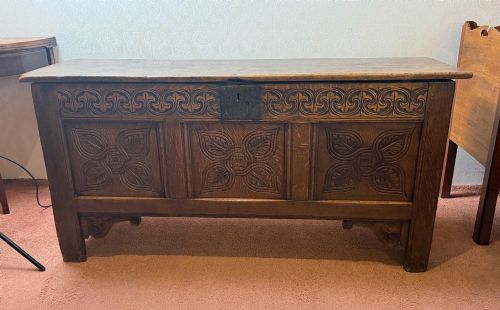
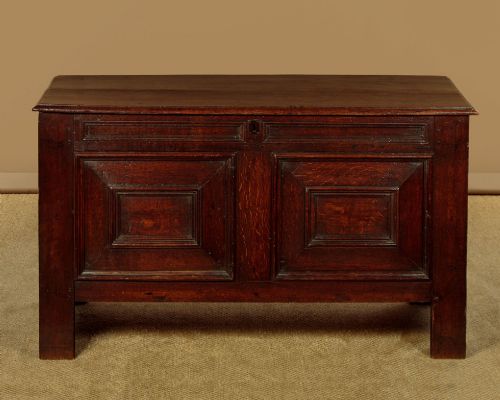
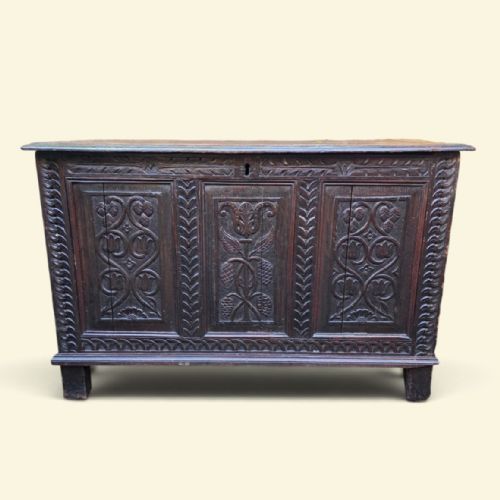
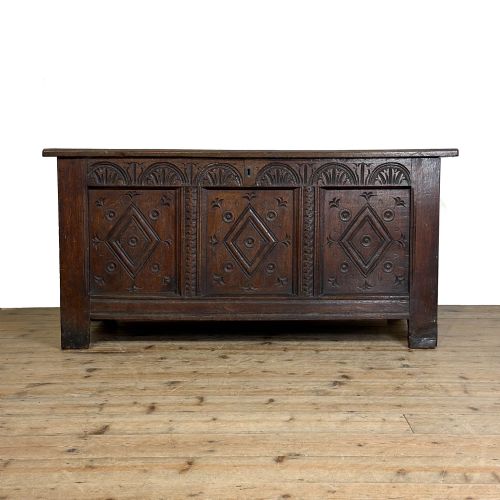
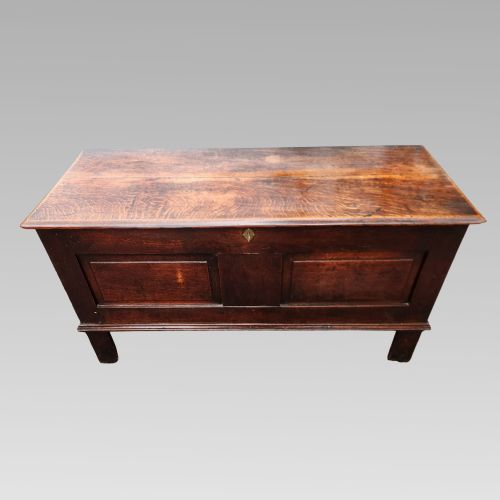
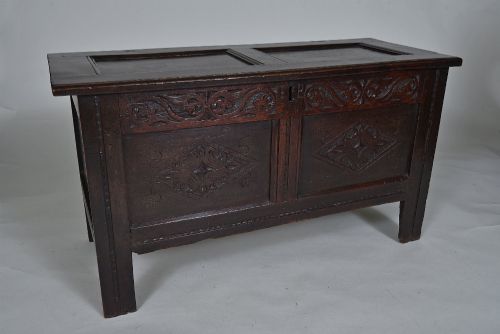
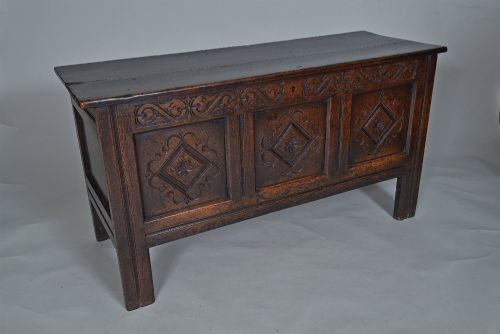
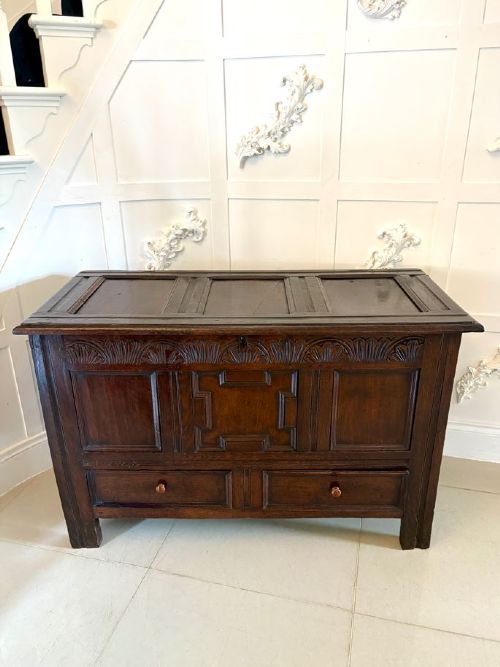
A paneled wood chest is a foundational storage piece built to hold textiles, valuables, and household goods. When searching for a paneled wood chest, buyers encounter robust examples spanning the sixteenth to the twentieth centuries, with seventeenth- and eighteenth-century pieces appearing most frequently.
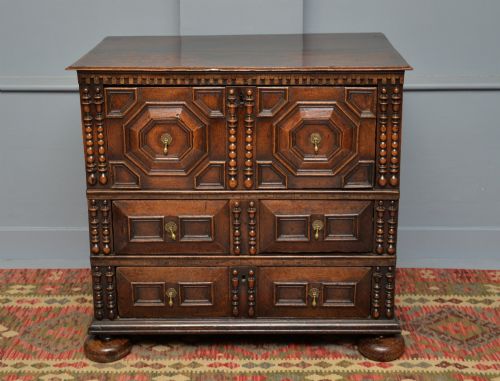
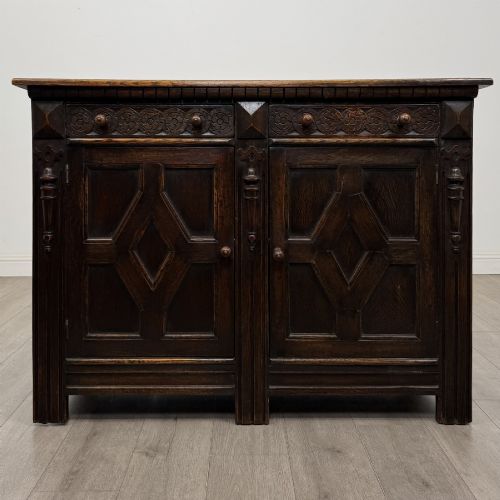
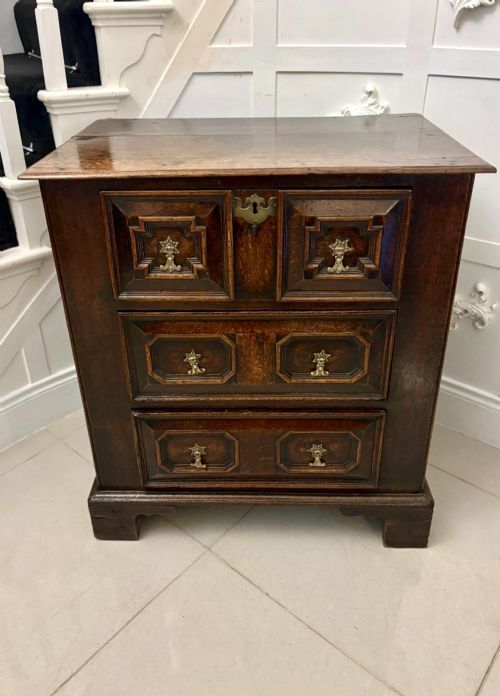
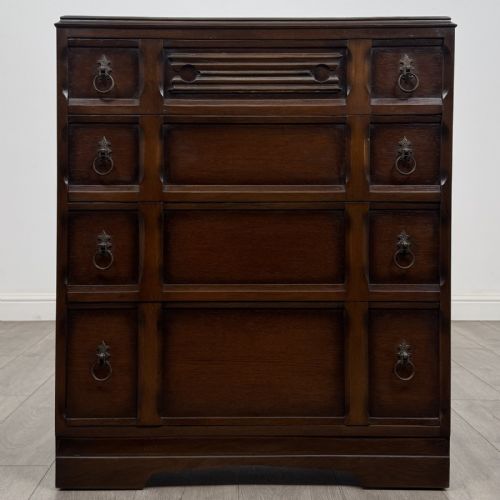
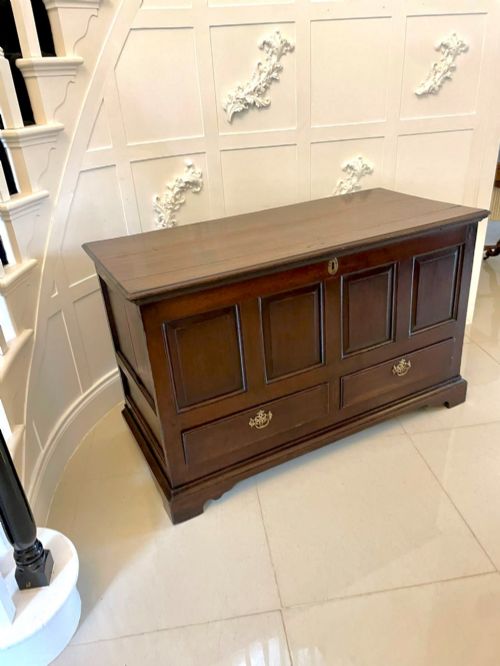
The material palette centres heavily on solid oak, alongside walnut, mahogany, fruitwood, and various hardwoods. Forms range from simple blanket boxes and coffers to mule chests equipped with lower drawers, as well as occasional chests of drawers and cupboards.
Origins stretch from English country workshops to regional hubs like Dorset, alongside international examples including Portuguese Colonial and Chinese pieces. Stylistic influences incorporate Jacobean geometry, Charles II details, and Georgian proportions.
How they were made
Makers constructed these pieces using frame-and-panel construction, allowing the solid timber to expand and contract safely with humidity changes. Pegs and mortise-and-tenon joints secured the structural framework without relying on modern adhesives.
Surface decoration relied on hand-carved motifs, linenfold patterns, and geometric mouldings worked directly into the grain. Iron and brass hinges, locks, and brackets provided functional reinforcement and mechanical security.
Paneled Wood Chest Retail Price Guide 2026
Typical asking prices for paneled wood chest among the pieces listed under this phrase on Sellingantiques today, from the lower quarter to the upper quarter. They describe what is for sale here now, not the wider market.
Storage forms include coffers, mule chests, blanket boxes, and linen presses.
What varies in quality
The grade of timber and the crispness of the hand-carved panels define the upper tier of these pieces. Dense, figured grain and well-balanced proportions indicate a workshop of superior skill.
Original iron or brass hardware and intact internal till boxes elevate a piece's integrity. Secondary woods used in linings and the survival of early finishes further distinguish standard utility items from exceptional examples.
The Paneled Wood Chest Glossary
- Coffer
- A heavy chest traditionally used for storing valuables and documents. Many feature hinged lids and sturdy paneled construction.
- Mule chest
- A storage chest with one or more drawers built into the base beneath the main compartment. This form bridges the gap between a standard blanket box and a chest of drawers.
- Linenfold
- A style of carved wooden panel resembling folded cloth. This motif gained widespread popularity during the Tudor and seventeenth-century periods.
- Crossbanding
- A border technique where thin strips of veneer are laid across the grain to frame a drawer front or top panel. It adds decorative contrast to walnut and mahogany surfaces.
- Stile
- The vertical upright member in a frame-and-panel assembly. It holds the horizontal rails that secure the central floating panel.
Paneled Wood Chest: Frequently Asked Questions
What is a paneled wood chest used for?
These pieces served historically to store household linens, winter garments, and important documents securely. Today, they function as practical blanket boxes, coffee tables, or end-of-bed storage.
The deep interior space accommodates bulky items while keeping rooms tidy. Their sturdy tops also allow them to double as casual seating benches in hallways and living areas.
How do I tell a seventeenth-century chest from a later revival piece?
Early pieces display hand-split timber, trammel-marked joinery, and tool marks left by pit saws and adzes. The interior construction often shows pegged joints and hand-forged iron nails.
Revival pieces from the nineteenth and twentieth centuries typically exhibit uniform machine-sawn lumber and standardised modern screws. Examining the underside and backboards reveals the true age of the construction methods used.
What is the difference between a coffer and a mule chest?
A traditional coffer consists of a single deep box accessed solely by lifting the top lid. Retrieving items from the bottom requires removing everything stacked above.
A mule chest incorporates one or more drawers beneath the main storage well. This addition allows daily access to smaller garments without disturbing the items stored in the upper compartment.
How should I care for an antique wooden chest?
Keep the wood away from direct heat sources, radiators, and strong sunlight to prevent the panels from splitting or warping. Maintaining a stable indoor humidity preserves the old timbers and historic finishes.
Apply a traditional beeswax polish occasionally to nourish the surface grain. Avoid modern silicone sprays, which can penetrate open grain and damage historical polishes over time.