

Paired Console Tables
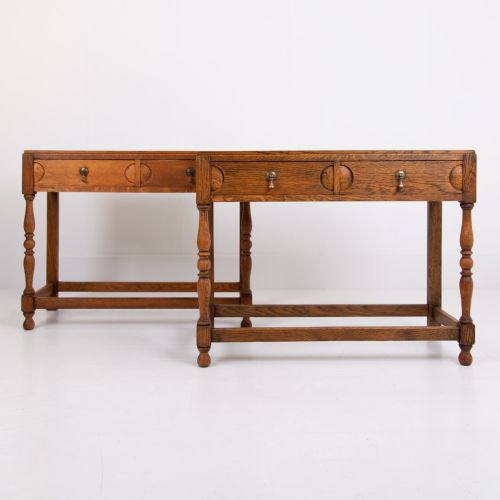
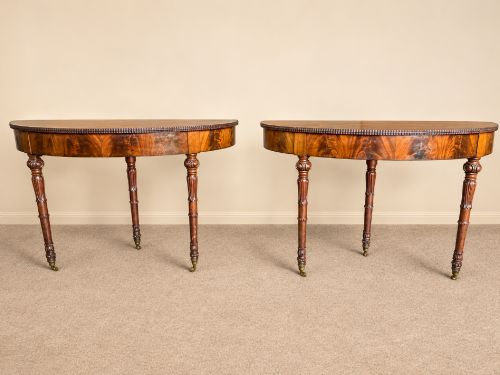
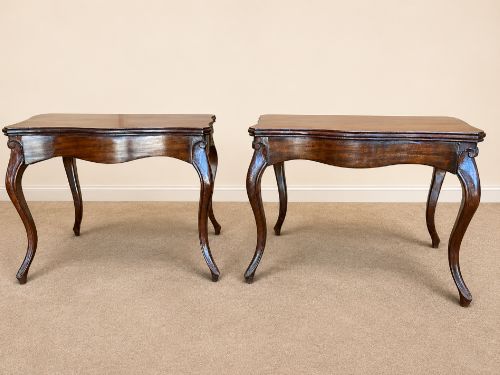
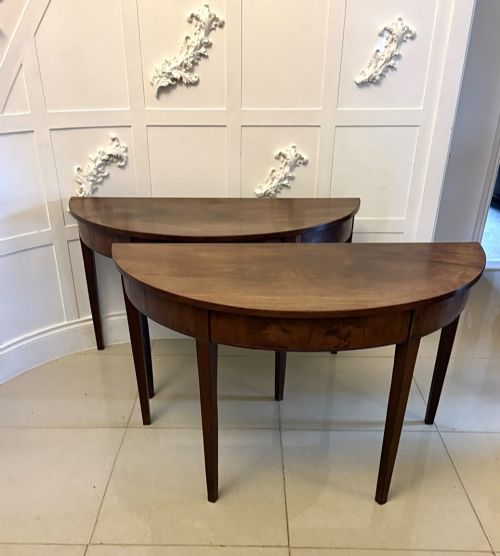
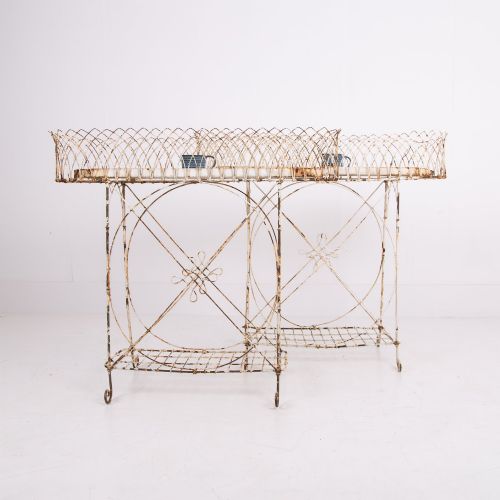
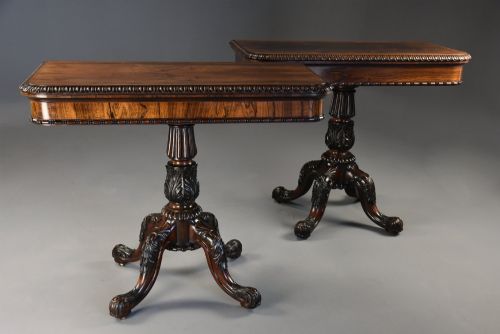
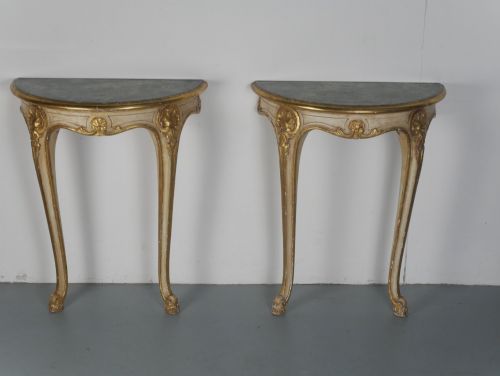
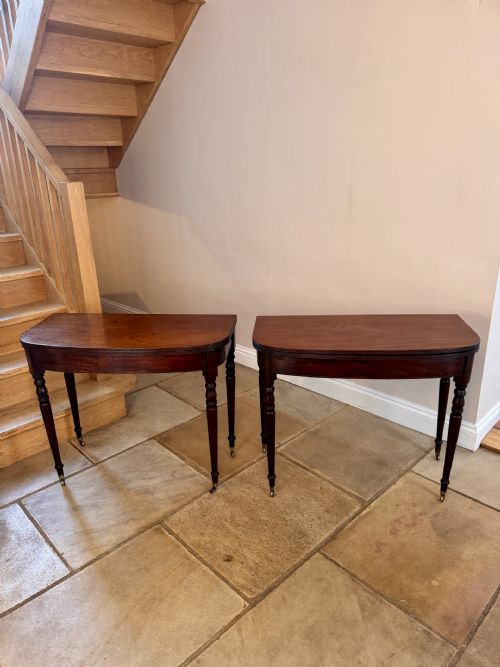
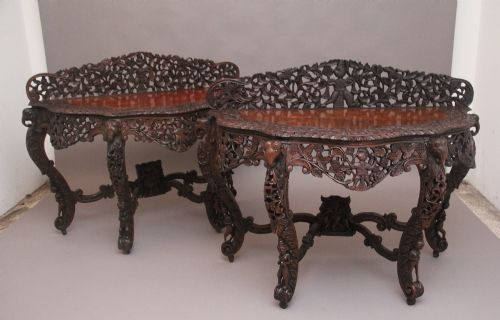
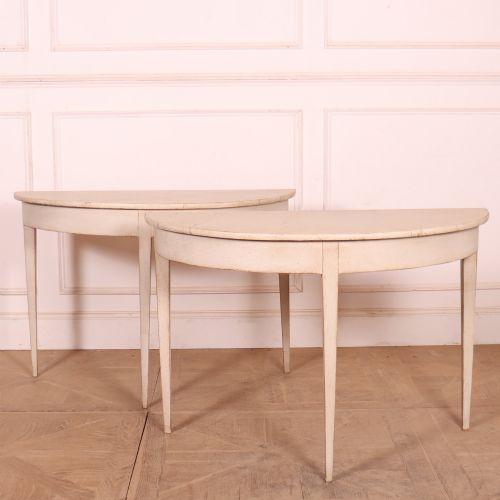
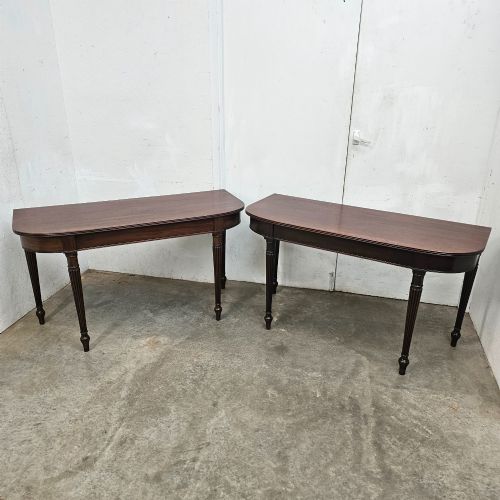
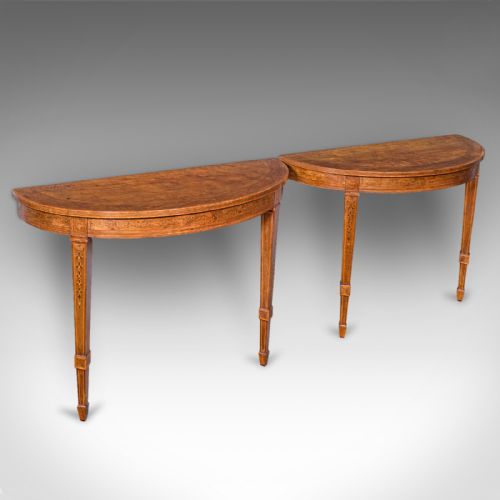
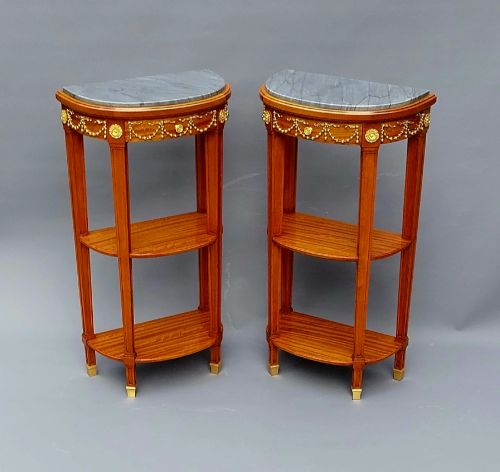
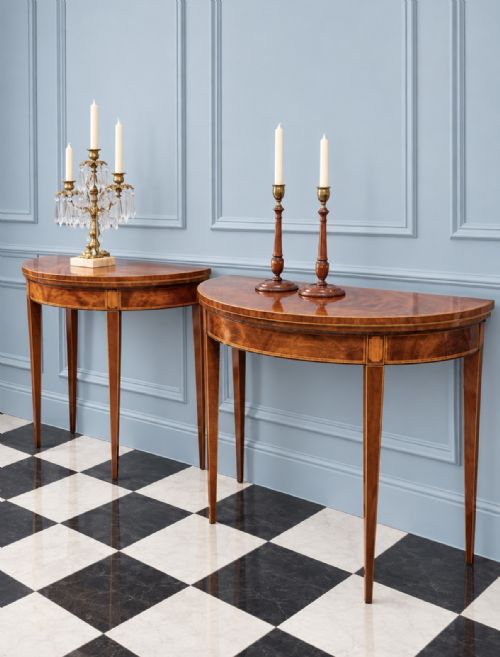
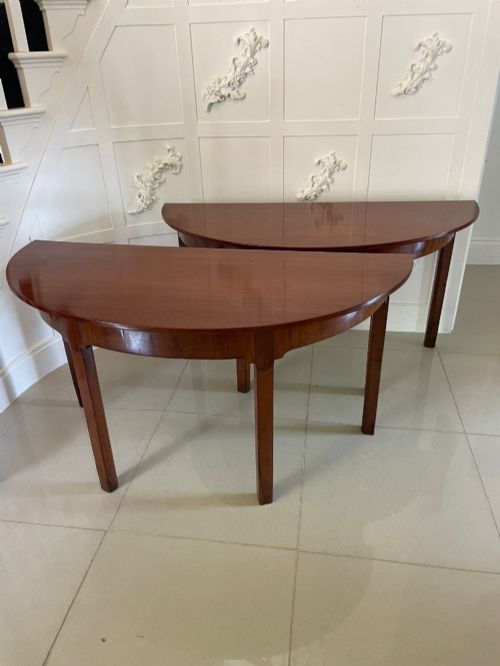
Paired console tables match identically or balance each other across a room, bringing symmetry to a hallway or drawing room.
Paired Console Tables
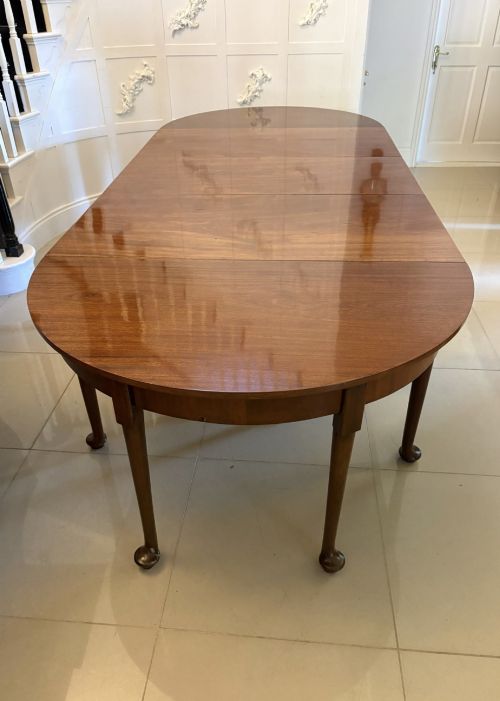
When you search for paired console tables, you are looking at matching sets designed to stand against a wall, often taking the form of demi-lune, card, or side tables. The version you are most likely to meet on this page dates from the eighteenth or nineteenth century, rooted in Georgian and Regency aesthetics.
Many examples emerge in figured mahogany, rosewood, or satinwood, while others appear with painted wood or giltwood finishes. These pieces frequently incorporate marble tops or brass mounts, reflecting the formal interior schemes of their origins.
Materials and Construction
Cabinetmakers constructed these tables using dense timbers like mahogany, rosewood, and oak, often applying marquetry or inlay in satinwood to create decorative surfaces. Structural stability relied on precise joinery, with timber selected for its grain pattern, such as figured mahogany or birdseye maple.
Surface treatments included hand-carved detailing, French polishing, and gilt bronze mounts. Marble tops were fitted directly onto wooden frames, particularly on Italian and French examples, while painted finishes utilised layered pigments on wood.
Paired Console Tables Retail Price Guide 2026
Typical asking prices for paired console tables among the pieces listed under this phrase on Sellingantiques today, from the lower quarter to the upper quarter. They describe what is for sale here now, not the wider market.
Object types span console tables, card tables, side tables, and occasional tables originating from British, French, Italian, and Spanish workshops.
Quality Variations
The distinction between tiers of quality rests on the selection of timber veneers and the precision of the cabinetmaker's hand. Superior examples display uninterrupted grain alignment across both tables and crisp, deep carving rather than shallow moulding.
Original hardware, integral marble slabs, and untouched patination elevate an item considerably. Variations also depend on the complexity of the form, such as metamorphic capabilities or intricate brass inlay work.
Krieger Paris
The Paired Console Tables Glossary
- Demi-lune
- Half-moon shape. These tables stand flat against the wall with a curved front edge.
- Giltwood
- Wood coated with gold leaf or gold paint. This finish appears frequently on decorative frames and neoclassical console tables.
- Marquetry
- Decorative veneer patterns made from different woods. Craftsmen assemble geometric or floral designs on the table top.
- Satinwood
- A pale, lustrous timber from tropical trees. Cabinetmakers used it extensively for inlay and veneering during the eighteenth century.
- Card table
- A fold-over table designed for games. These pieces often feature a baize-lined interior and swivel tops.
Paired Console Tables: Frequently Asked Questions
Where do these tables go?
Paired console tables typically stand in entrance halls, beneath mirrors, or flanking a fireplace in a drawing room. Their shallow depth allows them to occupy narrow circulation spaces without blocking walkways.
Positioning them symmetrically creates a formal focal point in a room. They also function as serving surfaces during gatherings or support lamps and decorative objects.
How do I identify Regency pieces?
Regency console tables generally date from the early nineteenth century and draw heavily on classical Greek and Roman motifs. Look for rosewood timber, brass inlay, and carved paw feet.
These pieces often incorporate bold architectural lines and dark woods contrasted with metallic elements. The style reflects a distinct shift toward archaeological exactitude in British design.
Are marble tops original?
Marble tops on nineteenth-century console tables, particularly those of French or Italian origin, were standard inclusions designed to provide a durable and luxurious surface. They rest directly on the wooden framework of the table base.
Checking the underside reveals the seating of the stone and the alignment with the wooden moulding. Original slabs show appropriate edge wear and consistent weight distribution.
Can I use card tables open?
Card tables feature a hinged top that folds open to double the surface area, supported by a swing leg or a gateleg mechanism. Many retain their original baize or leather playing surfaces on the interior.
While they function well open for writing or display, the hinge mechanism is best treated with care. Using them open provides a versatile table surface when extra room is needed.