
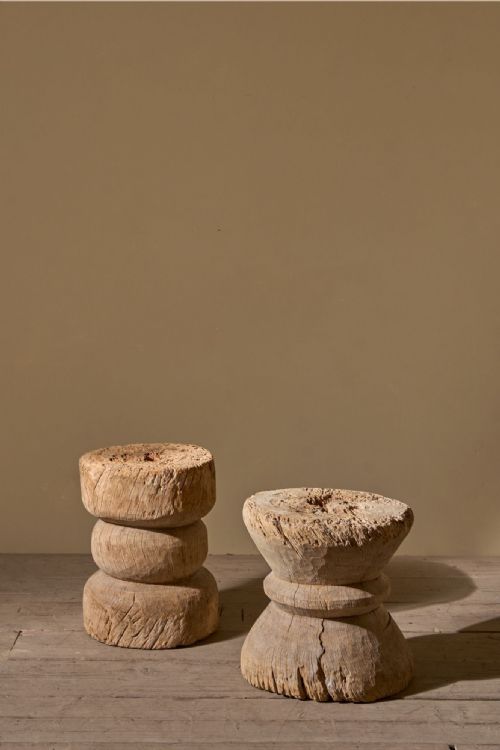
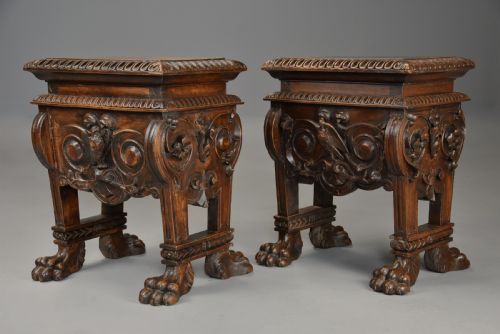
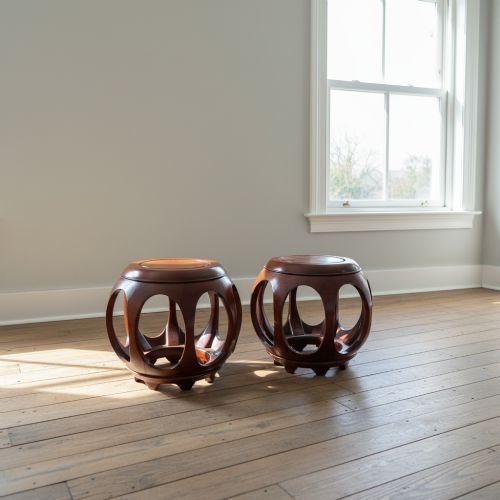
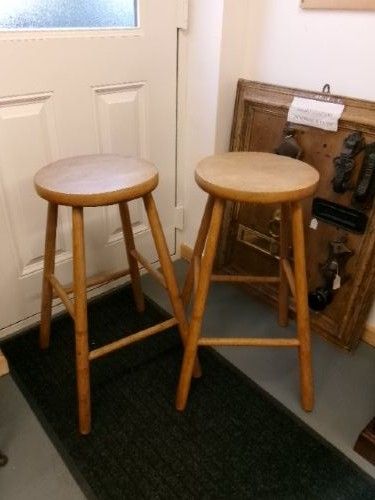
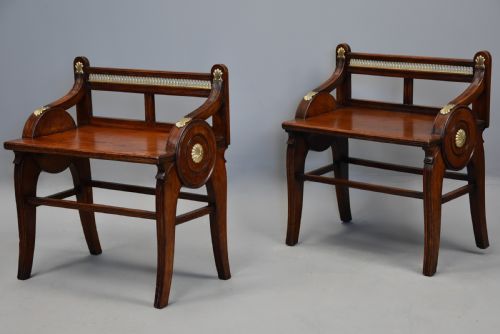
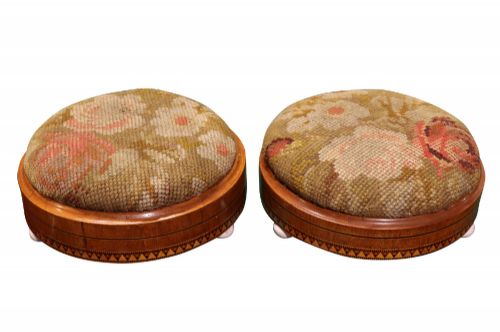
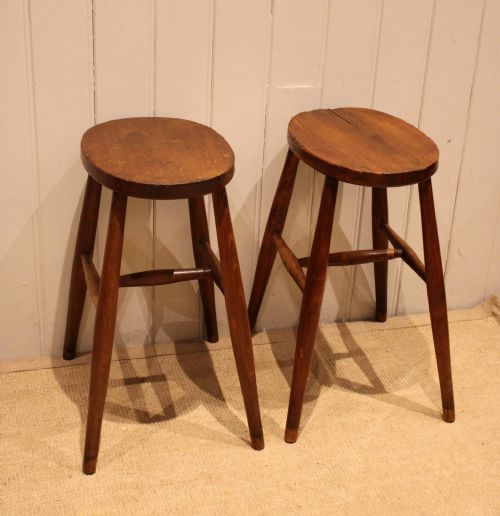
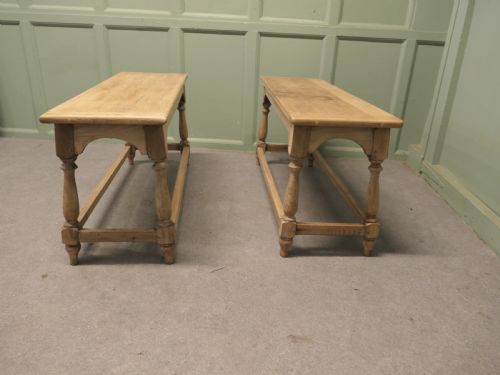
Pair Wooden Stools
Pair wooden stools bring matching timber character to a room, offering versatile seating or display surfaces shaped by centuries of craftsmanship.
Pair Wooden Stools
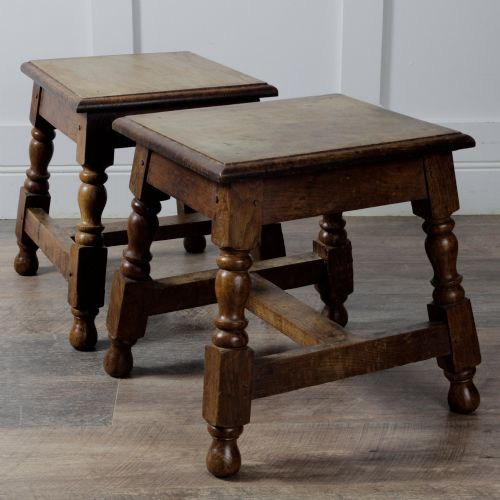
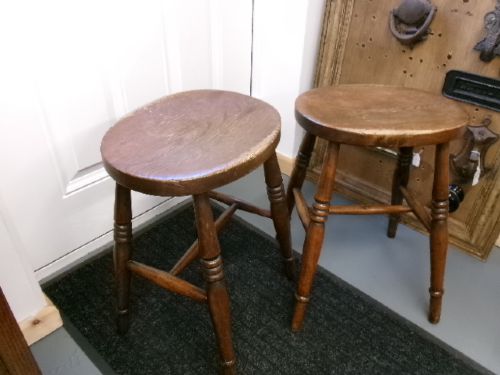
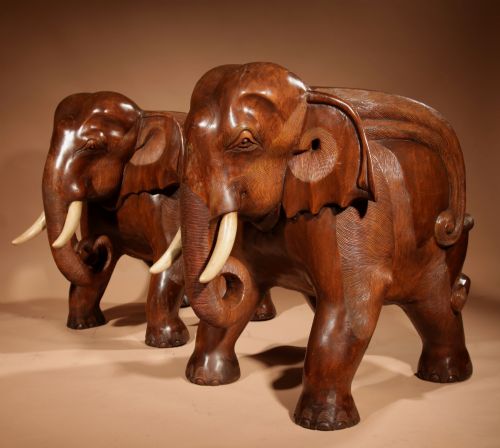
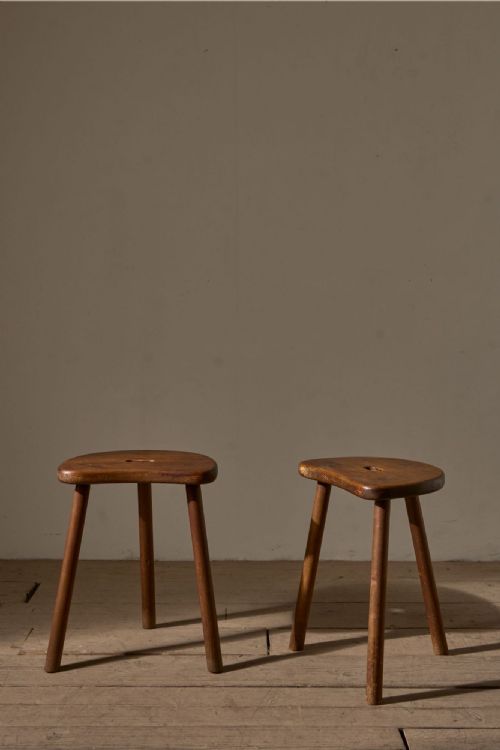
Pair wooden stools encompass everything from simple rustic seating to formal period seating, all sharing the core format of matched dual timber items. When searching for pair wooden stools, buyers encounter diverse forms ranging from vernacular joint stools to carved walnut and exotic hardwood barrel designs.
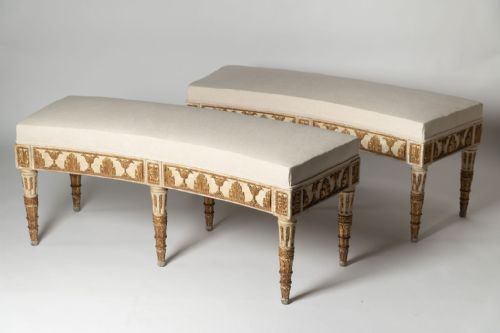
The selections span numerous eras, with nineteenth-century oak and elm examples sitting alongside eighteenth-century Italian walnut pieces and twentieth-century interpretations. These items function equally well as seats, side tables, or plant pedestals depending on their height and top construction.
How they were made
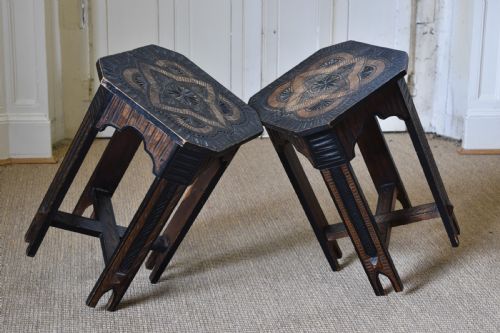
Makers utilised solid timbers such as oak, elm, mahogany, walnut, and regional hardwoods, joining components with traditional carpentry methods. Many early examples employ joint construction, while others feature turned legs, chip carving, or applied brass and leather details.
Surfaces receive varied finishes including natural wax, paint, lacquer, or bleached treatments that highlight the grain. Structural integrity relies on sturdy joinery, whether through pegged mortise and tenon joints or simpler pegged frames.
Listings feature woods including oak, elm, mahogany, walnut, yew, and Asian hardwoods across multiple centuries.
What varies in quality
Quality reveals itself through the selection of timber and the crispness of any carved decoration. Solid burr wood, detailed chip carving, or substantial hardwood substance elevate certain specimens above standard utility items.
The integrity of the matching pair aspect dictates worth, ensuring proportional harmony and identical wood patination between both items. Superior examples retain their original surface treatments and structural stability without excessive later alterations.
James Shoolbred And Co·Jack Grimble
The Pair Wooden Stools Glossary
- Joint Stool
- A sturdy wooden seat constructed with mortise and tenon joints, typical of seventeenth and eighteenth-century domestic interiors. These pieces often feature pegged stretchers beneath the seat for added stability.
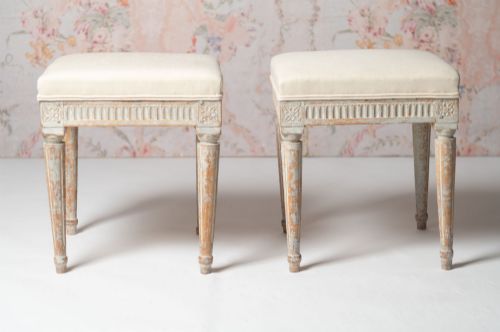
- Gustavian
- The Swedish interpretation of neoclassical style, characterised by pale painted finishes and restrained classical carving. Pieces from this tradition often utilise light woods and muted colour palettes.
- Hongmu
- A Chinese term denoting dense, heavy hardwoods used in traditional furniture making. Items fashioned from this material frequently display rich natural dark tones and intricate carving.
- Dished Top
- A seat surface hollowed out into a shallow concave basin for comfort. This ergonomic shaping appears on various tavern and vernacular stools.
- Vernacular
- Everyday utilitarian furniture made by regional carpenters rather than court workshops. These pieces reflect local timber availability and traditional domestic needs.
Pair Wooden Stools: Frequently Asked Questions
How were pair wooden stools used historically?
These items served primarily as flexible seating around the home, often pulled up to tables or used beside firesides. Their sturdy construction also made them convenient impromptu surfaces for holding heavy objects.
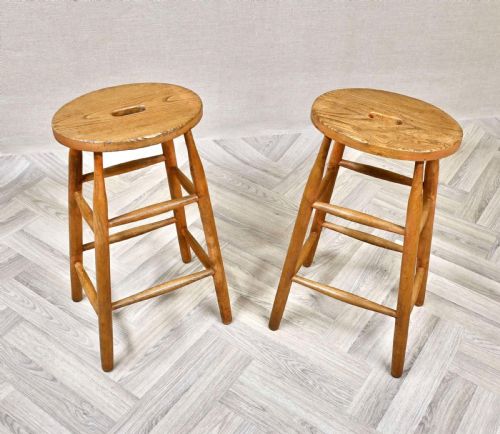
Over time, taller variations functioned as bar seating or tavern perches, while smaller examples acted as footstools or candle stands. Their matched nature allowed them to frame fireplaces or doorways symmetrically.
Can I use antique stools as side tables?
Flat-topped timber stools adapt readily to function as bedside tables or display surfaces for lamps and plants. Their compact footprints suit smaller interior spaces where full-sized tables might crowd the room.
When utilised for display, the matched pair creates visual balance on either side of a sofa or mantelpiece. Care should be taken with moisture if placing plants directly on historic wood surfaces.
How do I distinguish regional styles?
Regional characteristics depend heavily on the timber species and carving motifs present on the frame. English country pieces typically showcase local oak, elm, or yew, whilst Asian examples utilise dense imported hardwoods.
European variations like Swedish Gustavian designs display distinct painted surfaces and neoclassical proportions. Examining the joinery and turning styles helps pinpoint the geographic origin of the workshop.
What maintenance do old wooden stools need?
Preserving these items requires stable indoor humidity and temperature to prevent timber splitting or joint shrinkage. Occasional application of quality beeswax maintains the lustre of the wood without building up heavy residue.
Avoid placing wooden furniture near direct heat sources or in harsh sunlight which can fade historic finishes. Regular gentle dusting keeps the surface safe from abrasive particles.