

Pair Vintage Oriental Lamps
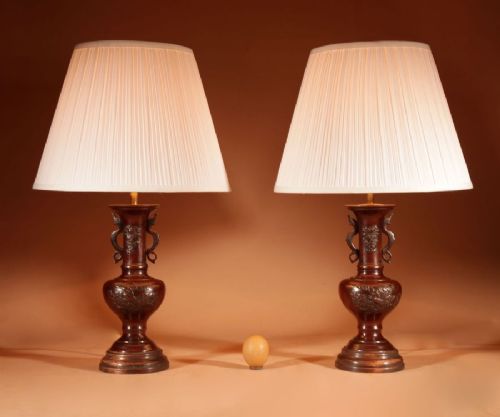
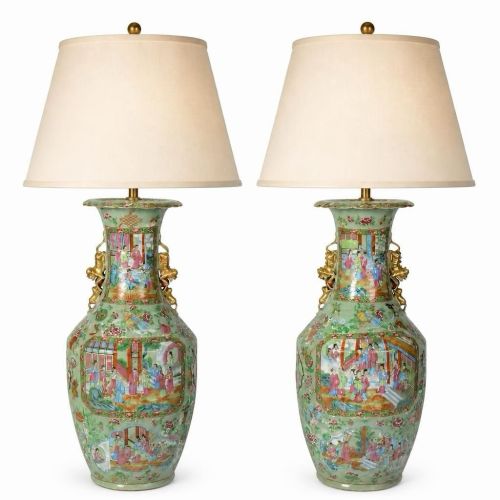
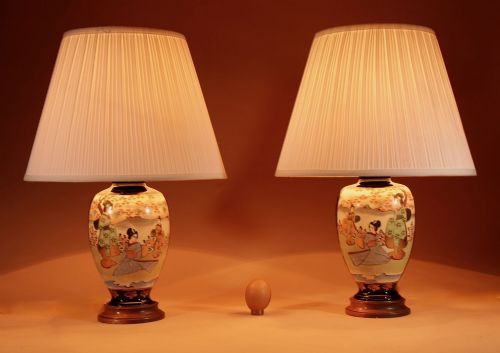
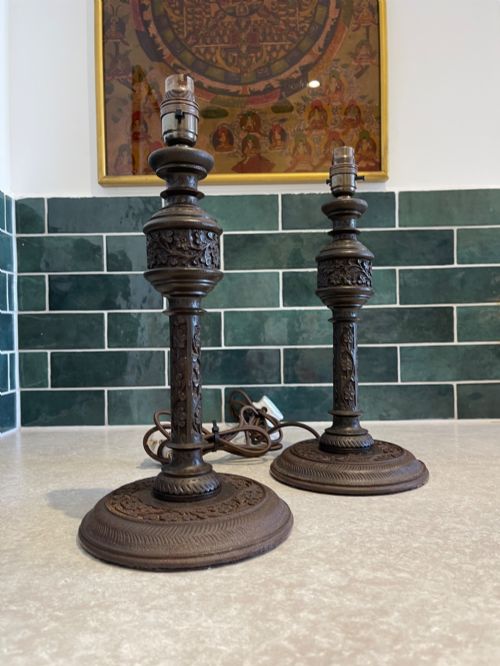
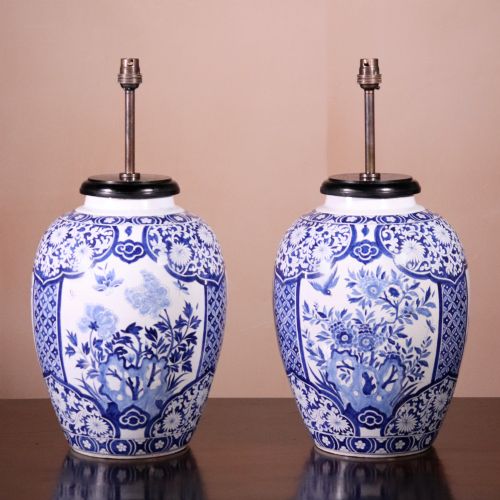
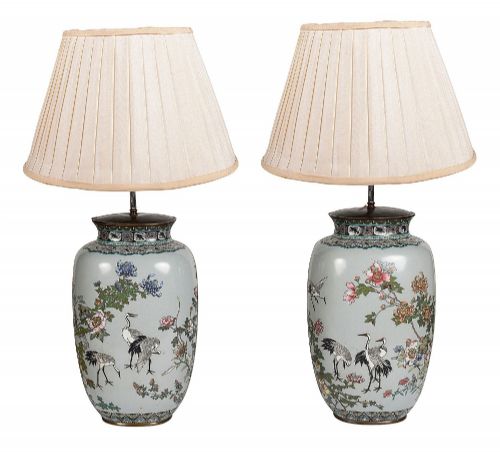
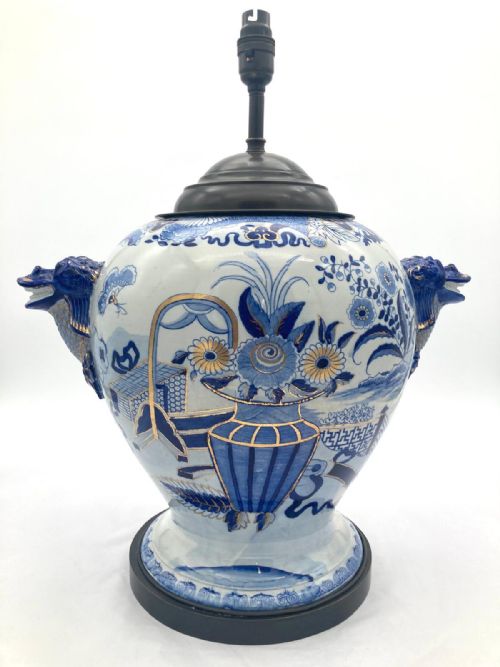
These pair vintage oriental lamps bring decorative presence and rich cultural history into a room through converted vases and hand-painted motifs.
Pair Vintage Oriental Lamps
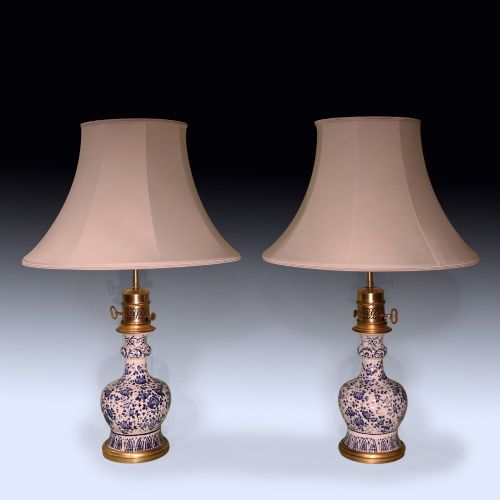
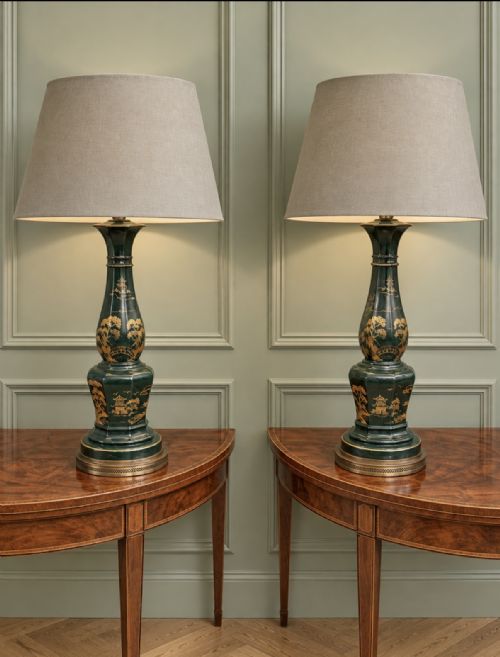
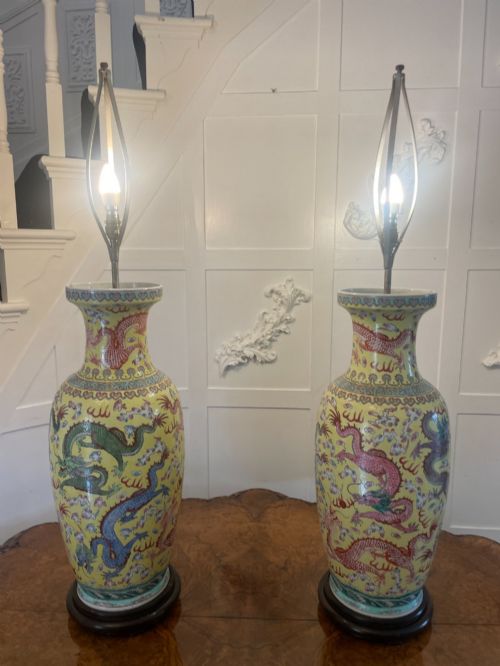
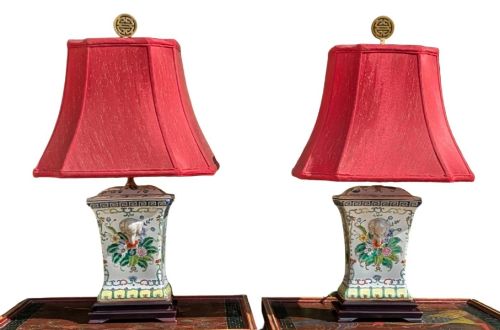
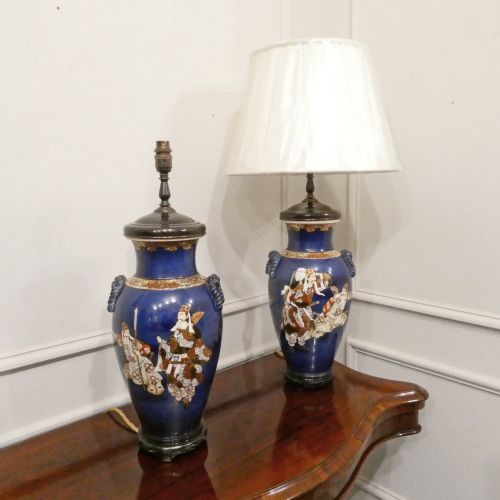
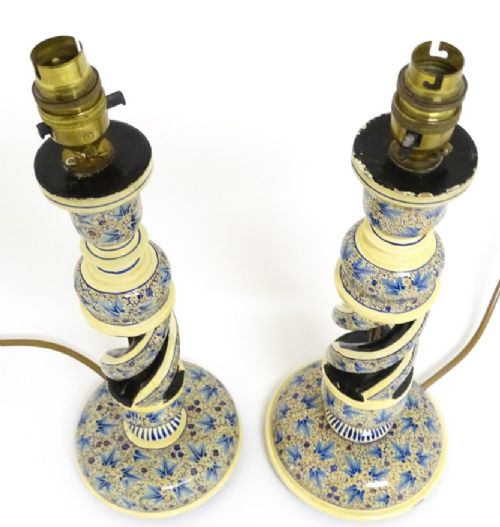
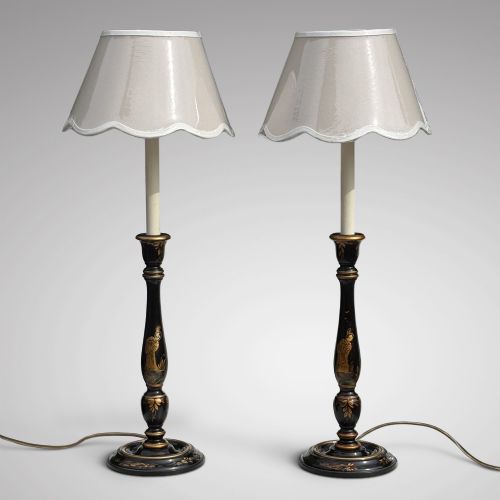
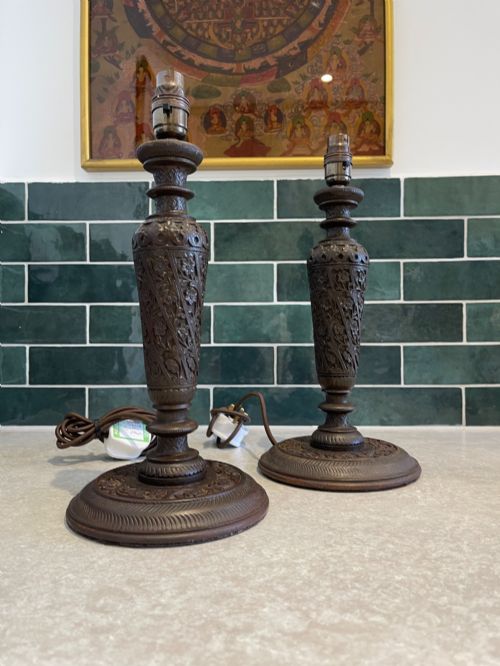
When searching for pair vintage oriental lamps, buyers encounter matched sets of lighting fixtures created from Asian and Anglo-Indian vessels, often utilising converted vases as bodies. These pieces draw from styles such as Chinoiserie, Meiji period Japanese craftsmanship, and Qing dynasty designs.
Vessels range from blue and white crackleware and Satsuma ware to Kutani porcelain and lacquered woodwork. Each pair demonstrates the historical practice of adapting traditional decorative containers for modern domestic illumination.
Assessing Quality
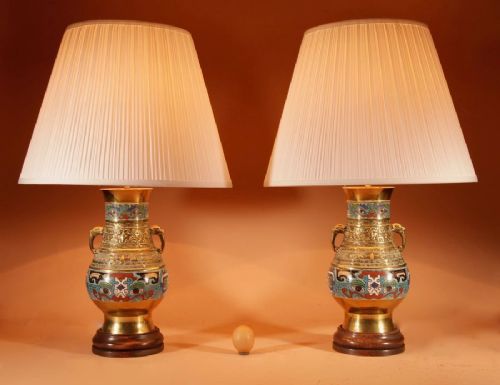
Quality differences emerge through the precision of hand-painted details on porcelain and the intricacy of metalwork in cloisonné and bronze castings. Finer examples display disciplined brushwork, rich enamel saturation, and harmonious proportions between the vessel body and its mountings.
The physical integrity of the conversion process affects the overall standard, distinguishing professional mountings that preserve the original artefact from heavier alterations. Preservation of the original glaze and surface finish without excessive restoration elevates the standing of a pair.
Pair Vintage Oriental Lamps Retail Price Guide 2026
Typical asking prices for pair vintage oriental lamps among the pieces listed under this phrase on Sellingantiques today, from the lower quarter to the upper quarter. They describe what is for sale here now, not the wider market.
Several fierce Foo dogs stand guard on these lamp bases, ready to ward off evil spirits while holding up your reading light.
The Pair Vintage Oriental Lamps Glossary
- Cloisonne
- Enamelwork created by soldering thin metal wires to a base and filling the formed compartments with coloured paste. This technique produces intricate patterns across vases and lamps.
- Satsuma
- Japanese pottery featuring a pale, ivory-crackled glaze decorated with intricate polychrome enamels and gilt highlights. These wares became highly popular for export during the Meiji period.
- Chinoiserie
- European artistic interpretation and imitation of Chinese and East Asian artistic traditions. This style frequently appears in lacquered furniture and decorative objects.
- Kutani
- Japanese porcelain distinguished by bold colour palettes, particularly iron red and greens, depicting figural and natural scenes. The style originated in Kaga province during the seventeenth century.
Pair Vintage Oriental Lamps: Frequently Asked Questions
How do I date these lamps?
Dating relies on examining the ceramic body style, base materials, and the nature of any converted hardware. Nineteenth-century pieces often display hand-thrown porcelain traits and older wiring adaptations.
Period stylistic markers such as Meiji markings or specific Qing dynasty glaze colours help narrow down the decade of manufacture. Comparing the vessel type to documented export wares provides further chronological context.
Are these original lamps or conversions?
The majority of these items began life as decorative vases, jars, or vessels before being converted into lamps at a later date. This repurposing is standard practice for antique oriental ceramics found in Western interiors.
Wiring and mounts are typically twentieth-century additions fitted to accommodate modern electrical standards while preserving the underlying antique container.
How do I care for antique ceramic lamps?
Dust surfaces gently with a soft, dry cloth to protect delicate enamel work and gilt highlights from abrasion. Avoid chemical cleaners or liquid immersion, which can damage aged glazes and vintage wiring components.
Ensure bulbs used match recommended wattage limits to prevent excessive heat buildup near historical porcelain bodies.
What is the difference between Satsuma and Kutani?
Satsuma ware is characterised by a distinctive ivory-coloured, crackled earthenware body heavily decorated with enamels and raised gold details. It offers a softer, textured appearance compared to porcelain alternatives.
Kutani ware utilises porcelain with vibrant, pictorial overglaze paintings, typically dominated by greens, blues, and reds. The aesthetic focuses on detailed narrative scenes and botanical motifs.