
Pair Victorian Ceramic Figures
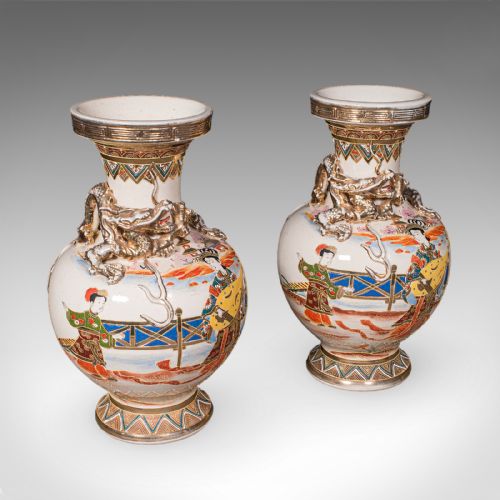
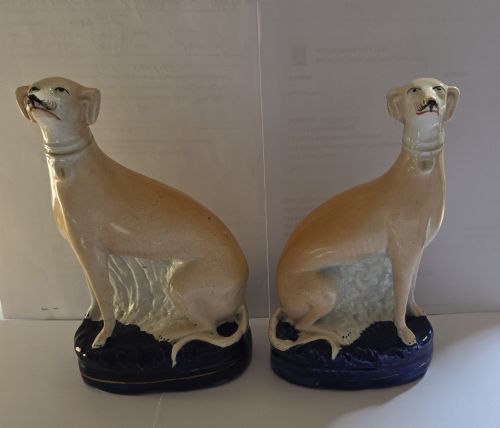
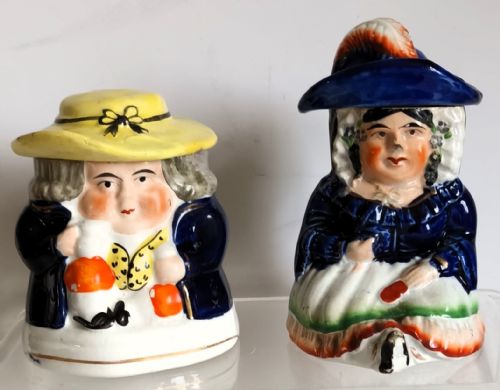
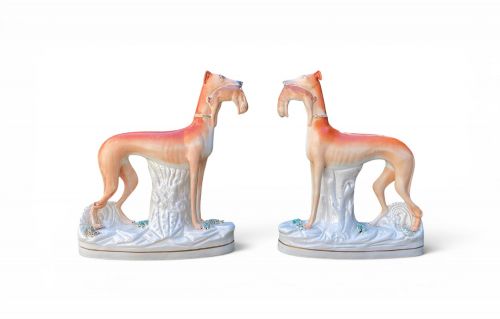
A pair victorian ceramic figures brings nineteenth-century character to a mantelpiece, offering matched pairs of dogs, people, and animals moulded in earthenware and porcelain.
Pair Victorian Ceramic Figures
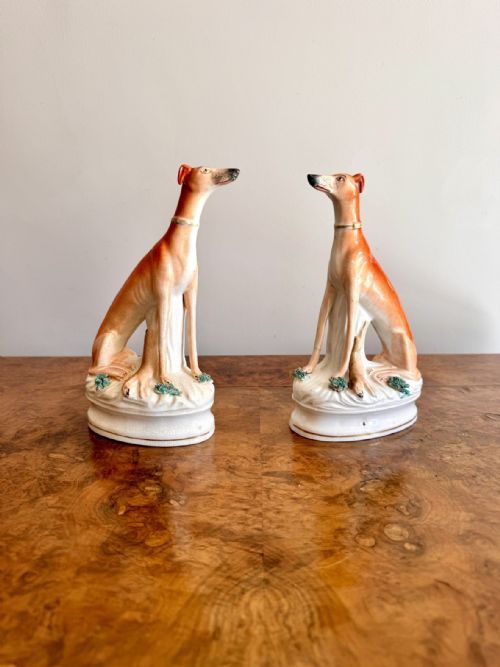
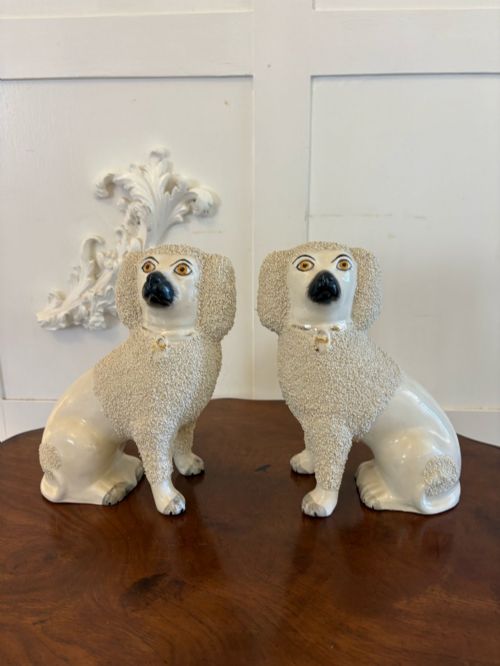
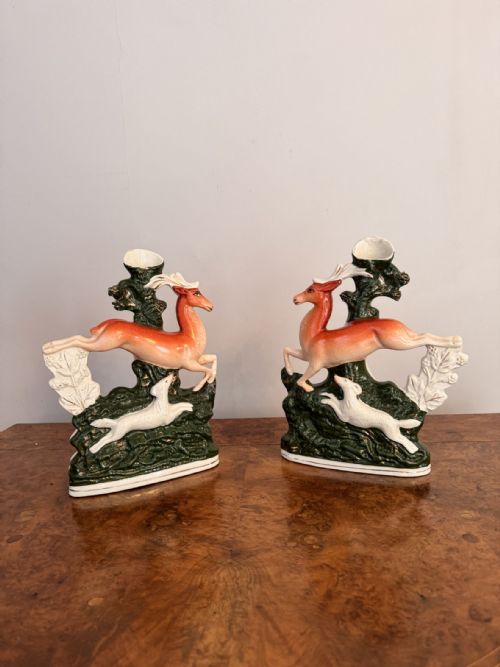
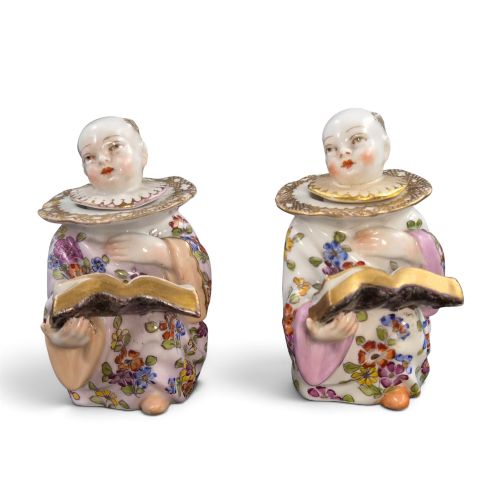
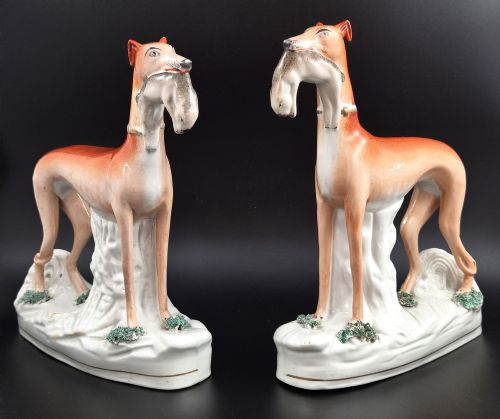
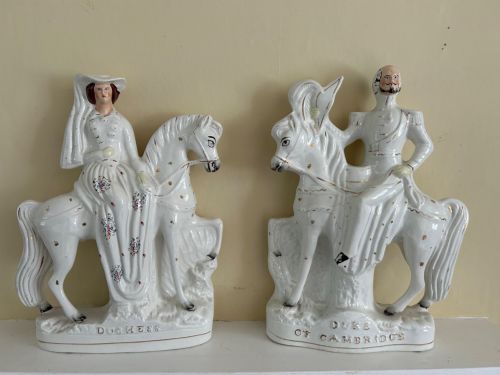
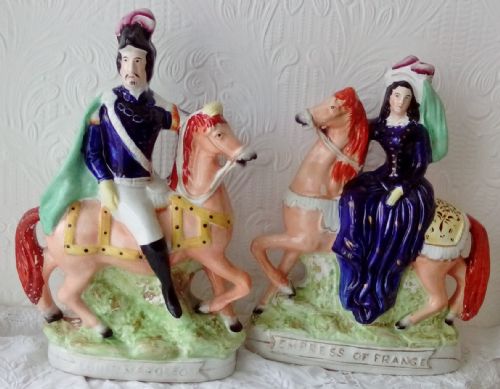
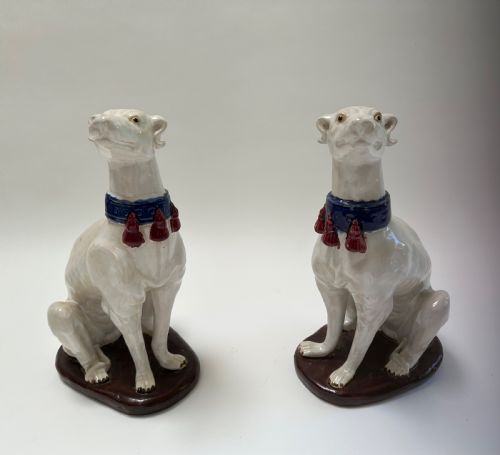
When searching for a pair victorian ceramic figures, collectors encounter Staffordshire pottery dogs, porcelain figurines, and figural spill vases dating across the nineteenth century. Staffordshire spaniels, greyhounds, poodles, and lions dominate the earthenware forms, often modelled as flatbacks for display against a wall.
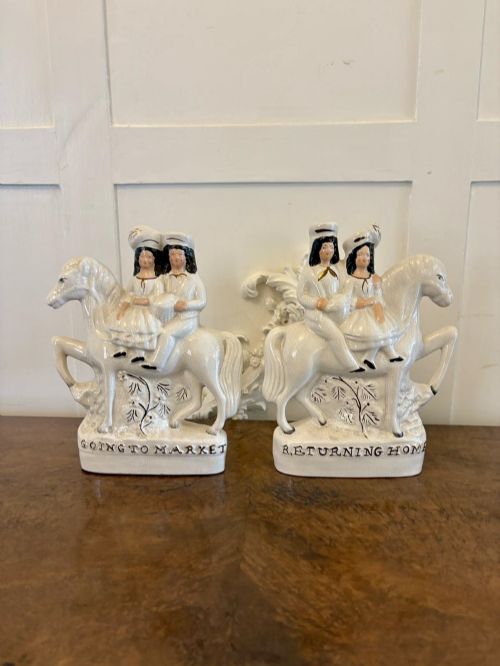
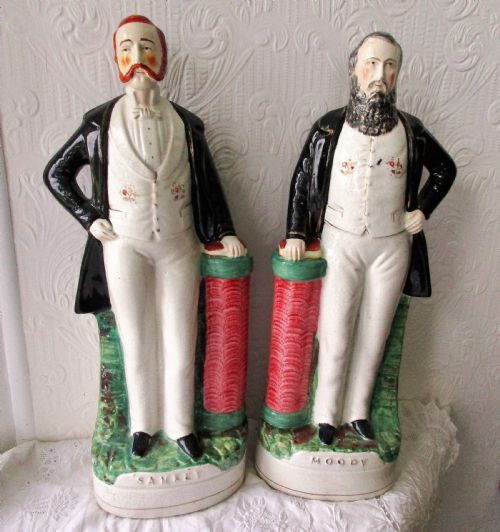
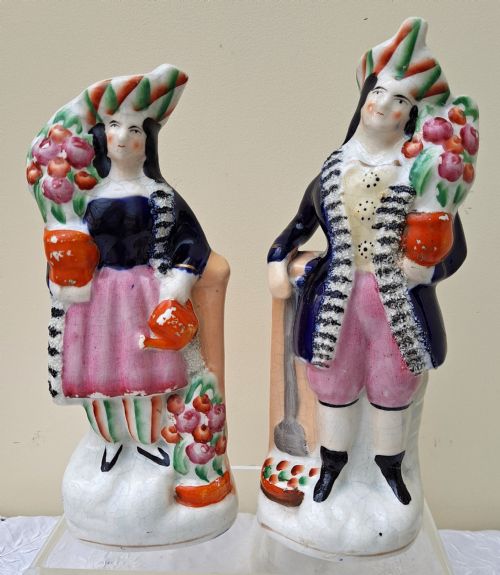
Beyond animals, the selections include portrait figures of historical personages, theatrical characters, and mythological subjects created in English potteries and European porcelain factories. These matched dual items served both decorative and practical roles on Victorian hearths and tables, functioning as candlesticks, inkwells, and quill holders alongside pure display pieces.
How they were made
Potters utilised earthenware and hard-paste porcelain, shaping the bodies through press-moulding techniques that allowed identical or mirrored pairs to emerge from similar moulds. Glazes ranged from simple lead and treacle finishes to glossy enamels applied over the fired clay.
Details received hand-painted touches, while gilt and gold leaf highlighted the decorative elements of porcelain candelabras and figures. Artisans added moulded textures such as fur, hair, and botanical motifs before subjecting the pieces to high-temperature kiln firings.
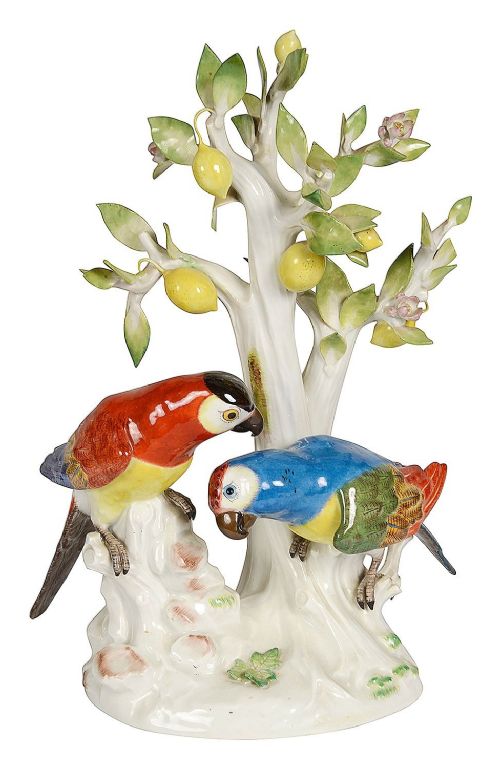
Listings feature nineteenth-century Staffordshire earthenware alongside German and French porcelain from factories like Meissen and Sitzendorf.
What varies in quality
The integrity of the glaze and the preservation of original gilding significantly influence the standard of a pair, as does the survival of matching pairs without major replacement parts. Heavier earthenware bodies and well-balanced porcelain casting indicate greater manufacturing care during the nineteenth century.
Edmé Samson·Thomas Parr·Royal Worcester·Meissen·Sitzendorf
The Pair Victorian Ceramic Figures Glossary
- Flatback
- A Staffordshire figure modelled with a flat, unpainted rear side intended to sit flush against a wall or mantelpiece. This economical method saved clay and simplified production for high-volume potteries.
- Spill vase
- A hollow cylindrical holder attached to a ceramic figure designed to hold wooden spills for lighting fires and candles. These functional additions are frequently found paired beside animals or human subjects.
- Earthenware
- A porous, opaque pottery body fired at lower temperatures than porcelain, requiring a protective glaze to hold liquids. It forms the heavy, durable base for most Staffordshire dogs and portrait groups.
- Biscuit porcelain
- Unglazed white porcelain fired once to create a smooth, matte surface resembling marble. European factories utilised this technique to highlight the fine sculptural details of human figures.
- Gilt
- A thin layer of gold applied to ceramic surfaces for decoration, often highlighting the bases, clothing, or accessories of nineteenth-century figures. It is susceptible to rubbing if cleaned too aggressively over generations.
Pair Victorian Ceramic Figures: Frequently Asked Questions
How were ceramic figures displayed in Victorian homes?
Pairs of figures and dogs sat upon mantelpieces, sideboard tops, and occasional tables to anchor symmetrical interior schemes. They provided cheerful decoration and reflected popular cultural figures or domestic pets.
Many utilitarian variants held candles, matches, or ink, combining everyday usefulness with the ornamental display popular during the nineteenth century.
Are Staffordshire dogs always found as pairs?
Potters manufactured these earthenware spaniels and greyhounds in matched left and right orientations to sit facing one another at either end of a fireplace. Finding true matched pairs is essential for traditional mantelpiece arrangement.
Single figures occasionally survived separation, but collectors actively seek out the balanced pairs as originally retailed by nineteenth-century earthenware merchants.
What is a spill vase figure?
A spill vase figure integrates a hollow vertical tube alongside a sculpted animal or human subject to store thin tapers of wood. Victorian households used these tapers to transfer flames from the hearth fire to lamps and candles.
The vases blend practical domestic utility with expressive ceramic sculpture, frequently depicting cows, deer, or lions.
How do earthenware figures differ from porcelain ones?
Earthenware figures utilise opaque, porous clay bodies covered in lead or enamel glazes, common in traditional Staffordshire pottery. They feature heavier walls and simpler press-moulded construction suited for robust domestic environments.
Porcelain figures employ finer, vitrified materials fired at higher temperatures, allowing for translucent bodies, delicate limbs, and intricate painted details typical of continental and factory production.