


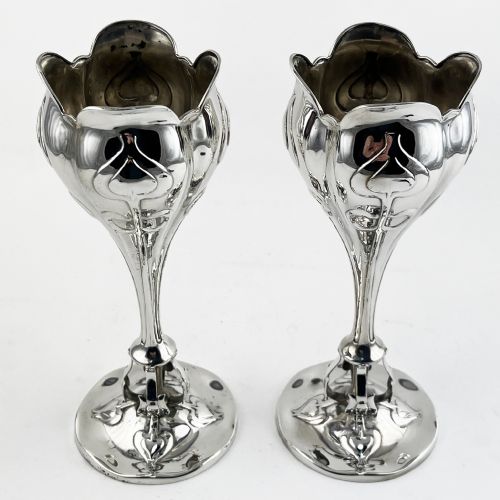


Pair Silver Urns
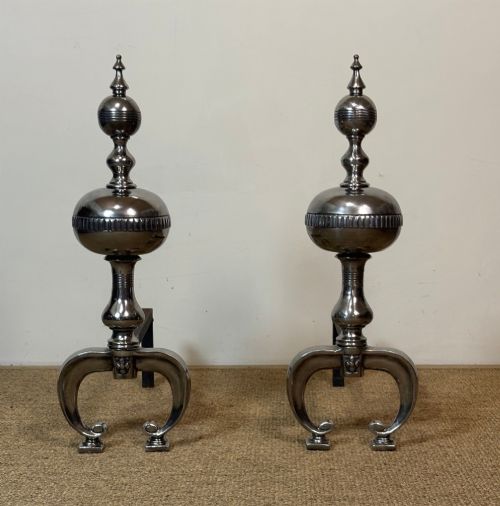
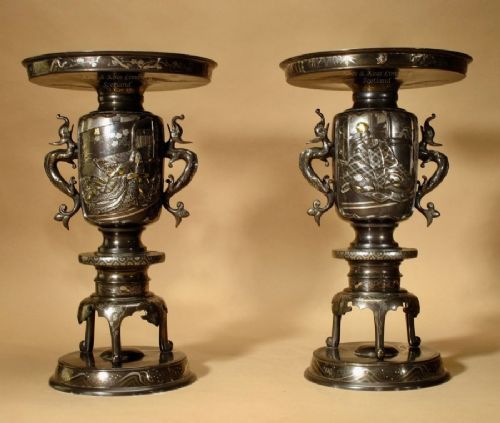
Pair silver urns bring classical presence to a room, offering matched symmetry through centuries of metalwork.
Pair Silver Urns
When you search for pair silver urns, you encounter a distinct variety of dual vessels designed for display, dining, or architectural decoration. The pieces span periods from the eighteenth century through the Art Deco era, encompassing styles such as Regency, Victorian, and Art Nouveau.
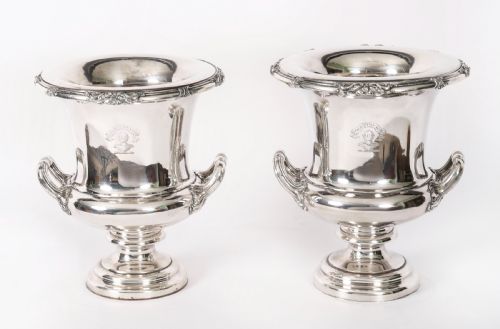
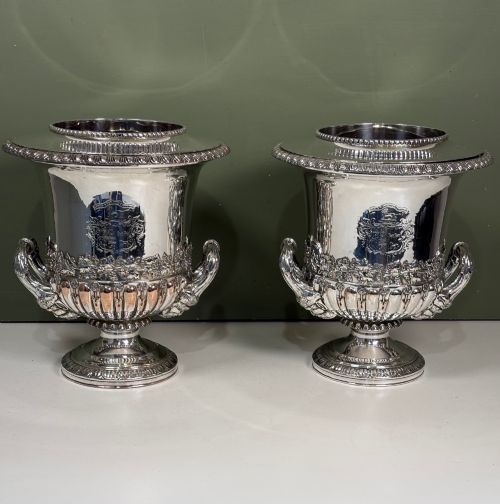
The form frequently overlaps with wine coolers, pedestal urns, and decorative vases fashioned in matched sets. Silver plating, sterling silver, and silvered bronze dominate the physical selections available.
Grand Tour examples and French or English creations appear regularly, demonstrating the enduring appeal of classical silhouettes in domestic settings.
Materials and Manufacture
Artisans employed metals such as sterling silver, silver plate, bronze, copper, brass, and steel to construct these vessels. Techniques ranged from Old Sheffield plating on copper bases to cast bronze and chased silver.
Gilding, ormolu mounts, and intricate inlay work frequently enhanced the primary metallic structures. Craftsmen shaped these materials into campana profiles, pedestals, and lidded vessels using traditional foundry and smithing methods.
Judging Quality
The standard of execution in casting and chasing dictates the refinement of each piece. Crisp detail in classical motifs, structural integrity, and the preservation of original plating or surface patination elevate superior examples above basic production.
The cohesion of the matched pair and the clarity of decorative elements, whether bronze mounts or engraved patterns, demonstrate the maker's original skill.
Beldray Ltd
The Pair Silver Urns Glossary
- Campana
- A bell-shaped vessel form commonly utilised for classical wine coolers and decorative urns. This silhouette defines many traditional Regency designs.
- Old Sheffield Plate
- A fused composite material comprising a thin layer of silver applied over a copper core. This technique predates modern electroplating.
- Ormolu
- Gilded bronze ornamentation applied to decorative metalwork and furniture. The finish provides a rich gold appearance on bronze elements.
- Tazza
- A shallow saucer-like ornamental cup or vase raised on a stem and foot. These pieces frequently appear in matched pairs for display.
- Grand Tour
- A cultural journey undertaken by wealthy Europeans that inspired the acquisition of classical bronzes and urns. Souvenirs from these travels often replicate ancient antiquities.
Pair Silver Urns: Frequently Asked Questions
How were pair silver urns used historically?
These vessels functioned primarily as decorative garnitures on mantelpieces or as wine coolers on dining tables. Wealthy households displayed them symmetrically to project classical elegance and status.
Larger versions held ice and water to chill wine during formal meals, while smaller decorative urns simply enhanced the interior architecture of a room.
What materials make up silver plated urns?
Makers typically built these objects using a base metal such as copper, brass, or white metal, coating the exterior with a thin layer of silver. Older pieces frequently utilise Old Sheffield Plate.
This method involved mechanically fusing silver to copper before shaping the vessel, resulting in a durable and collectible finish.
How do I date a pair of urns?
Stylistic indicators such as Regency campana shapes, Victorian ornamentation, or Art Deco geometric lines provide primary clues to a piece's age. Examining construction methods, joinery, and wear patterns also helps establish the period.
Maker marks or stamps, when present, offer definitive evidence of the workshop and manufacturing date.
Where should I place these in a home?
Matched pairs look best arranged symmetrically on mantelpieces, sideboards, or pedestals where their balance can be fully appreciated. Placing them away from direct heat sources protects the metal surfaces.
Ensure the scale of the urns complements the surrounding furniture and room proportions for maximum visual impact.