

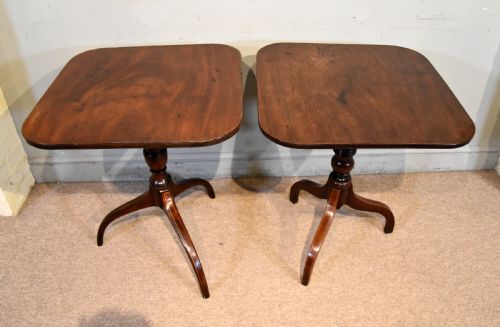



Pair Regency Wine Tables
Pair regency wine tables are compact dining accompaniments designed to hold decanters and glasses, offering portable elegance for period interiors.
Pair Regency Wine Tables
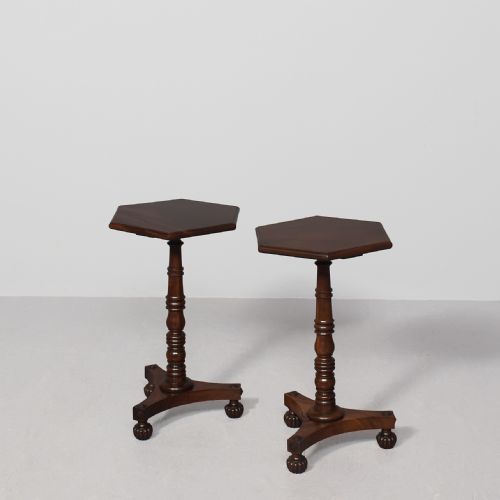
When you search for pair regency wine tables, you encounter small round or circular tables designed for holding glasses and decanters during evening hospitality. The form centres primarily on tripod bases and pedestal supports, built to stand beside armchairs or sofas.
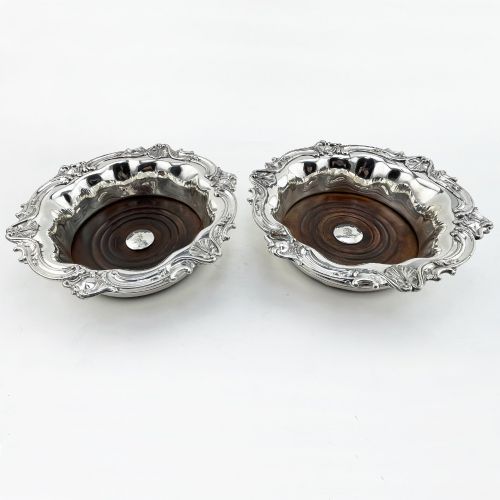
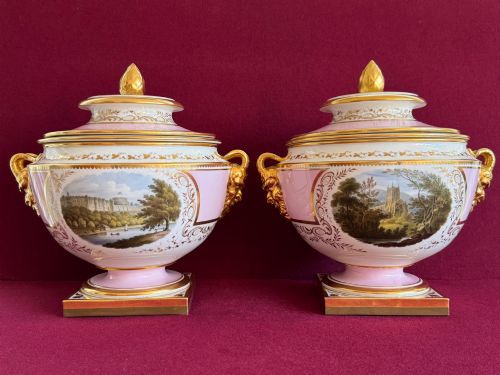
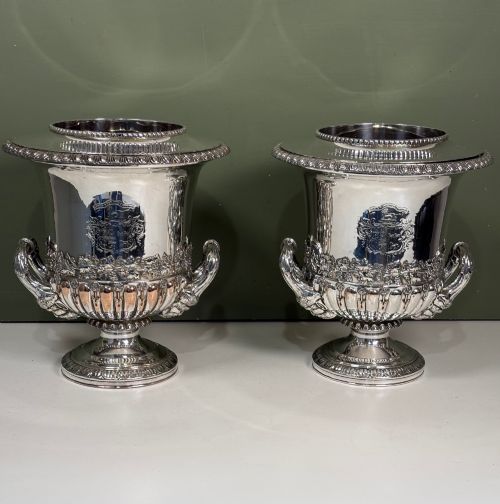
The versions you meet most frequently on this page date from the nineteenth century alongside later revivals, executed in mahogany, rosewood, and pollard oak. Alongside timber tripod tables, the evidence includes related forms such as wine coasters, coolers, and side tables.
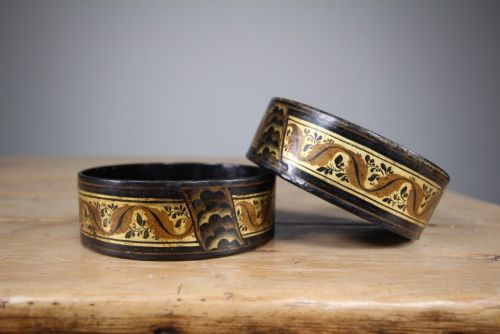
Origins span English workshops, Scottish makers like James Mein of Kelso, and Anglo-Indian colonial production in Ceylon using ebony. You also find lacquered papier-mache and painted variations sitting alongside traditional timber examples.
What varies in quality
Quality rests upon the selection of timber and the crispness of turned and carved details on the pedestal and legs. Finer examples display figured mahogany or rich rosewood paired with robust joinery that ensures stability on a tripod base.
Attribution to known workshops or documented makers elevates a piece, as seen in authenticated examples associated with Gillows. The refinement of secondary metals, leather tops, and decorative brass mounts further distinguishes standard production from exceptional craftsmanship.
Pair Regency Wine Tables Retail Price Guide 2026
Typical asking prices for pair regency wine tables among the pieces listed under this phrase on Sellingantiques today, from the lower quarter to the upper quarter. They describe what is for sale here now, not the wider market.
Listings demonstrate a strong preference for mahogany and rosewood across both original nineteenth-century pieces and subsequent revival periods.
John and Thomas Settle·James Mein of Kelso·Gillows
The Pair Regency Wine Tables Glossary
- Tripod base
- A three-legged support structure commonly found beneath small nineteenth-century tables. It allows the top to remain stable on uneven floors.
- Pedestal table
- A table supported by a single central column rather than four corner legs. This construction permits greater legroom for seated users.
- Old Sheffield plate
- A composite metal made by fusing a thin sheet of silver to a thicker copper base. It was widely utilised for eighteenth and nineteenth-century coasters and coolers.
- Papier-mache
- A durable material formed from paper pulp mixed with glue and oil, then pressed and lacquered. It provided a lightweight surface for decorative coasters.
Pair Regency Wine Tables: Frequently Asked Questions
What were pair regency wine tables used for?
These tables served during the eighteenth and nineteenth centuries to hold wine bottles, decanters, and drinking glasses close to guests.
Positioned beside seating areas, they prevented the need to reach across a large dining room table during post-prandial conversation.
How do I distinguish original Regency from revival pieces?
Original pieces display nineteenth-century construction methods, timber ageing, and wear patterns consistent with genuine domestic use.
Revival items from the twentieth century often exhibit standardised machine working and different timber preparation techniques.
Where should I place these tables in a modern room?
Their compact tripod footprint makes them suitable as beside surfaces next to armchairs or low seating.
They function effectively as portable stands for lamps or decorative objects where space is limited.
What is the difference between wine tables and wine coasters?
Wine tables are freestanding pedestal furniture designed to support multiple glasses and bottles at seat height.
Wine coasters are smaller, low vessels placed directly on dining surfaces to hold individual bottles and protect the wood.