





Period Mahogany Lamp Stand
A period mahogany lamp stand brings warmth and proportion to a room, offering a sturdy surface for light where floor space is limited.
Period Mahogany Lamp Stand
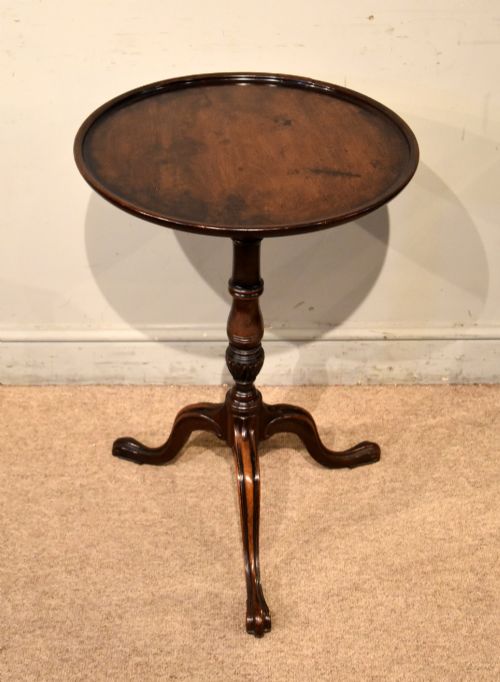
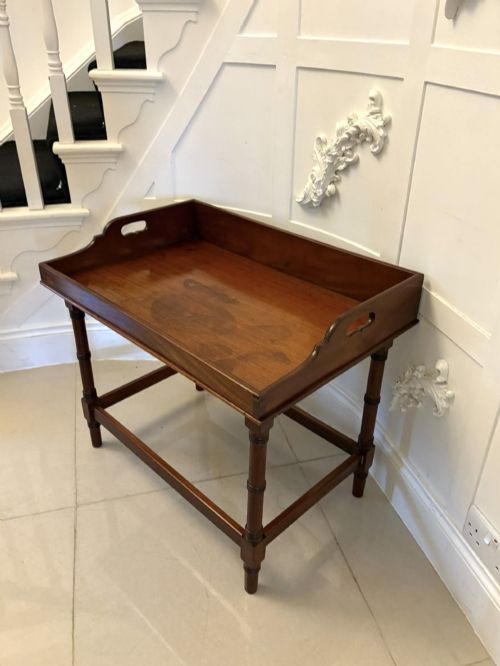
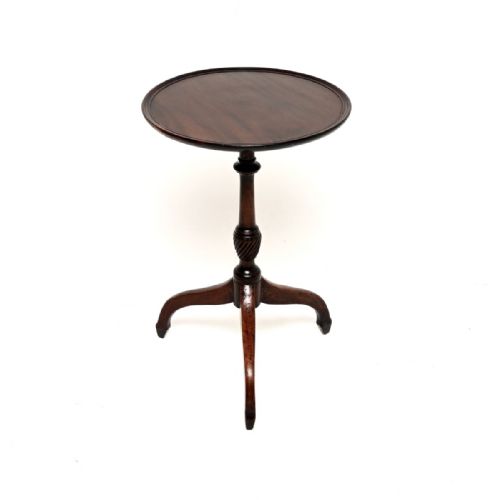
A period mahogany lamp stand encompasses tables and stands from the Georgian, Regency, and William IV eras, designed to hold lighting or small objects. The pieces listed span occasional tables, side tables, wine tables, and etageres, reflecting the versatile domestic furniture of the eighteenth and nineteenth centuries.
Origins trace across the eighteenth and nineteenth centuries, including specific dates such as eighteen hundred and seventeen ninety. The selection demonstrates how makers adapted mahogany for functional domestic lighting and display.
How they were made
Makers utilised solid and veneered mahogany, often pairing the rich timber with brass hardware and marble tops for added durability and contrast. Boxwood inlay appears on select examples to accent the structural lines of the wood.
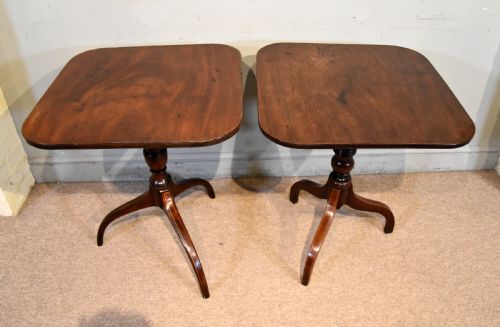
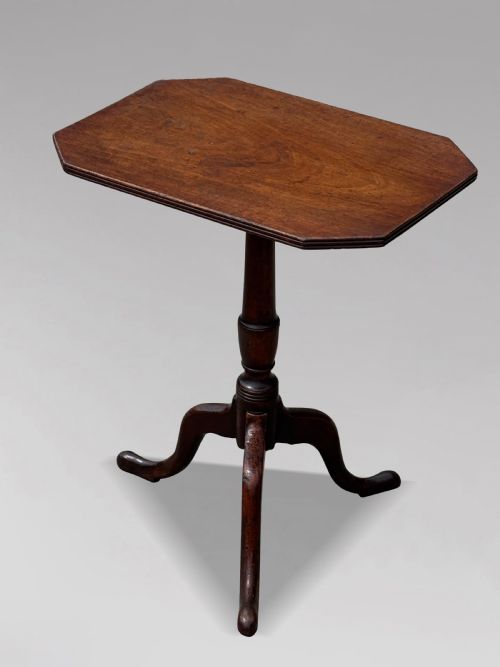
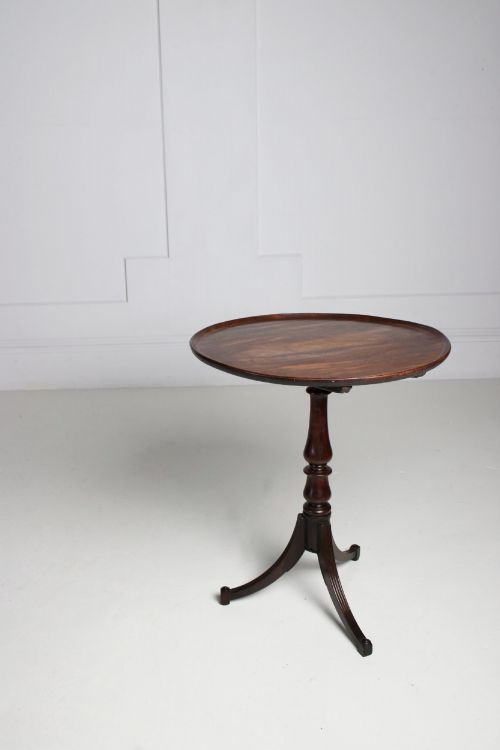
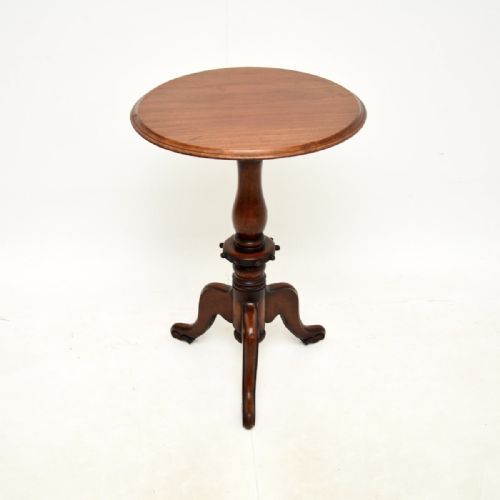
Construction techniques include tripod bases and tilt-top mechanisms, allowing tops to pivot for storage or movement. Turning and joinery formed the structural skeleton of these tripod and occasional tables.
Period Mahogany Lamp Stand Retail Price Guide 2026
Typical asking prices for period mahogany lamp stand among the pieces listed under this phrase on Sellingantiques today, from the lower quarter to the upper quarter. They describe what is for sale here now, not the wider market.
Listings feature mahogany paired with brass, marble, and boxwood across the Georgian, Regency, and William IV periods.
What varies in quality
Quality rests in the choice of mahogany grain and the crispness of the turning on the central columns and tripod legs. Better examples show careful attention to proportions and the retention of original mechanisms.
The integration of materials such as marble inserts or boxwood stringing elevates a piece from a simple utility table to a considered furnishing. Finer items maintain balanced stances and smooth action in their snap-top or tilt-top joints.
The Period Mahogany Lamp Stand Glossary
- Tripod table
- A small standalone table supported by a central pillar resting on three legs. This form became popular during the Georgian period for its stability on uneven floors.
- Snap top
- A table top hinged to tilt vertically when not in use, secured horizontally by a catch. It allows the furniture to sit flat against a wall.
- Etagere
- A set of open shelves for displaying small objects or lamps. They offer tiered storage in a compact footprint.
- Occasional table
- A small table intended for multipurpose domestic use rather than a fixed dining or writing purpose. These pieces move easily around a room as needed.
- Boxwood
- A dense, pale wood used traditionally for contrasting stringing and inlay work on mahogany furniture. Its fine grain permits precise geometric patterns.
Period Mahogany Lamp Stand: Frequently Asked Questions
What is a period mahogany lamp stand used for?
These pieces served as stable surfaces for holding oil lamps, candles, or decorative items beside seating areas in nineteenth-century homes. Their compact footprints made them easy to reposition as domestic lighting needs shifted throughout the evening.
Today, they function well beside armchairs or sofas to hold reading lamps and small personal items without dominating the floor plan.
How do I date a mahogany lamp stand?
Dating relies on observing stylistic markers, such as the slender proportions and tripod legs typical of George III pieces versus the heavier, architectural lines of the William IV era. Construction details like hand-cut joints and timber choice also point toward specific decades between the eighteenth and nineteenth centuries.
Comparing the turned columns and feet against known period designs helps narrow down the decade of manufacture.
What is the difference between a wine table and a lamp table?
Wine tables traditionally featured small circular tops designed to hold glasses and bottles during evening gatherings, often with tilt-top mechanisms. Lamp tables shared similar dimensions but were built to support the weight and heat of lighting apparatus.
In practice, makers and owners used the terms interchangeably as domestic habits evolved over the centuries.
How do I care for antique mahogany furniture?
Keep mahogany pieces away from direct heat sources and strong sunlight to prevent the timber from drying out and the polish from fading. Regular dusting with a soft cloth preserves the wax finish without building up residue.
Applying a quality furniture wax occasionally maintains the deep lustre of the wood grain.