


Pair Porcelain Lidded Vases
A pair porcelain lidded vases brings symmetry and a finished profile to a mantelpiece, matching matched forms with fitted covers.
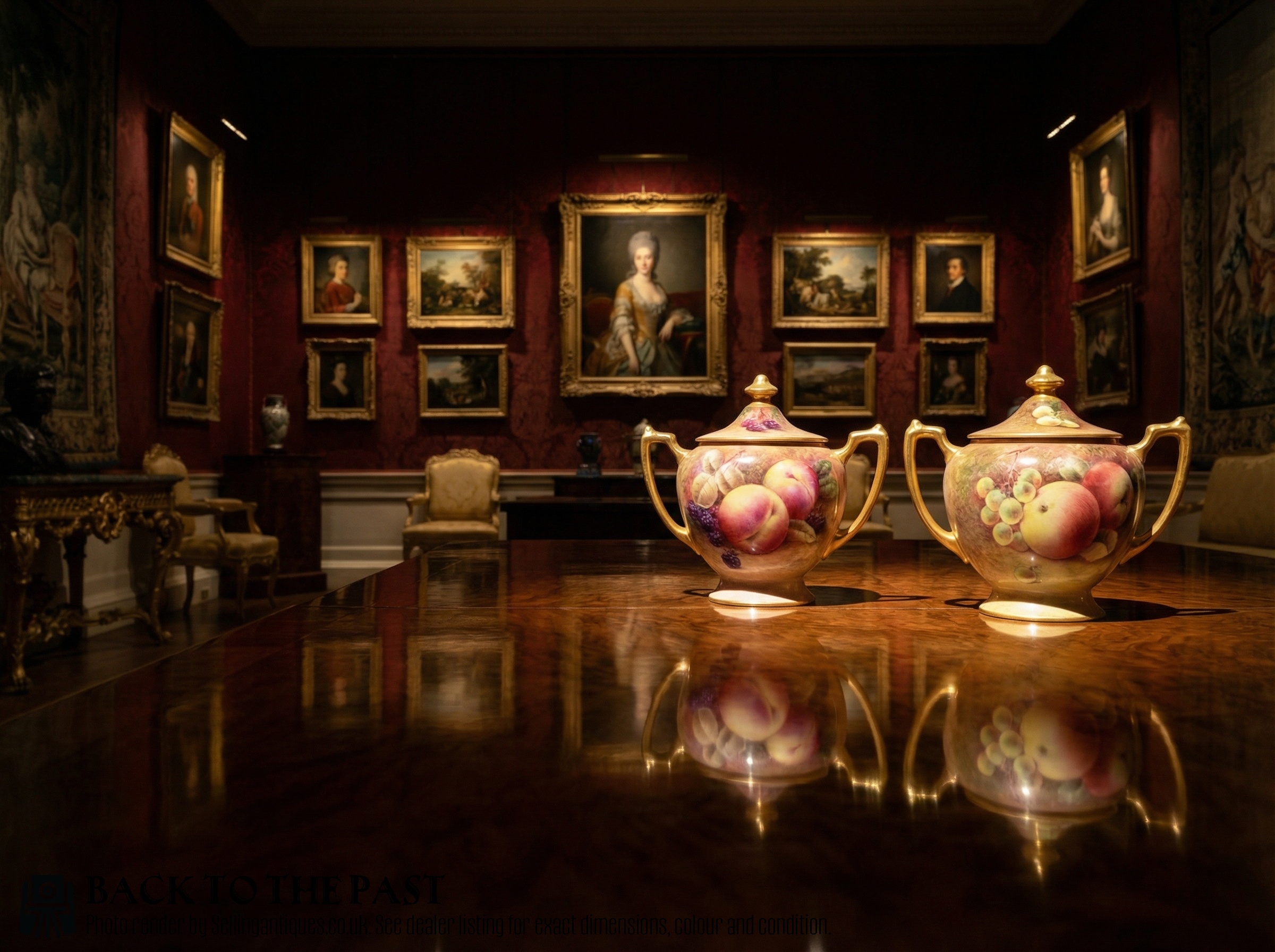
Pair Porcelain Lidded Vases
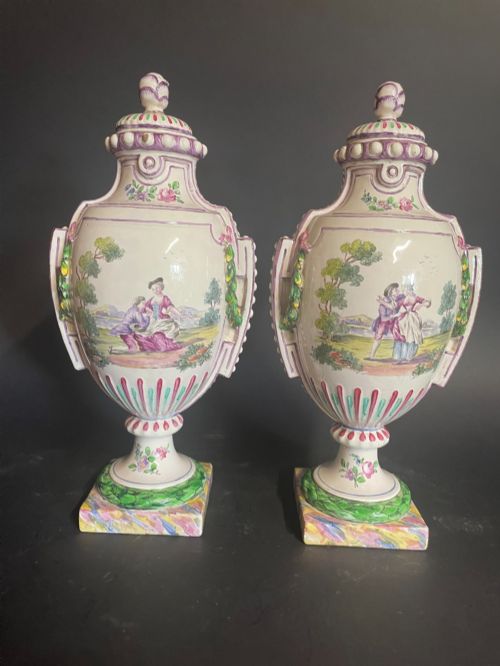
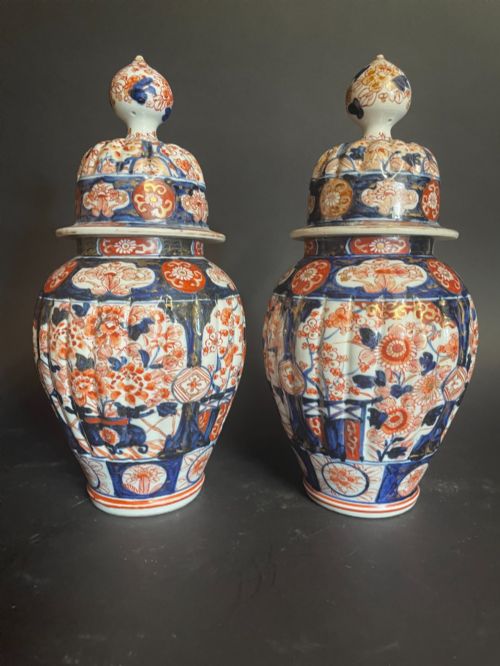
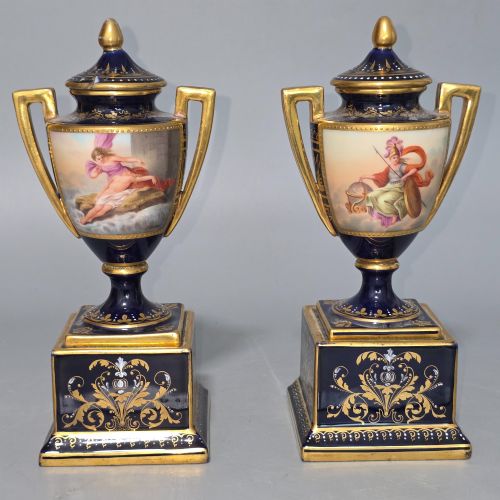
A pair porcelain lidded vases consists of two matched ceramic vessels equipped with their original or corresponding covers, designed in tandem for balanced display. These dual decorative objects appear in forms ranging from traditional Japanese Imari jars to monumental nineteenth-century French urns and English cabinet pieces.
The selection encompasses seventeenth-century Arita blue and white porcelain alongside eighteenth-century Derby frill vessels and numerous nineteenth-century Continental interpretations. Buyers encounter diverse silhouettes, including amphora shapes, potpourri containers with pierced lids, and large baluster jars intended for prominent interior placement.

How they were made
Makers shaped these vessels from refined ceramic pastes, utilising hard-paste or soft-paste porcelain alongside ironstone and faience bodies. Potters fired the clay before applying intricate hand-painted enamel decoration, underglaze cobalt, and surface gilding.
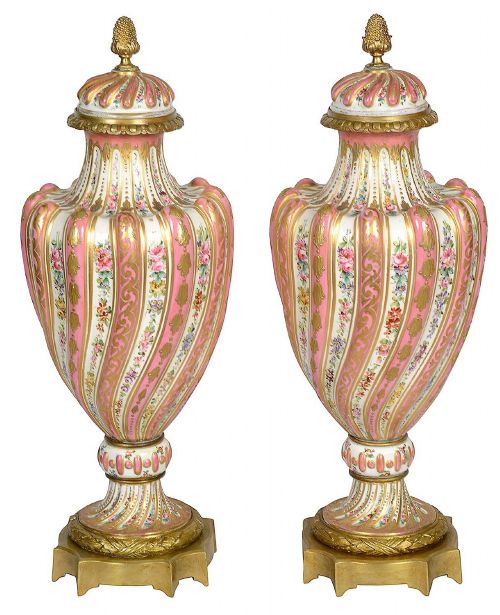
Many advanced examples incorporate cast or chased ormolu and gilt bronze mounts, securing metal collars, handles, and bases around the ceramic bodies to elevate their decorative presence.
Listings feature porcelain, enamel, gold leaf, and ormolu across eighteenth and nineteenth-century periods.
What varies in quality
The standard of painting dictates much of the distinction, separating hurried factory production from pieces bearing meticulous hand-painted details, fruit studies, or commemorative portraits by named artists. Precision in the ceramic firing and the crispness of moulded relief work further separate standard decorative stock from exhibition-grade creations.
The integration and weight of auxiliary mounts, such as fire-gilt ormolu handles and bases, determine the overall execution level of mounted porcelain pieces.
F. Koller·Richard Budd·John Smith
The Pair Porcelain Lidded Vases Glossary
- Ormolu
- Gilt bronze mounts applied to the body of a ceramic vessel. This technique involves coating cast brass or bronze in a layer of gold.
- Imari
- A traditional Japanese style of porcelain decoration originating from Arita. These pieces typically feature a distinctive palette of underglaze blue, iron red, and gold.
- Faience
- Tin-glazed earthenware produced across European potteries. The technique creates an opaque white surface suitable for painted decoration.
- Potpourri
- A decorative vessel featuring a pierced or perforated lid. These containers were designed to hold dried scented plant materials to fragrance a room.
Pair Porcelain Lidded Vases: Frequently Asked Questions
What were lidded vases used for?
These covered vessels served primarily as decorative garnitures on mantelpieces, sideboards, and cabinets in grand interiors. Certain forms functioned specifically as potpourri containers to release fragrance through pierced lids.
Beyond domestic display, large pairs demonstrated the wealth and taste of the household through their costly materials and hand-painted artistry.
How do I date a porcelain vase?
Dating relies on stylistic clues, paste characteristics, and factory marks found on the base of the ceramic body. Examining the hand-painting techniques and the type of gilding provides further chronological context.
Comparing the form to documented pieces from periods like the nineteenth century or the Regency era helps narrow the decade of production.
Are the lids original to the vases?
Checking if a cover matches the base involves inspecting the glaze continuity, the wear patterns on the seating rim, and the exact alignment of the painted pattern. Original lids fit the aperture snugly without excessive wobble or mismatch in ceramic shrinkage.
Replacement covers occasionally occur in antique ceramics due to breakage over centuries of handling.
How do I care for antique porcelain?
Maintain these pieces in stable indoor environments away from direct sunlight to protect enamel colours and delicate gilding. Dust gently with a soft, dry brush rather than liquid cleaners.
Avoid lifting mounted vases by their decorative ormolu handles or fragile cover finials to prevent structural strain.