
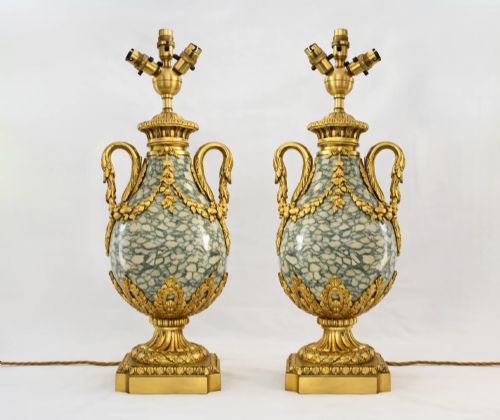


Pair Ormolu Table Lamps
Pair ormolu table lamps bring symmetrical classical illumination and gleaming metallic warmth to a room.

Pair Ormolu Table Lamps
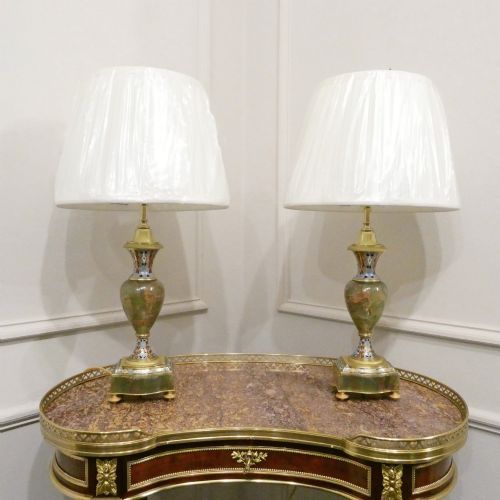
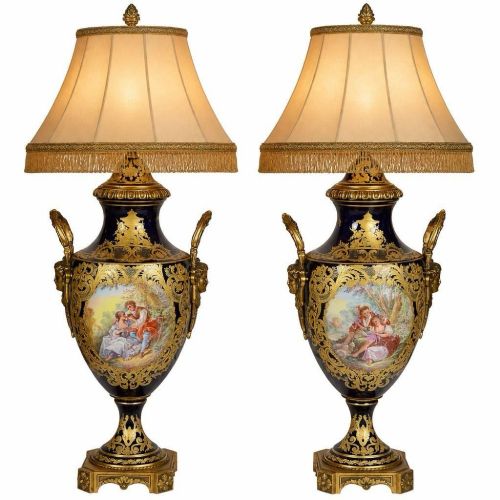
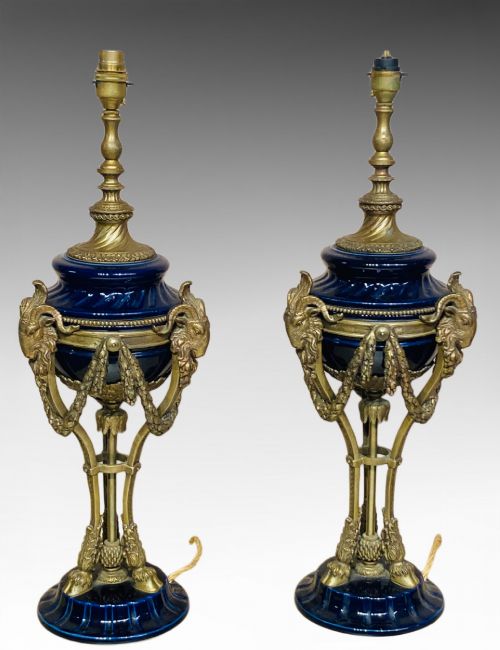
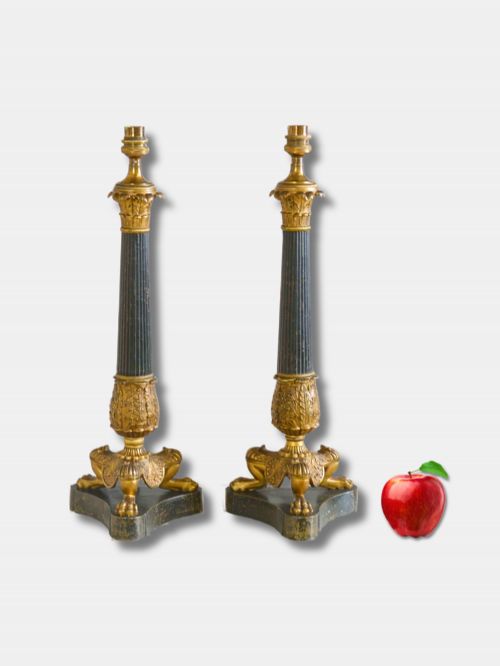
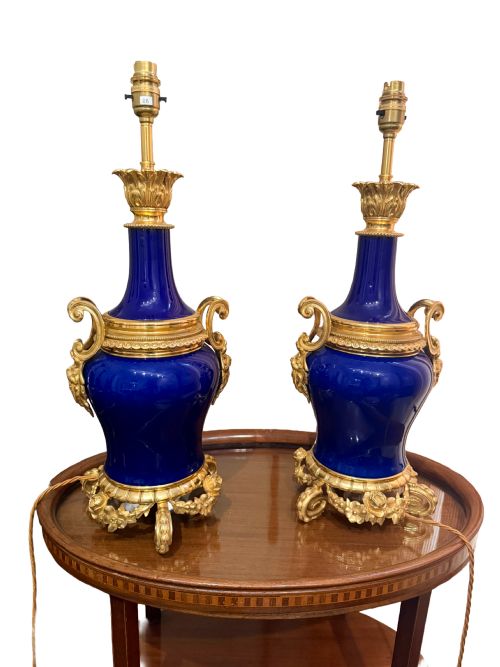
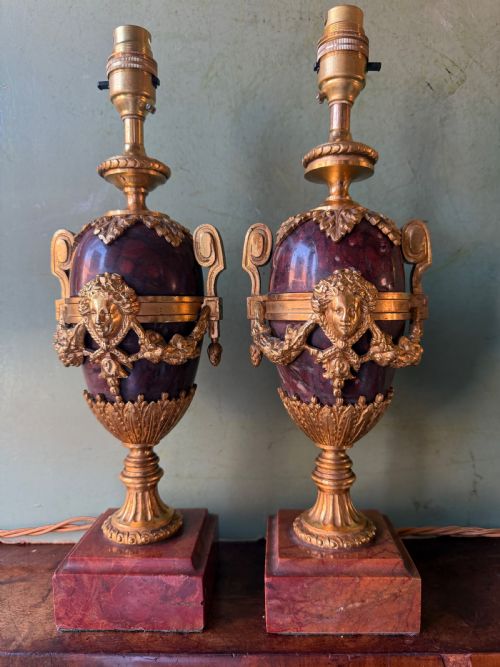
These fixtures comprise dual matching lights built from cast brass or bronze treated with a gold-coloured mercury amalgam finish, frequently incorporating marble, porcelain, or crystal elements. When searching for pair ormolu table lamps, buyers encounter French creations spanning the nineteenth century and early twentieth century, alongside Regency examples.
Many specimens originate from earlier cassolettes, vases, or candelabra that were subsequently converted into functional table lighting.
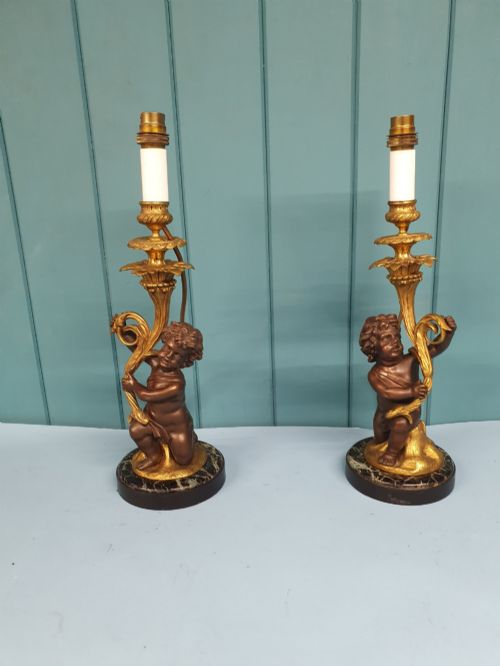
The prevailing aesthetic channels French Neoclassical, Louis XVI, Empire, and Rococo Revival design vocabularies, featuring cherubs, columns, urns, and foliate mounts.
Materials and construction
The metallic components rely on bronze or brass cast in detailed moulds and finished with ormolu gilding, which involves applying a mercury and gold mixture and heating to evaporate the mercury.
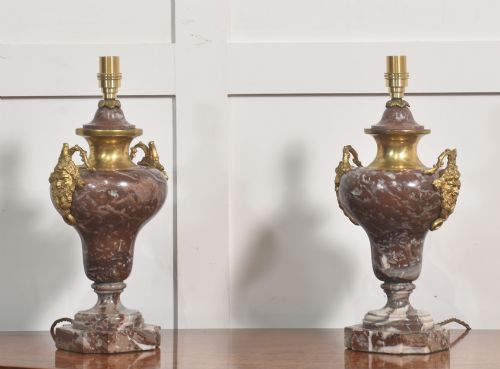
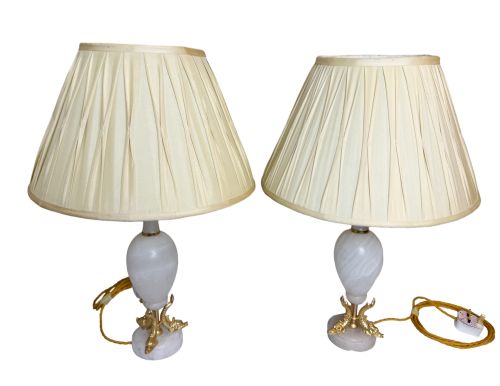
Foundational bodies frequently combine this gilt metal with carved natural stones like rouge marble, black marble, onyx, or alabaster, alongside ceramic sections including Sevres, Cantonese, and Imari porcelain.
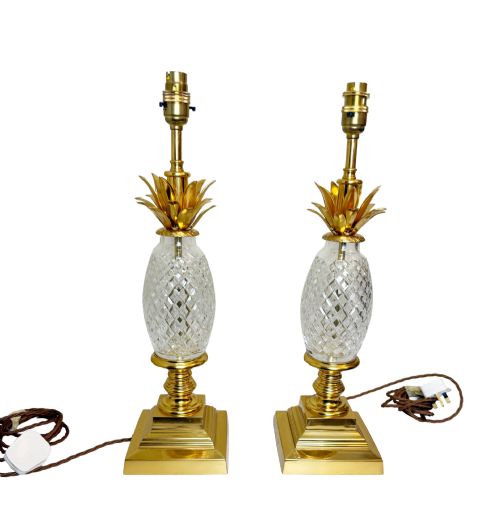
Glass and crystal embellishments, such as lustres or pineapple and urn bodies, appear alongside fabric and silk shades to complete the assembly.
Listings feature French Neoclassical, Rococo Revival, and Empire styles spanning the nineteenth century to the 1930s.
Assessing craftsmanship and design
The integration of materials dictates overall grade, with high-tier pieces uniting heavy, unblemished marble or finely hand-painted porcelain bodies with thick, securely mounted ormolu mounts rather than light, stamped metal sheeting.
Cohesion between the two matching lamps determines visual balance, with premier specimens exhibiting identical casting weight, precise turning, and uniform mercury gilding across both items.
The Pair Ormolu Table Lamps Glossary
- Ormolu
- Gilded bronze produced through a mercury amalgamation technique. The process deposits a durable gold layer onto a cast bronze or brass base.
- Cassolette
- A decorative ornamental vase or urn featuring a reversible lid, frequently adapted into a lamp base. These vessels often combine marble bodies with ormolu mounts.
- Champleve
- An enamelling technique where troughs or cells are hollowed out of a metal surface and filled with vitreous enamel before firing. These colourful sections frequently accent French table lamps.
- Patinated bronze
- Metal treated with chemical solutions to produce a darkened or aged surface colour. This dark tone provides contrast against bright ormolu mountings.
- Sevres style
- Ceramic decoration mimicking the soft paste porcelain produced by the historic French royal factory. These porcelain bodies often feature hand-painted scenes on blue or cobalt grounds.
Pair Ormolu Table Lamps: Frequently Asked Questions
What periods do these lamps date from?
The selection spans from the Regency era and nineteenth century through to the 1920s and 1930s. Most pieces originate from French workshops working in historical revival styles.
Dates are established through stylistic indicators, manufacturing techniques, and material combinations typical of specific decades.
Were these originally made as lamps?
Many examples began life as decorative objects such as cassolettes, candlesticks, vases, or garniture sets. These items were later converted into functional electric table lamps.
Converted pieces retain their original antique mounts and bodies while incorporating modern internal wiring for household use.
How do I style them in a room?
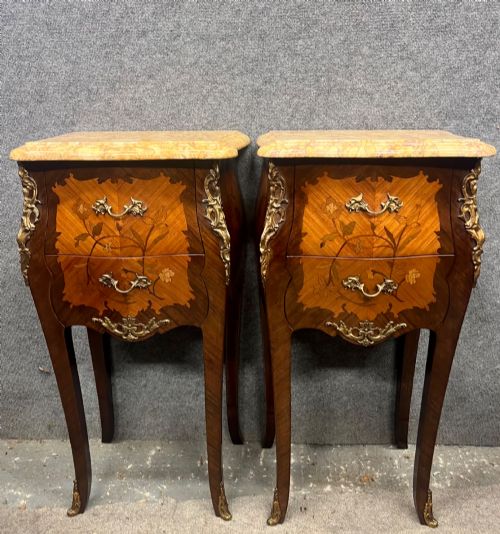
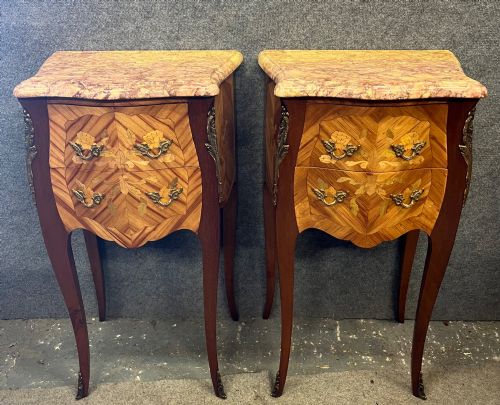
Their symmetrical nature makes them well-suited for placement on matching bedside chests, side tables, or mantelpieces. They provide balanced accent lighting and introduce classical metallic texture to an interior scheme.
Pairing them with fabric or silk shades softens the light and complements the gilded bronze tones.
How do I distinguish French styles?
Louis XVI and Neoclassical designs feature straight fluted columns, urns, and restrained geometric symmetry. Rococo Revival pieces showcase asymmetrical scrolls, naturalistic foliage, and sculpted cherubs.
Empire style items emphasise martial motifs, bold classical forms, and heavy bronze mounts.