
Pair Oriental Ceramic Vases
Pair oriental ceramic vases bring balanced symmetry and intricate hand-painted detail to a room, offering matching companions from Chinese and Japanese workshops.
Pair Oriental Ceramic Vases
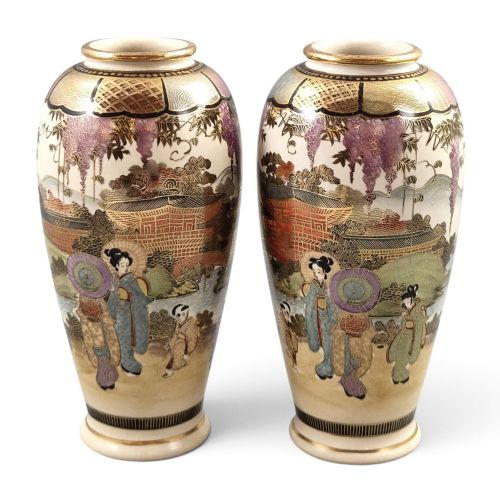
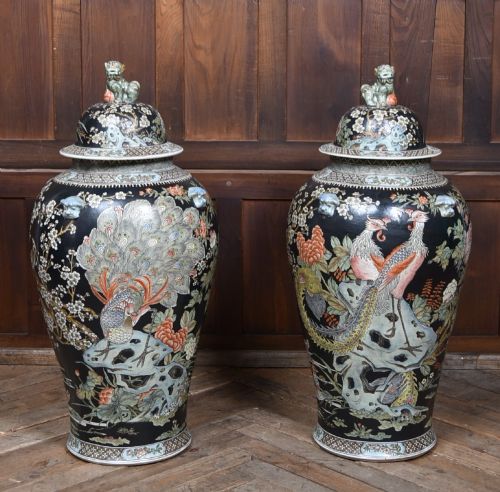
When searching for pair oriental ceramic vases, buyers encounter matched sets originating primarily from Chinese and Japanese kilns spanning the nineteenth and early twentieth centuries. These vessels take various forms including baluster bodies, floor jars, lidded vessels, and moon flasks created for both decorative display and functional utility.
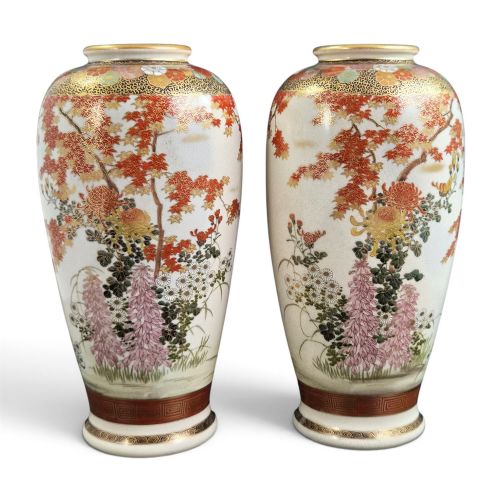
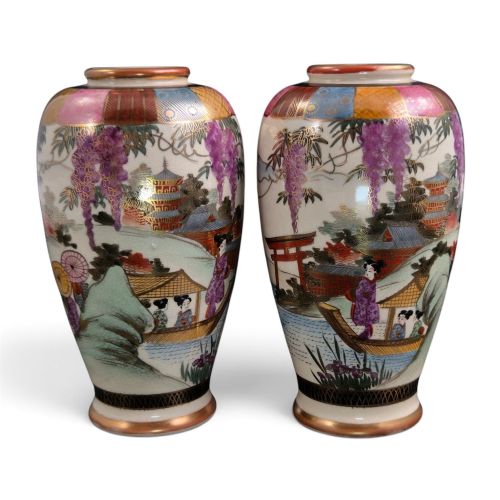
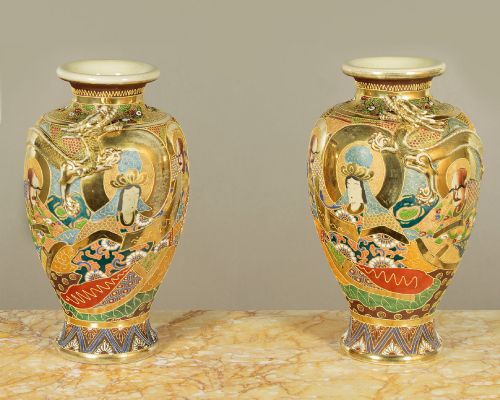
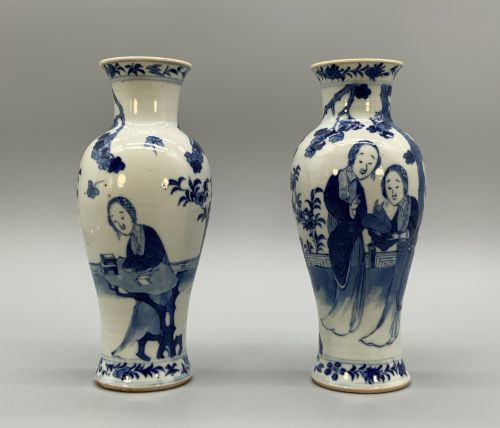
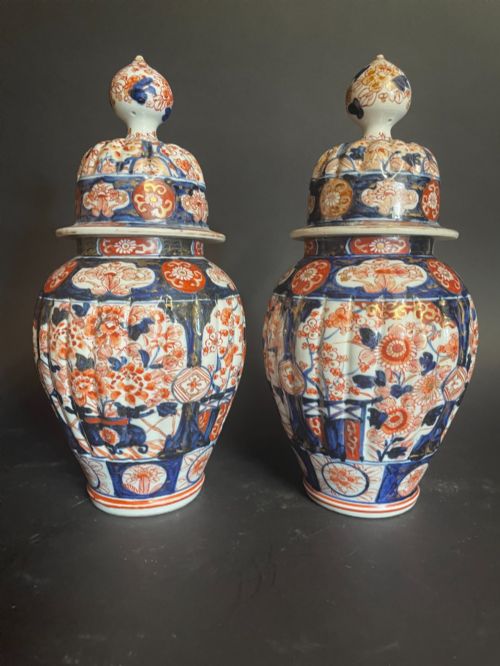
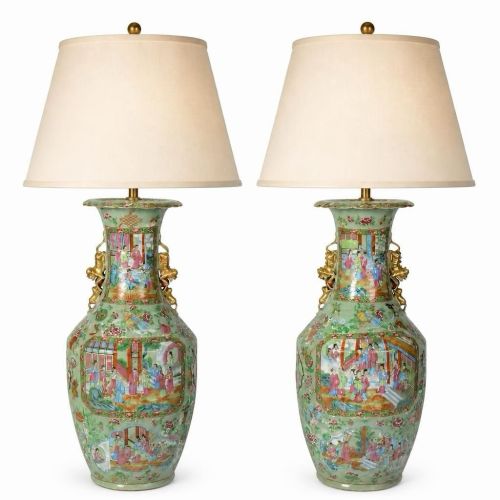
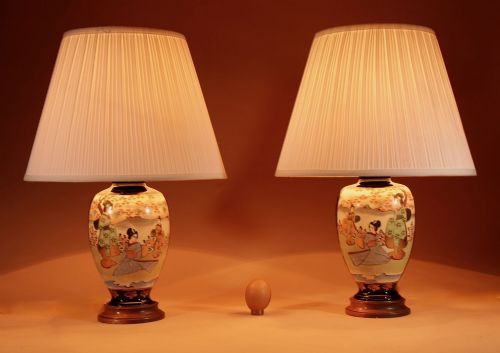
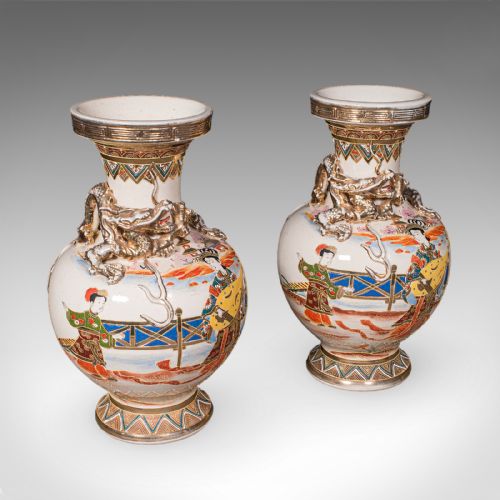
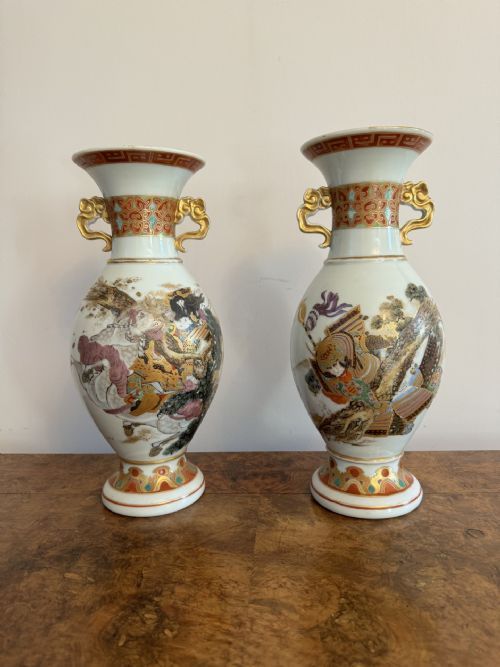
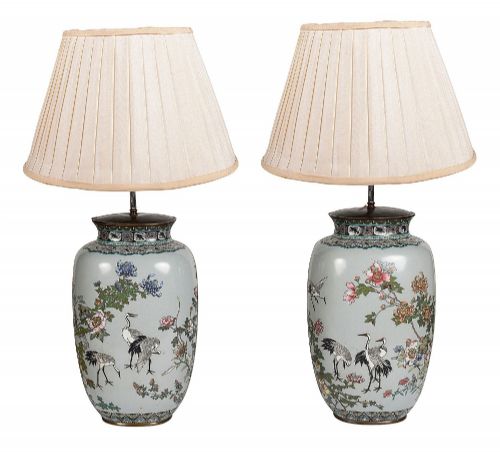
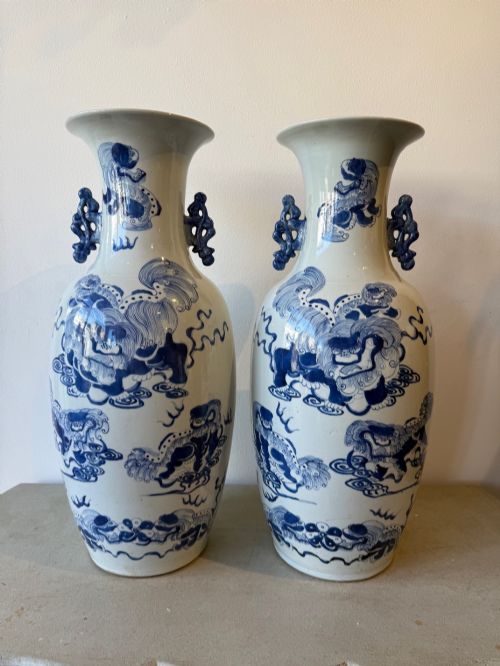
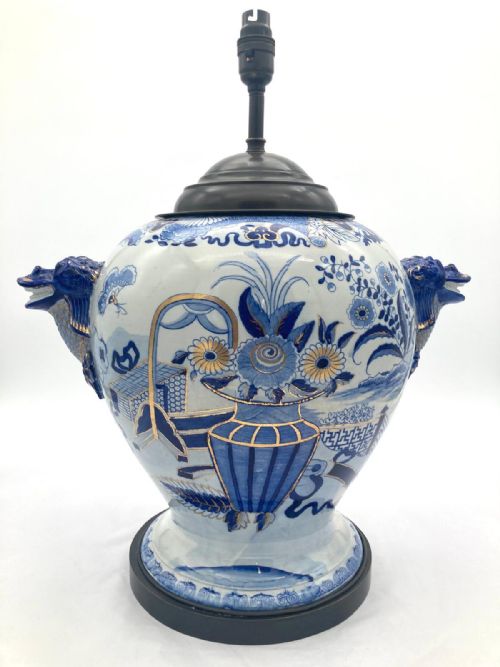
The pieces appearing most frequently on this page include Japanese Satsuma earthenwares decorated with figures and landscapes, alongside Chinese porcelain vessels rendered in traditional blue and white, Imari, and famille rose palettes. Many examples survive from the Meiji period and the Victorian era, occasionally adapted into table lamps with brass or gilt fittings.
How They Were Made
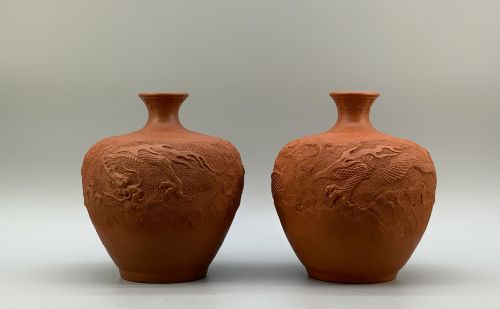
Potters shaped these vessels using fine porcelain clay or textured earthenware, sometimes incorporating red clay bodies or ironstone before applying glazes such as crackle finishes, cobalt blue pigments, and coloured enamels. Artisans then hand-painted detailed figural scenes, floral motifs, and mythical dragons directly onto the surface.
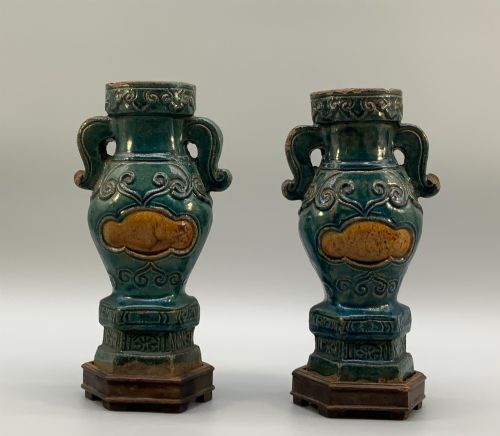
Many finer pieces incorporate raised gilding, gold leaf highlights, or intricate cloisonné enamel work executed on brass bases. Certain larger floor jars and vases also integrated structural wooden elements, lacquer panels, or ornate ormolu mounts.
Listings feature items spanning the 17th century through the 1930s, including Qing dynasty pieces, Meiji period earthenwares, and Edwardian lamp conversions.
What Varies in Quality
Quality rests primarily on the precision of the hand-painting, the complexity of the enamel and gold work, and the crispness of the underlying ceramic form. Master workshops demonstrated superior brushwork, balanced composition, and harmonious colour palettes that elevated standard decorative wares into exceptional artistic achievements.
The preservation of the original enamel and gilding significantly influences the integrity of each piece. Surviving companions that retain their matching covers, original porcelain stands, or crisp signatures from recognised makers command greater attention from collectors.
Maruni Kobe·Shozan·Manpei·Kinkōzan·Kinzan·Hododa·Kato Sanhei
The Pair Oriental Ceramic Vases Glossary
- Satsuma
- A type of Japanese earthenware featuring a crackled, ivory-coloured glaze decorated with enamels and gilt. These ceramics were widely produced during the Meiji period for export markets.
- Imari
- A style of Japanese porcelain characterised by a palette of underglaze blue, iron red, and gold. Designs typically feature dense floral and geometric brocade patterns.
- Famille Rose
- A major palette of Chinese porcelain ceramics introduced during the Qing dynasty, distinguished by opaque pink or rose enamel colours derived from colloidal gold.
- Baluster
- A vertical ceramic form featuring a rounded body that tapers toward the base and swells near the lower centre. This traditional shape provides stability and visual balance for display.
- Cloisonné
- A metalwork technique where enamel paste is applied within compartments created by soldered flat wires. On this page, this method appears on decorative vases and lamp bodies.
Pair Oriental Ceramic Vases: Frequently Asked Questions
How do I style pair oriental ceramic vases?
Place matching vessels symmetrically on mantelpieces, sideboards, or pedestals to create a balanced focal point in a room. Their height and detailed decoration draw the eye, making them effective standalone statements or matched companions for table lamps.
Ensure they sit away from heavy foot traffic where accidental knocks might occur. Pairing them with complementary interior textiles or neutral backgrounds allows the intricate enamel and gold leaf details to stand out.
Were these vases originally made as lamps?
Most of these vessels started life purely as decorative vases or lidded jars intended for display in traditional interiors. Many were converted into table lamps during later periods by fitting them with electrical wiring and brass or gilt hardware.
This conversion process often involved running a cord through a drilled base or securing fittings to the top opening. Collectors weigh the original ceramic condition against the practical utility offered by these later adaptations.
What does Meiji period mean for these ceramics?
The Meiji period spans the late nineteenth and early twentieth centuries in Japan, marking an era of increased artistic production for international export. Artisans during this time refined techniques in earthenware decoration, producing highly detailed narrative scenes featuring dragons, deities, and court figures.
Items from this era often bear artist signatures or workshop marks on the base. This historical window represents a peak in elaborate surface ornamentation and craftsmanship.