

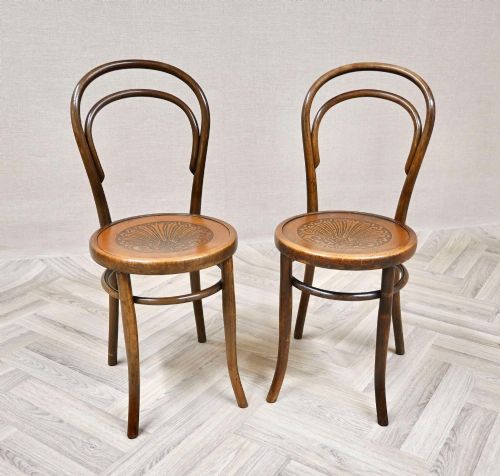
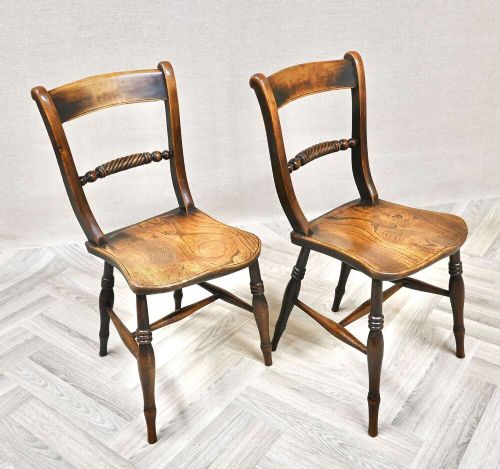
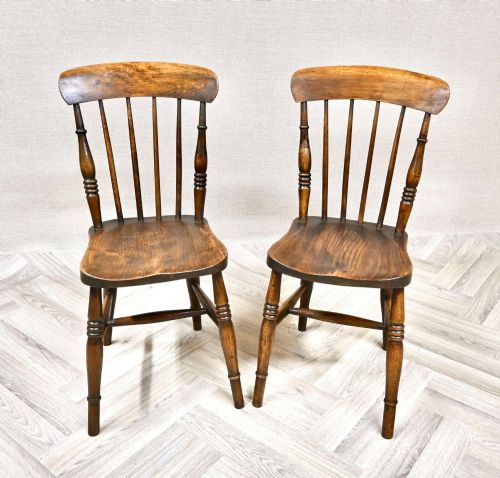
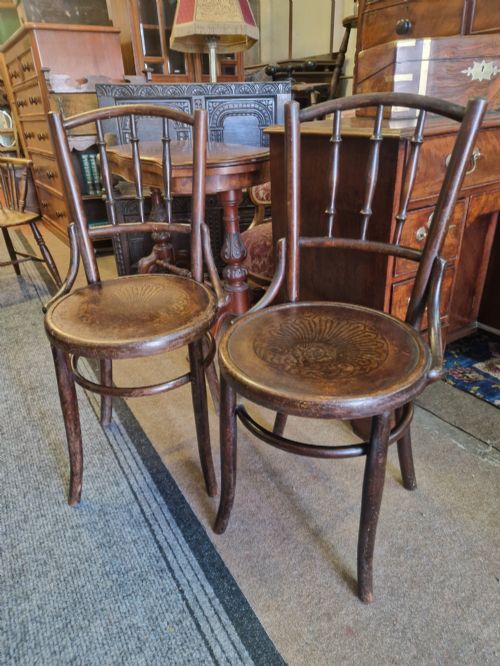
Pair of Wood Chairs
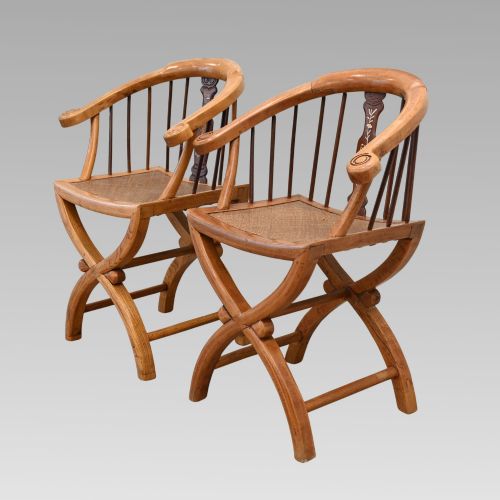
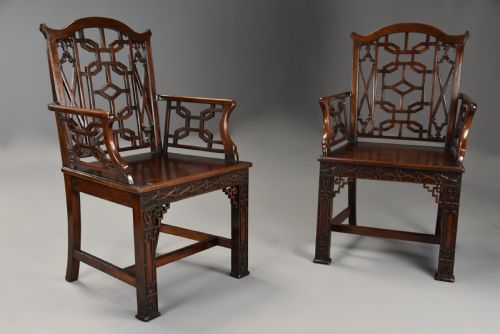
A pair of wood chairs brings immediate balance to a room, offering matched proportions and historic character that single seats simply cannot match.
Pair of Wood Chairs
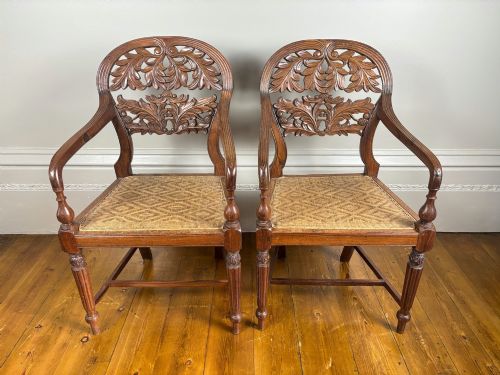
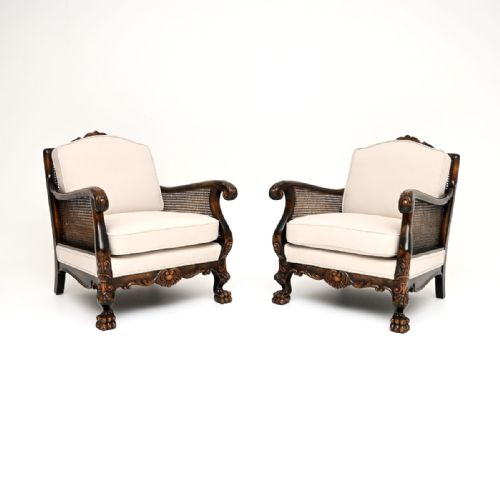
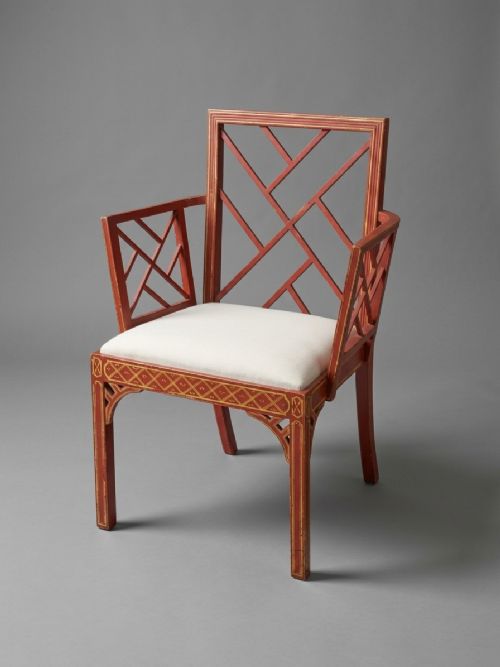
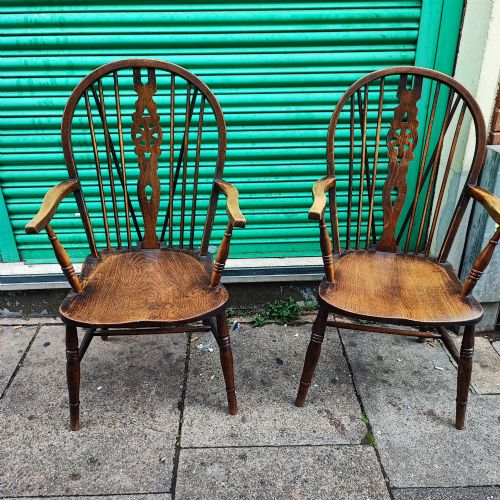
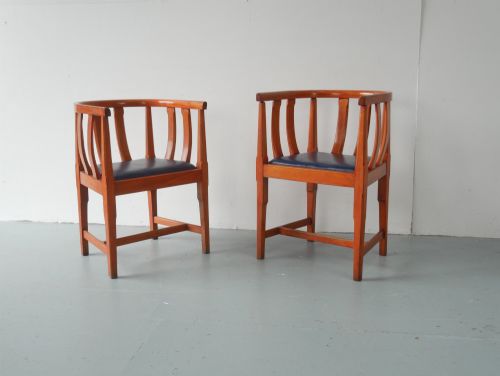
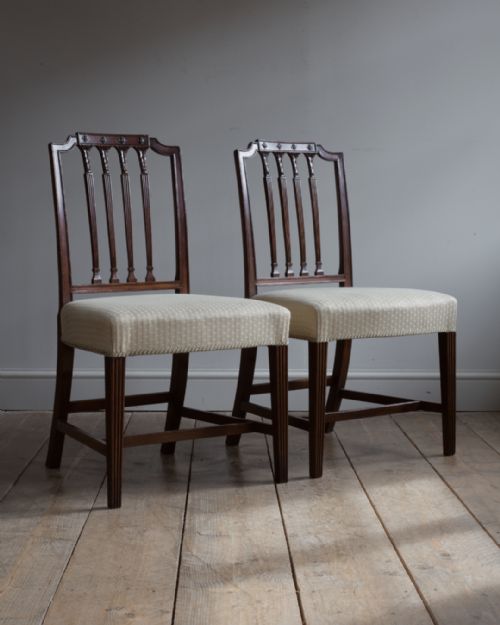
A pair of wood chairs represents a matched set of two seating pieces designed for function and display, spanning centuries of craftsmanship from the Georgian and Victorian eras through to the Art Deco period. When searching for a pair of wood chairs, buyers frequently encounter robust Windsor designs in elm and beech alongside formal mahogany dining and hall chairs.
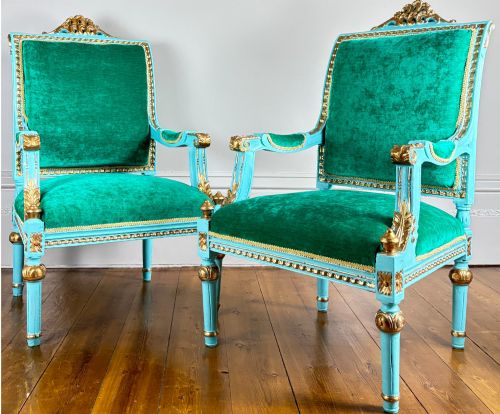
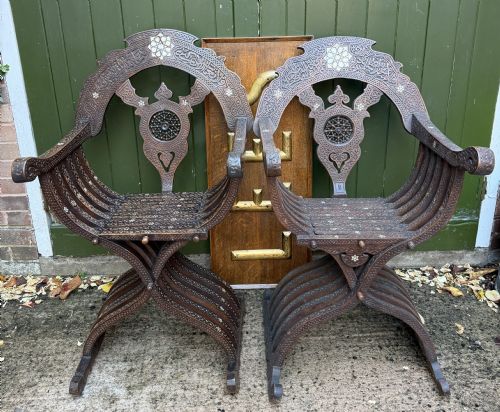
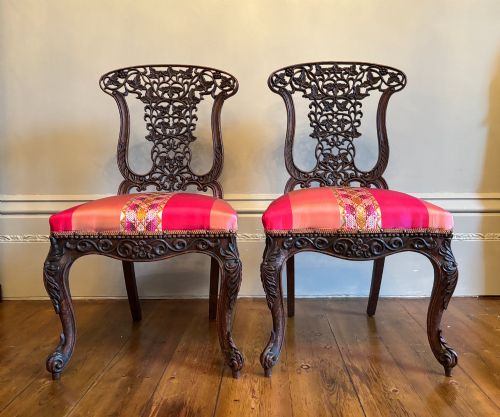
The selection ranges from sturdy country seating to gilded French salon chairs and ornate Anglo-Indian padauk pieces. Buyers often select these pairs to anchor either side of a fireplace, a console table, or a hallway, where symmetry creates a formal visual anchor.
Originating from diverse European and global traditions, these chairs reflect the dominant aesthetics of their respective decades, including Louis XVI, Swedish Empire, and Gothic revivals. Each matched pair demonstrates how historical makers conceived of dual seating for domestic harmony.
Materials and construction
Makers relied heavily on dense hardwoods such as mahogany, walnut, oak, and satin birch to build frames that endured heavy daily use. Softer woods like elm and beech appeared frequently in vernacular Windsor designs, steam-bent and turned to form strong spindle backs and seats.
Surface decoration involved meticulous carving, gilding upon gesso, and painted finishes, particularly in French giltwood and Anglo-Indian variations. Upholstered examples integrated traditional stuffing techniques beneath textiles such as velvet, silk, and Aubusson tapestry.
Pair of Wood Chairs Retail Price Guide 2026
Typical asking prices for pair of wood chairs among the pieces listed under this phrase on Sellingantiques today, from the lower quarter to the upper quarter. They describe what is for sale here now, not the wider market.
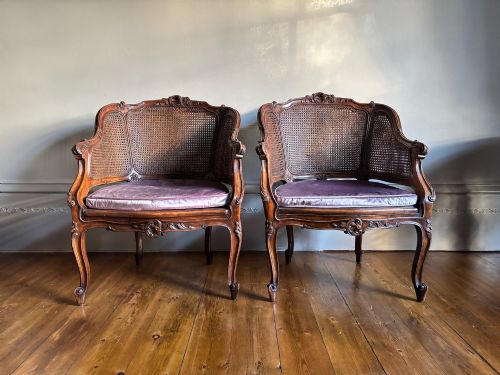
French design influence appears frequently across the selection, ranging from Louis XV style bergères to Napoleon III tub chairs.
Distinguishing quality
The finest pieces display crisp, deep hand-carving where details remain sharp rather than softened by excessive sanding or wear. Timber selection governs the visual weight, with figured mahogany and finely grained satin birch marking the upper tier of production.
Structural integrity relies on traditional joinery methods like mortise and tenon, ensuring the pair remains stable without modern reinforcement. Original surfaces, whether polished French polish or untouched paint and gilding, command greater respect among collectors than heavily restored finishes.
Maurice Adams
The Pair of Wood Chairs Glossary
- Bergère
- An enclosed upholstered armchair with wooden framing exposed around the sides and back, typically originating from French design traditions. These seats often incorporate cane panels or tight upholstery.
- Windsor
- A traditional wooden chair built with a solid saddle-shaped seat into which separate legs and back spindles are wedged directly. Elm and beech feature prominently in these robust regional pieces.
- Hall chair
- A rigid wooden seat placed in entrance halls, frequently featuring carved or painted armorial crests on the back. They were designed for brief seating rather than extended lounging.
- Padauk
- A dense, heavy tropical hardwood prized for its deep reddish-brown colour and durability, often utilised in Anglo-Indian furniture. It takes an exceptionally fine carved finish.
- Giltwood
- Timber treated with a thin layer of gold leaf applied over a prepared gesso ground, common on formal French salon and revival seating. This finish creates a luminous, reflective surface.
Pair of Wood Chairs: Frequently Asked Questions
How do I style a pair of wood chairs?
Position them symmetrically opposite one another in a formal drawing room or flank a large chest of drawers in a wide hallway to create instant visual balance.
Alternatively, use them as accent seating in a bedroom or study where the matched wood tones complement existing antique furniture.
Were these chairs originally meant for dining?
While many mahogany and walnut examples served around grand dining tables, a significant portion functioned as salon, hall, or occasional seating.
Examining the depth of the seat and the height of the arms helps determine whether a pair was built for dining or for parlour relaxation.
How do I care for antique wood finishes?
Maintain the timber by keeping the chairs away from direct sunlight and steady heat sources that can dry out the wood and cause splitting.
Apply a traditional beeswax polish sparingly to nourish the grain, buffing gently with a soft cloth to preserve the historic patina.
How do I distinguish between Georgian and Victorian pieces?
Georgian chairs tend to exhibit restrained classical proportions, elegant timber selection, and hand-cut joinery typical of the eighteenth century.
Victorian examples often showcase heavier carvings, darker finishes, and eclectic revival styles influenced by Gothic, Rococo, and Elizabethan tastes.