

Pair of French Sconces
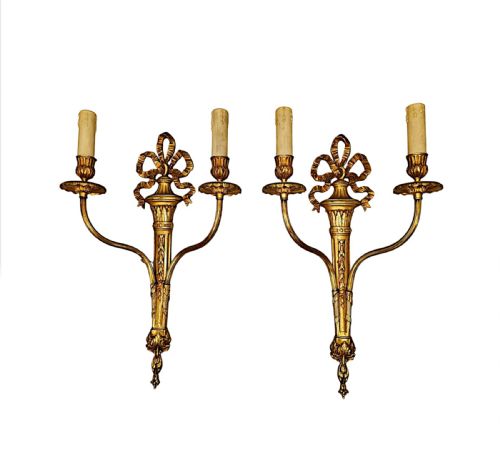
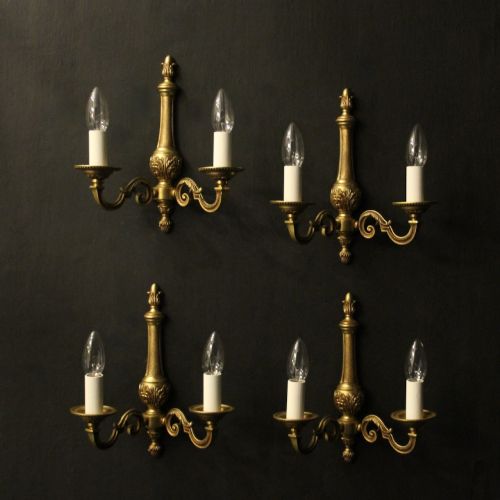
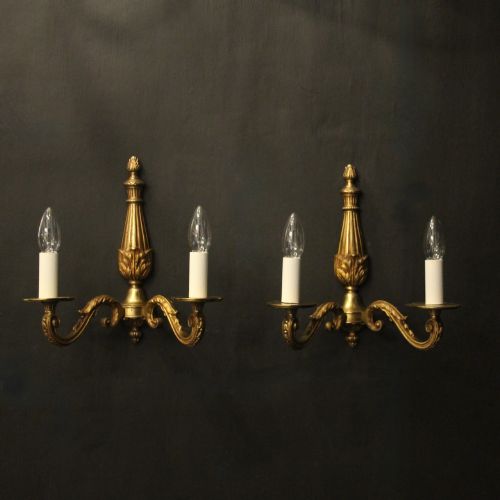
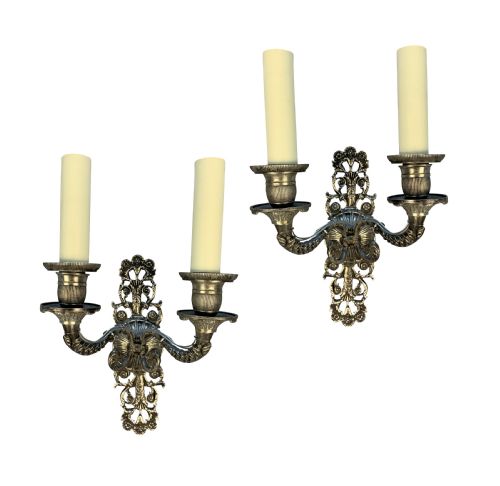
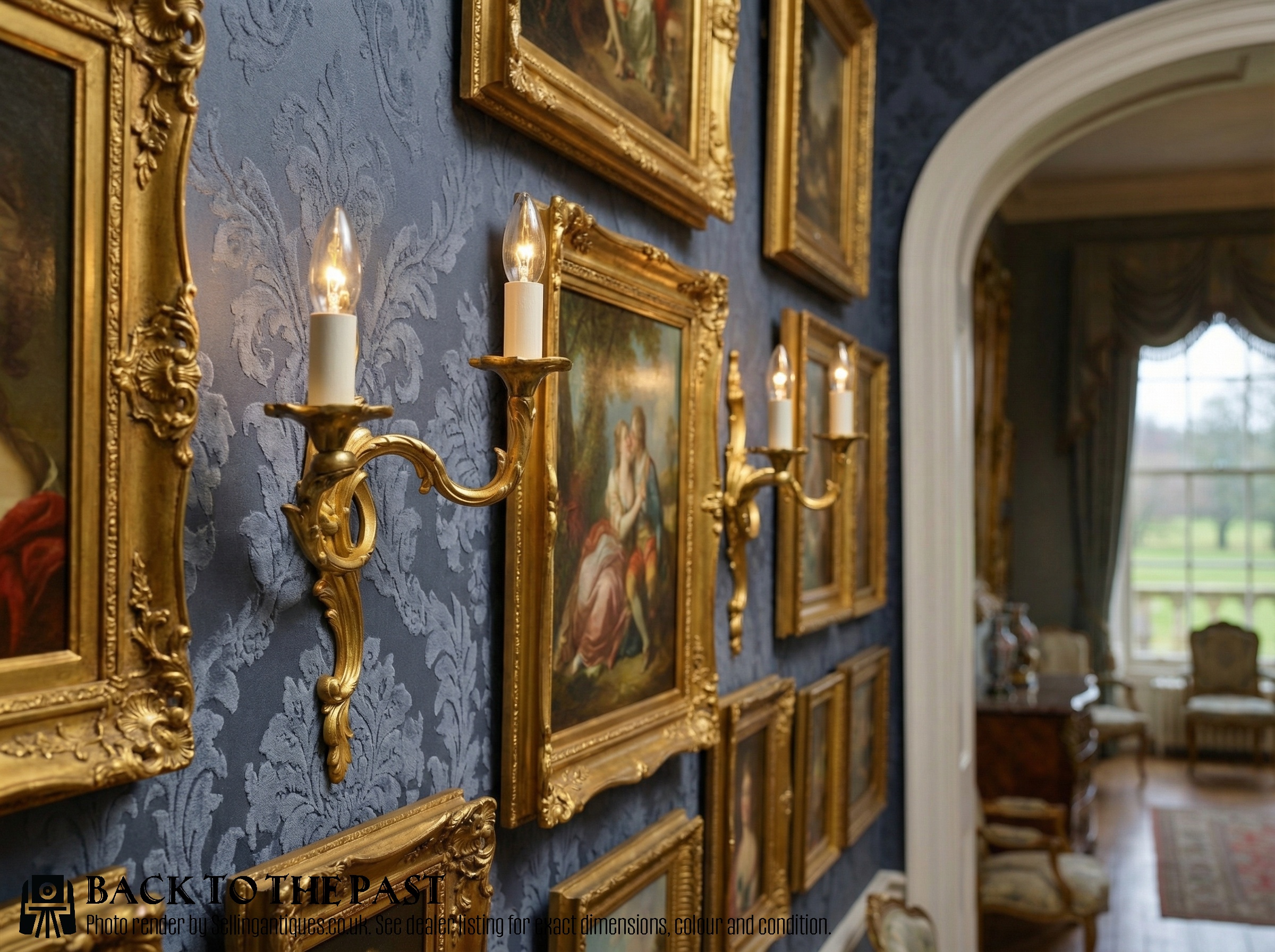
A pair of french sconces brings architectural illumination to interior walls through cast metal arms and candle holders.
Pair of French Sconces
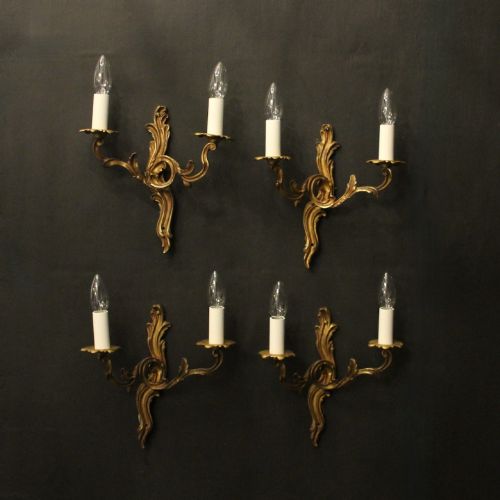
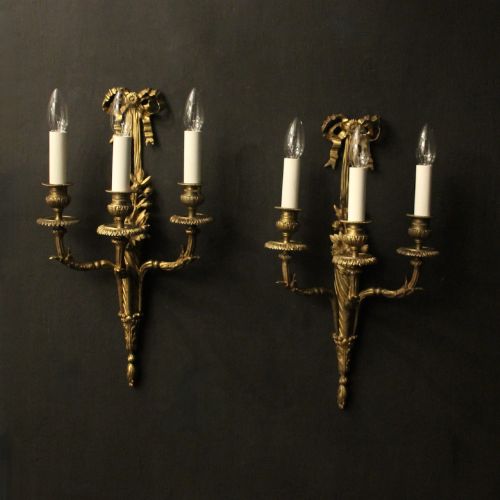
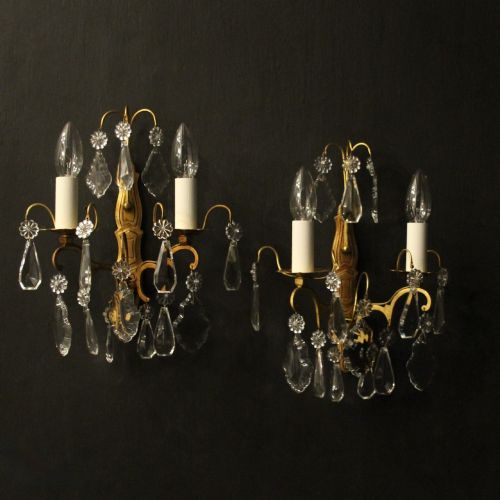
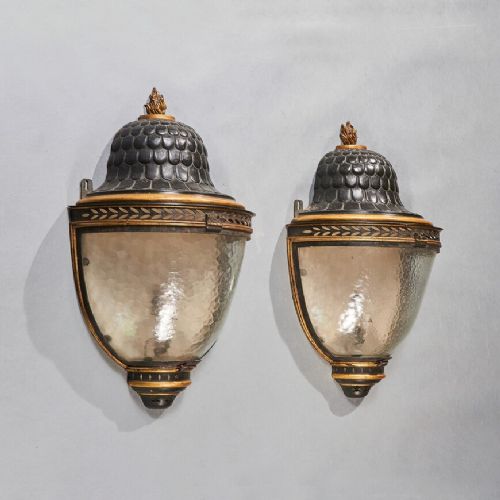
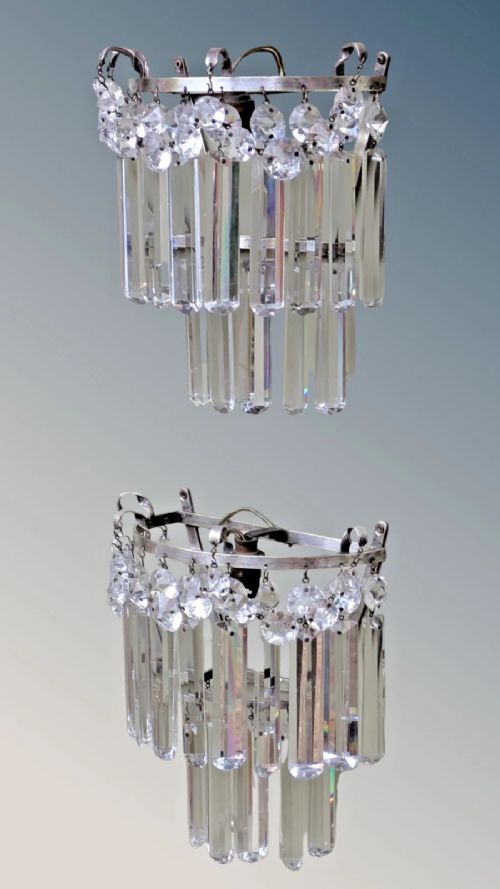
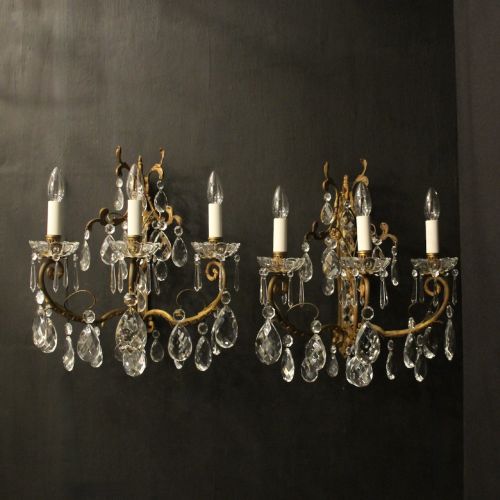
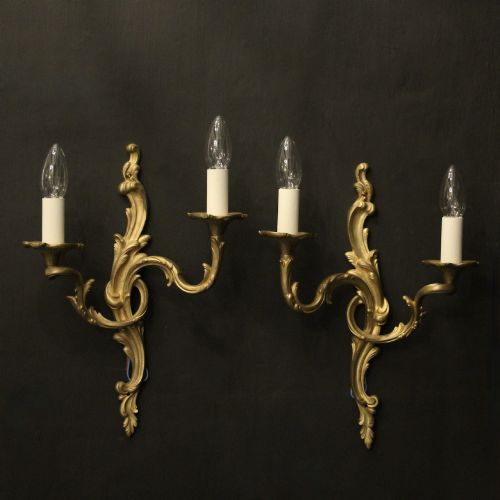
A buyer seeking a pair of french sconces encounters wall-mounted light fixtures originating from various periods including the nineteenth century, nineteen-twenties, and nineteen-thirties. The selection spans twin-arm and triple-arm wall lights, girandoles, half lanterns, and wall brackets designed for candle or electric illumination.
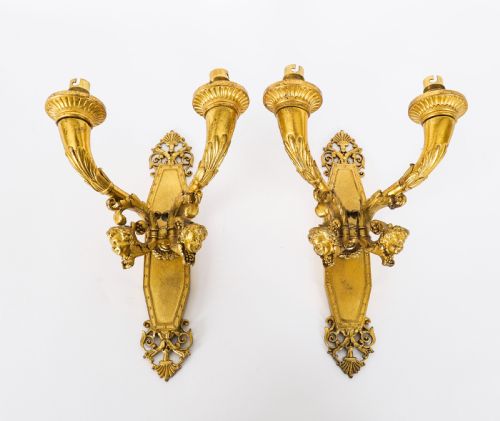
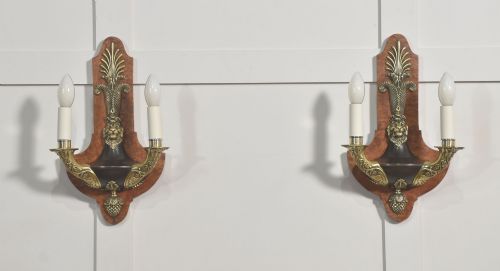
Common forms on this page include French Rococo and Neoclassical styles alongside Empire designs, featuring decorative elements like ribbons, cherubs, and porcelain flowers. These fixtures attach directly to walls, providing secondary lighting in hallways, salons, and dining rooms.
How They Were Made
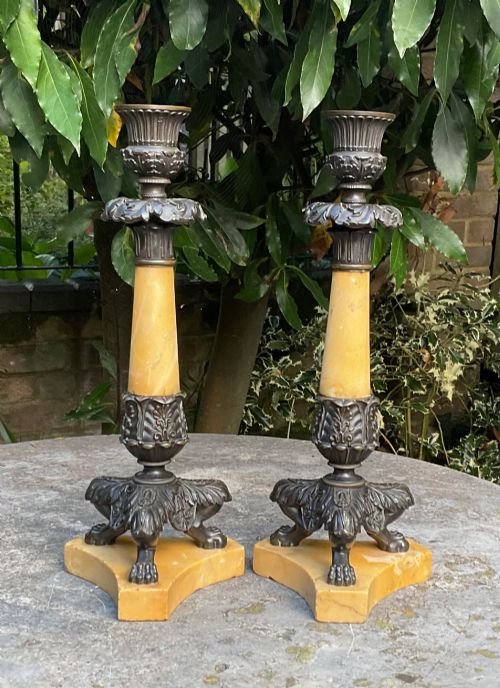
Maker workshops utilised metals such as bronze, brass, and gilt metal, often applying fire gilding or ormolu finishes to create a golden surface. Cast components were chased by hand to sharpen surface details on foliage, scrolls, and figures.
Alternative materials include carved wood, tole peinte, glass, and porcelain, frequently combined with silver plating or silvered bronze. Structural arms were threaded or pinned together to support multiple candle branches or glass shades securely.
Several cherub sconces stubbornly refuse to drop their porcelain flowers, even after surviving a century of enthusiastic wall dusting.
What Varies in Quality
The standard of a pair of french sconces depends upon the crispness of the metal casting and the depth of the original gilding or ormolu. Finer examples display meticulous hand-chasing across leafwork and figures, whereas simpler commercial productions show softer contours from worn moulds.
Weight and construction complexity also differentiate pieces, with heavier bronze foundations and multi-branch assemblies indicating higher production standards. The integrity of applied elements like porcelain flowers or crystal drops further separates standard items from exceptional workshop output.
Maison Baguès·Casier
The Pair of French Sconces Glossary
- Ormolu
- Gilt bronze produced by applying an amalgam of mercury and gold to a bronze base and heating it until the mercury vaporised. This technique creates a durable, golden matte finish seen on nineteenth-century wall lights.
- Girandole
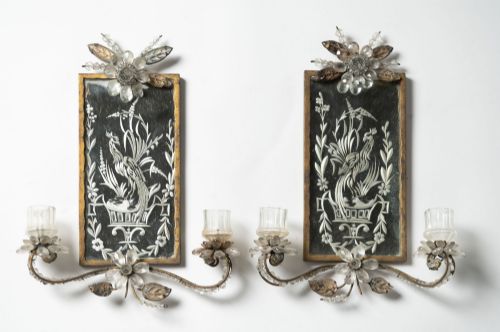
- A branched wall light or sconce incorporating a mirror backplate. The reflective glass serves to multiply the illumination cast by the candles.
- Tole Peinte
- Painted sheet metal used to form decorative lantern bodies and backplates. It provides a coloured surface often paired with parcel gilt accents.
- Applique
- A French term frequently used interchangeably with wall sconce or bracket light. These fixtures mount flush to vertical wall surfaces.
- Chasing
- The process of hand-finishing cast metal components using small punches and hammers. This refines textures and sharpens details after the casting stage.
Pair of French Sconces: Frequently Asked Questions
How do I wire antique wall lights?
Electric conversion requires running insulated cable through the internal channels of the metal arms or backplates. Professional electricians typically handle this process to ensure compliance with current safety standards.
Original backplates often retain mounting holes that align with modern wall junction boxes. Care must be taken not to damage historic finishes during installation.
Were these fixtures meant for candles?
Most nineteenth-century examples were designed exclusively for wax candles before being adapted for electricity in later decades. Candle cups and drip pans catch melted wax on the original configurations.
Later twentieth-century productions frequently incorporated lamp holders from the outset. Examining the internal sockets reveals whether the wiring is original or a later addition.
How do I clean gilt bronze sconces?
Dust accumulates gently within the recessed chased details of gilt bronze and ormolu surfaces over time. Using a soft dry brush prevents abrasive damage to the delicate metallic coatings.
Harsh chemical polishes remove the historical patina and should be strictly avoided. Warm water and mild soap applied sparingly on a cloth suffice for heavier grime.
How do I distinguish Empire style sconces?
Empire style wall lights draw inspiration from classical Roman and Greek motifs, featuring strict symmetry and military symbols. Common elements include laurel wreaths, urns, and mythological figures cast in bronze.
In contrast, Rococo designs exhibit asymmetrical scrolls, organic leaf motifs, and shell forms. Neoclassical pieces sit between these extremes with straight lines and restrained floral swags.