

Pair of French Appliques
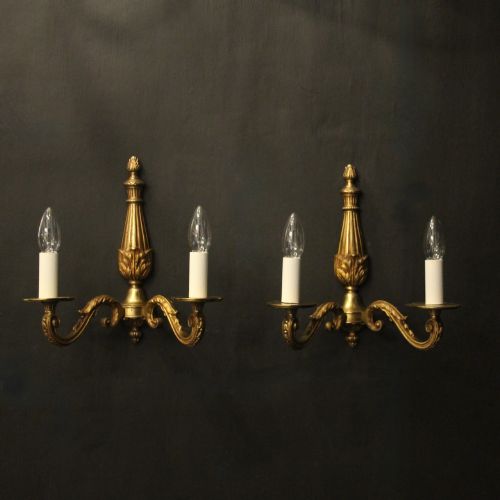
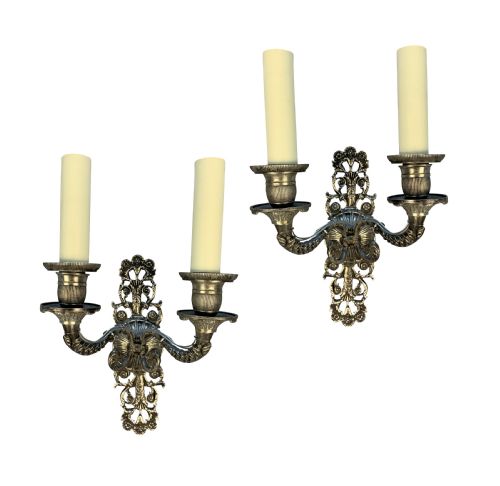
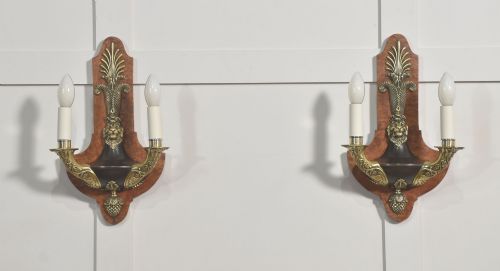
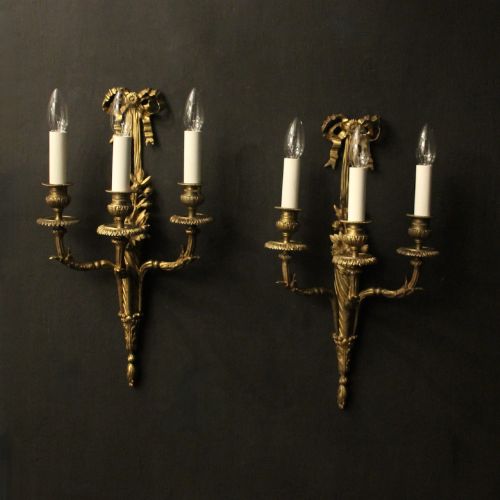
These pair of french appliques bring ornamental light to a room, offering classical form and gilded metalwork.
Pair of French Appliques
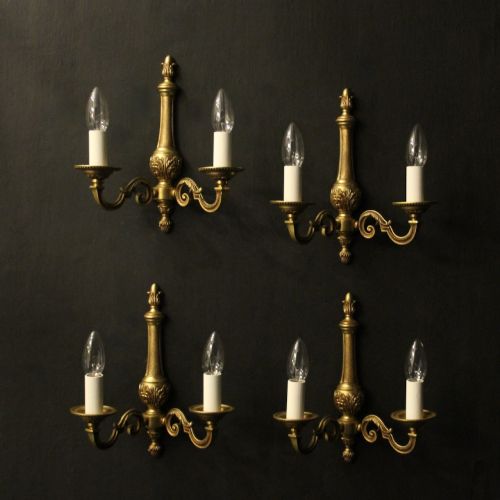
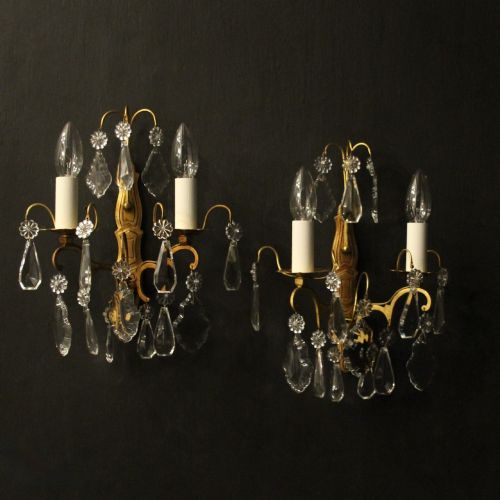
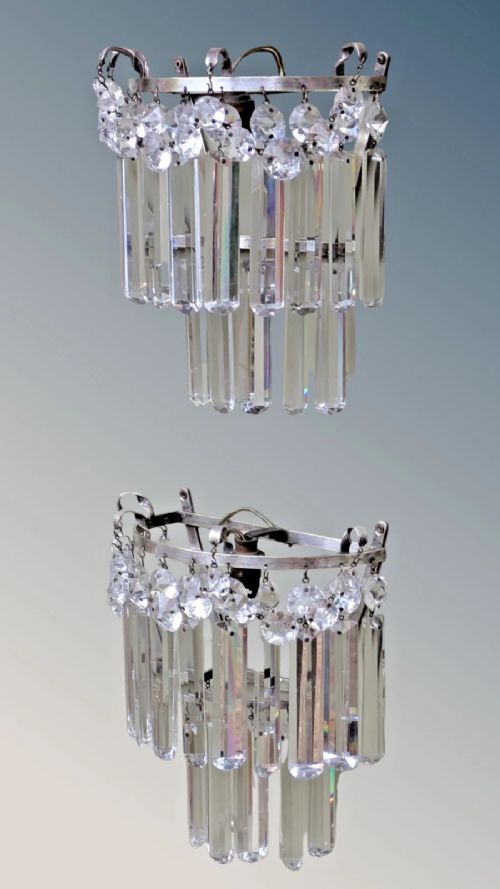
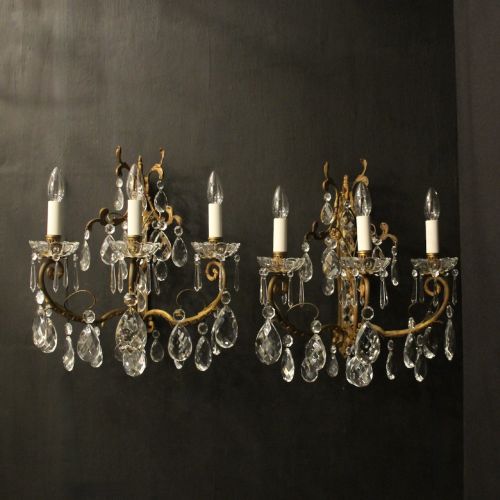
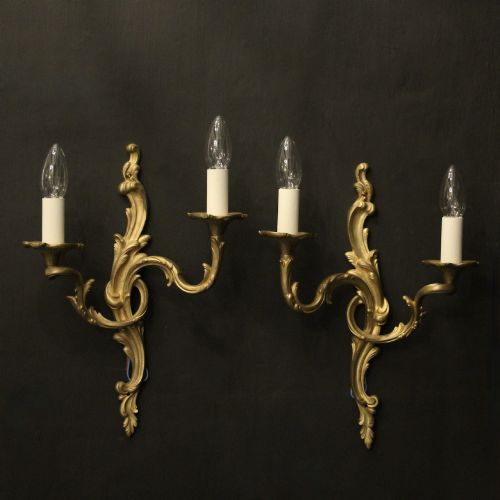
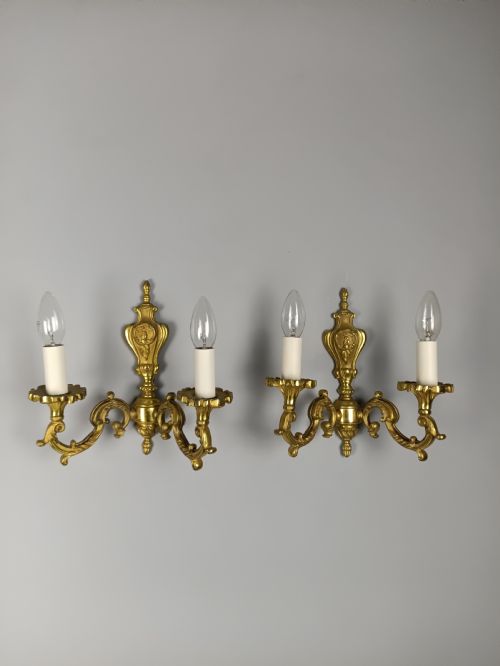
A pair of french appliques functions as a wall-mounted lighting fixture, designed to hold candles or electrical globes while decorating a panelled surface. Buyers searching this phrase will find twin or triple arm configurations, half lanterns, and sconces originating from the nineteenth and early twentieth centuries.
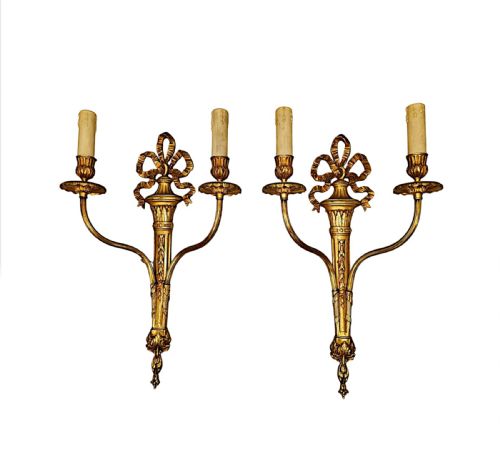
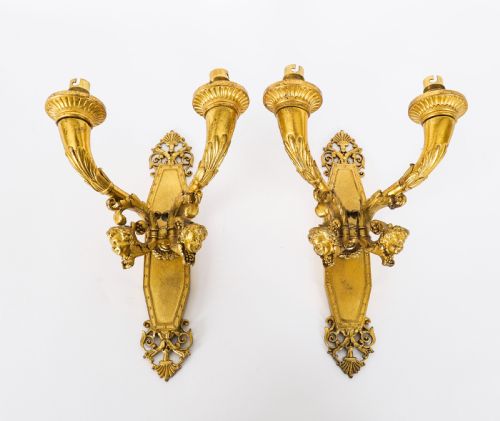
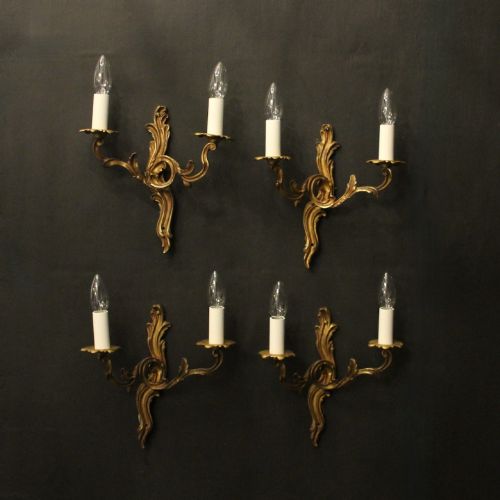
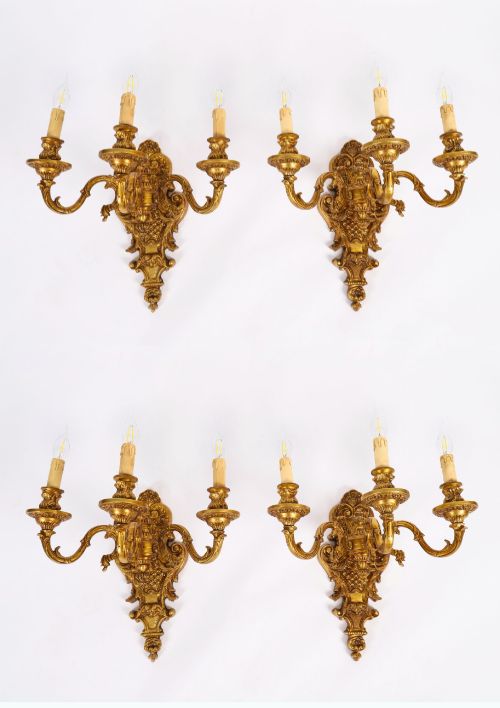
The dominant styles recorded across these listings draw heavily on French Rococo, Louis XVI Neoclassical, and Empire designs. Pieces often incorporate cast motifs such as ribbons, cherubs, and scrolling foliage that reflect historic chateau interiors.
Forms extend beyond simple illumination to include furniture mounts and candelabras adapted for wall placement. Most examples survive in pairs or larger sets, constructed to flank mirrors, doorways, or fireplaces in formal reception rooms.
How They Were Made
Foundry work relied on casting bronze, brass, and metal into intricate decorative shapes before applying gilding or ormolu finishes. Gilt bronze and ormolu provide a rich, enduring metallic lustre, whereas simpler brass and silvered bronze variations offer alternative surface tones.
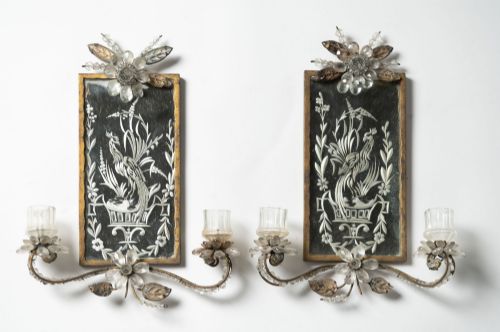
Detailing often involved chasing the cast metal surfaces by hand to sharpen the leaf scrolls and figural elements. Cut crystal, glass, and porcelain flowers were integrated into specific models to catch and refract ambient light.
Several wall sconces feature delicate porcelain flowers and cheerful cherubs frozen mid-flight, bringing unexpected whimsy to formal candleholders.
What Varies in Quality
Depth and precision in the initial casting separate standard production from finer examples. Superior pieces display crisp definition in acanthus leaves, cherubs, and rococo scrolls without the softness seen in later or secondary casts.
The quality of the mercury gilding or surface finishing dictates how the metal ages and retains its reflection. Heavier gauge bronze and substantial brass components provide structural integrity to multi-arm sconces compared to lighter pressed metal alternatives.
Maison Baguès·Henri Picard
The Pair of French Appliques Glossary
- Applique
- A wall-mounted lighting fixture or decorative bracket fixed directly to a vertical surface. In historic interiors, these held wax candles to supplement chandelier light.
- Ormolu
- Finely ground high-carat gold applied to a bronze base using a mercury amalgamation technique. This historic process creates a warm, deep metallic surface that resists tarnishing.
- Rococo
- An ornate design style characterised by asymmetrical scrolls, shell motifs, and naturalistic plant forms. It dominated French decorative arts during the eighteenth century and saw major revivals later.
- Empire Style
- A neoclassical design movement inspired by ancient Roman, Greek, and Egyptian motifs. Pieces from this vocabulary feature military trophies, laurel wreaths, and symmetrical geometric dignity.
- Candelabra
- A branched candlestick holder designed to support multiple taper candles simultaneously. Many surviving examples have been converted safely for modern electrical wiring.
Pair of French Appliques: Frequently Asked Questions
How are pair of french appliques wired for modern electricity?
Most antique wall lights are adapted by threading internal flex through the original arms and backplates. Professional electricians usually update the internal lamp holders to meet current safety standards.
Historic backplates are mounted securely to wall studs or pattresses using appropriate fixings to support the weight of the metal and glass components.
How do I distinguish Louis XVI style from Rococo?
Louis XVI style relies on strict symmetry, straight architectural lines, ribbons, and classical urns or swags. It reflects a return to ancient Greek and Roman proportion.
In contrast, Rococo embraces asymmetry, energetic C-scrolls, and flowing natural forms without rigid geometric order. The ornamentation mimics organic plant growth and shell formations.
What is the difference between ormolu and gilt brass?
Ormolu specifically denotes gold leaf or a mercury gold amalgam applied to a cast bronze substrate. The bronze underneath takes fine chisel work and holds deep detail during casting.
Gilt brass uses a less expensive yellow alloy base with modern or chemical plating methods. Brass components generally feel lighter and display a brighter, less nuanced surface tone than historic bronze.