





Pair of Framed Plaques
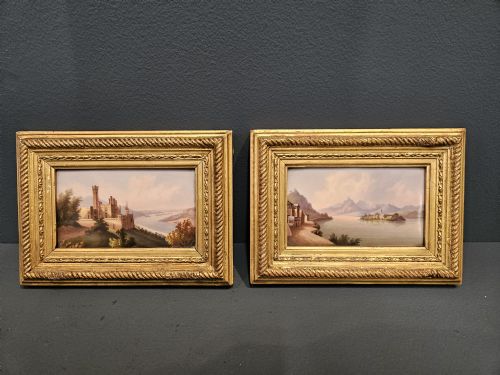
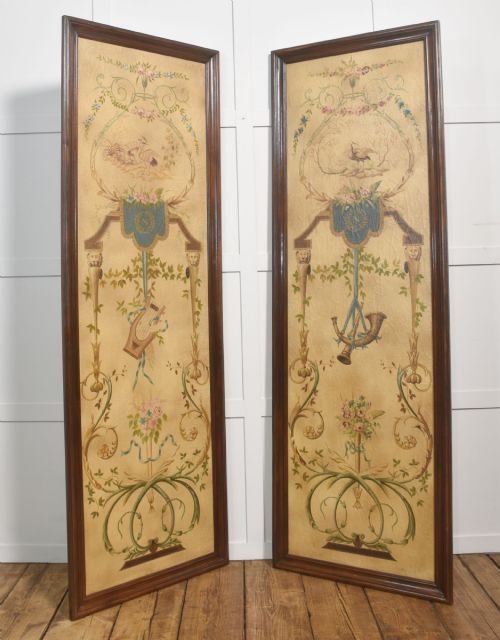
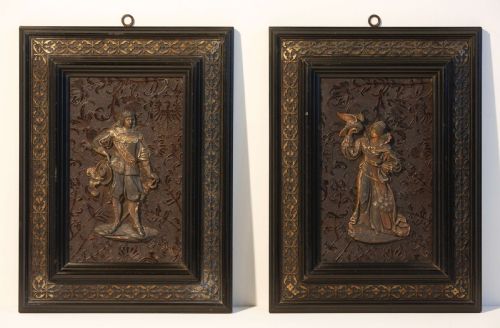
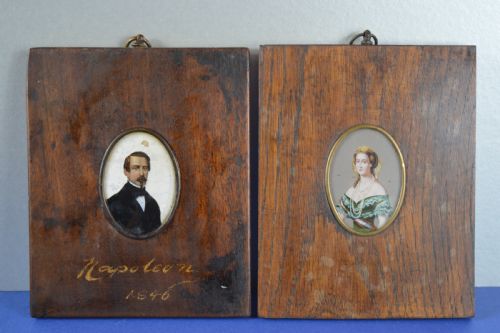
These pair of framed plaques span centuries of decorative wall art, offering matching compositions in porcelain, enamel, carved wood, and metal.
Pair of Framed Plaques
A pair of framed plaques comprises matching decorative wall panels designed for symmetrical display. When you search for pair of framed plaques, you encounter works executed in porcelain, enamel, carved wood, ceramic, and marble, originating from various European and Asian traditions.
The selections on this page range from eighteenth-century South Staffordshire enamels and Italian Grand Tour marble cameos to Victorian ceramic tiles and twentieth-century porcelain pieces. Matching sets often utilise frames made of giltwood, rosewood, or turned mahogany to complement the central artwork.
You meet portrait miniatures, botanical studies, mythological reliefs, and scenic panels mounted for interior decoration. These objects reflect shifting stylistic preferences from Georgian and Neoclassical designs through to Art Nouveau and Arts and Crafts movements.
Materials and construction techniques
Maker workshops employed porcelain, enamel, carved walnut, marble, and copper as primary mediums, frequently mounting the items inside wooden or gilt frames. Painted porcelain and ceramic surfaces received fired glazes or miniature brushwork depicting figures and landscapes.
Metalwork plaques utilised cast bronze, white metal, and gilded brass to achieve relief detailing through casting and chasing techniques. Lacquered wooden panels incorporated mother-of-pearl, abalone inlay, and foilage applications to create textured surface designs.
The inventory records diverse international origins, spanning English enamel works, French Empire roundels, German porcelain plaques, and Chinese lacquered panels.
Determining the quality of the panels
Quality reveals itself through the precision of the modelling and the finesse of the painted or carved detail. Hand-painted porcelain and finely chased metal reliefs display a sharpness and depth absent in mass-produced or mechanical iterations.
The integrity of the mounting matters significantly, as original or period-appropriate frames matching the age of the central plaque preserve the unified character of the object. Signed works by established ceramic factories or individual artists demonstrate superior technical execution.
Reginald Robert Tomlinson·Sherwin And Cotton·Richard Ginori·Royal Worcester·K P M
The Pair of Framed Plaques Glossary
- Bas-relief
- A sculptural technique where the figures project only slightly from the background plane. This shallow projection creates a distinct sense of depth while keeping the overall profile flat.
- Enamel
- A material made by fusing powdered glass to a substrate, usually metal or ceramic, by firing at high temperature. South Staffordshire examples demonstrate this technique on copper bases.
- Grand Tour
- A cultural journey of Europe undertaken by wealthy young men in the eighteenth and nineteenth centuries to collect antiquities and art souvenirs. Marble cameo portraits often originate from these travels.
- Roundel
- A circular panel or plaque used for decorative wall display. They frequently appear in turned wooden frames.
- Porcelain
- A ceramic material made by heating materials, generally including kaolin, in a kiln. Painted porcelain plaques from factories like Sevres and KPM utilise this smooth white surface.
Pair of Framed Plaques: Frequently Asked Questions
How were these plaques originally displayed?
These items functioned primarily as indoor wall decoration in drawing rooms, galleries, and studies. Symmetrical pairs were hung alongside one another to create balanced visual focal points on panelled or papered walls.
Many examples retained their original frames made of rosewood, mahogany, or giltwood, designed specifically to protect the delicate porcelain, enamel, or carved surfaces while enhancing their decorative impact within domestic interiors.
What materials appear most frequently?
Porcelain and ceramic tiles form a large portion of the selection, often featuring painted portraits, botanical studies, or mythological scenes. Enamel on copper, carved wood panels, and marble bas-reliefs also feature prominently across the different periods.
Metalwork appears through cast bronze, brass, and white metal relief plaques, occasionally paired with mother-of-pearl and abalone inlay on lacquered wooden grounds.
How do I distinguish eighteenth-century pieces?
Eighteenth-century examples often showcase South Staffordshire enamel techniques or Italian Grand Tour carved marble cameo profiles of Roman emperors. The materials and subject matter reflect the prevailing Neoclassical tastes of that era.
Examining the reverse of the plaque and the construction of the frame provides additional clues regarding age, as mounting styles and backing materials shifted considerably by the Victorian period.
Are the frames usually original?
Many listings retain their period frames, such as turned mahogany frames for French Empire roundels or rosewood surrounds for Victorian Wedgwood plaques. Original framing preserves the intended aesthetic relationship between the plaque and its border.
Replacement frames do occur, so examining how the plaque is secured within the wood or metal mount helps determine whether the pairing is contemporary to the creation of the artwork.