



Pair of Chiffoniers
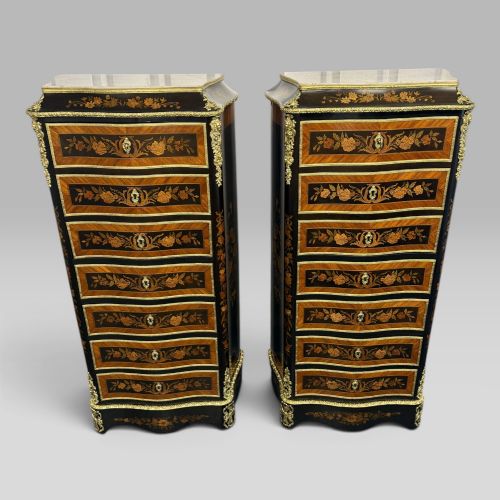
A pair of chiffoniers brings symmetrical elegance to a room, offering matched storage and display surfaces shaped by Regency and Victorian craftsmanship.
Pair of Chiffoniers
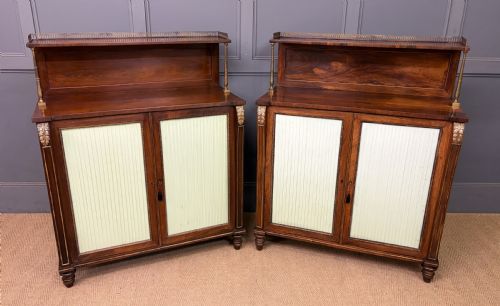
When you search for a pair of chiffoniers, you are looking at matched low cabinets designed for storage and display, most frequently encountered in rosewood and mahogany from the Regency and 19th-century periods.
The selections on this page span side cabinets, bookcases, and sideboards, reflecting the versatile forms these dual pieces took in domestic interiors.
Originating primarily from the 19th century, including Regency and George IV eras, these matched pieces provide balanced proportions that single cabinets simply cannot achieve.
How they were made
Cabinet makers utilised dense timbers such as rosewood and mahogany as the foundational structure, often enhancing the surfaces with brass inlay and delicate gilding.
Glass panels and fabric details like silk are integrated into doors and backings, while marble tops occasionally provide a durable and luxurious upper surface.
Pair of Chiffoniers Retail Price Guide 2026
Typical asking prices for pair of chiffoniers among the pieces listed under this phrase on Sellingantiques today, from the lower quarter to the upper quarter. They describe what is for sale here now, not the wider market.
Listings feature 19th century, Regency, and 1850 periods, constructed from rosewood, mahogany, brass, glass, and marble.
What varies in quality
The refinement of the timber grain and the precision of the brass inlay distinguish standard examples from exceptional ones.
Proportion and the harmonious matching of the pair determine visual success, separating pieces made with care from those of lesser ambition.
Robert Strahan
The Pair of Chiffoniers Glossary
- Chiffonier
- A low cabinet, typically featuring shelves or drawers, developed in the 19th century for display and storage. It frequently accompanies a matching counterpart to form a balanced pair.
- Regency
- A style period spanning the early 19th century, characterised by classical restraint and sophisticated timber work. Pieces from this era often display clean lines and refined brass details.
- Rosewood
- A heavy, richly figured timber favoured by 19th-century cabinet makers for its deep colour and distinct grain patterns. It forms the primary material for many notable side cabinets.
- Breakfront
- A cabinet design where the central section projects forward from the flanking wings. This architectural arrangement adds depth and visual rhythm to sideboards and bookcases.
Pair of Chiffoniers: Frequently Asked Questions
What is a pair of chiffoniers?
A pair of chiffoniers consists of two matched low cabinets designed for the 19th-century interior, used for storing books and displaying decorative objects.
They offer symmetrical balance when placed in a dining room or drawing room, functioning similarly to sideboards and bookcases.
How do I identify a Regency period piece?
Regency pieces date from the early 19th century and typically feature dark timbers like rosewood or mahogany combined with precise brass inlay.
Look for classical proportions and restrained ornamentation that reflect the aesthetic of the era.
What woods were used for chiffoniers?
Makers predominantly used rosewood and mahogany for these cabinets, relying on their rich natural grain and durability.
Some examples also incorporate satinwood or contrasting ebony details to accentuate the design.
How do I live with a pair of chiffoniers?
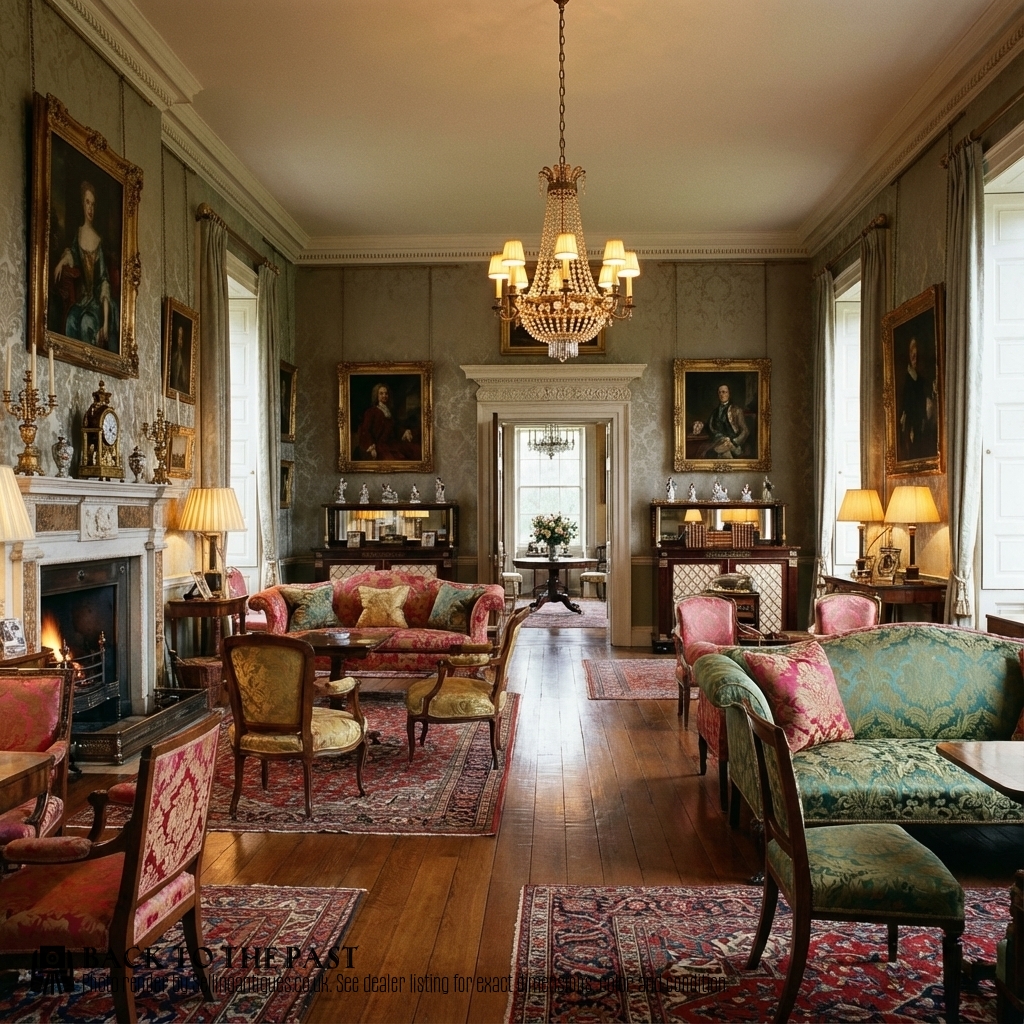
Place the matched pair against a long wall or on either side of a fireplace to achieve architectural symmetry in your room.
Use the surface for lamps or collections, keeping the interior storage for books or tableware.