

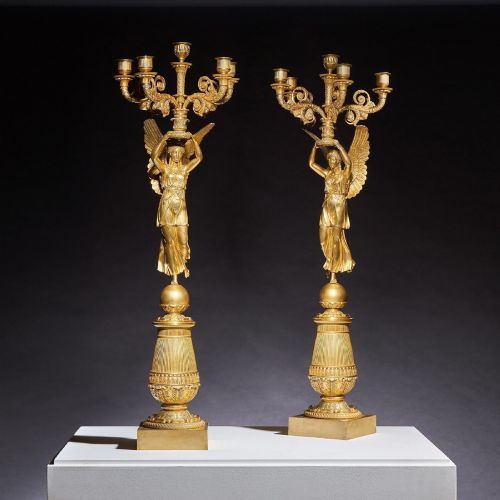
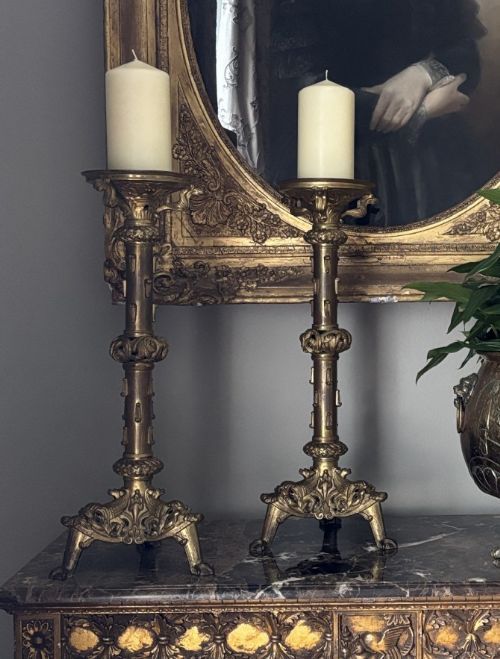
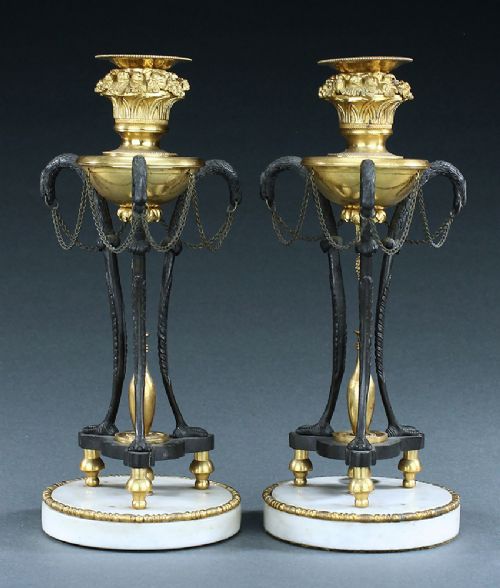
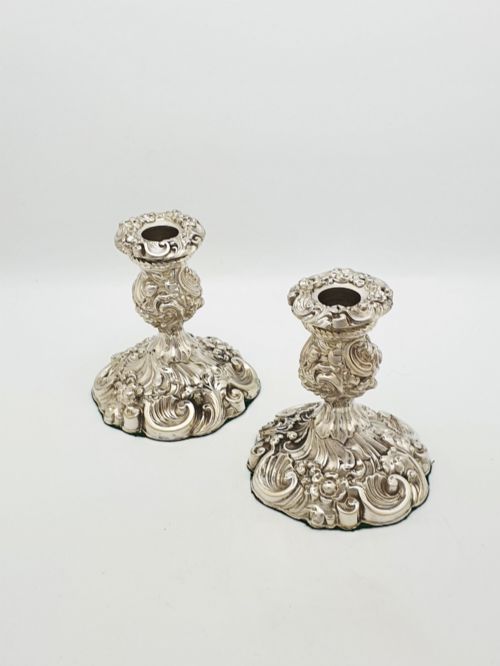
Pair of Candle Stands
A pair of candle stands brings symmetry and warm illumination to a mantelpiece, drawing the eye with period craftsmanship.
Pair of Candle Stands
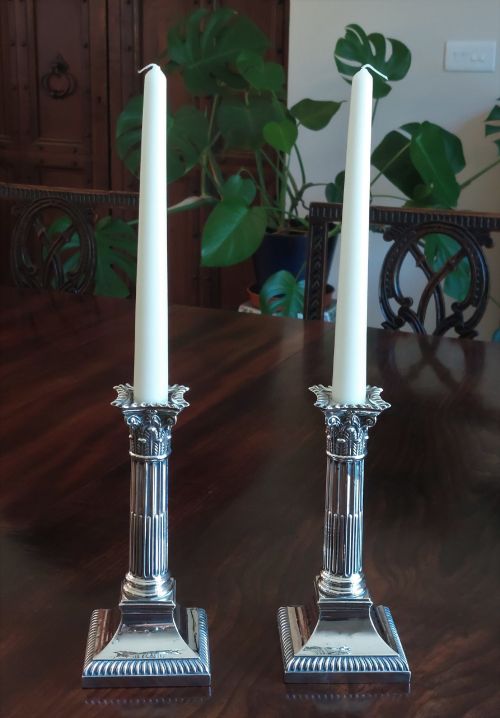
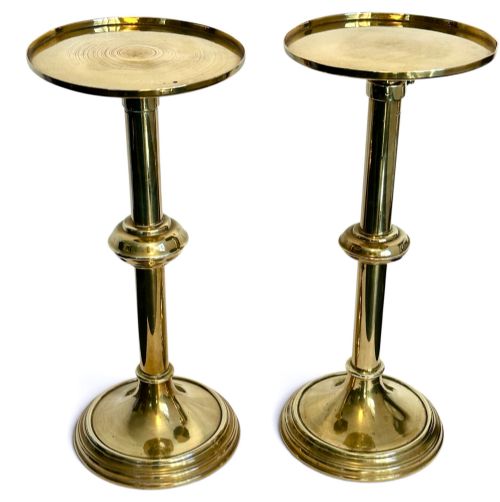
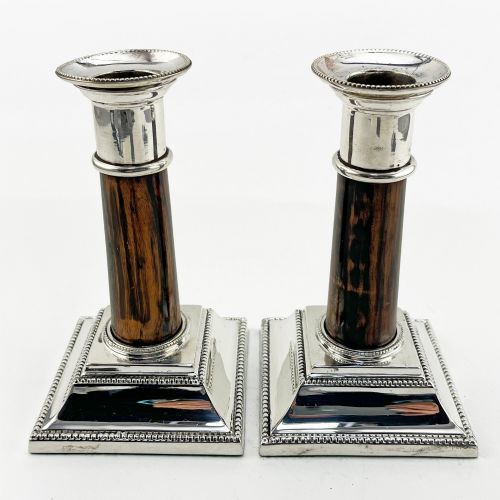
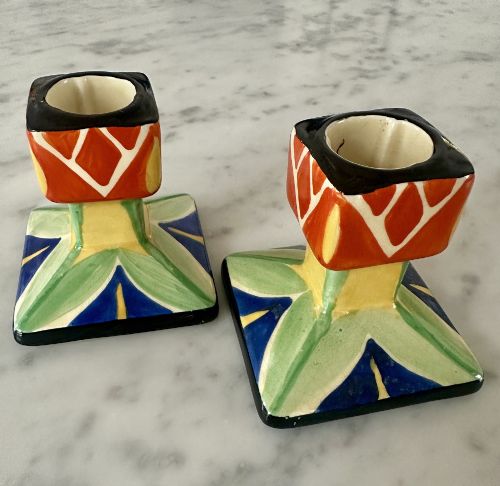
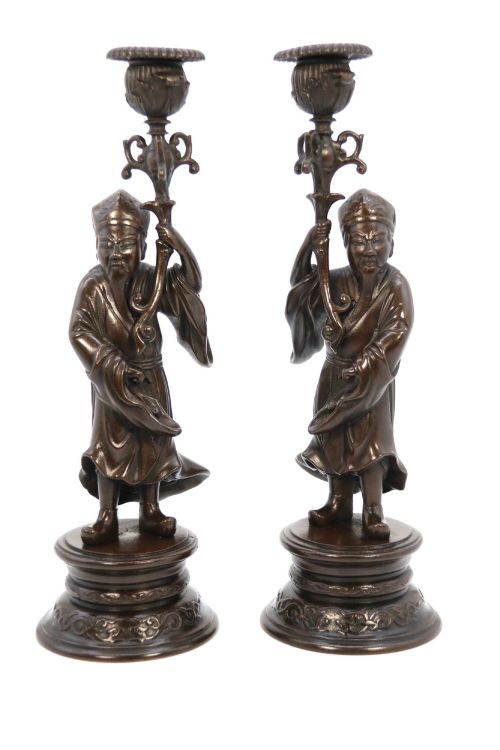
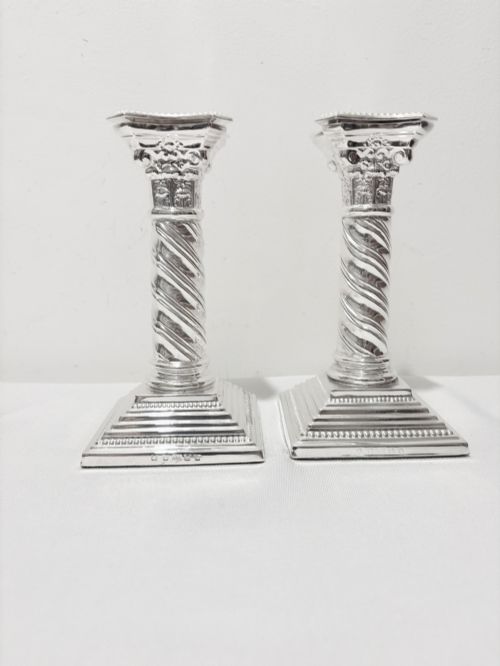
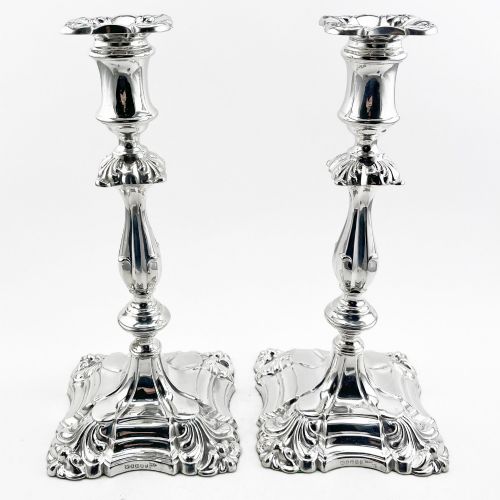
A pair of candle stands encompasses lighting devices designed to elevate wax tapers evenly on either side of a mantel or table. When searching for a pair of candle stands, a buyer encounters domestic and ecclesiastical pieces spanning the Georgian, Victorian, and Edwardian periods.
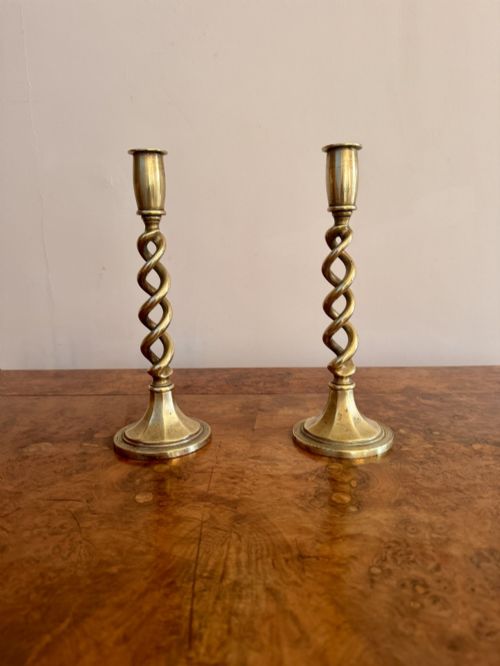
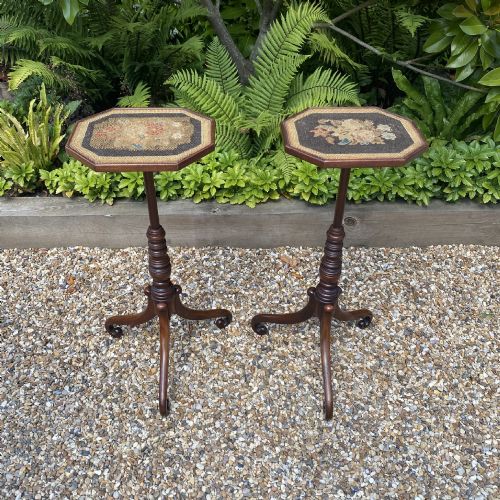
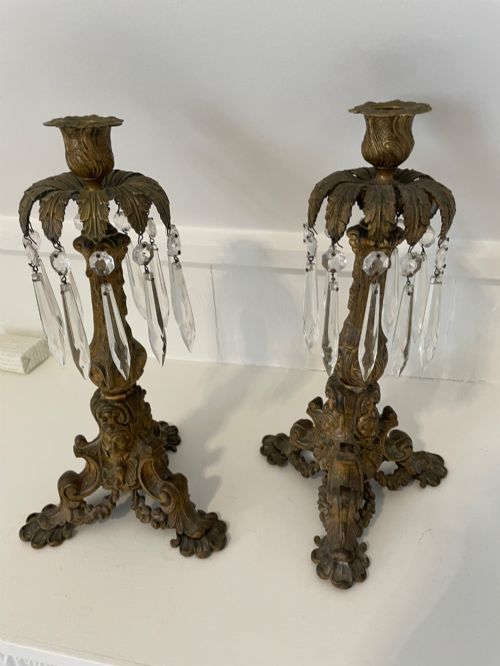
Brass, silver plate, and bronze dominate the surviving examples, alongside occasional mahogany wine tables and torchere stands associated with the category. The nineteenth century yields a high proportion of these matched items, ranging from formal French Empire gilt bronze to utilitarian brass designs.
Materials and construction
Foundry workers cast brass, bronze, and ormolu into shaped components, often finishing the surfaces with hand-chiselling or fire gilding. Silver plating techniques applied thin layers of silver over copper bases, such as Old Sheffield Plate, or upon white metal alloys.
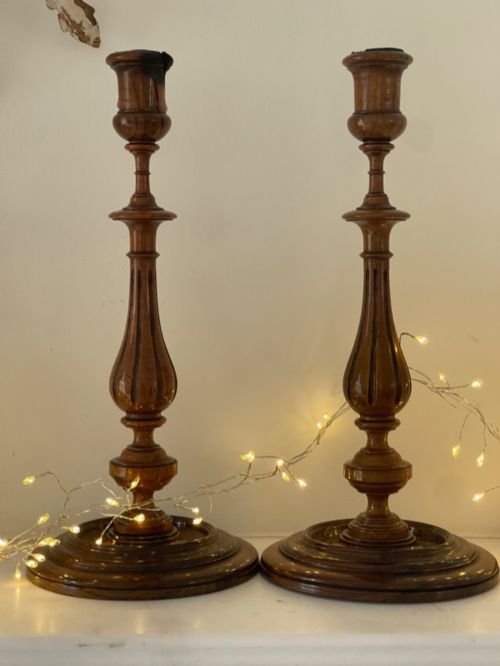
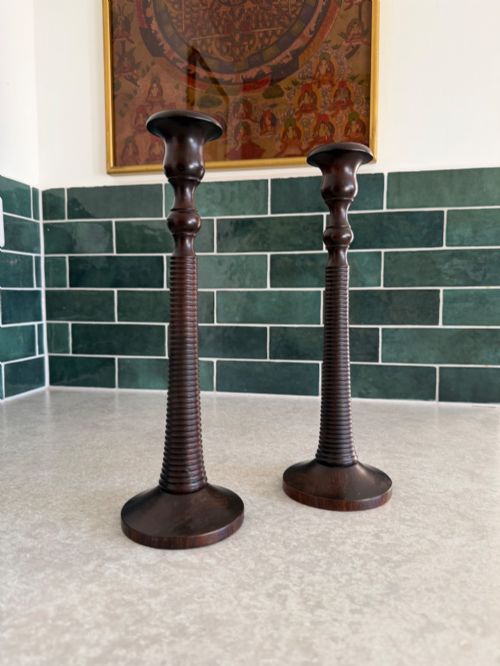
Turners and joiners constructed wooden examples in mahogany, utilising solid timbers for tripod bases and inlaid surfaces. Glass pieces incorporate trailed decoration applied while molten, shaping distinctive opaline vessels.
Pair of Candle Stands Retail Price Guide 2026
Typical asking prices for pair of candle stands among the pieces listed under this phrase on Sellingantiques today, from the lower quarter to the upper quarter. They describe what is for sale here now, not the wider market.
Materials span brass, gilt bronze, silver plate, mahogany, ormolu, bronze, pewter, and marble across Victorian and Georgian eras.
Distinctions in standard
The precision of the casting distinguishes finer items, where crisp acanthus leaves and fluted columns retain sharp edges without softening from worn moulds. Weight and gauge indicate substantial metal thickness rather than hollow, flimsy construction.
Original matched pairs display uniform height, matching patination, and corresponding base markings, whereas assembled sets reveal subtle discrepancies in proportion or wear.
Mappin Brothers·James Pinder and Co·Walker and Hall·Elkington and Co·Liberty and Co
The Pair of Candle Stands Glossary
- Ormolu
- Gilded bronze, where a mercury and gold amalgam was applied to cast bronze and heated to leave a rich golden finish. This technique flourished across French Empire and Regency decorative arts.
- Old Sheffield Plate
- An early fusing process where a thin sheet of silver was fused to a thicker copper core by heat and pressure. It allows a subtle glimpse of copper along exposed edges through natural wear.
- Pricket candlestick
- A metal candlestick featuring an upright spike in the centre of the drip pan to impale the base of a thick candle. These appear frequently in church and larger domestic settings.
- Athenienne
- A tripod stand supporting a shallow bowl or urn, styled after classical Greek braziers and adapted during the neoclassical period. They occasionally double as refined candlestick supports.
- Torchere
- A tall standing column or pedestal designed to hold a light source or candelabrum above floor level. Victorian examples often utilise slender turned wood or heavy brass.
Pair of Candle Stands: Frequently Asked Questions
Were these always sold in matched pairs?
Many lighting accessories left workshops as pairs to satisfy the demands of symmetrical interior arrangement during the Georgian and Victorian eras. Surviving examples retain their original pairing through careful stewardship.
Some matched items represent marriages of single pieces found separately but sharing identical heights, materials, and stylistic periods.
How do I identify a Regency period piece?
Regency designs draw heavily upon neoclassical motifs, featuring strict symmetry, bronze patination, and classical figures such as tripods and sphinxes. Ormolu mounts and marble plinths frequently accompany these items.
Examine the casting marks and construction methods beneath the base to confirm the early nineteenth-century origin.
Can these hold modern taper candles?
Most antique sockets accommodate standard taper widths, though hand-dipped candles occasionally require slight trimming at the base to fit securely. Inserting small beeswax wedges ensures stability.
Avoid forcing oversized candles into antique brass or silver sockets, as thin metal walls can crack under pressure.