

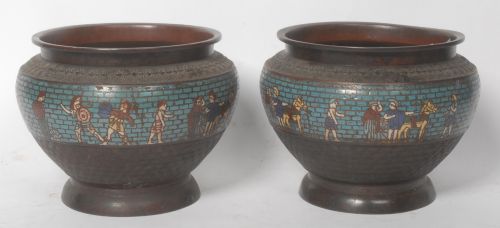
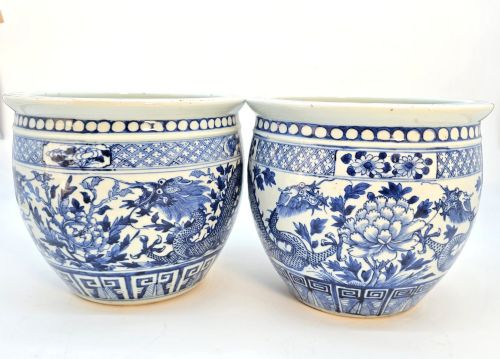
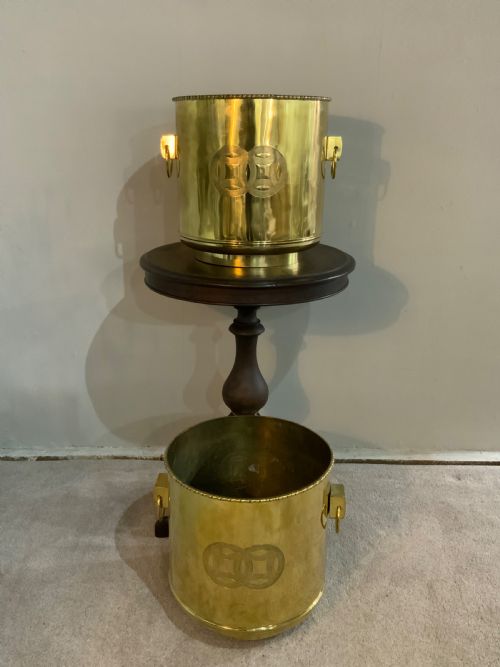
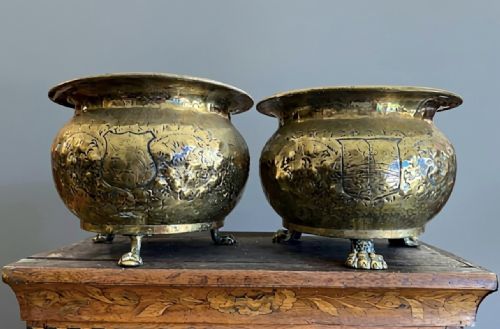


Pair of Cachepots
A pair of cachepots brings balance to a room, holding indoor plants within decorative ceramic, porcelain or metal vessels designed to sit directly on furniture.
Pair of Cachepots
A pair of cachepots comprises matching ornamental pots traditionally utilised to conceal plain growing pots inside the home. These objects appear across several centuries and stylistic traditions, frequently catalogued interchangeably alongside jardinieres and plant holders.
The selections span nineteenth-century European pottery and metalwork alongside Asian export wares. Buyers encounter brass, bronze, copper and glazed ceramic forms originating from French, Dutch, English and East Asian workshops.
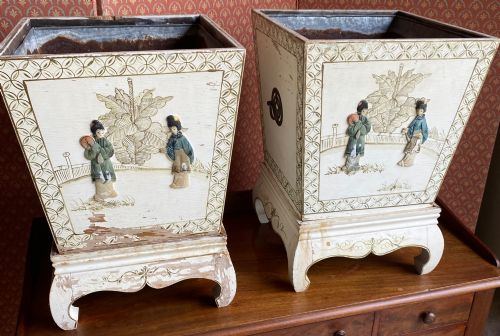
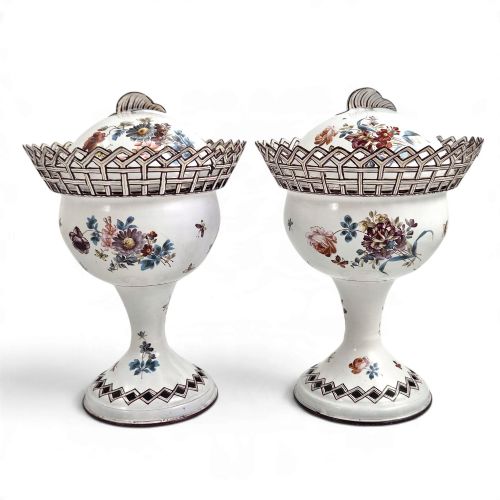
Many examples incorporate mounts, handles or associated stands that elevate the decorative presence of the pair. Forms range from classical urns and square vessels to blue and white porcelain bowls and figural flower carts.
Materials and construction methods
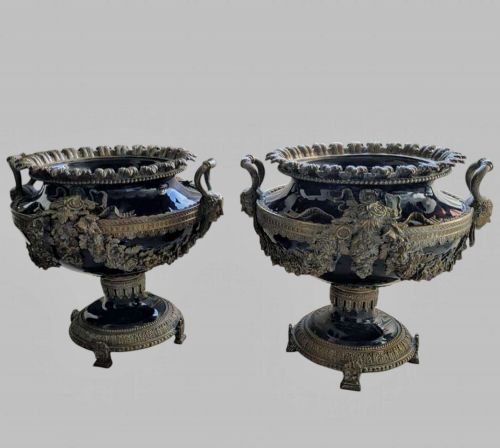
Metal vessels utilise cast bronze, spun or embossed brass, and hammered copper joined with wrought iron elements or champleve enamel decoration. Craftsmen shaped these metals through casting, surface chasing and riveted construction.
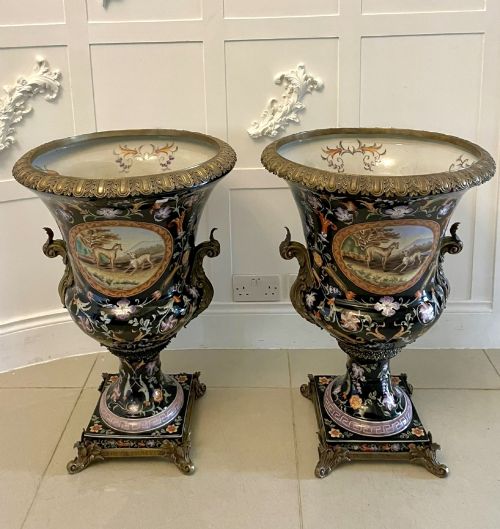
Ceramic and porcelain pieces involve fired clay bodies finished with cobalt underglaze, coloured glazes or hand-painted enamel decoration. Selected French and English examples integrate cast or ormolu brass mounts fitted securely around the ceramic body.
Pair of Cachepots Retail Price Guide 2026
Typical asking prices for pair of cachepots among the pieces listed under this phrase on Sellingantiques today, from the lower quarter to the upper quarter. They describe what is for sale here now, not the wider market.
Materials represented across the selection include brass, bronze, copper, porcelain, enamel, glazed ceramic and cobalt underglaze.
Assessing quality and execution
Quality rests upon the crispness of the casting in metalwork and the precision of the hand-painting on porcelain or ceramic surfaces. Finer pieces demonstrate careful attention to detail in chased bronze mounts, enamelling and fitted interior elements.
The integration of materials dictates distinction, particularly where cast bronze mounts align perfectly with porcelain bodies or where original components like hardwood stands and Minton panels remain intact.
Kister·Scheibe Alsbach·Minton·Samson
The Pair of Cachepots Glossary
- Cachepot
- A decorative ornamental container designed to hold a flowerpot and catch drainage water. The French term translates literally as hiding pot.
- Jardiniere
- A large ornamental pot or stand for plants, often used as a synonym for cachepot in nineteenth-century contexts. These vessels frequently feature handles or footed bases.
- Champleve
- An enamelling technique where artists carve troughs into a metal surface to receive vitreous enamel powder before firing. This method creates colourful patterns bounded by raised metal lines.
- Ormolu
- Gilt bronze ornamentation applied to furniture, clocks and decorative vessels. The technique involves coating bronze objects with a finely ground mercury and gold amalgam.
- Dinanderie
- Medieval and later European brass and copper hollowware produced in towns along the Meuse valley. The term later describes various types of ornamental embossed brass work.
Pair of Cachepots: Frequently Asked Questions
What is a pair of cachepots?
A pair of cachepots consists of two matching decorative vessels created to hold potted plants and conceal plain terracotta pots.
They function as interior ornaments designed to sit on tables, mantelpieces or dedicated stands within a room.
How were cachepots used?
These vessels housed live flowering plants and ferns indoors without risking water damage to wooden furniture surfaces.
They served primarily as decorative table centrepieces or ornamental accents in nineteenth-century domestic interiors.
How do I clean metal cachepots?
Metal surfaces require gentle dusting with a soft cloth to preserve patination and avoid scratching the finish.
Harsh chemical polishes should be avoided, particularly on antique brass, bronze or champleve enamel pieces.
How do I date an antique cachepot?
Dating relies upon examining manufacturing techniques, material composition, maker marks and stylistic characteristics.
Nineteenth-century pieces often display specific revival styles, such as French Rococo, Arts and Crafts or Japanese Meiji influences.