



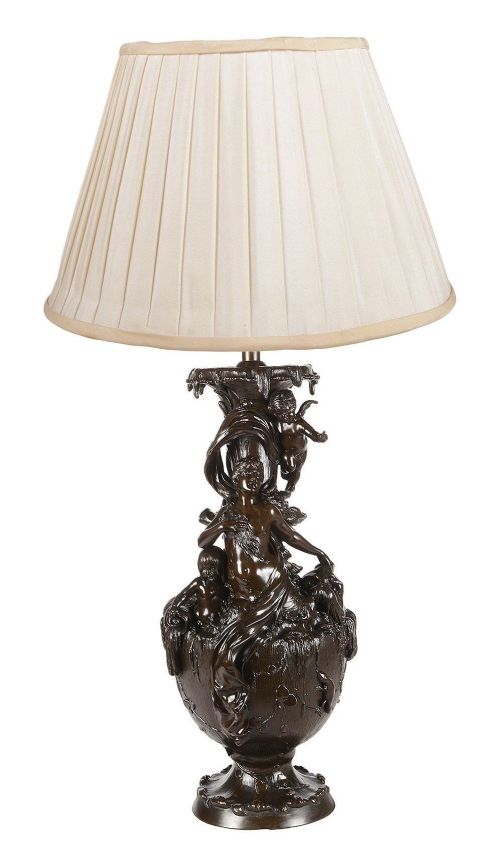
Classical Figure Bronze Urn
A classical figure bronze urn brings sculptural dignity to a room, combining metallic weight with mythological subjects.
Classical Figure Bronze Urn
A classical figure bronze urn merges decorative vessel forms with figurative sculpture, drawing upon ancient motifs and revivalist tastes. You will frequently encounter nineteenth-century interpretations that adopt French Neoclassical, Louis XVI, and Napoleon III vocabularies.
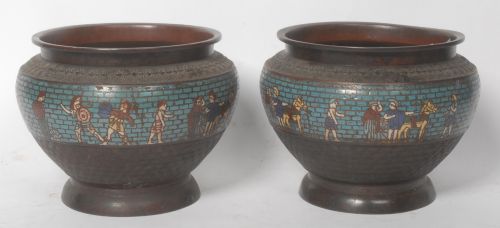
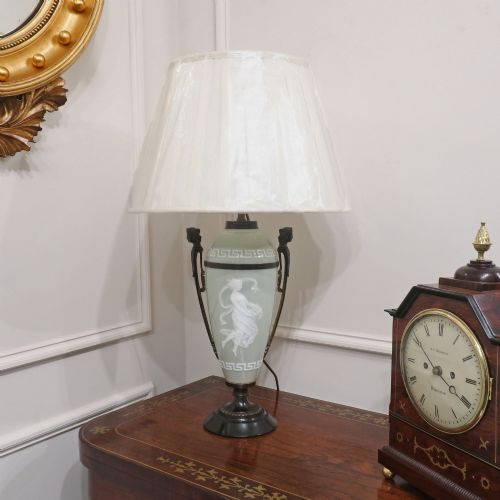
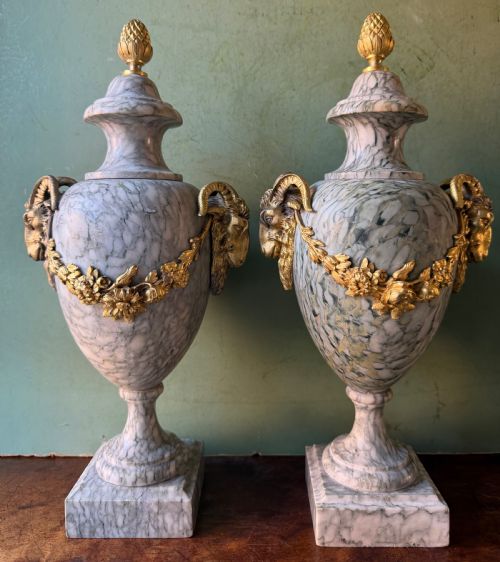
The category encompasses items adapted as table lamps alongside sculptural vases, tazzas, and cachepots. Makers utilised patinated bronze, gilt bronze, and silvered bronze, often pairing metalwork with marble bases or porcelain elements.
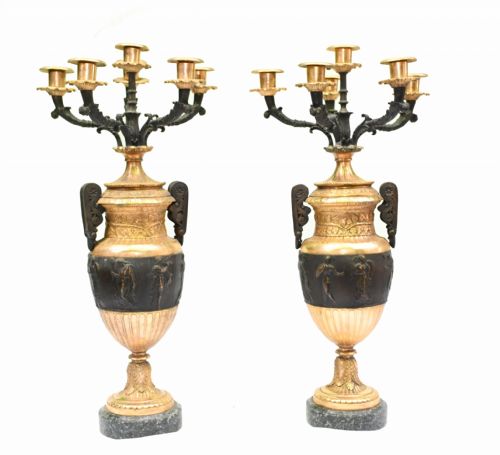
These objects reflect broader historical revivals, incorporating classical figures like nymphs and goddesses into domestic interiors. Pieces range from grand candelabras and clock sets to refined centrepieces and smaller cabinet vessels.
How they were made
Foundries employed traditional casting techniques to shape molten metal into complex figures and vessels, utilising bronze as the primary structural medium. Artisans achieved varied surface textures through patination, gilding, and silvering processes.
Many works incorporate secondary materials such as marble for plinths, enamel for decorative detailing, and porcelain bodies. Craftsmanship often involved assembling multiple cast components into a cohesive decorative object.
Classical Figure Bronze Urn Retail Price Guide 2026
Typical asking prices for classical figure bronze urn among the pieces listed under this phrase on Sellingantiques today, from the lower quarter to the upper quarter. They describe what is for sale here now, not the wider market.
Goddesses and nymphs retain their poised expressions while quietly doubling as electrical wiring conduits.
What varies in quality
The refinement of the casting and chasing separates standard production from exceptional work, particularly in the rendering of facial expressions and drapery on the figures. Crisp surface detail and careful hand-finishing demonstrate superior artisanal skill.
The choice and treatment of secondary materials influence the overall character, where integrated marble mounts or champlevé enamel enhance the visual depth of the object.
Thomas Hope·Lerolle Fres·Goldscheider·Cherc·Clodion
The Classical Figure Bronze Urn Glossary
- Bronze
- An alloy consisting primarily of copper, traditionally used for durable sculptures and decorative vessels. It accepts patination and gilding readily.
- Patinated bronze
- Metal treated chemically or thermally to produce a specific surface coloration, ranging from deep brown to greenish tones. This finish protects the metal and highlights sculptural contours.
- Gilt bronze
- Bronze coated with a thin layer of gold, often referred to as ormolu in French decorative arts. It provides a bright, luxurious metallic sheen.
- Tazza
- A shallow saucer-like vessel mounted on a stem and foot, used historically for display or serving. In bronze, it serves as a decorative centrepiece.
- Cachepot
- An ornamental container designed to hold a flowerpot, hiding the utilitarian vessel within. These are frequently cast in bronze with classical ornamentation.
Classical Figure Bronze Urn: Frequently Asked Questions
How were bronze urns used originally?
These vessels functioned primarily as decorative ornaments within formal interiors, sometimes serving as cachepots for plants or as structural centerpieces for dining tables.
Over time, many of these objects were adapted into lighting fixtures, such as table lamps, while retaining their sculptural presence.
What distinguishes French Neoclassical style?
French Neoclassical design draws direct inspiration from the art and architecture of ancient Greece and Rome, emphasising symmetry, proportion, and restraint.
Pieces from this tradition frequently feature classical figures, urn profiles, and crisp botanical or architectural detailing rendered in bronze.
How do I care for patinated bronze?
Patinated bronze requires minimal intervention, needing only gentle dusting with a soft, dry cloth to prevent the accumulation of airborne particles.
Harsh cleaning agents and abrasive materials should be avoided entirely, as they strip the patination and damage the underlying metal surface.
How do I identify nineteenth-century pieces?
Nineteenth-century metalwork often reveals its period through specific revival styles, such as Napoleon III, Louis XVI, or Art Nouveau.
Examination of the casting methods, patination techniques, and material combinations helps place the object within the broader nineteenth-century manufacturing context.