

Pair of Brass Candle Sconces
A pair of brass candle sconces brings warm, reflected light to a room through time-honoured metalwork.
Pair of Brass Candle Sconces
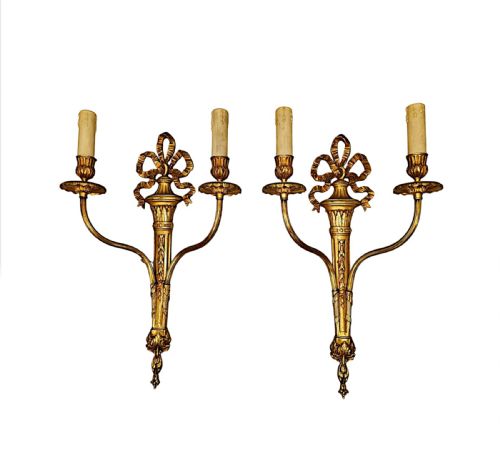
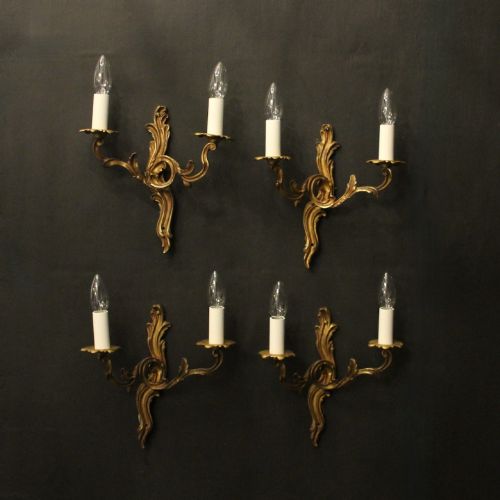
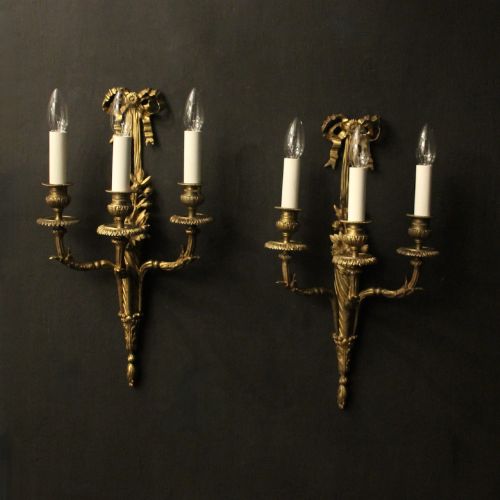
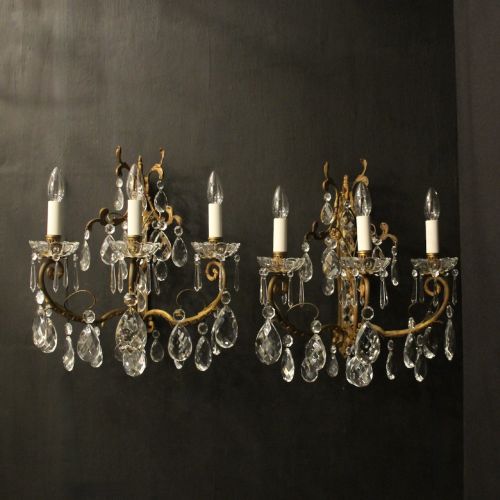
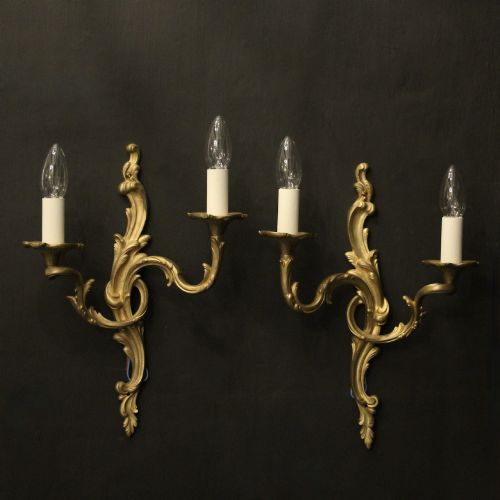
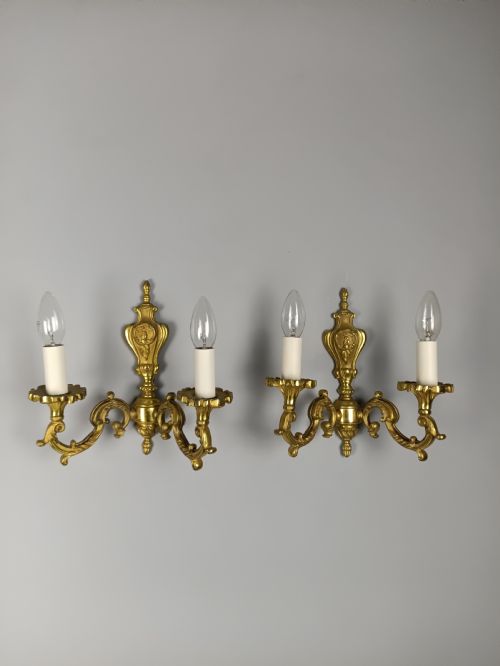
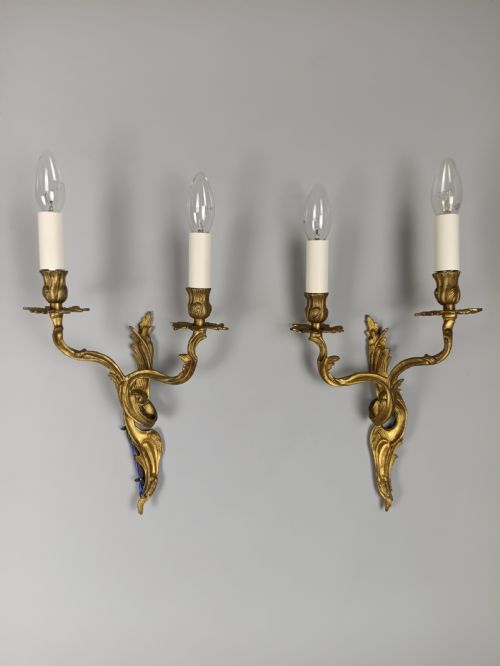
A pair of brass candle sconces comprises matching wall-mounted candleholders designed to illuminate hallways, parlours and formal chambers. These fixtures frequently originate from French workshops spanning the nineteenth and early twentieth centuries, encompassing styles from Rococo Revival to Louis XVI and the Neoclassical taste.
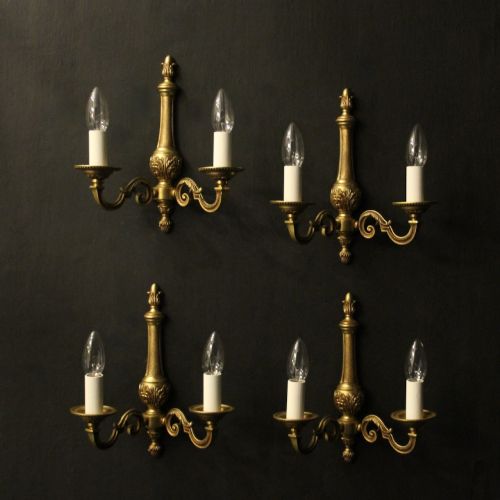
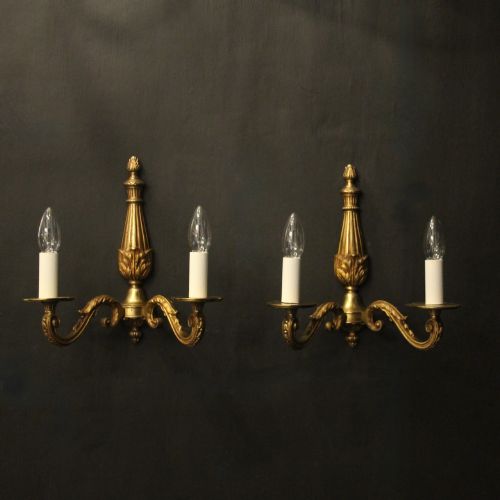
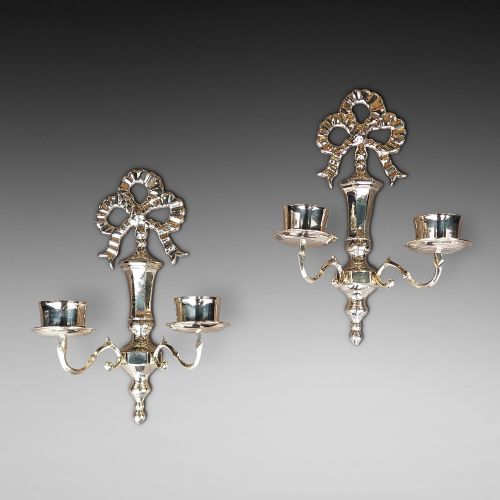
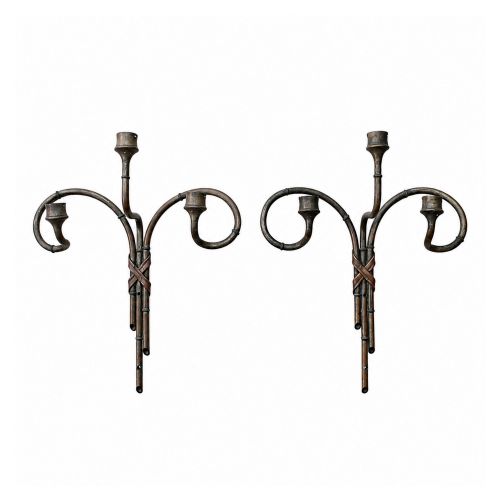
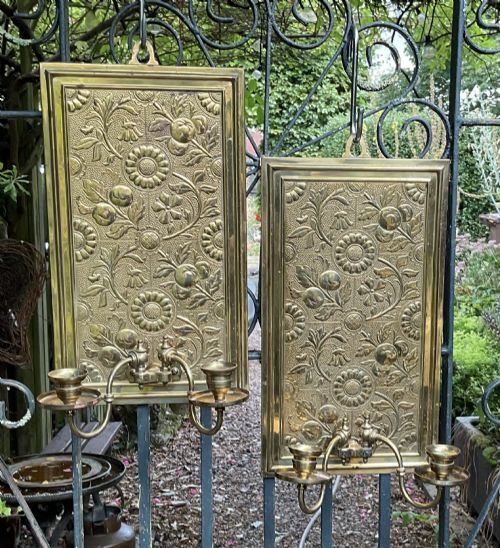
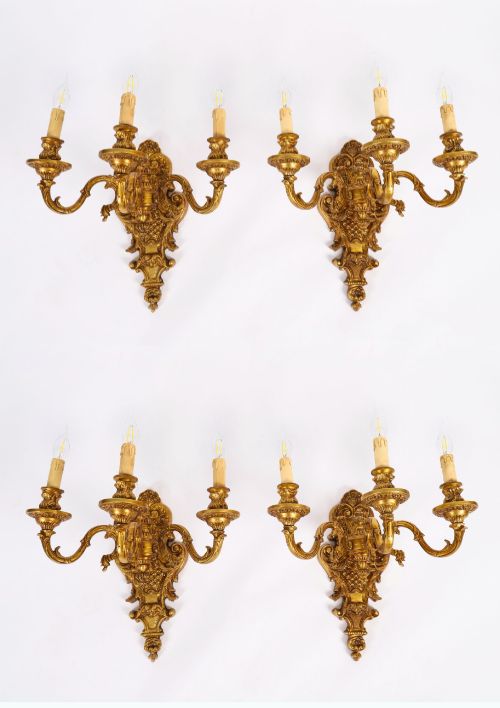
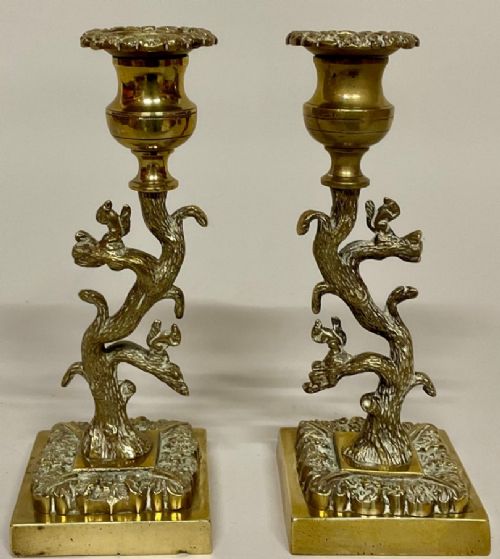
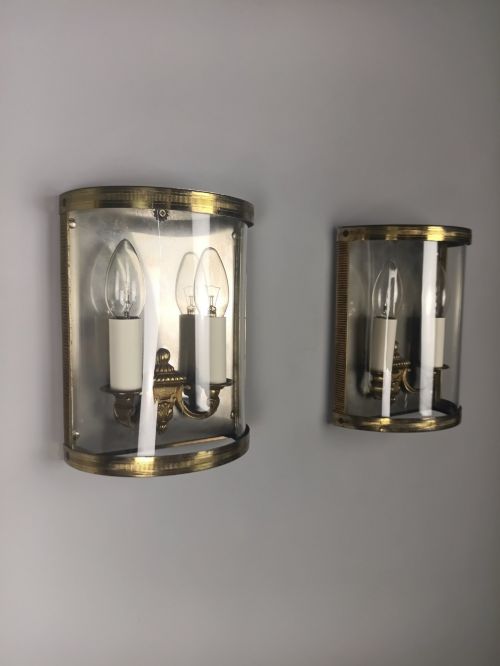
The selection ranges from simple Victorian and Dutch repoussé brass wall brackets to elaborate multi-armed fixtures cast in gilt bronze and ormolu. Many surviving examples incorporate decorative elements such as ribbons, mirrors, porcelain flowers and sculptural branches.
Buyers encountering this search phrase will regularly find French wall lights featuring twin or triple arms alongside English and Dutch interpretations. These pieces function both as historical wall decoration and as operational candlelight providers.
Materials and Technique
Foundry work dominates the construction of these pieces, utilising brass, bronze and copper shaped through casting and hammering. Artisans employed gilt bronze, ormolu and gilded brass finishes to impart a rich golden surface that caught the flickering candlelight.
Decorative detailing often involved repoussé work, where thin metal sheets were hammered from the reverse to raise ornate floral or geometric motifs. Additional components such as champlevé enamel, onyx and porcelain flowers were integrated to enrich the primary metal structure.
Common configurations range from single arm brackets to grand four-branch appliques equipped with mirror backs or porcelain floral ornaments.
Distinctions in Quality
The integrity of the original surface finish, whether fire gilding, ormolu or patinated bronze, heavily influences the character of the piece. Superior examples retain cohesive gilding and well-matched arm configurations that demonstrate deliberate workshop pairing rather than assembled components.
Bruce Talbert
The Pair of Brass Candle Sconces Glossary
- Ormolu
- A technique of applying finely ground high-carat gold amalgam to a bronze object, followed by mercury evaporation. This creates a durable golden finish seen on many French wall lights.
- Repoussé
- A metalworking method in which a malleable sheet of brass or copper is hammered from the reverse side. It creates low relief designs such as floral scrolls and heraldic motifs.
- Appliqué
- A decorative wall-mounted element or sconce designed to hold candles. The term frequently appears in French lighting descriptions.
- Campana
- A vase-shaped candle cup resembling an inverted bell. This form appears frequently on classical and Regency period sconces.
- Champlevé
- An enamelling technique where troughs are gouged into a metal surface and filled with vitreous paste before firing. The resulting panels provide coloured contrast to the surrounding brass or bronze.
Pair of Brass Candle Sconces: Frequently Asked Questions
How do I mount antique sconces safely?
Most wall sconces rely on traditional rear hanging loops or screw plates designed for direct wall attachment. One should consult a professional installer to ensure the wall anchors support the combined weight of the metal and candles.
Heavier gilt bronze and multi-armed pieces require sturdy fixings into wall studs or appropriate masonry plugs. Care must be taken not to over-tighten mounting screws against fragile backplates.
Can these sconces be converted for electricity?
Many buyers choose to wire these fixtures for modern electric illumination while retaining their decorative wall presence. Professional electricians can route wiring through existing apertures without altering the visible antique metalwork.
It remains advisable to discuss reversible wiring methods that preserve the original structure and candle tubes of the sconces.
How should I clean antique brass?
Maintenance requires only gentle dusting with a soft, dry cloth to prevent the accumulation of grime within intricate crevices. Aggressive metal polishes strip away historical patina and can damage delicate gilt or ormolu surfaces.
Preserving the aged appearance maintains both the visual depth and the historical integrity of the metal.
What period do most brass sconces date from?
The majority of surviving examples date from the nineteenth and early twentieth centuries, reflecting the high demand for domestic wall lighting during the Victorian and Edwardian eras. Earlier Regency and Georgian pieces also appear, characterised by neoclassical motifs and heavier cast brass construction.
French production from the Belle Époque accounts for a substantial proportion of the ornate gilt bronze and Rococo Revival designs available today.