


Pair of Light Fittings
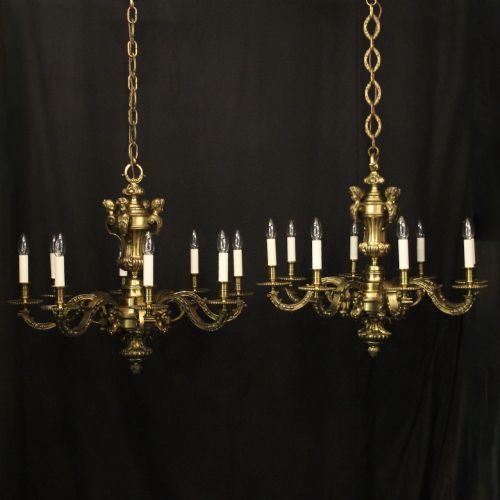
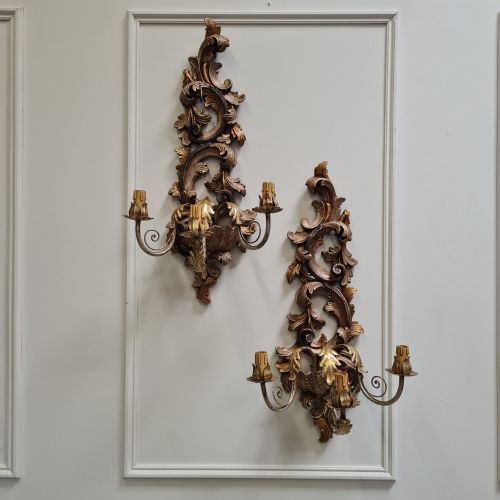
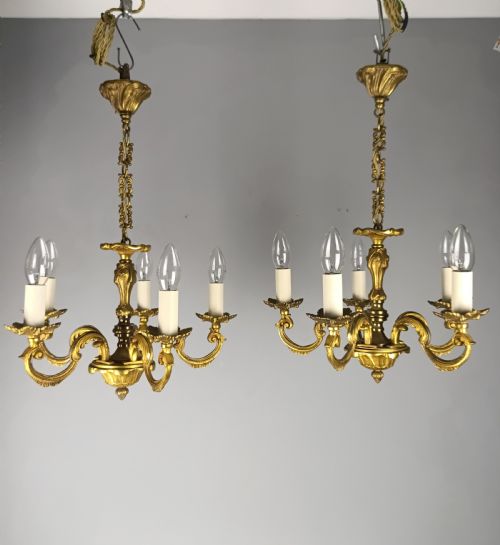
A pair of antique light fittings brings matched illumination and period character to a room, spanning grand brass chandeliers and delicate glass sconces.
Pair of Light Fittings
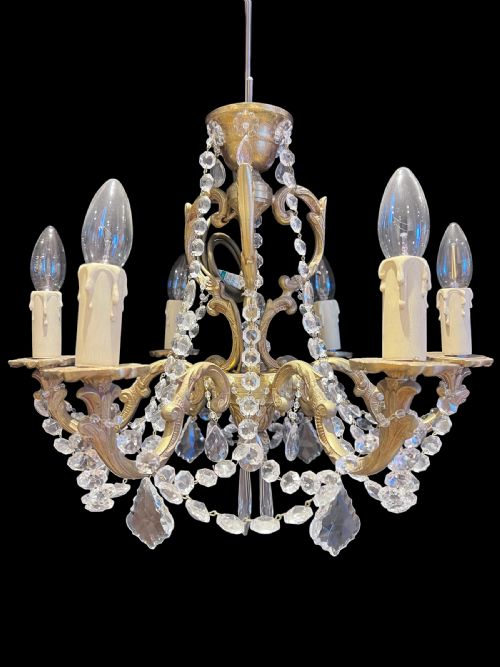
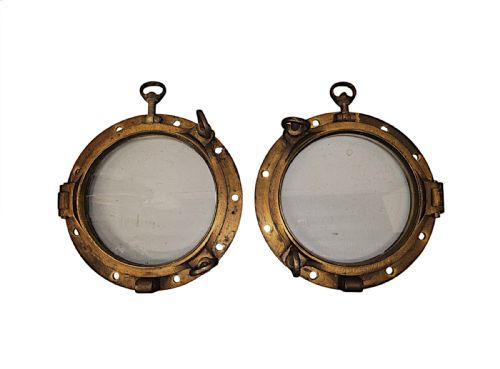
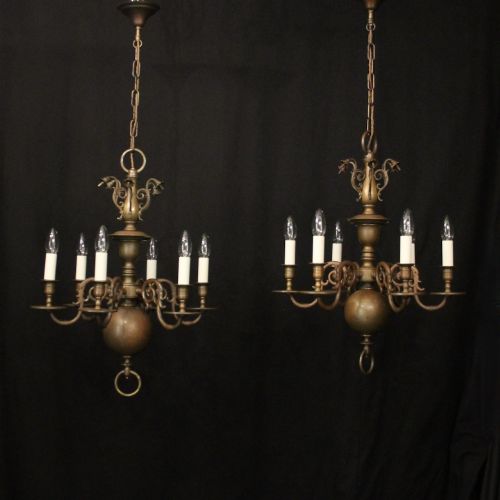
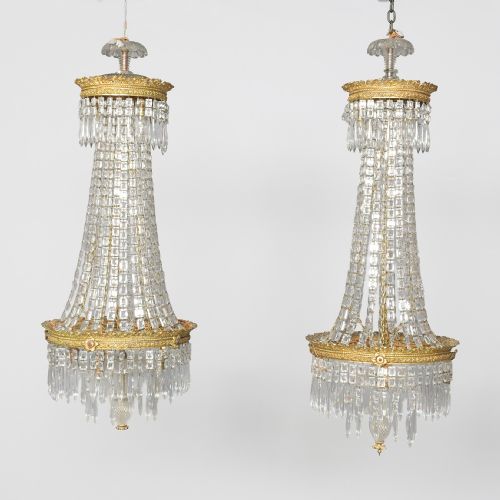
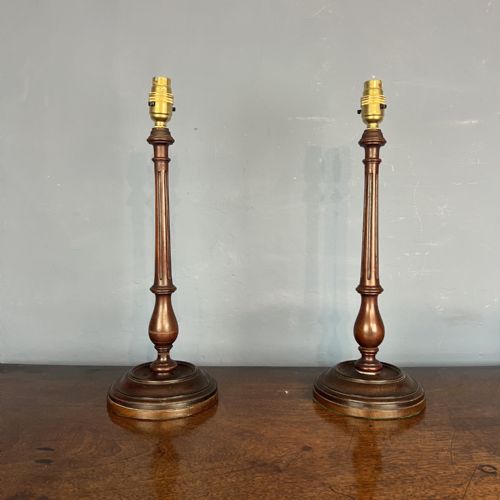
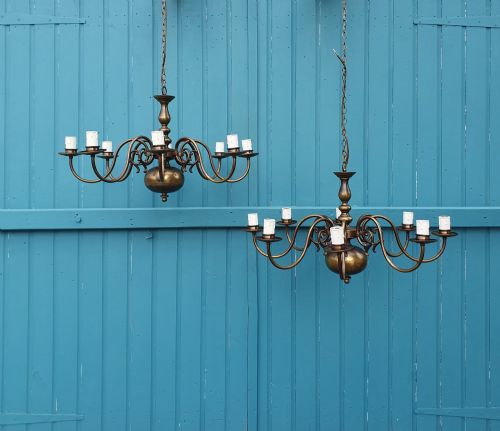
A pair of antique light fittings encompasses matched pairs of wall lights, chandeliers, pendants, and lamps designed to illuminate interiors with dual fixtures. When searching for a pair of antique light fittings, buyers encounter various forms ranging from multi-armed chandeliers and wall sconces to specialised table lamps and glass pendants. These objects originate from the nineteenth century through the early decades of the twentieth century, reflecting periods such as the Edwardian era, the Art Deco movement, and the French Empire and Rococo styles.
How they were made
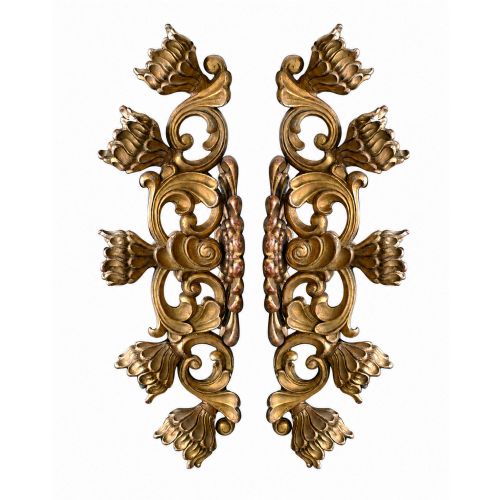
Maker workshops utilised cast metals such as brass, bronze, and gilt metal alongside hand-carved wood and porcelain to build the structural bodies of these fixtures. Metal components were cast, chased, and gilded, while wooden elements received hand-carving and gilding to achieve ornate Florentine and French finishes.
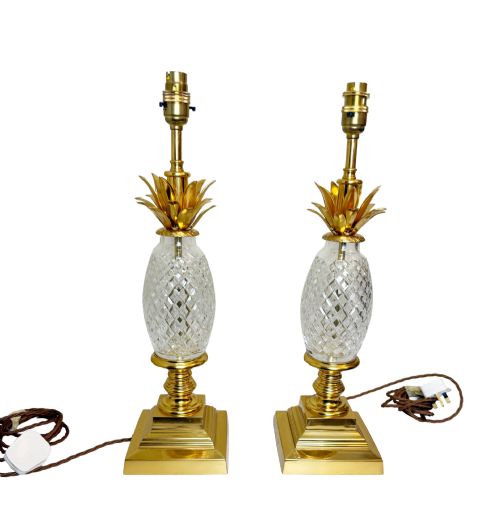
Glass elements incorporate crystal drops, moulded holophane shades, mercury mirrored glass, and frilly blown forms that diffuse illumination. Workshops combined these glass and crystal components with metal armatures, securing them with pins, screws, and hand-fitted frames suited to gas or early electric wiring.
Listings feature materials spanning brass, bronze, crystal, gilded bronze, gilt metal, wood, porcelain, and toleware across the nineteenth and early twentieth centuries.
What varies in quality
Quality in a pair of antique light fittings rests upon the crispness of the metal casting, the depth of the gilding or patination, and the integrity of the glass elements. Superior examples display sharply defined ornamentation, whether in the acanthus leaves of a gilt bronze wall light or the precision moulding of an Art Deco skyscraper shade.
The weight and gauge of the metal armature dictate durability, while the clarity and original cut of crystal drops or holophane glass distinguish standard production from exceptional work. Matched pairs that retain their original corresponding components and uniform colour demonstrate superior preservation.
Sitzendorf
The Pair of Light Fittings Glossary
- Holophane
- A type of prismatic glass designed to efficiently direct and diffuse light through moulded ribs. It appears frequently in Edwardian and 1920s pendant and ceiling lights.
- Sconce
- A wall-mounted light fixture designed to hold candles or electric bulbs, often created as a matching pair. These project from the wall with decorative backplates and arms.
- Gilt Bronze
- Bronze metal treated with a layer of gold, historically through mercury gilding or fire gilding. This technique produces a lasting, rich golden surface seen on French Empire and Rococo pieces.
- Chandelier
- A branched, suspended ceiling light designed to hold multiple lamps or candles. Antique versions often incorporate crystal drops and metal or wooden arms.
- Toleware
- Painted or lacquered sheet metal items, often decorated with floral motifs. Toleware wall lights bring painted colour and matte finishes to period interiors.
Pair of Light Fittings: Frequently Asked Questions
How do I install antique light fittings?
Most antique light fittings require modern electrical rewiring to meet contemporary safety standards before installation. A qualified electrician should adapt the internal wiring and secure the mounting brackets to your ceiling or wall.
Because many older fixtures use non-standard fixings or heavy cast metal bodies, proper structural support behind the wall or ceiling is essential. Retaining the original mounting points where possible ensures the fixture hangs correctly.
Can I mix different styles of wall lights?
Pairing matching antique light fittings together creates symmetry and visual balance within a room. Mixing distinct styles across different rooms works well, but maintaining a matched pair within the same immediate space preserves architectural harmony.
Consider the period and metal finish when placing lights near one another. Combining similar brass or gilt bronze tones helps disparate antique items look cohesive.
How do I clean crystal and brass fittings?
Dust crystal drops and glass shades regularly with a soft, dry cloth to maintain their clarity. For a deeper clean, remove crystal elements carefully and wash them in warm soapy water before drying thoroughly.
Avoid harsh chemical polishes on antique brass, bronze, and gilt surfaces, as these can strip the aged patination. A gentle wipe with a damp cloth preserves the historical finish of the metal.
Were these lights originally electric?
Many of the earlier pieces from the nineteenth century were initially designed for candles or gas before being converted to electricity. Twentieth-century pieces from the Edwardian era and the 1920s often show early electrical adaptations or original sockets.
Inspecting the internal channels and burner or candle dummy areas reveals how the fitting originally carried fuel or flame. Subsequent conversions adapted these channels to house insulated electrical wiring.