





Pair Framed Needleworks
Pair framed needleworks bring together matched textile artistry and period frames, offering symmetry and historic charm for your walls.
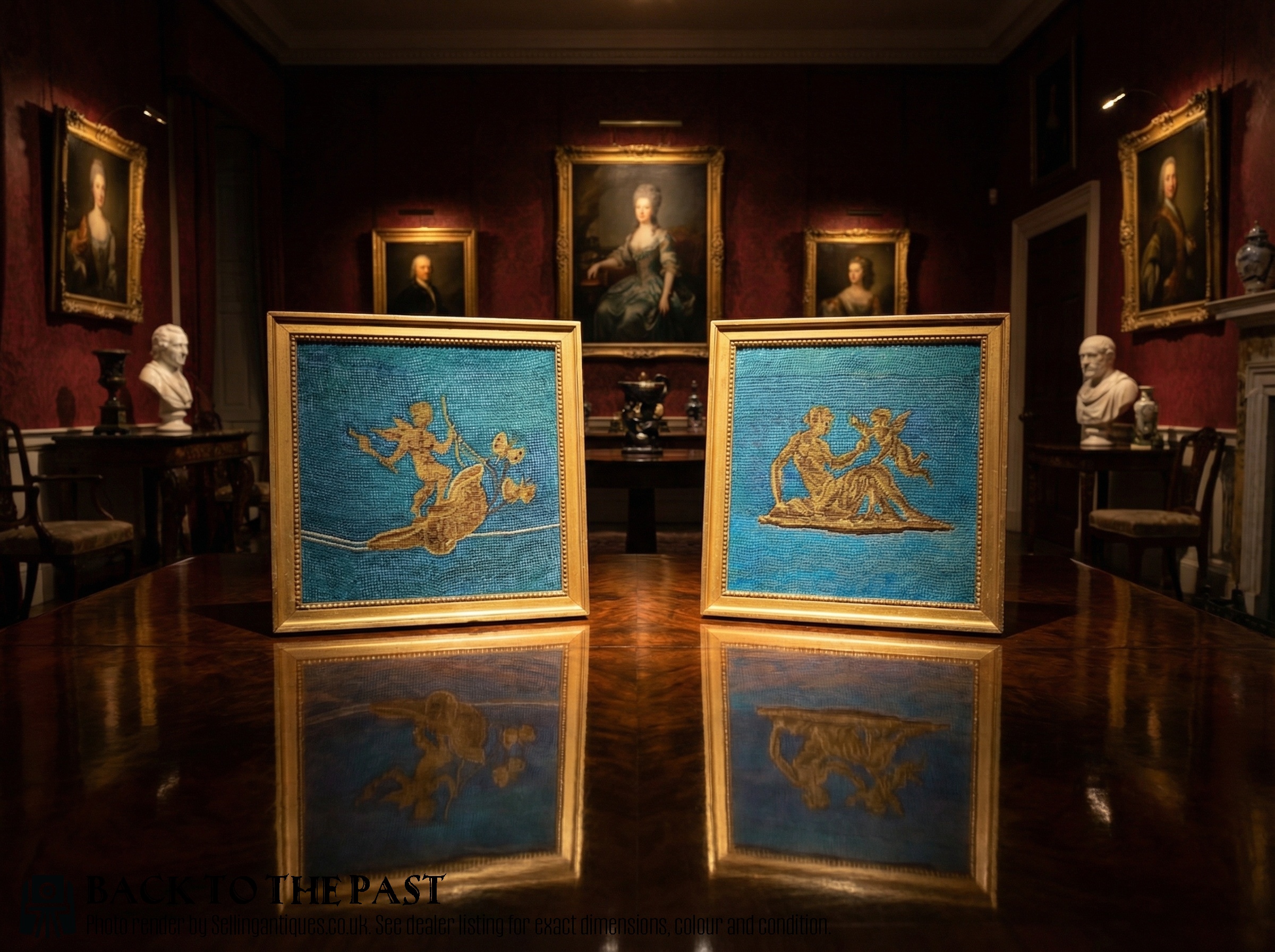
Pair Framed Needleworks
When you search for pair framed needleworks, you encounter matched sets of textile art spanning the seventeenth century through to nineteen hundred. These pieces encompass silk embroideries, long stitch silk pictures, samplers, tapestry cushions, and carpet mosaic pictures.
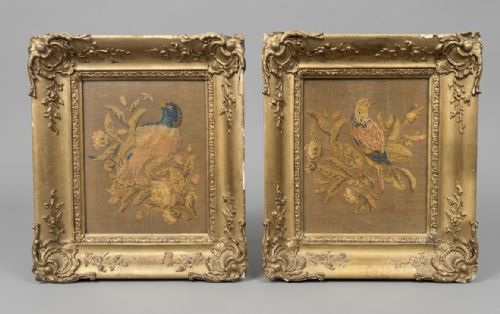
The most common examples on this page date from the nineteenth century and the Regency period, often featuring birds, floral motifs, or theatrical scenes. They appear housed in various surrounds including gilt wood, faux tortoiseshell, and water gilded oval frames.
Materials and construction methods
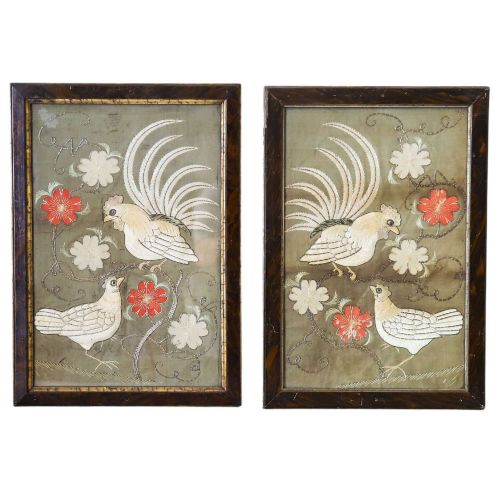
These works rely on textiles such as silk, wool, and paper stitched into panels, cushions, and pictures. Makers utilised fine threads to render detailed imagery of garden birds, mandarin ducks, cockerels, and hens.
The framing involves wood, giltwood, gold leaf, and black glass, often incorporating mezzotint techniques. Protection under glass preserves the delicate embroidered surfaces over the centuries.
Pair Framed Needleworks Retail Price Guide 2026
Typical asking prices for pair framed needleworks among the pieces listed under this phrase on Sellingantiques today, from the lower quarter to the upper quarter. They describe what is for sale here now, not the wider market.
Several pairs preserve the fierce expressions of seventeenth century cockerels and hens stitched entirely in silk.
Factors of distinction
Quality separates through the finesse of the needlework and the originality of the housing. Pieces featuring intricate silk embroidery paired with water gilded or original gilt wood frames represent the higher tier of execution.
Condition of the textiles and the presence of period components like black glass or faux tortoiseshell frames dictate the desirability of a matched pair. The cohesion between the two matched panels also influences the overall balance.
The Pair Framed Needleworks Glossary
- Silkwork
- Embroidery executed primarily using silk threads upon a fabric ground. This technique allows for subtle shading and fine detail in pictorial representations.
- Mezzotint glass
- Dark or black glass used in framing during the Georgian and Regency periods. It provides a contrasting background that enhances the appearance of prints and needleworks.
- Sampler
- A piece of cloth featuring rows of various stitches, alphabets, or motifs. Historically created to demonstrate or practice needlework skills.
- Water gilding
- A traditional framing technique involving the application of gold leaf over wet gesso. This method creates a brilliant, reflective surface that can be burnished to a high shine.
Pair Framed Needleworks: Frequently Asked Questions
What periods do these pieces come from?
The inventory ranges from seventeenth century works through Georgian and Regency examples up to pieces from nineteen hundred.
Nineteenth century items appear frequently alongside earlier seventeenth and eighteenth century panels.
How were these textiles displayed originally?
These needleworks were mounted behind glass within wooden, gilt, or faux tortoiseshell frames to protect the delicate threads from dust and damage.
Tapestry cushions served functional domestic purposes in period interiors before being adapted for display.
Are the frames original to the needleworks?
Many listings specify original gilt wood, water gilded oval, or faux tortoiseshell frames accompanying the silk embroideries.
Matching frames complete the paired presentation intended for symmetrical wall hanging.
What subjects do the embroideries show?
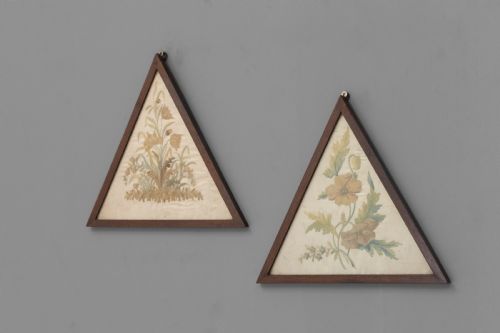
Common subjects include garden birds, mandarin ducks, cockerels, hens, and floral arrangements in circular or rectangular formats.
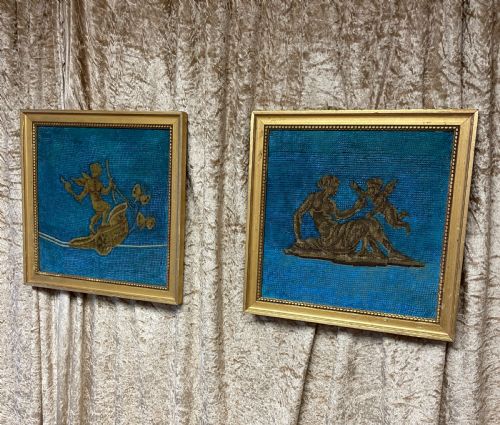
Other examples depict theatrical scenes, carpet mosaics, and long stitch silk pictures.