


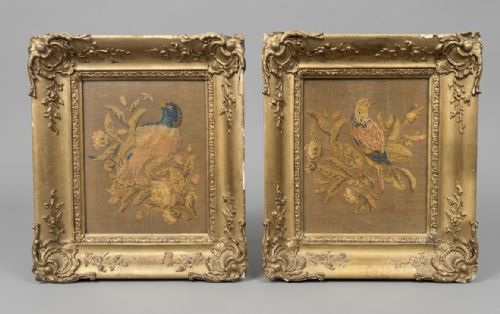


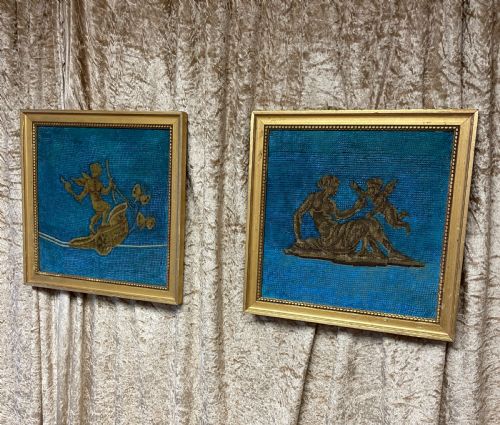


Gold Thread Needlepoint
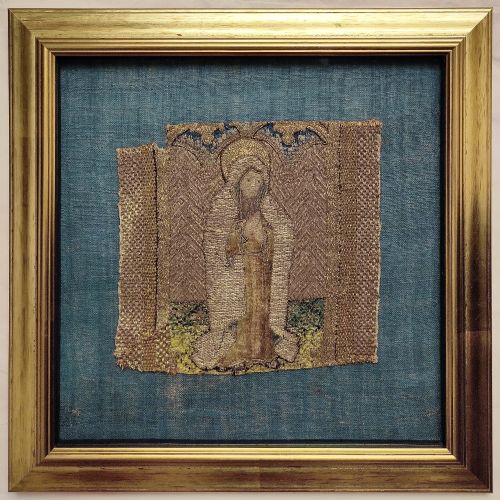
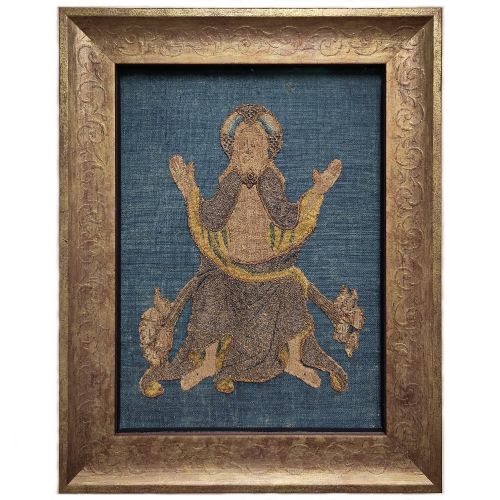
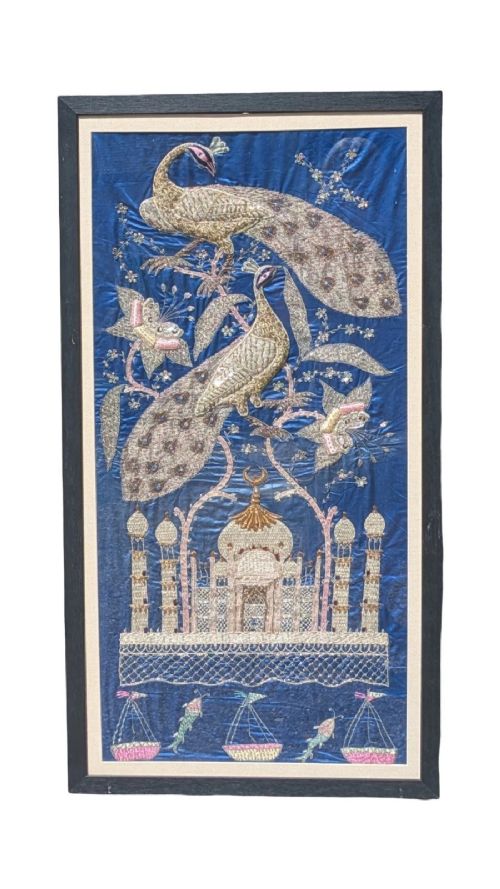
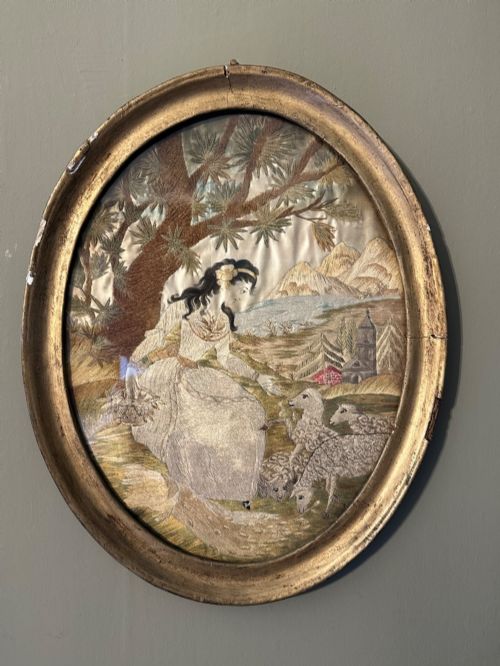
Gold thread needlepoint pieces are historic textile works worked in silk and metallic threads, offering collectors rich texture and centuries of handcraft mastery.
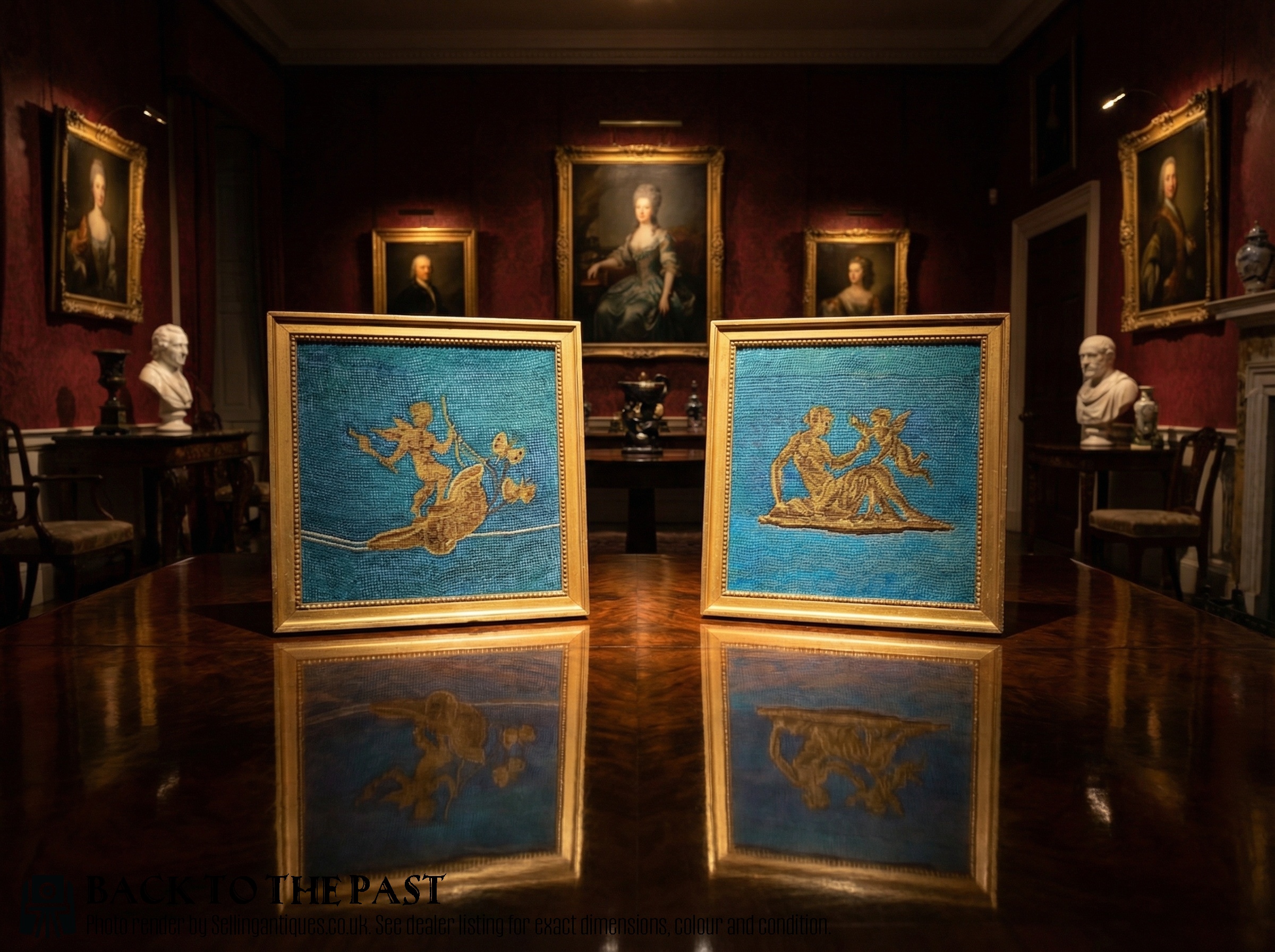
Gold Thread Needlepoint
When buyers search for gold thread needlepoint, they encounter framed textile art, antique textiles, and wall art spanning several distinct historical periods.
The pieces on this page include examples from the seventeenth, eighteenth, and nineteenth centuries, along with specific Regency and Georgian works.
Forms range from early English coifs and stumpwork embroidery depicting King Charles II to Dutch silk and metal thread embroidery, Anglo-Indian works, and long stitch silk pictures.
How they were made
Maker execution relies primarily on silk, wool, and metallic or metal threads stitched onto fabric grounds.
Many of these historical textiles are housed in wood, giltwood, or gilded wood frames, sometimes featuring glass protection.
Gold Thread Needlepoint Retail Price Guide 2026
Typical asking prices for gold thread needlepoint among the pieces listed under this phrase on Sellingantiques today, from the lower quarter to the upper quarter. They describe what is for sale here now, not the wider market.
Materials across these listings include silk, wool, glass, wood, giltwood, and metallic threads.
What varies in quality
Quality differences lie in the intricacy of the stitchwork, the preservation of the delicate silk and metal threads, and the integrity of the original framing.
Pieces executed with complex iconography, such as detailed figures and heraldic or pictorial scenes, demonstrate superior craftsmanship.
The Gold Thread Needlepoint Glossary
- Coif
- A close-fitting cap worn in the sixteenth and seventeenth centuries, frequently decorated with intricate embroidery. Surviving examples showcase early needlework skills.
- Stumpwork
- A raised embroidery style popular in the seventeenth century where figures and motifs are padded to create a three-dimensional effect. It often illustrates royal or biblical scenes.
- Giltwood
- Wood carved and coated with gold leaf or gold paint to form an ornate frame. This material frequently houses fine antique textiles.
- Long stitch
- An embroidery technique utilising long, parallel or overlapping stitches to fill pictorial spaces. It creates smooth gradations of colour in silk pictures.
Gold Thread Needlepoint: Frequently Asked Questions
What periods do these textiles come from?
The pieces span from the early seventeenth century through the Georgian and Regency eras up to the nineteenth century and 1930.
This broad chronology includes specific styles like Jacobean, Victorian Rococo Revival, and 18th Century Dutch.
How were these textile works displayed?
Most pieces are framed as wall art, utilising wood, giltwood, or gilded wood frames with glass to protect the delicate textiles.
Early items such as coifs and stumpwork panels are preserved under glass to safeguard the vulnerable silk and metal threads.
What materials make up these embroideries?
Makers utilised combinations of silk, wool, glass, wood, and metal threads on textile grounds.
The inclusion of metallic thread provides the distinctive reflective quality seen in many historical needlework pictures.
How do I identify a Regency silk work?
Regency pieces often take the form of long stitch silk pictures depicting specific pictorial scenes framed in wood.
They share characteristics with Georgian commemorative works and nineteenth-century silkwork embroideries.