




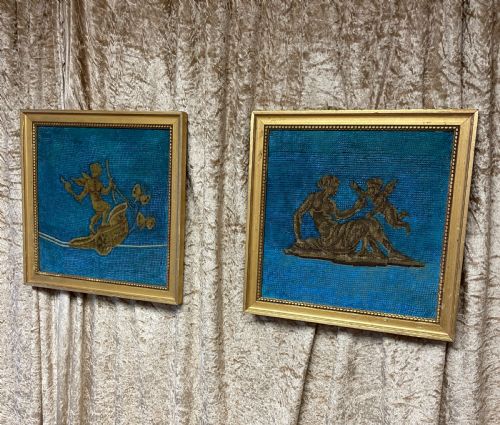


Blue Needlework Art
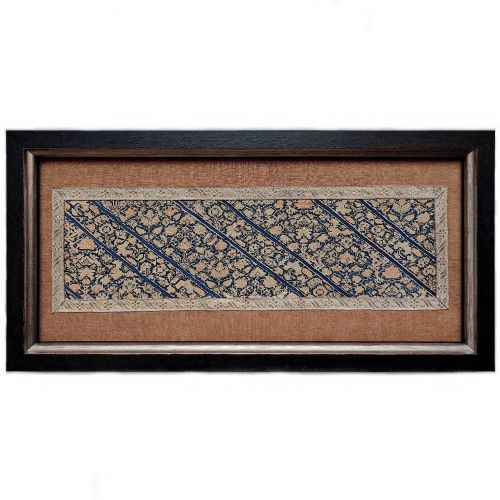
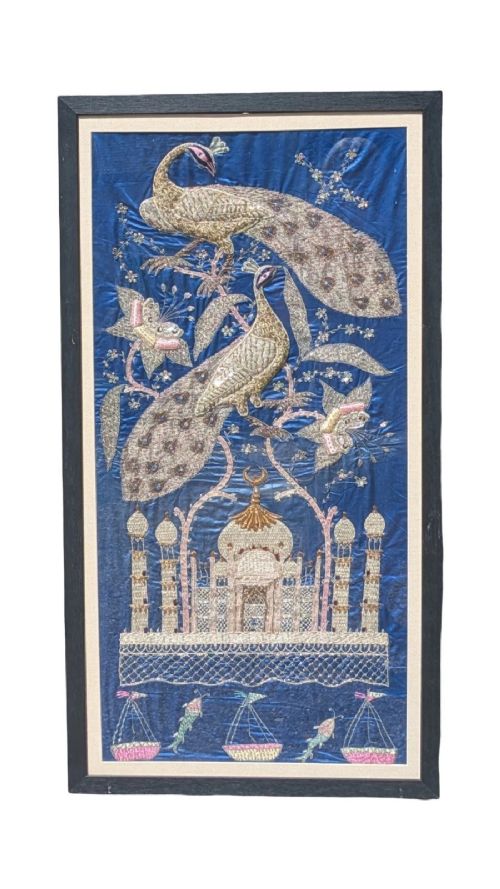
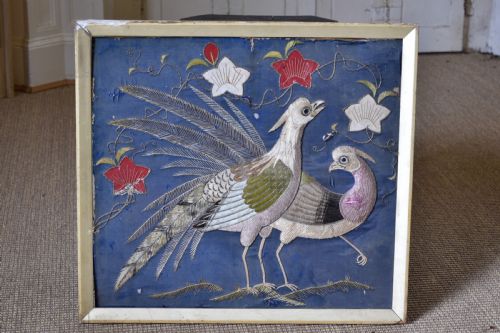
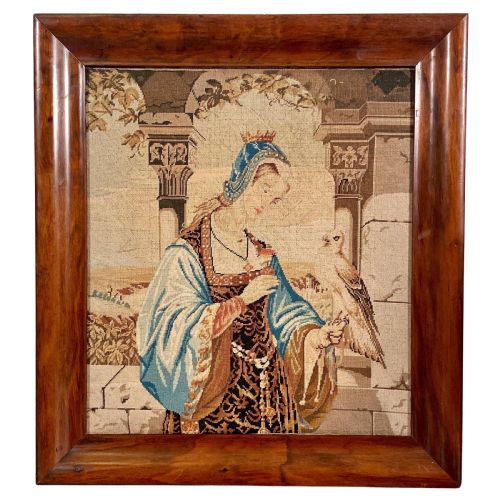
These pieces of blue needlework art bring historic textile skill and framed character into a room.
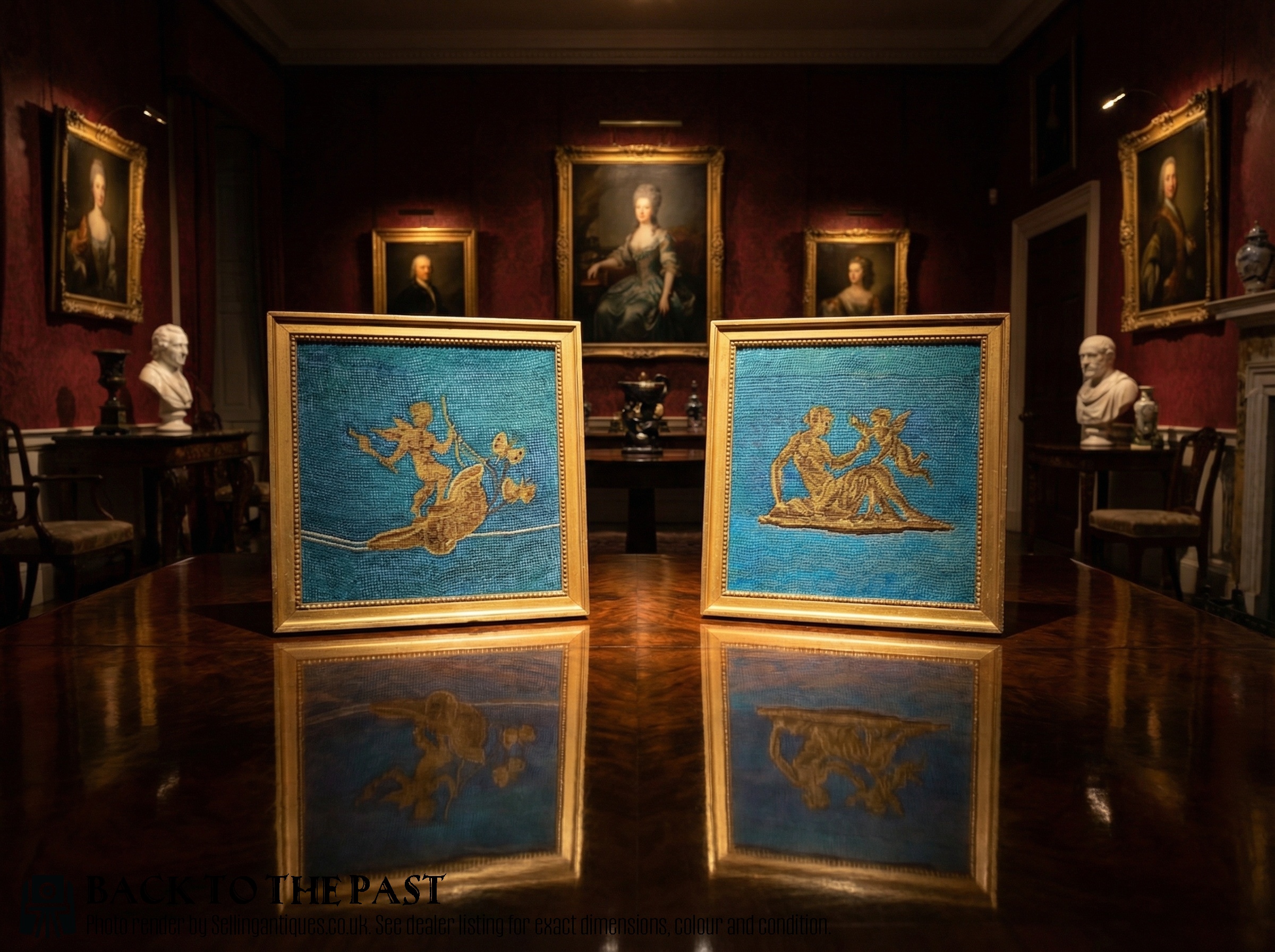
Blue Needlework Art
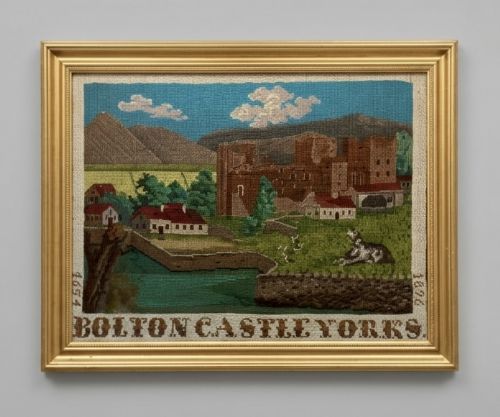
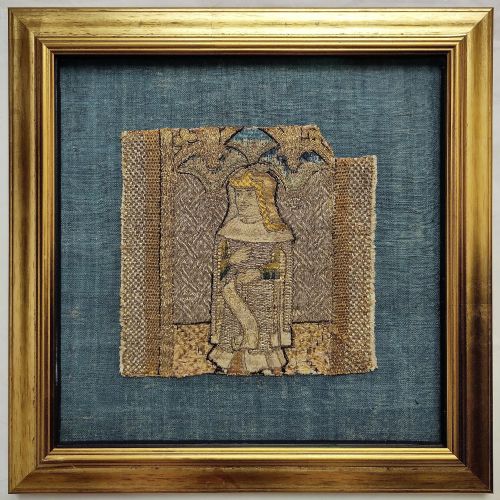
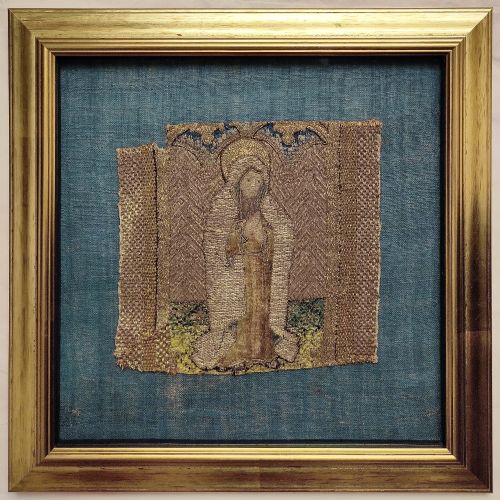
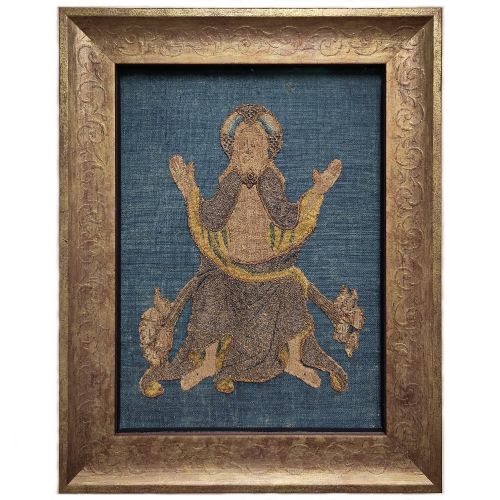
Blue needlework art encompasses historic framed textile pieces, wall art, and embroidered panels spanning the seventeenth century through to the nineteenth century and the early twentieth century. Buyers encounter framed textile art and woolwork pictures, alongside embroidered tapestries and French lace samplers.
The selection here includes traditional sailor woolie embroideries alongside Indian silk embroidery and classic European needlework pictures. These textile wall art objects preserve historical craft traditions through framed wool, silk, and metallic thread compositions.
How they were made
Maker execution relies upon natural fibres such as wool, silk, linen, and fabric, often worked onto a supportive backing and secured with metallic thread details. Artisans utilised traditional stitching and embroidery techniques to build dense pictorial surfaces.
Framed presentation employs wood and glass protection to preserve the delicate textiles from environmental wear. Selected examples incorporate supplementary elements like seashells within the broader artistic composition.
Blue Needlework Art Retail Price Guide 2026
Typical asking prices for blue needlework art among the pieces listed under this phrase on Sellingantiques today, from the lower quarter to the upper quarter. They describe what is for sale here now, not the wider market.
Sailors passed long ocean voyages by stitching ships in wool, creating folk art that outlasted the rigging.
What varies in quality
The refinement of the stitching and the complexity of the pictorial design distinguish standard examples from finer works. Compositional balance and the preservation state of the underlying linen, silk, or wool determine the visual success of the piece.
The integration of secondary materials, such as metallic thread or specialised framing using wood and glass, influences the overall character. Historical provenance and stylistic depth within periods like the seventeenth century or Victorian era add distinct layers of interest.
The Blue Needlework Art Glossary
- Woolie
- A traditional embroidered textile picture created by sailors, typically depicting ships or maritime figures using wool yarn. These pieces form a distinct subset of nineteenth century folk art.
- Sampler
- A demonstration piece of various stitching techniques and alphabet patterns, historically worked by hand on linen or fabric. They display the technical repertoire of the maker.
- Tapestry
- A form of textile art woven on a loom or worked with needlepoint stitches to create figurative or decorative wall panels. Older examples frequently utilise wool and silk threads.
- Chinoiserie
- A decorative style reflecting European interpretations of Chinese and East Asian artistic traditions. This aesthetic appears across various historical furnishings and framed panels.
Blue Needlework Art: Frequently Asked Questions
How should I hang these textiles?
Display framed textile art away from direct sunlight to protect delicate silk, wool, and linen threads from fading over time. Maintaining stable indoor humidity levels prevents degradation of both the fabric and the historical wooden frames.
Ensure secure wall fixings are used, as glass-fronted framed needlework panels carry substantial weight. Position pieces at eye level to fully appreciate the fine detail of the stitching.
What periods do these pieces represent?
The selection spans multiple centuries, reaching from the seventeenth century through the Victorian era up to nineteen thirty. Each period carries distinct aesthetic conventions and material choices.
Early works often feature baroque or rococo stylistic influences, whilst later nineteenth century pieces frequently encompass folk art traditions like sailor woolies.
What materials are typically used?
Composition relies predominantly on natural textile fibres including wool, silk, linen, and woven fabric. Metallic thread frequently accents specific areas to catch the light.
Support structures generally incorporate wood for the frames and glass for surface protection. Occasionally, unusual elements like seashells appear within the decorative scheme.
How do I identify a sailor woolie?
Sailor woolies are characterised by maritime subjects, most notably ships and naval figures, worked primarily in heavy wool yarn. They originated as pastime work aboard nineteenth century vessels.
These textile pictures often display naive perspective and direct, expressive use of colour. They represent a specialised category of Victorian folk art.